- Prioritize “ground-floor living” and step-free access when selecting a villa to prevent fatigue and injury.
- Create a “privacy schedule” that balances group activities with individual downtime to manage energy levels and social stamina.
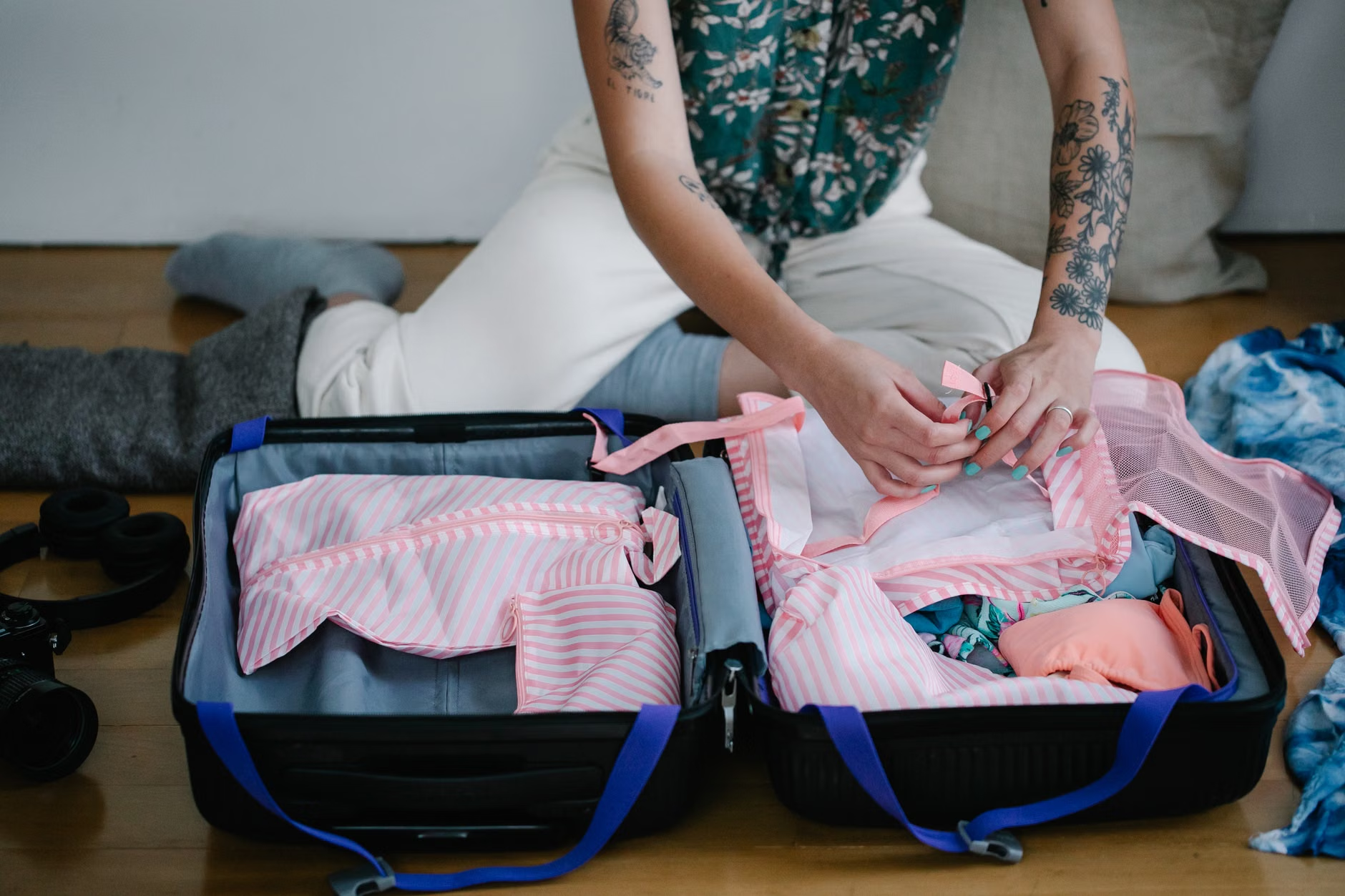
- Pack a dedicated “mobility kit”—including portable seating and nightlights—to ensure safety and comfort in unfamiliar environments.
When traveling with multiple generations, the choice of a villa offers a unique opportunity for shared memories, but it also presents specific challenges regarding physical mobility and the need for personal space. Successfully navigating these trips requires shifting from a “tourist mindset” to a “lifestyle management” approach, where the villa becomes a temporary home base rather than just a place to sleep.
Defining Your Villa Strategy: Privacy vs. Proximity
The core promise of a multi-generational villa stay is the balance between togetherness and individual autonomy. For travelers aged 60 to 80, the primary risk is “social and physical burnout.” Unlike a hotel, where you can retreat to your room at any time, a villa often forces interaction in shared kitchens and living spaces. To mitigate this, consider the villa layout as your first line of defense.
The “Split-Wing” Strategy: Look for villas with bedrooms on separate floors or in detached casitas (guesthouses). This provides a physical buffer for rest, which is essential for maintaining stamina throughout a week-long trip. If you are the grandparent, having a bedroom on the ground floor is not just a convenience; it is a safety mandate. Avoiding stairs reduces the risk of falls and preserves your energy for excursions.
The Daily Rhythm Check: Before booking, establish a “quiet hours” agreement with your family. It is perfectly acceptable for an older adult to request a two-hour block of undisturbed time in the afternoon. This is not about isolating yourself; it is about energy conservation. When everyone knows that 2:00 PM to 4:00 PM is “recharge time,” it removes the guilt often associated with opting out of a group activity.
Practical Decision Criterion: If you are choosing between a high-end villa that requires climbing stairs to reach the main living area and a slightly more modest property that is entirely on one level, always choose the single-level property. Mobility, even if currently robust, can be affected by fatigue, heat, or minor ailments; a single-level layout removes these variables entirely.

Packing for Safety and Mobility: The “Villa-Ready” Kit
General travel packing lists often focus on clothing and toiletries. For an older adult in a villa, your packing strategy must focus on environmental control. Villas are often designed for aesthetics rather than universal accessibility, meaning you may encounter low-slung furniture, dim lighting, or slippery tile floors.
Essential Mobility and Comfort Items
| Item | Why It Matters | Practical Application |
|---|---|---|
| Portable Folding Stool | Prevents fatigue during outings. | Use it in museums or while waiting for transport. |
| Motion-Sensor Nightlights | Reduces fall risk in unfamiliar rooms. | Place near the bedside and en-route to the bathroom. |
| Non-Slip Shower Mat | Villas often lack bathroom safety features. | Adds traction to unfamiliar, often slippery, tile showers. |
| Power Strip/Extension Cord | Outlets are rarely near the bed for medical devices. | Allows for easy access to CPAP machines or phone chargers. |
Beyond these items, consider your footwear. While you may want to dress up for dinner, the stone floors of many Mediterranean or tropical villas are notoriously slippery. Pack a pair of indoor shoes or slippers with high-traction rubber soles. This simple switch can prevent a serious slip injury on marble or ceramic tiles.
Online listings are notorious for omitting critical accessibility details. “Accessible” in a booking description often means “wheelchair accessible,” which may not align with your specific needs—such as needing a walk-in shower or a specific bed height. You must verify these details personally before finalizing a booking.
The “Verification Checklist” for Villa Renters:
- Bed Height: Ask the owner or agent for the bed height in centimeters. If a bed is too low, getting up can be difficult; too high, and it may be unsafe.
- Shower Entry: Ask for a photo of the shower. A “walk-in” shower is often advertised, but it may have a high “lip” or curb that acts as a tripping hazard.
- Surface Transitions: Look for photos of the patio and garden. Are there abrupt steps between the living room and the terrace? A smooth, level transition is vital for those who use a cane or have balance concerns.
- Lighting Levels: Many villas rely on “mood lighting,” which is often insufficient for older eyes. Confirm if there are overhead lights or task lamps in the bedroom and living areas.
If the property manager cannot answer these questions, it is a warning sign that the property has not been vetted for accessibility. In such cases, it is safer to look for a property that explicitly lists “elder-friendly” or “mobility-accessible” features, or to contact the property manager directly and ask them to send a video walkthrough of the bathroom and entry points.
Managing Group Dynamics and Expectations
Multi-generational travel often fails when there is a mismatch in activity levels. A common mistake is trying to keep pace with younger family members who may want to hike, swim, and explore for 12 hours a day. This is a recipe for physical exhaustion.
The “Hub-and-Spoke” Model: Treat the villa as the “hub.” The family can head out for “spoke” activities—trips to local markets, beaches, or historical sites—while you choose which spokes to participate in. It is perfectly acceptable to spend a day reading by the pool while others go on a strenuous excursion. This is not “missing out”; it is “prioritizing.”
Communication Protocol: Before the trip begins, have a “logistics meeting.” Clearly state your preferences: “I love spending time with all of you, but I will not be joining the morning hikes. I will meet you all for lunch.” By setting these expectations early, you eliminate the pressure to perform at a pace that is unsustainable for you.
Health and Wellbeing: Proactive Preparation
When traveling, your health routine should be as structured as it is at home. This means having a clear plan for your medications, your hydration, and your access to professional care if needed.
Medication Management: Always pack a two-week supply of all essential medications in your carry-on luggage. Never check your medication in your main baggage. Additionally, keep a list of your current medications, dosages, and the names of your prescribing physicians in your wallet. If you are traveling abroad, ensure you have a digital copy of these records stored in a secure, encrypted cloud folder.
Hydration and Nutrition: Villa living often leads to erratic eating schedules. If you are responsible for some meals, keep the menu simple. Stocking the kitchen with healthy, easy-to-prepare snacks—nuts, fruit, yogurt, and pre-cut vegetables—can prevent blood sugar crashes that lead to fatigue and irritability.
Accessing Local Care: Before you arrive, use a search engine or the local tourist board’s website to locate the nearest urgent care or hospital to your villa. Save the address and phone number in your phone’s contacts. Knowing where to go in the event of a minor health issue—like an allergic reaction or a sudden fever—provides immense peace of mind and allows you to act quickly without panic.
Advanced Considerations: The “Hidden” Variables
Beyond the obvious, consider the “hidden” variables of villa life. For instance, many villas are located in remote areas to ensure privacy. While this is great for quiet, it can be a problem if you need to get to a pharmacy or a grocery store in a hurry. Check the distance to the nearest village or town. Is it walkable? Is there reliable taxi service? If you are not renting a car, ensure you have a reliable plan for local transport.
Another overlooked variable is the “tech gap.” Does the villa have reliable Wi-Fi? If you need to manage your banking, check your pension, or stay in touch with your doctor, a weak internet connection can be a major source of stress. Test the connection upon arrival, and if it is inadequate, ask the property manager for a booster or an alternative solution immediately.
Conclusion: Empowering Your Villa Experience
A multi-generational villa stay should be a highlight of your year, not a test of your endurance. By prioritizing your physical needs, establishing clear boundaries for personal space, and preparing your environment for safety, you can enjoy the best of both worlds: the joy of family connection and the comfort of your own rhythm. Remember, the most successful travelers are those who know their limits and plan around them, ensuring that every day is manageable, safe, and enjoyable.
Frequently Asked Questions
Q: What should I do if the villa I booked turns out to be less accessible than described?
A: Document the issues immediately with photos and contact the booking platform or the property manager. If it is a safety issue, insist on a relocation or a partial refund. Most reputable platforms have policies to protect travelers when a property fails to meet its advertised accessibility standards. Always keep your communication in writing through the booking platform’s messaging system.
Q: How do I handle meals when I have different dietary needs from the rest of my family?
A: Proactive communication is key. Offer to take charge of one meal a day that aligns with your dietary needs, such as a hearty breakfast. For other meals, look for local markets where you can pick up fresh, simple ingredients like grilled fish or salads. Don’t feel obligated to cook for the entire group; suggest a “build-your-own” meal system where everyone manages their own dietary preferences.
Q: Is it worth hiring a private chef or local helper for a few days?
A: For many multi-generational groups, this is a game-changer. It reduces the stress of grocery shopping and cleaning, allowing everyone to focus on quality time. If your budget allows, hiring a local helper for just the first two days can help you get settled, navigate the local stores, and understand the villa’s systems, significantly reducing the “settling-in” stress.
For further information on accessible travel standards, you may visit the World Health Organization’s resources on disability and health, which provide a broader context on how environments can be adapted for better inclusion.