- Cognitive Stimulation: Baking requires multi-step planning, measuring, and timing, which helps maintain executive function and spatial awareness.
- Social Integration: Participating in a baking circle combats social isolation by providing a structured, interest-based environment for regular interaction.
- Practical Accessibility: Baking circles can be adapted for varying levels of physical mobility through ergonomic tools and collaborative task distribution.
Engaging in community baking circles offers far more than just a delicious end product; it provides a comprehensive framework for mental agility, social connection, and physical engagement. For adults aged 60 to 80, the kitchen often serves as a laboratory for creativity and a hub for community building. This article explores how structured baking groups can enhance your quality of life, provide cognitive benefits, and help you build lasting social ties.
The Cognitive Mechanics of Baking
Baking is fundamentally a cognitive exercise that engages multiple brain functions simultaneously. Unlike passive hobbies, baking requires a sequence of actions that demand focus, patience, and precision. When you follow a recipe, you are practicing executive function—the mental processes that enable us to plan, focus attention, and juggle multiple tasks.
Executive Function and Sequence Planning
Every recipe involves a series of logical steps: gathering ingredients (working memory), measuring precise quantities (mathematical reasoning), and timing the baking process (temporal awareness). For an older adult, maintaining these skills is essential for cognitive health. Studies on neuroplasticity suggest that engaging in complex, multi-step activities helps maintain neural pathways, particularly those related to motor skills and spatial organization.
Fine Motor Skills and Sensory Engagement
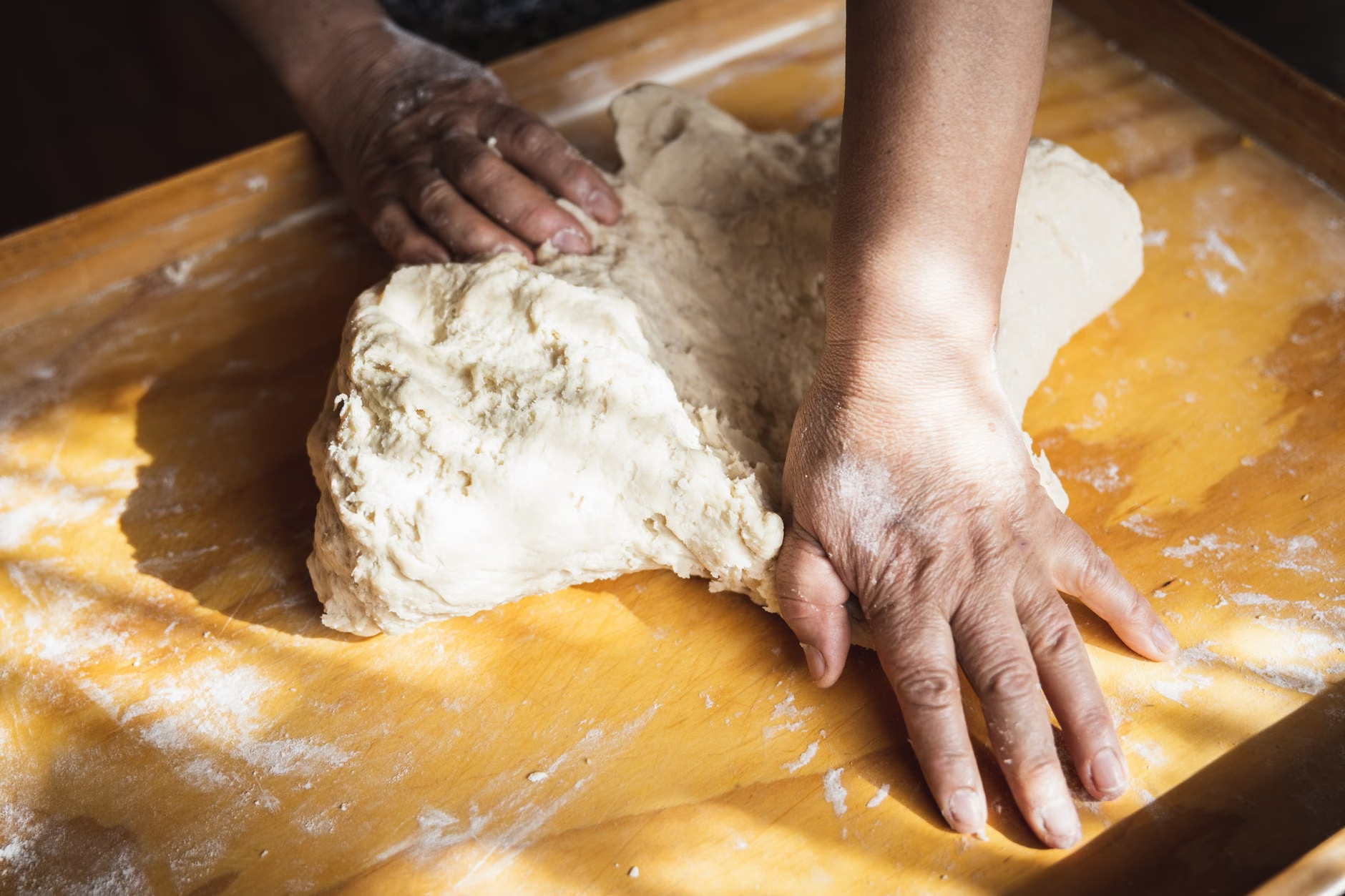
The tactile nature of baking—kneading dough, folding batters, and decorating pastries—provides excellent stimulation for fine motor skills. These movements require coordination between the eyes and hands. Furthermore, the sensory experience of baking—the aroma of yeast, the texture of flour, and the heat of the oven—activates different parts of the brain, creating a multisensory environment that is proven to improve mood and reduce stress.
Social Benefits: Beyond the Recipe
Social isolation is a significant factor affecting the health of older adults. Community baking circles provide a “third space”—a location outside of home and work—where individuals can interact on equal footing based on a shared interest. This removes the pressure of forced conversation and replaces it with the collaborative goal of creating something tangible.
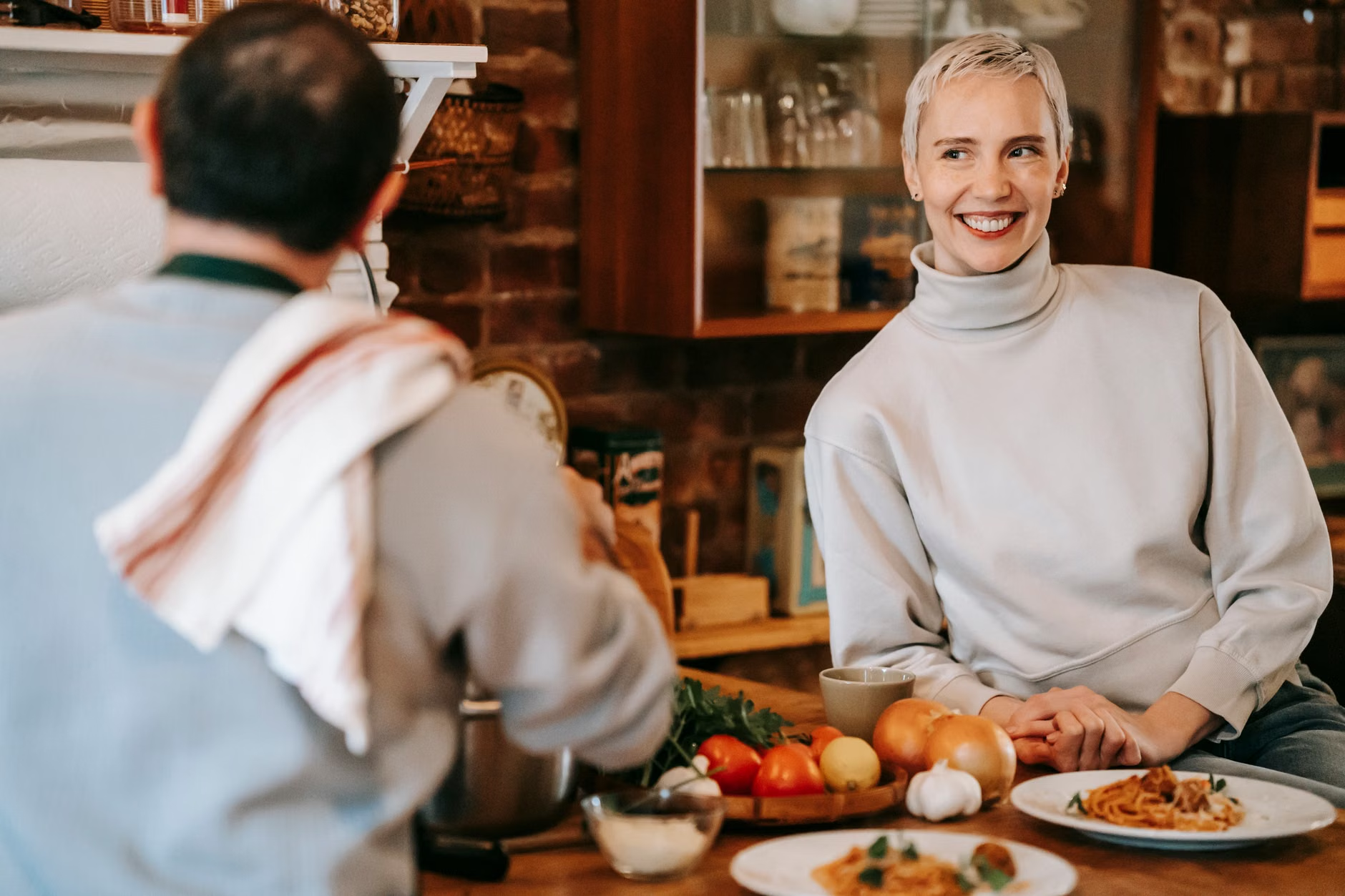
One of the most valuable aspects of a baking circle is the exchange of intergenerational or cross-cultural knowledge. You might bring a family recipe for traditional sourdough, while a neighbor shares a technique for perfecting shortcrust pastry. This exchange fosters a sense of purpose and belonging. When you teach a skill to someone else, you reinforce your own knowledge and build confidence, which is vital for emotional wellbeing.
Building a Support Network
Baking circles often evolve into support networks. Members who meet weekly or monthly naturally begin to share life updates and provide emotional support. Because these groups are built on a hobby rather than a clinical or support-group setting, the interactions feel organic and less transactional. This creates a sustainable way to maintain social vitality without the exhaustion of formal social events.
Designing an Accessible Baking Environment
Mobility or stamina concerns should not prevent anyone from participating in a baking circle. With the right adjustments, the kitchen becomes an inclusive space. The key is to prioritize ergonomics and safety to ensure that the process remains enjoyable rather than physically taxing.
Ergonomic Tools for Ease of Use
To reduce strain on the joints, consider the following adaptations:
- Electric Mixers: Use lightweight, ergonomic hand mixers or stand mixers to avoid repetitive manual stirring or whisking.
- Silicone Mats: These provide a non-slip surface, reducing the need for excessive downward pressure when rolling out dough.
- High-Contrast Measuring Tools: For those with vision changes, use measuring cups and spoons with high-contrast markings or tactile indicators.
- Seating: Ensure that the workspace allows for a stool or chair, enabling you to sit while performing prep work, which preserves energy for the baking process itself.
Task Delegation in Group Settings
In a community setting, you are rarely working alone. Baking circles allow for a division of labor that plays to individual strengths. If someone has trouble standing for long periods, they can handle the “mise en place”—the measuring and organizing of ingredients—while others manage the oven or the physical kneading process. This collaborative model ensures that everyone participates safely.
| Physical Challenge | Adaptation Strategy | Benefit |
|---|---|---|
| Limited Grip Strength | Use wide-handled tools or silicone grips | Reduces hand fatigue and pain |
| Low Stamina | Incorporate seated preparation phases | Extends the duration of enjoyment |
| Vision Sensitivity | Use large-print recipes and bright task lighting | Increases accuracy and safety |
| Back Pain | Raise the work surface to elbow height | Prevents stooping and strain |
The table above illustrates that physical limitations are simply variables to be managed. When you adjust your environment, the focus shifts back to the creative process, allowing you to participate fully in the community circle regardless of your physical condition.
When participating in group baking, maintaining hygiene is a collective responsibility. This is not only about food safety but also about respecting the shared space. Always ensure that the facility meets local health department standards if it is a public venue. For private home-based circles, establish simple, clear ground rules.
Practical Hygiene Checklist
- Hand Hygiene: Wash hands thoroughly before and after handling raw ingredients, especially eggs or flour-based mixtures.
- Cross-Contamination: Use separate bowls and utensils for different recipe components to manage allergies or dietary restrictions within the group.
- Surface Sanitization: Clean workspaces before and after use. Use non-toxic, food-safe cleaners.
- Clear Storage: Label all ingredients, especially those that might be allergens like nuts or dairy, to ensure all members are aware of what is in the shared supply.
The Psychological Impact of Success
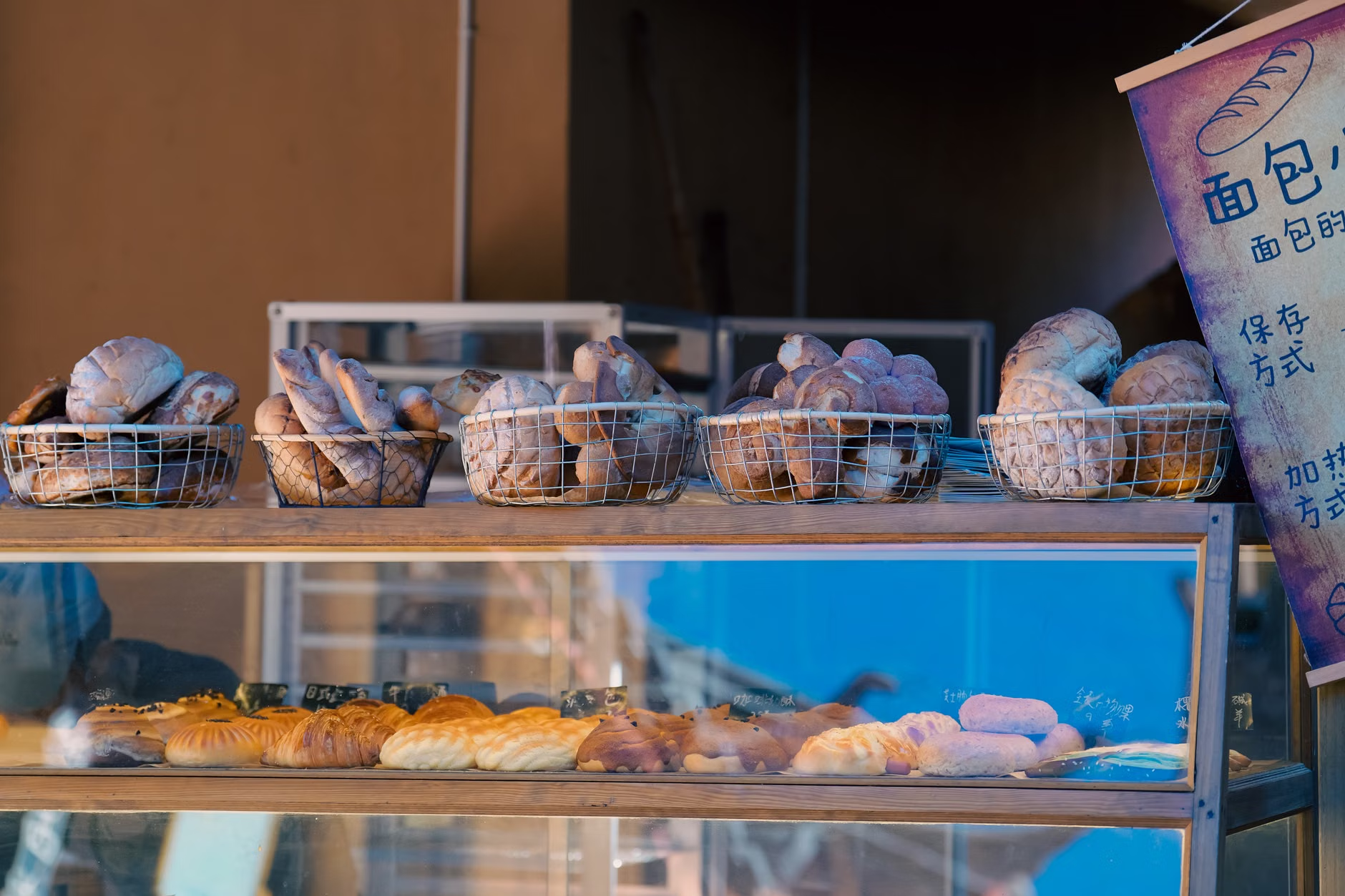
There is a unique psychological boost that comes from creating a finished product. For many older adults, the transition into retirement can sometimes lead to a feeling of reduced productivity. Baking provides a tangible output—a loaf of bread or a batch of cookies—that serves as a “win.” Sharing this success with a group amplifies the positive feedback loop, as the validation from peers reinforces your sense of competence and contribution.
The “Flow” State
Psychologists often describe the “flow” state as a condition of optimal experience where one is fully immersed in a feeling of energized focus. Baking, with its precise requirements and sensory rewards, is an ideal activity to reach this state. When you are in the flow, time seems to pass quickly, and the stressors of daily life recede. This is a powerful antidote to anxiety and provides a mental reset that lasts long after the oven is turned off.
Finding or Starting Your Own Circle
If you are interested in joining or starting a baking circle, the first step is to assess your local resources. Many community centers, libraries, and places of worship have kitchen facilities that are underutilized. You do not need professional equipment to start; you only need a clean space and a few interested people.
How to Begin
Start small. Invite two or three friends or neighbors who share an interest in baking. Keep the first few sessions simple—perhaps focusing on a specific skill like bread kneading or decorating cookies. As the group grows, you can rotate the “host” role or even partner with a local community center to secure a larger space.
Leveraging Digital Tools
If you aren’t sure where to find like-minded bakers, use digital platforms cautiously. Local community Facebook groups or neighborhood apps (like Nextdoor) can be effective for finding people in your area. However, always verify the group’s intent and ensure that any meetings occur in a safe, public, or well-vetted private space. If you are not tech-savvy, ask a family member to help you search for “senior community groups” or “baking clubs” in your town.
Integrating Nutrition and Health Goals
While baking is often associated with sweet treats, it is also an excellent opportunity to focus on nutrition. Baking circles can be a space to experiment with whole grains, reduced sugar recipes, or fiber-rich ingredients. By controlling the ingredients, you can make choices that support your specific health goals, such as managing blood sugar or increasing fiber intake.
Consulting with Professionals
If you have specific dietary restrictions due to health conditions (such as diabetes or hypertension), it is important to incorporate your doctor’s or a registered dietitian’s guidance into your baking. This doesn’t mean you must stop baking; rather, it means you can adapt your recipes to align with your health needs. For example, if you are monitoring salt intake, you can focus on using herbs and spices to flavor bread, or if you are managing blood sugar, you can explore recipes using alternative flours like almond or coconut flour.
Remember: Baking is a lifestyle, not a medical intervention. While the social and cognitive benefits are significant, they are meant to complement, not replace, professional medical care. If you have concerns about your mobility, stamina, or dietary health, always discuss these with your primary care provider before starting a new, physically engaging hobby.
Conclusion: The Lasting Value of Connection
The social benefits of community baking circles extend far beyond the kitchen walls. By fostering cognitive health through complex tasks, providing a venue for meaningful social interaction, and allowing for physical adaptation, these groups offer a holistic approach to wellbeing. Whether you are a master baker or a novice, the act of creating something with others is a powerful way to stay connected, engaged, and mentally sharp.
Take the first step today: reach out to a friend, visit your local community center, or check a community board. Your next great recipe—and your next great friendship—might be just a mixing bowl away.
Frequently Asked Questions
1. Do I need to be an expert baker to join a community circle?
Absolutely not. Most baking circles thrive on a mix of skill levels. The goal is to share knowledge and enjoy the process. Beginners are often welcomed with open arms, as teaching a skill is a great way for more experienced members to engage with the group.
2. What if I have mobility issues that make standing for long periods difficult?
Baking is highly adaptable. You can choose to be the “planner” or “measure-master” of the group, focusing on recipe preparation and ingredient management while sitting down. Many tools, such as high-stools and ergonomic kitchen utensils, can make the process accessible for everyone.
3. How do I ensure that a baking circle is safe and hygienic?
If you are joining an established group at a community center, they will likely have their own health and safety protocols. If you are starting a group in a home, establish simple rules regarding hand washing, surface cleaning, and ingredient labeling. Always prioritize food safety by keeping raw and cooked items separate.
Sources and Further Reading: