- Prioritize terrain over aesthetics: A garden’s beauty is irrelevant if the paths are gravel, steep, or uneven. Always verify “paved” or “ADA-compliant” surfaces before booking.
- The 30-Minute Rest Rule: Plan your route to include a seated rest break every 30 minutes, even if you feel energetic at the start of your tour.
- Accessibility is verifiable: Don’t rely on promotional photos; check official garden accessibility maps or contact the site manager directly to ask about specific gate-to-path distances and shuttle availability.
Historic gardens offer a unique opportunity to connect with nature and heritage, but for the senior traveler, they can present hidden physical challenges. From uneven cobblestones to steep landscape architecture, what appears as a serene retreat can quickly become a mobility obstacle. This guide provides a systematic approach to selecting and navigating historic gardens, ensuring your next outing is defined by enjoyment rather than exhaustion.
Evaluating Garden Accessibility: The Foundation of Your Trip
Before you commit to visiting a historic site, you must assess whether the garden’s infrastructure matches your current mobility needs. Many historic gardens were designed centuries ago for foot traffic, not for wheelchairs, walkers, or individuals with balance concerns. A garden that is “open to the public” is not necessarily “accessible.”
The Three Pillars of Garden Mobility
To determine if a garden is suitable, analyze these three critical factors:
- Surface Integrity: Look for firm, level surfaces. Gravel is the most common “hidden” enemy; it is difficult for both walkers and canes to navigate safely. Asphalt, concrete, or compacted stone dust are ideal.
- Gradient and Elevation: Historic gardens often feature terraced designs. Check the garden’s website for an “Elevation Map” or “Topographical Guide.” If a garden is built on a slope, look for designated shuttle routes or elevators.
- Gate-to-Amenity Distance: How far is the entrance from the primary points of interest? A garden might be flat, but if the main attraction is a mile from the parking lot, your energy reserves will be depleted before you even begin your tour.

Strategic Planning: The Pre-Visit Checklist
Successful travel for seniors relies on proactive research. You should never assume that a “tour” includes accessibility features unless they are explicitly stated. Use the following checklist to vet your destination.
| Assessment Criteria | What to Look For | Actionable Question to Ask |
|---|---|---|
| Restrooms | Proximity to the main pathways. | “Are there accessible restrooms located within the core garden area, or only at the entrance?” |
| Transport | Internal shuttles or golf carts. | “Is there a pre-bookable shuttle service for visitors with limited stamina?” |
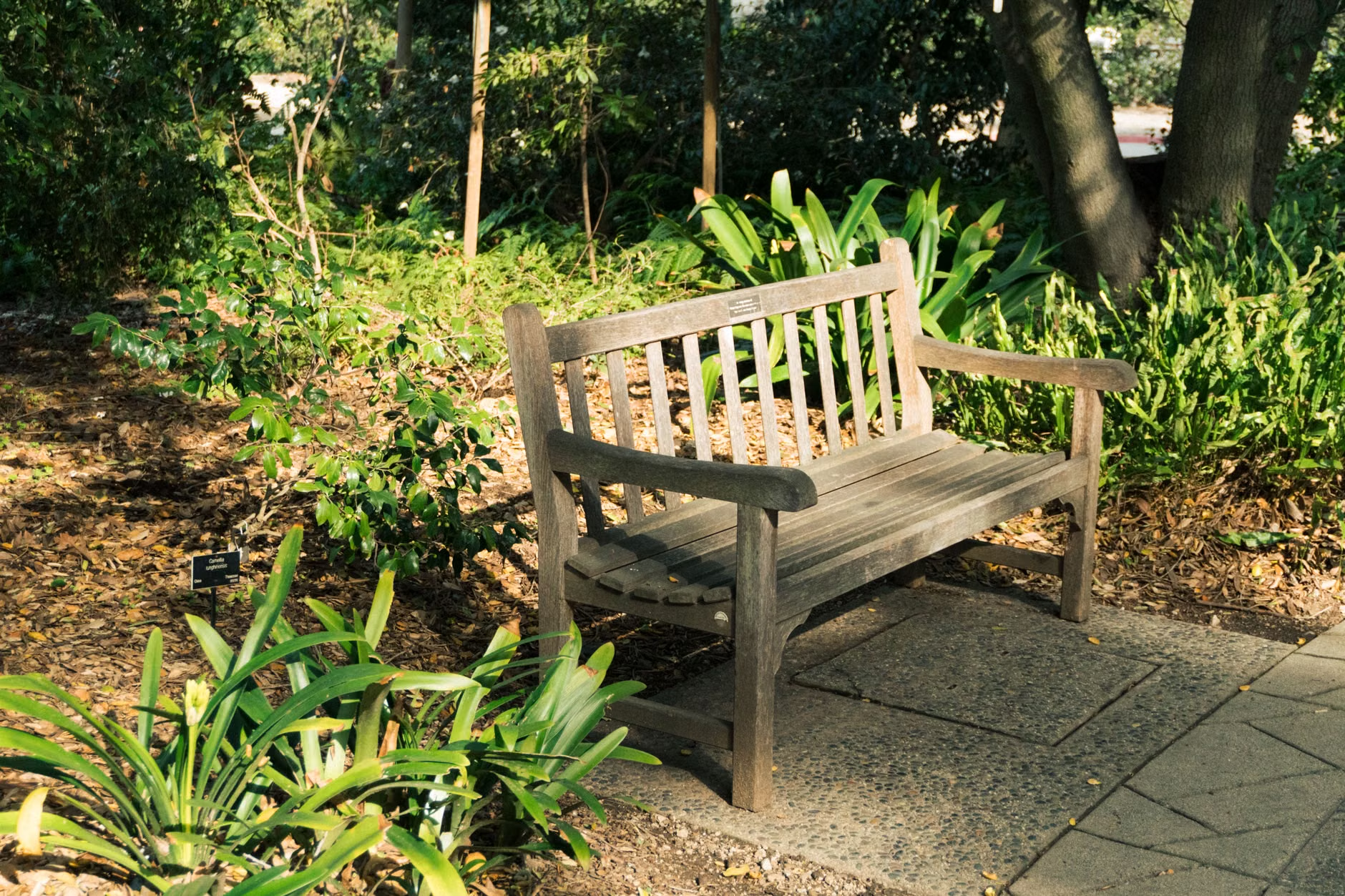
| Shade | Presence of benches under trees or structures. | “Are there shaded seating areas distributed throughout the circuit?” |
If you are traveling with a companion, delegate the “scouting” role. Have one person check the official website’s “Accessibility” page while the other calls the visitor center. Official sites like the Royal Horticultural Society (UK) or the National Park Service (US) often provide detailed accessibility guides that rank path difficulty. If the website is vague, this is a warning sign; professional, accessible venues are usually proud to advertise their accommodations.
Managing Stamina: A Realistic Approach to Touring
The most common mistake senior travelers make is attempting to see “everything” in a single day. Historic gardens are expansive. Even if you are fit, the combination of walking, standing to admire features, and navigating slight inclines can lead to rapid fatigue.
The “Hub and Spoke” Strategy
Instead of a linear path through the entire estate, adopt a “Hub and Spoke” model. Identify the one or two areas you most want to see (the Hubs). Plan your day so that you visit these areas first, then use them as anchors. If you find yourself tiring, you can return to the entrance or a nearby cafe without feeling like you have “missed” the core experience.
Hydration and Heat Management: Even in mild climates, gardens can be warmer than surrounding areas due to lack of wind flow between dense plantings. Carry a lightweight, refillable water bottle. If you are visiting during the summer, plan your visit for the early morning (the “Golden Hour”) when the light is best for photography and the temperature is lowest.

If you use a cane, walker, or wheelchair, you must consider the “turning radius” of the garden. Some historic paths are narrow, originally designed for single-file walking. If you use a rollator (a walker with wheels), ensure that the garden paths are at least 36 inches (approx. 90 cm) wide. Many historic sites prohibit motorized mobility scooters if the paths are too narrow or fragile, so always verify equipment policies before arrival.
Pro-Tip: If you have mobility concerns, look for gardens that offer “Guided Buggy Tours.” These are often overlooked but provide a superior experience, as the driver usually acts as a guide, explaining the history of the garden while you remain seated and comfortable.
Understanding Local Regulations and Benefits
In many jurisdictions, senior travelers are entitled to specific benefits. For example, in the United Kingdom, the National Trust offers discounted memberships for seniors, which include free access to hundreds of historic gardens. In the United States, the America the Beautiful Senior Pass provides lifetime access to federal recreation sites, including many national historic botanical areas.
Always carry your identification and any relevant membership cards. Do not assume that the discount will be applied automatically at the ticket window; you must ask, “Do you offer a senior discount?” Many gardens have tiered pricing that is not always displayed prominently on the main entrance board.
Beyond the Path: Unexpected Variables
There are variables that even the best-planned trip might miss. Weather, for instance, can turn a perfectly accessible path into a slippery, dangerous surface. If it has rained recently, call the garden to ask about the condition of the paths. Some historic gardens are built on clay soil, which becomes treacherous when wet.
Another overlooked variable is the “sensory load.” Large gardens can be overwhelming. If you or your travel companion have visual or cognitive impairments, check if the garden offers audio tours or tactile maps. Many major botanical gardens have invested in sensory-friendly routes that avoid high-traffic areas and focus on fragrant or textured plants, providing a more relaxed, immersive experience.
Conclusion: Taking the Next Step
Planning an accessible historic garden tour is an exercise in managing your expectations and your environment. By focusing on the quality of the paths, the availability of resting points, and the flexibility of your itinerary, you transform a potentially stressful outing into a rejuvenating experience. Start by choosing one local garden that meets these criteria, test your comfort level, and use that experience to plan larger excursions in the future. Remember: the goal is to enjoy the beauty of the landscape, not to conquer it.
Frequently Asked Questions
1. Should I bring my own folding stool for garden tours?
Yes. While many gardens have benches, they are often occupied or spaced too far apart. A lightweight, portable folding stool provides you with the autonomy to rest whenever you feel the need, rather than waiting to reach a designated bench.
2. How can I find out if a garden path is made of gravel or pavement?
Most official garden websites have a “Plan Your Visit” or “Accessibility” section. If the site is not specific, look at satellite view on Google Maps. Zoom in on the pathways; gravel typically appears as a grainy, uneven texture, while paved paths show a smooth, consistent color.
3. What should I do if I encounter an unexpected flight of stairs in a “fully accessible” garden?
Always carry a printed or digital map of the garden’s “accessible route.” If you encounter an unexpected barrier, do not attempt to navigate it. Return to the nearest visitor center or staff member. Most historic gardens have “back-of-house” service paths that are flat and can be opened for visitors with mobility needs if you request assistance.
Sources:
National Trust Accessibility Guidance
National Park Service Accessibility Information