- Prioritize “Level Access”: Always verify if a plaza cafe has a step-free entrance or a permanent ramp, as “historic” often implies architectural barriers.
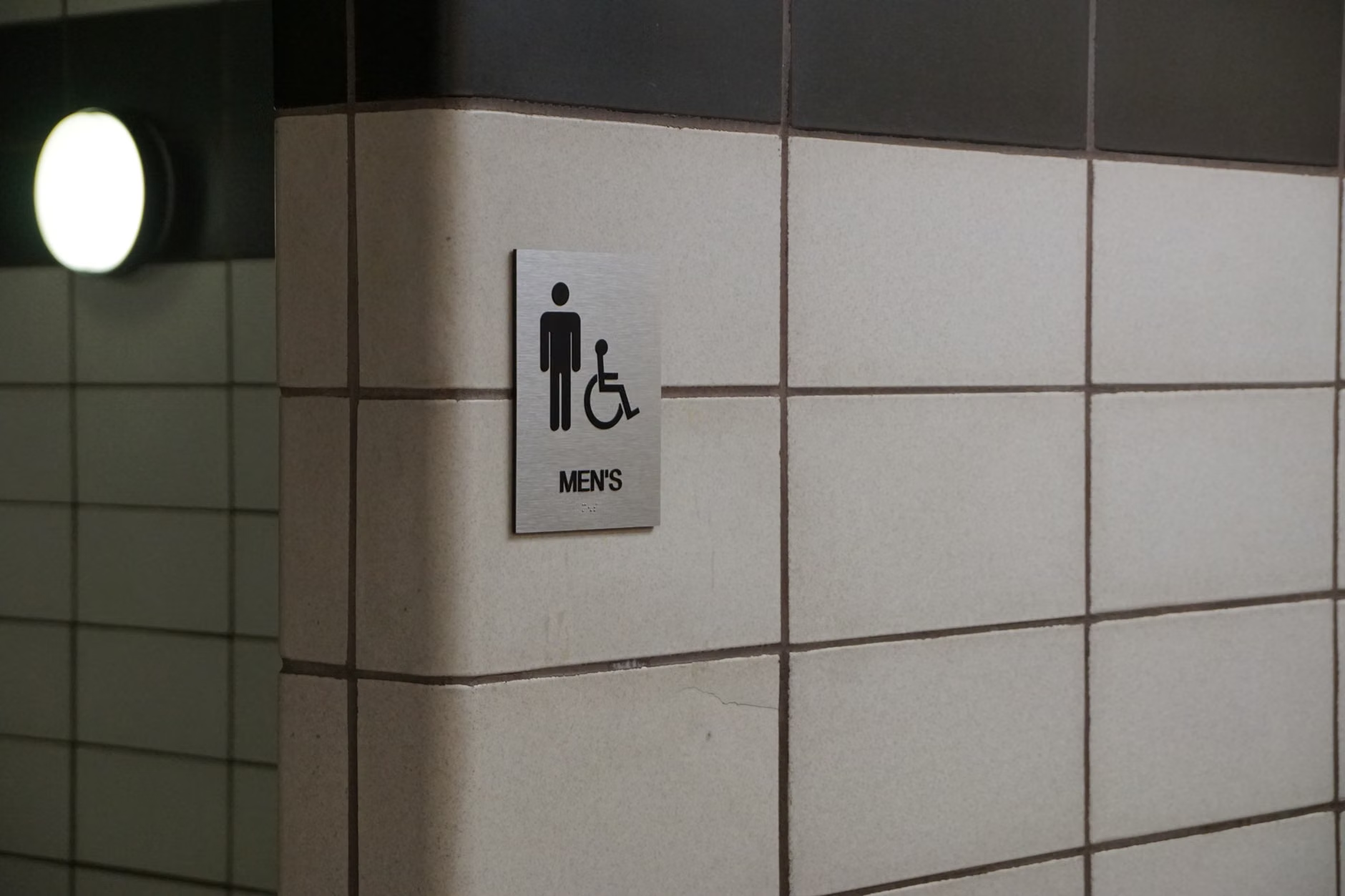
- The Restroom Rule: Never assume a historic cafe has an accessible restroom on the ground floor; check digital maps and reviews specifically for “wheelchair-accessible toilets” before arriving.
- Pacing is Essential: Limit your itinerary to one historic plaza per day to manage stamina and ensure you have time to navigate crowded areas during off-peak hours.
For the seasoned traveler, the allure of a historic plaza—with its centuries-old architecture, vibrant atmosphere, and tradition of open-air cafe culture—is undeniable. However, the very features that make these locations historic, such as uneven cobblestones, narrow doorways, and heritage-protected building layouts, can present significant challenges for older adults. Planning a visit to these iconic spots requires more than just picking a destination; it requires a strategic approach to mobility, timing, and physical comfort.
Understanding the “Historic Plaza” Challenge: Why Accessibility Varies
Historic plazas are often protected by preservation laws, which can make structural modifications like elevators or widened doorways difficult to implement. When you are planning your trip, it is vital to distinguish between a “restored” plaza and a “preserved” one. A restored plaza is more likely to have integrated modern accessibility features, whereas a preserved site may still rely on original, steep-gradient entryways.
The primary friction points for older travelers include:
- Surface Unevenness: Historic cobblestones (often called “setts”) can be hazardous for those with balance concerns or those using walking aids.
- Threshold Barriers: Many historic cafes have a single, high step at the entrance, which is a common stumbling point.
- Restroom Inaccessibility: In older buildings, restrooms are frequently located in basements or on upper floors accessible only by stairs.
To mitigate these risks, treat every cafe visit as a mini-logistics project. Use satellite imagery (like Google Street View) to inspect the entrance of a cafe before you leave your hotel. If you see a step at the entrance, look for a secondary door or ask a local contact if the establishment has a service entrance that is level with the pavement.
Criteria for Selecting the Perfect Cafe
When selecting a cafe in a historic plaza, do not rely on aesthetic appeal alone. Use the following checklist to evaluate whether a venue will support your physical needs and comfort levels.
| Feature | What to Look For | Why it Matters |
|---|---|---|
| Entryway | Level threshold or a permanent, non-steep ramp. | Prevents trip hazards and ensures easy entry for canes or walkers. |
| Seating | Chairs with backrests and armrests; avoid high bar stools. | Provides essential support for back health and safe transitions. |
| Restrooms | Ground-floor, spacious, and marked “accessible.” | Ensures dignity and safety without the need for stair navigation. |
| Lighting | Bright, natural light or clear, non-glare artificial lighting. | Essential for reading menus and navigating steps safely. |
Note: If a cafe has a beautiful terrace but the interior is inaccessible, prioritize the terrace. Ensure there is a nearby public accessible restroom if the indoor facilities are not usable for you.

The Importance of Strategic Timing and Pacing
The most accessible cafe in the world can become difficult if it is overcrowded. Historic plazas are magnets for tourists, and the “crush” of people can impede your movement and increase the risk of accidental collision. To ensure a safe and relaxing experience, follow these timing strategies:
1. Master the “Mid-Morning” or “Late Afternoon” Slot
Avoid the peak lunch hour (typically 12:00 PM to 2:00 PM) and the early evening “aperitivo” or “happy hour” rush. By aiming for 10:30 AM or 3:30 PM, you ensure that staff has more time to assist you, tables are easier to navigate, and the noise levels are lower, which is beneficial for those who may experience sensory fatigue.
2. The “One-Plaza Rule”
Do not attempt to visit multiple historic plazas in a single day. The combination of travel between sites, navigating uneven terrain, and the mental load of managing accessibility can lead to premature exhaustion. By dedicating your day to one plaza, you allow yourself “recovery time” to sit, observe, and enjoy the environment without rushing to the next destination.
If you use a mobility aid, such as a cane, walker, or travel-sized wheelchair, you must be aware of the specific challenges posed by historic city centers. Cobblestones are notoriously difficult for wheels. If your mobility aid has small wheels, they can easily get stuck in the gaps between stones.
Practical Decision Rule for Mobility Aids:
- For Cane Users: Use a cane with a wide, rubberized base (a “quad cane”) to provide better stability on uneven ground.
- For Walker Users: If your walker has small wheels, consider a model with larger, all-terrain tires if you plan to visit historic sites frequently.
- For Wheelchair Users: Research the specific plaza online to see if there are “smooth paths” or “paved strips” installed. Many major European cities have installed flat stone lanes within cobblestone plazas specifically for accessibility.
If you feel unsure about the terrain, do not hesitate to use a local taxi or ride-share service to drop you off as close to the cafe entrance as possible, rather than walking from a distant parking lot or public transit hub. This preserves your “mobility budget” for when you are actually at the plaza.
Preparing for the Unexpected: A Proactive Approach
Even with the best planning, circumstances can change. A cafe might have unexpected construction, or a previously accessible route might be blocked. Being prepared is the key to maintaining a positive experience.
The “Backup Plan” Checklist:
- Identify Two Alternatives: Always have a second and third cafe in mind within the same plaza. If your primary choice is inaccessible, you won’t feel stranded.
- Digital Accessibility Tools: Utilize apps like Wheelmap (https://wheelmap.org/) or local government accessibility maps. These tools are crowdsourced and can provide real-time data on whether a business has step-free access.
- Carry a Small “Comfort Kit”: Include a portable, foldable seat cushion (in case the cafe chairs are hard or uncomfortable), a small bottle of water, your medication list, and a card in the local language explaining your specific mobility needs in case you need to ask for help.
If you encounter a barrier, such as a staff member being unhelpful or a physical obstacle you didn’t anticipate, do not force the situation. Your safety and comfort are the priority. It is perfectly acceptable to leave and seek a more accommodating environment. Often, the most welcoming cafes are those slightly off the main thoroughfare of the plaza, which may offer more space and better accessibility than the high-traffic spots directly in the center.
Evaluating the “Cultural Experience” vs. “Physical Cost”
A common mistake is prioritizing the “fame” of a plaza cafe over its accessibility. Many famous historic cafes are crowded, loud, and physically demanding. Instead, look for “hidden gems”—smaller cafes located in the periphery of the plaza. These often retain the historic atmosphere but provide a much higher level of comfort and personal service.
When comparing cafes, ask yourself: “Am I going here because I want to experience the history, or because I feel like I ‘should’ visit this specific, famous spot?” If the physical cost of accessing a famous cafe outweighs the potential enjoyment, choosing a quieter alternative is the smarter, more senior-friendly decision. You will likely find that the service is more attentive and the atmosphere is more conducive to a relaxing, meaningful experience.
Conclusion: The Art of the Relaxed Journey
Selecting an accessible historic plaza cafe is an exercise in balancing your desire for cultural immersion with the practical realities of your physical needs. By focusing on level access, verifying restroom facilities, and pacing your day to avoid overexertion, you can enjoy the splendor of historic city centers without compromise. Remember that the goal of travel is to enrich your life, not to test your endurance. Take your time, prioritize your comfort, and choose environments that welcome you with ease and hospitality.
Frequently Asked Questions
1. How can I reliably confirm if a historic cafe is truly accessible before I arrive?
Do not rely solely on a website’s “accessibility” statement, as definitions vary. Check Google Maps reviews for keywords like “accessible,” “wheelchair,” or “step.” Furthermore, use Google Street View to look at the entrance threshold. If you still have doubts, a short email to the cafe asking, “Is there a step at the entrance, and is the restroom on the ground floor?” will provide the definitive answer you need.
2. What should I do if I find myself in a historic plaza and realize the only restrooms are down a flight of stairs?
Locate the nearest “accessible public toilet.” Many historic cities provide searchable maps of public restrooms. Additionally, look for high-end hotels nearby; they often have accessible lobby restrooms that are cleaner and easier to navigate than those in small, older cafes. If you are in a group, ensure your companions are aware of this potential issue so you can plan your hydration and breaks accordingly.
3. Are there specific times of the year when historic plazas are more accessible?
Yes. Traveling during the “shoulder season” (typically spring and autumn, depending on the region) is ideal. During these times, the weather is milder, and the crowds are significantly smaller. This makes navigating the plaza easier, reduces the likelihood of being bumped in a crowd, and ensures that cafe staff have more time to assist you with seating or accessibility requests. Avoid peak summer months when heat, humidity, and extreme tourism congestion can make even the most accessible plaza difficult to navigate.
Official resources for further planning:
European Network for Accessible Tourism (ENAT) – Provides resources and guidance for accessible travel across Europe.
Wheelmap.org – A global, crowdsourced map for finding wheelchair-accessible locations.