- Abdominal bracing is not about “sucking in” your stomach; it is about creating a stable, internal pressure to support your spine.
- This technique can be performed safely while seated, making it an ideal preventive habit for daily tasks like eating, desk work, or watching television.
- Consistent, gentle practice of bracing helps reduce the risk of lower back strain during common movements like standing up or reaching for objects.
For adults aged 60 to 80, maintaining independence often comes down to the health of the spine and the stability of the core. As we age, the cumulative effect of gravity, changes in bone density, and decreased muscle mass can make the lower back particularly vulnerable to strain. While many think of “core training” as strenuous floor exercises, the most effective tool for long-term spinal health is often a subtle, seated technique known as abdominal bracing.
This article explains exactly what abdominal bracing is, why it is essential for your daily safety, and how to integrate it into your life without needing special equipment or a gym membership.
What is Abdominal Bracing and How Does It Work?
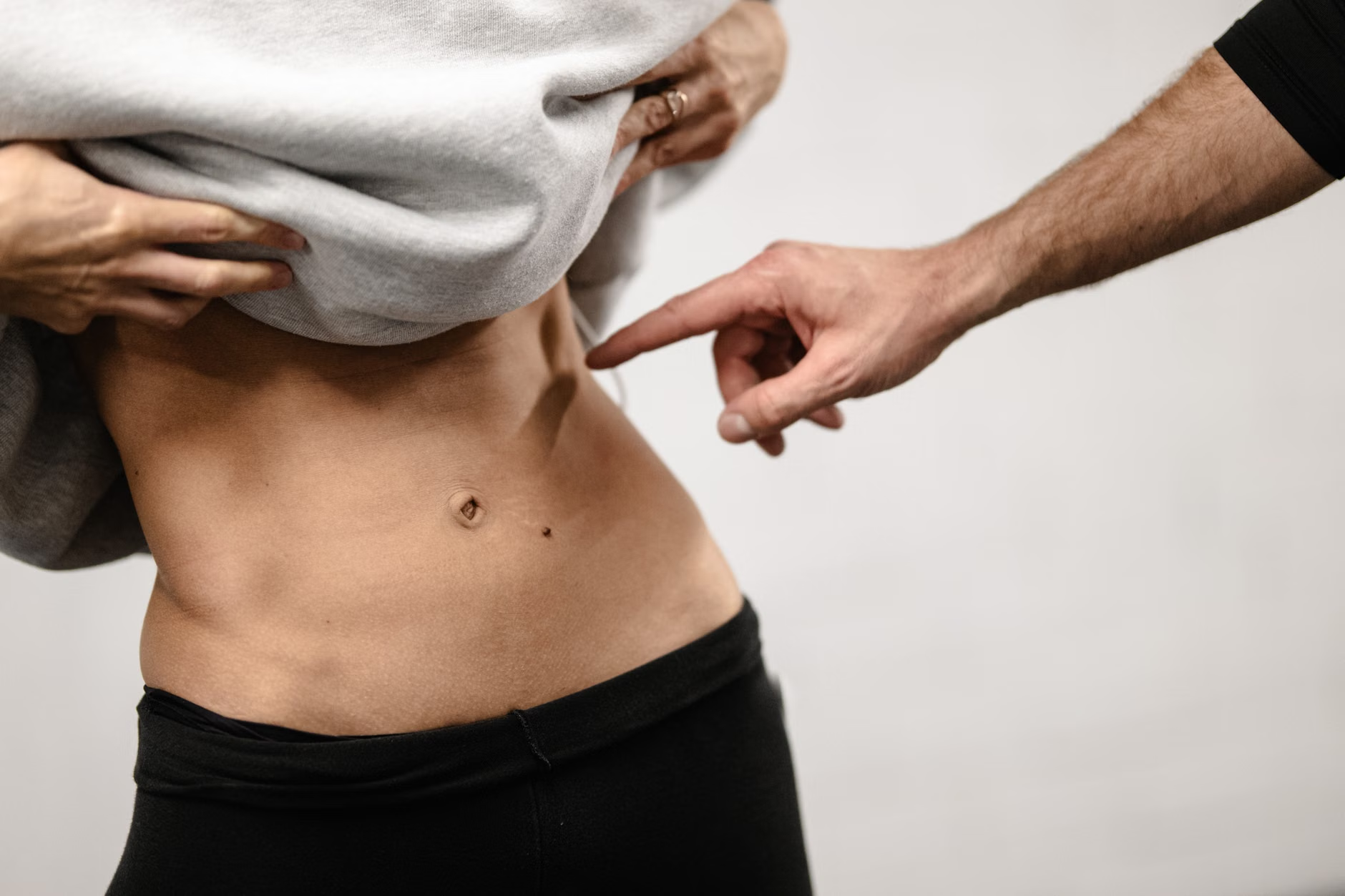
Abdominal bracing is the act of gently contracting the muscles of the torso—the abdominals, obliques, and the muscles surrounding the spine—to create a “natural corset.” This internal pressure increases the stability of the lumbar spine (the lower back). Think of it like inflating a sturdy balloon inside your abdomen; the pressure pushes outward against your abdominal wall and backward against your spine, creating a rigid cylinder that protects your vertebrae from sudden, uneven loads.
Many people confuse bracing with “stomach vacuuming” or “sucking in.” These are very different. Sucking in involves pulling the navel toward the spine and often leads to holding your breath, which can increase blood pressure and decrease core stability. Bracing, by contrast, is a firm, outward-pushing engagement. You should still be able to breathe comfortably while maintaining this tension.
The Mechanics of the Brace
When you brace properly, you are activating the transverse abdominis, the deepest layer of abdominal muscle. This muscle acts as a stabilizer. By learning to activate it while seated, you are effectively “pre-loading” your spine before you engage in more demanding movements, such as standing up from a chair or carrying a grocery bag.
Why Seated Bracing is Ideal for Older Adults
Seated bracing offers a low-risk, high-reward entry point for core health. It is particularly beneficial because it allows you to practice muscle control in a position where your balance is already supported by the chair. This removes the fear of falling, which often prevents people from performing traditional core exercises.
Preventing Common Back Injuries
Most back injuries in older adults occur during mundane activities—reaching for a remote, twisting to grab a glass from a cupboard, or standing up after a long period of sitting. When your core muscles are “asleep” or inactive, the force of these movements is transferred directly to your spinal discs and ligaments. By keeping your core braced, you distribute that force across your muscles, acting as a shock absorber for your spine.
Improving Postural Alignment
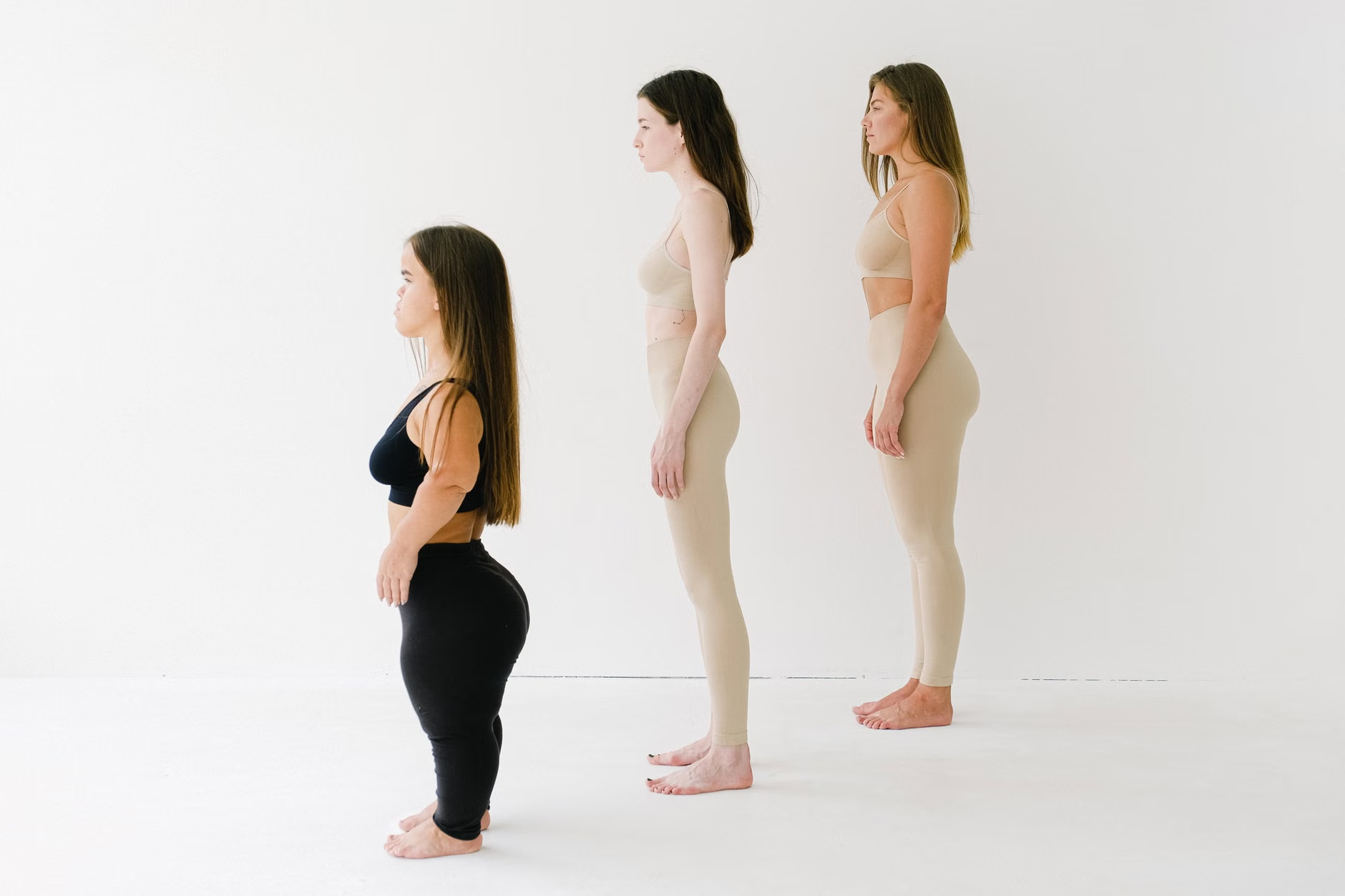
Slouching is a common habit that puts significant pressure on the discs in your lower back. When you practice seated bracing, it is physically difficult to maintain a slumped posture. Bracing forces your pelvis into a neutral position and encourages your spine to lengthen, which reduces the chronic aches associated with sitting for extended periods.
Step-by-Step: How to Perform Seated Abdominal Bracing
Follow these steps to learn the technique. Do this in a quiet environment where you can focus on your body’s sensations.
- Find a Stable Chair: Choose a firm chair that allows your feet to rest flat on the floor with your knees at a 90-degree angle.
- Sit Tall: Imagine a string pulling the crown of your head toward the ceiling. Your ears should be aligned over your shoulders, and your shoulders over your hips.
- Place Your Hands: Place your fingertips on your lower abdomen, just inside your hip bones.
- The Activation: Imagine that someone is about to gently poke your stomach. You want to tense your muscles just enough to resist that pressure, but not so hard that you cannot speak or breathe.
- Check Your Breath: Take a few normal breaths while holding this tension. If you find yourself holding your breath, you are bracing too hard. Ease the tension back by 20 percent.
Common Mistake: Many people tense their chest or shoulders when they try to engage their core. If you feel your shoulders rising toward your ears, focus on relaxing your upper body while keeping the tension localized in your abdomen.
Integrating Bracing into Your Daily Routine
The goal of this practice is not to exercise for an hour, but to make core awareness a subconscious habit. You can “bank” these moments throughout the day.
| Activity | When to Brace | Benefit |
|---|---|---|
| Standing up | Before your glutes leave the chair | Protects the lower back from sudden load |
| Eating/Reading | Every 15 minutes as a reminder | Corrects posture and reduces mid-day fatigue |
| Reaching | Before reaching for an object | Prevents strains from twisting/extending |
| Walking | During the first few minutes of a walk | Sets a stable rhythm for your stride |
This comparison table highlights that bracing is a functional habit. For someone with limited mobility, focusing on the “Standing up” transition is the highest priority for safety. For someone who spends several hours at a computer or reading, the “Eating/Reading” interval is more effective for preventing postural stiffness.
Advanced Considerations: When to Seek Professional Guidance
While abdominal bracing is a safe, foundational movement, it is not a cure for structural spinal conditions such as severe disc herniations, spinal stenosis, or fractures. If you have been diagnosed with these conditions, you must consult with a physical therapist or your primary care physician before beginning any new core-strengthening routine.
Warning Signs for Professional Consultation
If you experience any of the following while attempting these movements, stop immediately and seek advice from a medical professional:
- Sharp, shooting pain down one or both legs.
- Numbness or tingling in the legs or feet.
- Pain that does not improve after resting.
- A feeling of “giving way” or weakness in your knees.
When visiting a professional, bring a written list of when you feel the most discomfort. For example: “I feel pain when I stand up after sitting for more than 30 minutes,” or “I feel a dull ache in my lower back while sitting at the kitchen table.” This helps your physical therapist determine if your bracing technique needs adjustment or if there is an underlying issue that requires specific treatment.
The Hidden Insight: Why “Constant” Bracing is Not the Goal
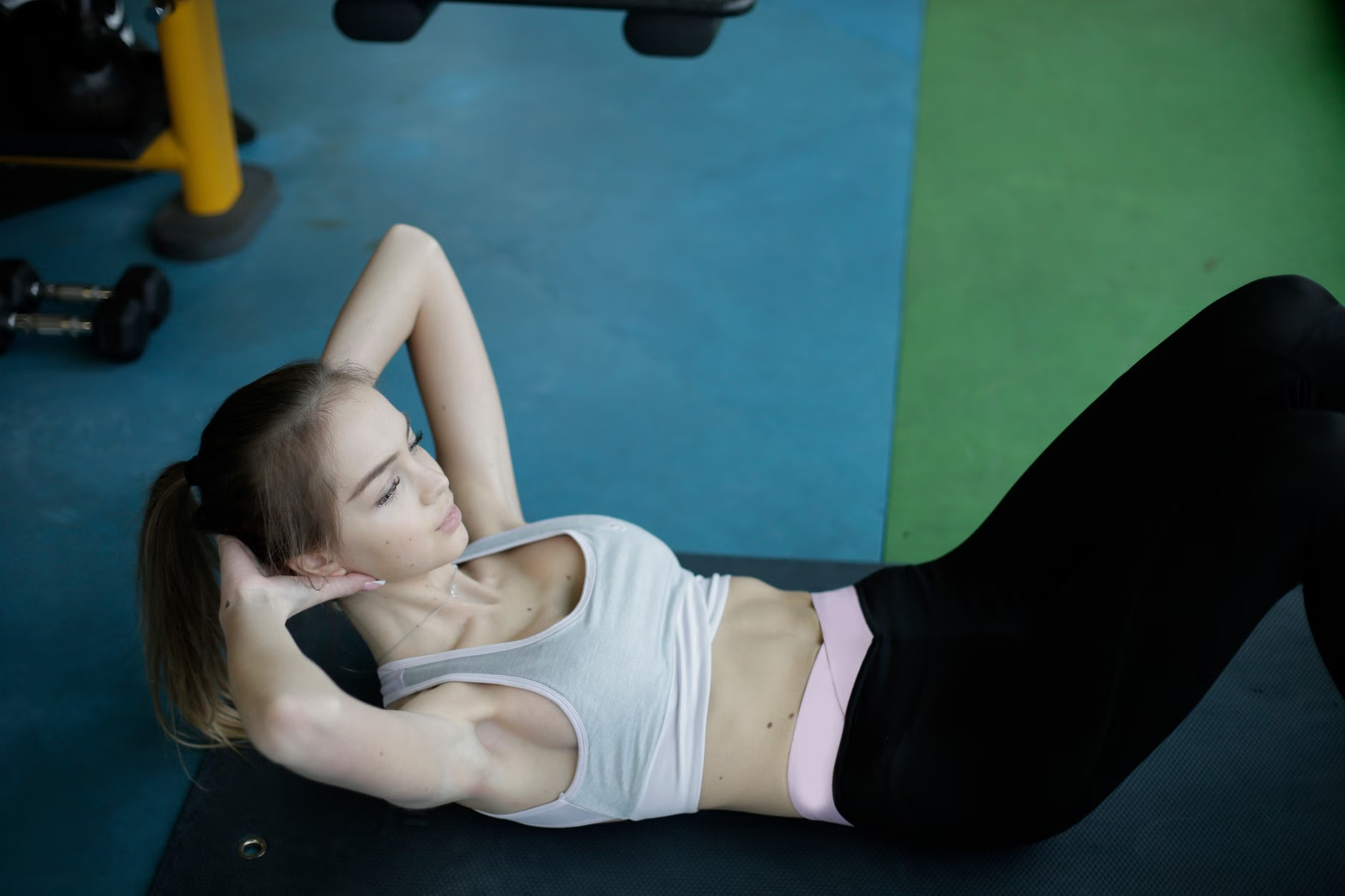
One of the most overlooked variables in core health is the difference between “bracing” and “tension.” You should not be braced 24/7. Your muscles need to relax to recover and allow for natural movement. The goal is functional bracing—activating your core only when it is needed, such as during a transition, a lift, or a change in posture.
If you find yourself constantly tense, you may actually be creating more fatigue. Think of your core as a security system: it should be ready to lock the doors when there is a threat (like picking up a heavy bag), but it doesn’t need to stay locked when you are simply sitting in a safe, comfortable environment. Learning to turn the tension “on” and “off” is the hallmark of a healthy, efficient core.
Conclusion
Seated abdominal bracing is a simple, effective, and free method to improve your physical resilience. By practicing this technique, you are providing your spine with the support it needs to handle the demands of daily life. Start small—try bracing just once every time you sit down or stand up—and notice how your body feels after a week of consistent, gentle practice. Remember, the goal is not to be a fitness expert, but to maintain the stability required to live your life with confidence and ease.
Official Resources and Further Reading
- National Institute on Aging: Exercise and Physical Activity in Everyday Life
- ChoosePT: Physical Therapy Guide for Low Back Pain
Frequently Asked Questions
1. Should I hold my breath while bracing?
No. Holding your breath can increase your blood pressure. You should be able to breathe deeply and rhythmically while maintaining the gentle tension of the brace.
2. Is this the same as doing sit-ups?
No. Sit-ups involve spinal flexion, which can put significant stress on the discs in your lower back. Bracing is an isometric exercise, meaning your muscles engage without moving your spine, which is much safer for most older adults.
3. How long does it take to see results?
Consistency is more important than duration. If you practice the “stand-up brace” every time you get out of a chair, you will likely notice a decrease in low-back “stiffness” within two to three weeks of consistent practice.