- Collagen Structural Integrity: Copper is a mandatory cofactor for the enzyme lysyl oxidase, which cross-links collagen and elastin, preventing skin laxity and supporting joint stability.
- Dietary Focus: You can meet your daily copper requirements (typically 900 mcg for adults) through whole food sources like shellfish, seeds, nuts, and whole grains, rather than high-dose supplements.
- Risk Management: Because copper interacts with zinc and iron absorption, excessive supplementation can lead to imbalances; prioritize a food-first approach and consult your physician before adding concentrated minerals.
For adults aged 60 to 80, maintaining the structural integrity of tissues is a primary component of preventive health. Collagen, the most abundant protein in the human body, provides the scaffolding for skin, tendons, ligaments, and blood vessels. While much attention is often directed toward protein intake or vitamin C, a critical, often-overlooked mineral is essential for collagen to function: copper.
Copper acts as a catalyst for the internal machinery that “cements” collagen fibers together. Without sufficient copper, collagen may be produced, but it lacks the necessary structural cross-linking, leading to increased fragility in connective tissues. This article explores how to integrate copper into your diet safely and effectively to support long-term physical resilience.
Understanding the Role of Copper in Collagen Synthesis
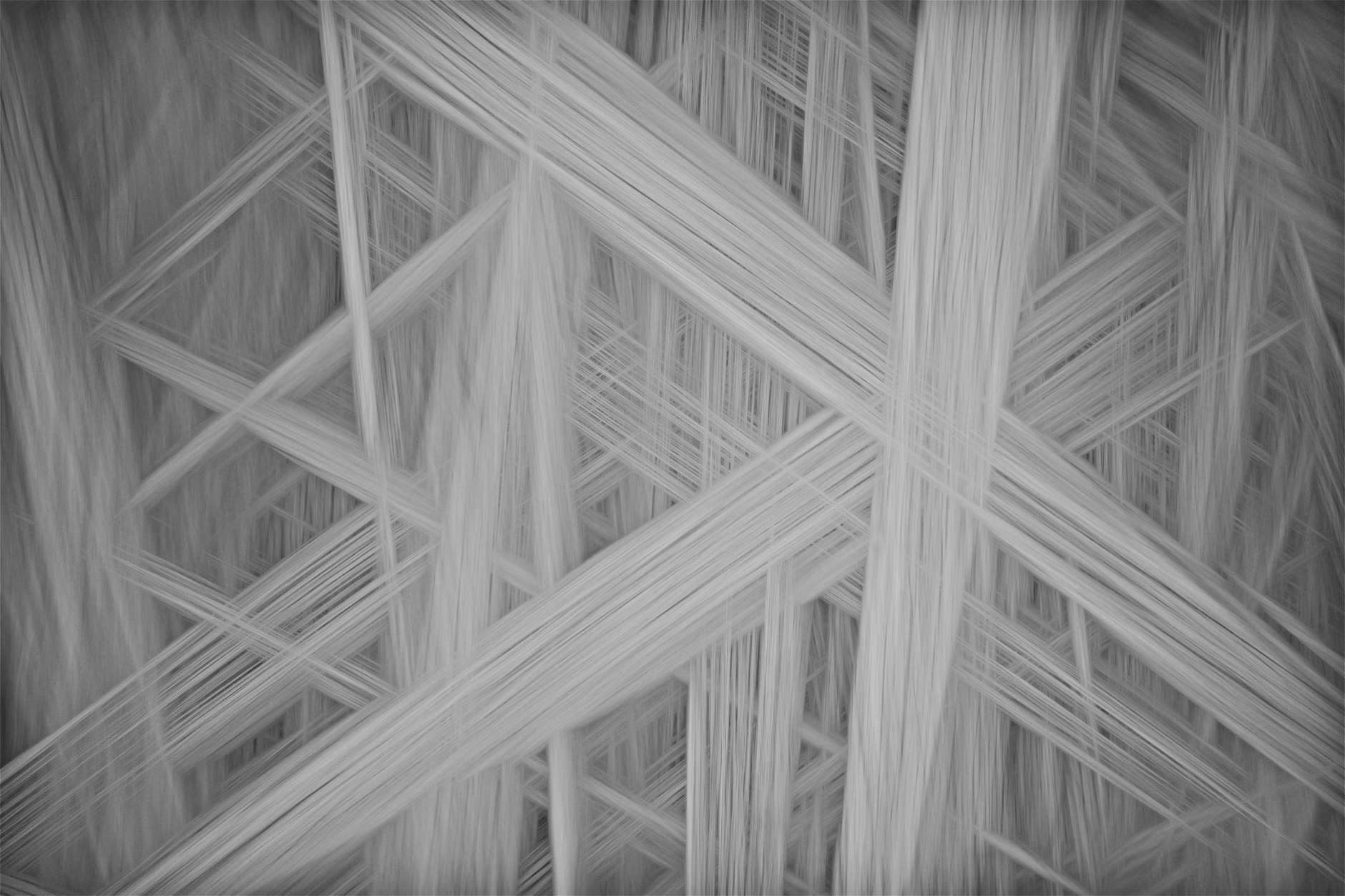
To understand why copper matters, we must look at the “cross-linking” process. Collagen fibers are like ropes; if they are not bound together, they cannot provide strength. The enzyme responsible for this binding is called lysyl oxidase, and it is a copper-dependent enzyme.
When you consume copper, your body uses it to ensure that your connective tissues remain elastic yet firm. In the context of aging, this is vital for several systems:
- Skin Elasticity: Proper collagen cross-linking contributes to the skin’s ability to retain its shape and resilience against environmental stress.
- Joint Stability: Tendons and ligaments rely on robust collagen density to support joint movement and reduce the risk of structural degradation.
- Cardiovascular Integrity: The walls of your arteries contain high concentrations of elastin and collagen. Copper helps maintain the structural strength of these vessels, which is critical as we age.
The Science of Deficiency and Excess
In developed countries, overt copper deficiency is relatively rare but can occur due to malabsorption issues, such as those caused by gastrointestinal surgeries or excessive zinc intake. Conversely, “more is not better” when it comes to mineral supplementation. High levels of supplemental copper can be toxic and may interfere with the absorption of other vital minerals like zinc and iron.
For the senior population, the goal is not to “boost” copper levels to extreme heights but to ensure you are meeting the recommended baseline through nutrition. The National Institutes of Health (NIH) generally suggests a Recommended Dietary Allowance (RDA) of 900 micrograms (mcg) per day for adults. Most balanced diets easily reach this figure without the need for isolated copper pills.
Strategic Dietary Choices for Copper Intake
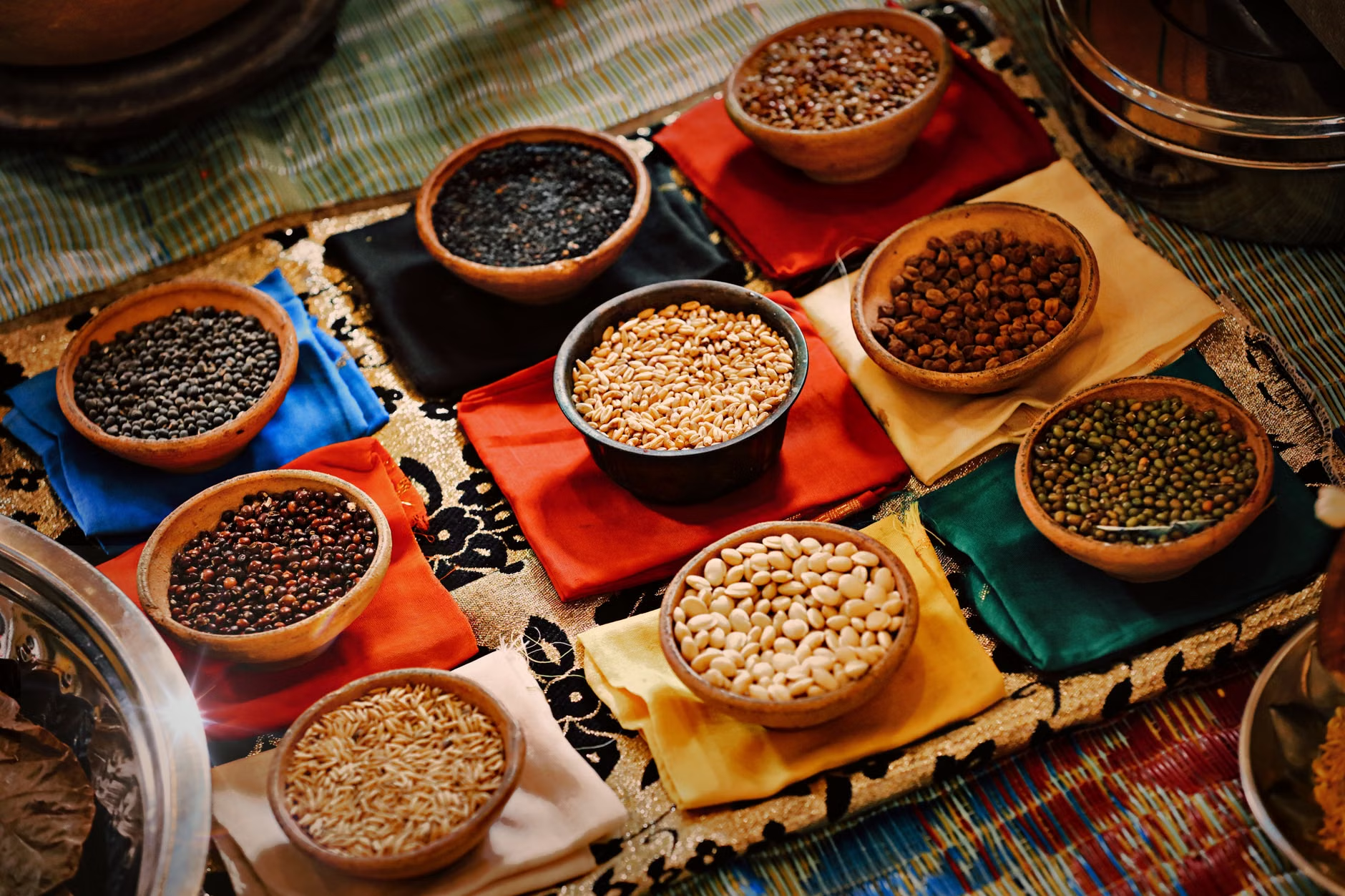
The most reliable way to obtain copper is through a diverse diet. Unlike processed foods, which are often fortified with iron or calcium but rarely copper, whole foods provide this mineral in a bioavailable form.
| Food Source | Approximate Copper Content | Preparation Tip |
|---|---|---|
| Oysters (3 oz) | High (often > 2000 mcg) | Cooked or steamed; ensure freshness. |
| Sunflower Seeds (1 oz) | Moderate (~500 mcg) | Raw or lightly toasted; watch for added salt. |
| Lentils (1 cup, cooked) | Moderate (~500 mcg) | Great in soups; soak to improve digestibility. |
| Cashews (1 oz) | Moderate (~600 mcg) | Eat in moderation due to calorie density. |
| Shiitake Mushrooms (1 cup) | Low-Moderate (~300 mcg) | Sautéed; excellent as a side dish. |
Note: Values are averages. Always check labels for sodium content if you are managing blood pressure.
Practical Implementation in Daily Life
If you are looking to increase your dietary copper, do not force a radical change. Instead, look for “swaps.” For example, if you typically have a snack of processed crackers, swapping them for a small handful of cashews or sunflower seeds significantly increases your mineral intake without adding harmful additives.
When cooking with legumes like lentils, be mindful of the “anti-nutrient” profile. Soaking lentils for a few hours before cooking not only helps with digestion—which is often a concern for older adults—but also makes the minerals more accessible to your body. If you have a sensitive stomach, start with smaller portions of high-fiber, copper-rich foods and gradually increase your intake over several weeks.
Managing Interactions: The Copper-Zinc Balance
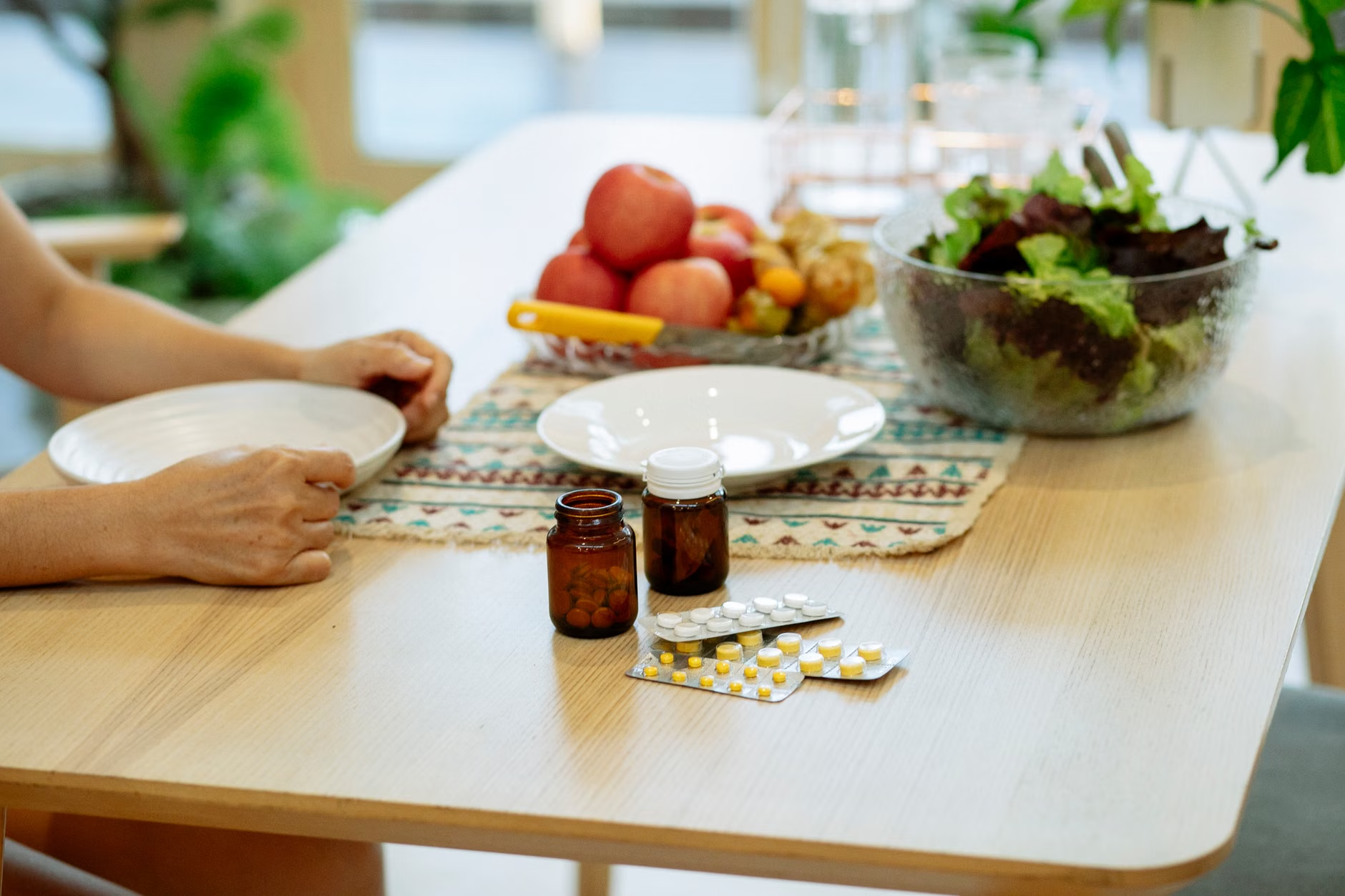
A critical nuance for seniors is the interaction between copper and zinc. Many seniors take zinc supplements to support immune health, particularly during colder months. However, zinc competes with copper for absorption in the small intestine.
If you take a high-dose zinc supplement (often 50mg or higher) for an extended period, you may inadvertently induce a copper deficiency. This is a common, hidden cause of neurological and connective tissue issues in the elderly. If you are currently taking a multivitamin or a dedicated zinc supplement, check the label to see if it includes copper. If you are unsure about your supplement regimen, bring your bottles to your next primary care visit and ask your doctor: “Is the ratio of zinc to copper in my current supplement safe for long-term use?”
When to Consult a Professional
While dietary copper is safe for the vast majority of people, certain conditions require medical oversight. If you have been diagnosed with Wilson’s disease (a rare genetic disorder that causes copper to accumulate in the liver and brain) or have chronic liver or kidney issues, you must consult your physician before altering your diet or taking supplements.
Furthermore, if you notice symptoms such as persistent fatigue, unexplained bruising, or weakness in your joints, do not assume these are simply “signs of aging.” While they can be related to collagen degradation, they can also signal iron-deficiency anemia or other metabolic issues that require blood work to diagnose. Always keep a symptom log—noting when the fatigue or joint pain occurs—to help your healthcare provider make an informed assessment.
The Holistic View: Beyond Just One Mineral
While this article focuses on copper, it is important to remember that collagen maintenance is a team effort. Copper is the catalyst, but it requires raw materials. Vitamin C is essential for the initial synthesis of collagen; without it, the body cannot create the precursor proteins that copper then cross-links. Similarly, adequate protein intake (amino acids) provides the building blocks.
A “copper-rich” diet is only effective if your overall nutritional landscape is balanced. Focus on high-quality proteins, colorful vegetables for Vitamin C, and healthy fats. For those with mobility challenges or limited stamina for cooking, consider “low-effort” copper sources: canned oysters (packed in water), pre-shelled nuts, or frozen vegetables like spinach and mushrooms that can be quickly added to a microwaveable meal.
Conclusion
Preventive health for those aged 60 to 80 is about small, consistent adjustments that support the body’s natural repair mechanisms. By understanding that copper is the “glue” for your collagen, you can make informed decisions about your diet. Prioritize whole foods, be cautious with high-dose mineral supplements, and always coordinate your supplement intake with your medical team to avoid nutrient imbalances.
Your goal is not to turn back the clock, but to provide your body with the chemical tools it needs to maintain structural integrity, mobility, and vitality for as long as possible.
Frequently Asked Questions (FAQ)
1. Should I take a copper supplement to improve my skin and joint health?
Generally, no. Most people obtain sufficient copper through a varied diet. High-dose copper supplements can be toxic and may interfere with the absorption of other essential minerals like zinc. It is safer and more effective to increase your intake through whole foods like nuts, seeds, and shellfish unless a doctor has specifically diagnosed a deficiency and prescribed a supplement.
2. Does cooking destroy the copper in my food?
Copper is a mineral, not a vitamin; it is heat-stable and does not break down like Vitamin C or B-vitamins when cooked. You will retain the copper content regardless of whether you steam, boil, or sauté your foods. The primary risk with cooking is leaching; if you boil vegetables and discard the water, you may lose some minerals into the cooking liquid. Using that liquid for stocks or soups preserves those nutrients.
3. How can I tell if my joint pain is related to collagen issues?
Joint pain is complex and can be caused by inflammation, wear-and-tear, or structural instability. It is impossible to determine the cause based on symptoms alone. If you are experiencing persistent pain, consult a healthcare provider. They may perform blood tests to check for systemic inflammation or assess your nutritional status. Do not attempt to “fix” joint pain with supplements before understanding the root cause, as you may be masking a condition that requires medical treatment.
Official Source References: