Key Takeaways
- Unified Standards: By 2026, many jurisdictions are mandating that health portals must follow strict interoperability and accessibility standards, making it easier for you to access records across different providers.
- Data Portability: You will have greater control over your health data, with requirements for simplified, standardized formats that allow you to move your medical history between specialists more efficiently.
- Security and Consent: New regulations prioritize your digital sovereignty, requiring clearer, plain-language consent forms for data sharing and enhanced multi-factor authentication for portals.
The landscape of digital healthcare is undergoing a significant transformation. As we approach 2026, national health systems in regions like the European Union, the United Kingdom, and parts of North America are finalizing new standards for patient-facing health portals. For older adults, these changes are not just technical updates; they represent a fundamental shift in how you interact with your medical providers, manage your prescriptions, and participate in your own care.
This article explores what these 2026 digital standards mean for your daily health management, why they are being implemented, and the practical steps you can take to prepare for a more connected and secure digital health future.
Understanding the 2026 Digital Health Mandates
In the past, health portals were often fragmented. You might have had one app for your primary care doctor, another for your cardiologist, and a third for your local pharmacy. These systems rarely communicated with each other, leading to “information silos” where your full medical picture was hidden behind incompatible software.
The 2026 standards, often referred to as “Interoperability Frameworks” or “Patient Access Rules,” aim to break these silos. The primary objective is to ensure that your health data follows you, rather than being trapped in a specific hospital’s database. This means that by 2026, software developers must ensure their platforms meet specific criteria for data exchange and user accessibility.
Why Interoperability Matters for Your Care
Interoperability is the ability of different computer systems to exchange and make use of information. For a patient, this translates into a seamless experience. Imagine visiting a new specialist who can instantly view your recent blood work from your primary doctor, or receiving a notification on your phone that a prescription is ready, regardless of which clinic issued it.
The practical change: You will likely notice that your various health portals will start looking and behaving more similarly. Developers are being forced to adopt standardized data formats, such as FHIR (Fast Healthcare Interoperability Resources), which allow different systems to “talk” to one another securely.
Accessibility: Designing for Independence
One of the most critical aspects of the 2026 standards is the mandate for universal accessibility. In the past, many digital health portals were designed with small fonts, low-contrast text, or complex navigation menus that ignored the needs of older adults who might have visual impairments, tremors, or varying degrees of digital literacy.
New regulations now require compliance with international standards such as the Web Content Accessibility Guidelines (WCAG). This means:
- Visual Clarity: High-contrast color schemes and scalable text sizes.
- Navigation: Simple, intuitive menus that avoid “hidden” functions.
- Compatibility: Full support for screen readers and voice-command interfaces.
What this looks like in real life: If you use a tablet to check your lab results, you will no longer have to struggle with tiny buttons. The interfaces will be required to be touch-friendly and clearly labeled. If you have difficulty with fine motor movements, the apps must provide alternative ways to interact, such as larger target areas for clicking or voice-based confirmation.
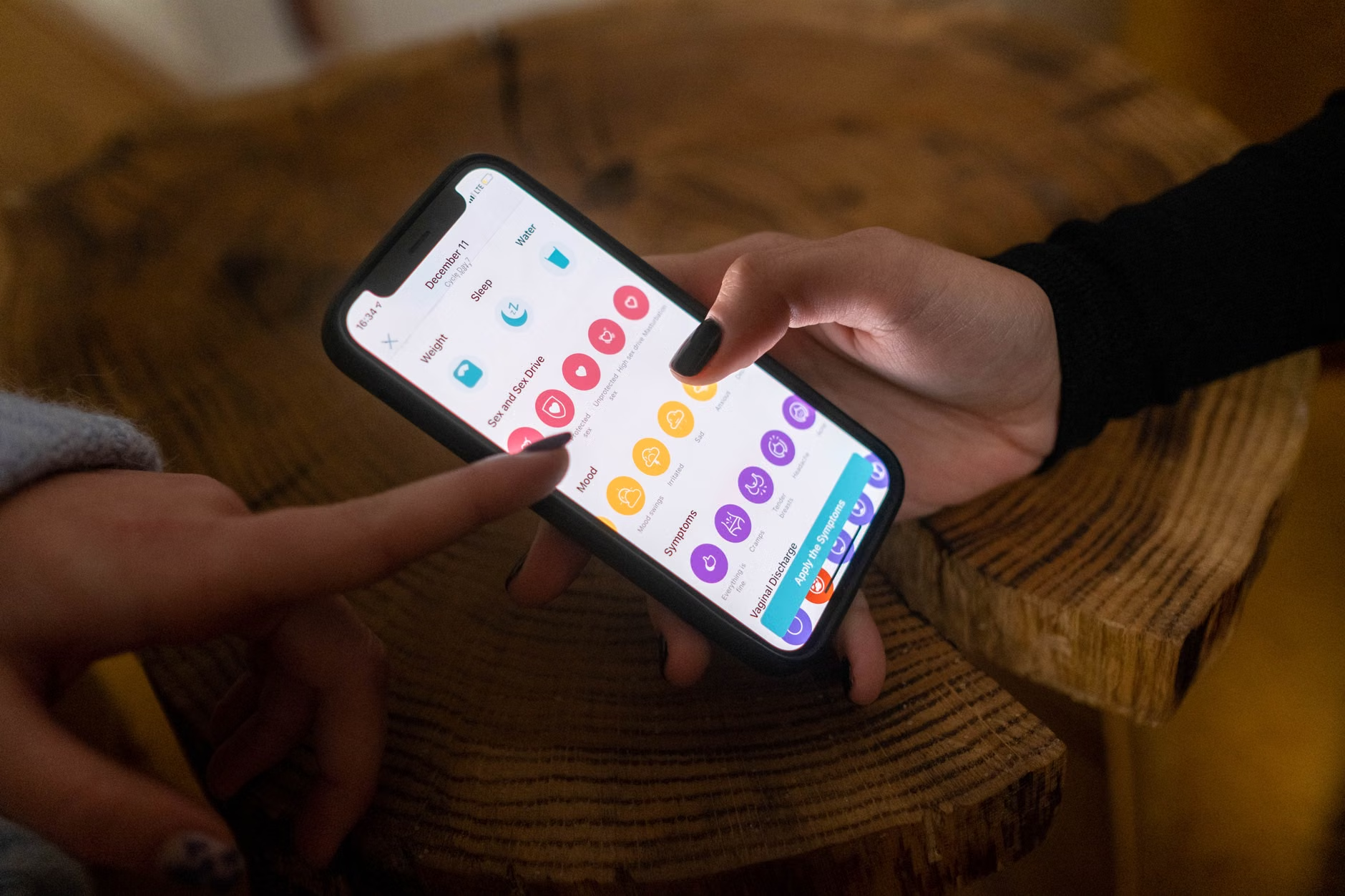
Data Sovereignty and Your Right to Control Information
Perhaps the most significant change is the emphasis on “Patient Data Sovereignty.” By 2026, regulations will require that you have clear, granular control over who sees your health data. This is a move away from the “all-or-nothing” consent forms that were common in the early days of digital health.
Understanding Your Data Rights
You are no longer just a “user” of a portal; you are the owner of your medical record. The upcoming standards mandate that:
- Simplified Consent: You must be given plain-language explanations of what data is being shared and for what purpose.
- Right to Amend: If you notice an error in your record—such as an incorrect medication dosage—there must be a clear, digital process to request an amendment.
- Easy Downloads: You must be able to export your entire medical history in a machine-readable format, such as a PDF or a standardized digital file, to share with a family member or a new healthcare provider.
A practical decision rule: When you log into your portal, look for a “Privacy Dashboard” or “Data Sharing” section. If you cannot find this, it is an indication that the portal may not yet be fully compliant with the 2026 vision of patient empowerment. You have the right to ask your provider’s IT department or practice manager how they plan to meet these upcoming transparency requirements.
Security: Moving Beyond Simple Passwords
With more data being shared, security is paramount. The 2026 standards mandate the implementation of “Strong Authentication.” This means that relying solely on a password, which can be forgotten or stolen, will no longer be considered sufficient.
Most portals will move toward Multi-Factor Authentication (MFA). This involves two steps: something you know (your password) and something you have (a code sent to your phone or an app on your device). While this might feel like an extra step, it is the most effective way to protect your sensitive health information from unauthorized access.
Practical Steps to Stay Secure
| Action | Why it Matters | How to Do It |
|---|---|---|
| Enable MFA | Prevents account takeovers even if your password is leaked. | Check your portal’s “Security” or “Profile” settings. |
| Use a Password Manager | Eliminates the need to memorize complex passwords. | Use a reputable, encrypted manager like Bitwarden or 1Password. |
| Review Activity Logs | Identifies suspicious logins from unknown devices. | Check the “Recent Activity” tab in your portal settings. |
Note: If you feel overwhelmed by these security measures, contact your provider’s office. Many clinics are now required to provide “Digital Health Navigators”—staff trained to help patients set up and use their accounts securely.

Preparing for the Transition: A Checklist for Patients
You do not need to wait until 2026 to start preparing for these changes. By taking proactive steps now, you can ensure that your health records are organized and that you are comfortable with the technology involved.
1. Conduct a Digital Audit
List every portal you currently use. Identify which ones are difficult to use or lack basic features like appointment scheduling or prescription refills. If a provider uses an outdated system, ask them if they have a roadmap for upgrading to a more modern, patient-friendly portal.
2. Consolidate Your Information
Start a “Health Passport.” This can be a physical notebook or a digital document on your computer that contains your current medications, allergies, recent surgeries, and the contact information for all your specialists. When the new 2026 standards make it easier to export your data, you can use this document to cross-verify that all your records have been transferred correctly.
3. Practice with Trusted Support
If you are not confident with digital tools, do not wait until you have a health emergency to learn. Practice using your health portal with a family member or a caregiver. Walk through the steps of viewing a lab result or sending a secure message to your doctor. Familiarity reduces anxiety and increases your ability to advocate for yourself.
Addressing Common Misconceptions
There are several myths surrounding the digitalization of healthcare that often cause unnecessary worry among older adults.
Myth: “Digital health means I will never see my doctor in person again.”
Fact: Digital portals are designed to support, not replace, in-person care. They are tools for administrative tasks—scheduling, viewing records, and non-urgent communication—which frees up time during your actual appointments for more meaningful face-to-face discussions.
Myth: “My data will be sold to advertisers.”
Fact: Legally mandated health portals are governed by strict medical privacy laws (such as HIPAA in the US or GDPR in the EU). These laws specifically prohibit the sale of your protected health information. Always read the privacy policy, but understand that these portals are held to a much higher standard than typical social media or shopping apps.

While the 2026 standards aim for universality, the implementation will vary by region and even by individual health system. You may encounter “growing pains” during this transition.
What to do if you encounter technical barriers
If you find that a new portal update has made it harder to access your information, you have the right to provide feedback. Most health systems have a Patient Advocate or an Ombudsman office. Use these resources if you feel your access to care is being hindered by poor digital design. You are an essential stakeholder in this system, and your feedback is necessary for these platforms to improve.
The “Human” Element of Care
As we rely more on digital tools, it is easy to forget the importance of the human element. The 2026 standards are not intended to replace the relationship between you and your healthcare provider. If you feel that your doctor is relying too much on the computer during your visit, it is perfectly acceptable to say, “I would like to focus on our conversation now; can we review the digital records at the end of the visit?”
Conclusion: Empowering Your Health Journey
The move toward standardized, accessible, and secure digital health portals by 2026 is a positive step for older adults worldwide. By embracing these changes, you gain the ability to manage your health with greater autonomy and precision. You are no longer just a passive recipient of care; you are an active participant in a connected, transparent system.
Remember that technology is a tool, and you are the pilot. Take the time to learn the systems, prioritize your security, and don’t be afraid to ask for help from your healthcare team. The goal of these standards is to give you more time for what truly matters: living a healthy, active, and fulfilling life.
Frequently Asked Questions
1. Will I be forced to use these digital portals to get care?
No. While health systems are moving toward digital-first communication, you retain the right to traditional communication methods. If you have difficulty using digital tools, inform your provider’s office. They are obligated to provide reasonable accommodations to ensure you can access your medical information and manage your care.
2. What if my doctor’s office is too small to afford these new digital systems?
The 2026 standards generally apply to all healthcare entities that handle digital records. Many governments are providing subsidies or cloud-based solutions specifically for smaller practices to ensure they can meet these standards without a massive financial burden. If your doctor mentions cost, it is likely a short-term transition issue rather than a permanent barrier to your care.
3. Can I give my family member access to my portal?
Yes, most modern health portals offer “Proxy Access” or “Caregiver Access.” This allows you to legally authorize a family member or caregiver to view your records, book appointments, and communicate with your doctor on your behalf. You should be able to manage this access through the “Permissions” or “Sharing” settings in your portal, and you can revoke this access at any time.
For further reading on national digital health strategies, you may consult the European Commission’s eHealth policies or the UK’s Data Saves Lives strategy, which serve as foundational models for many global initiatives.