- Cognitive Engagement: Analyzing local history triggers active recall, critical thinking, and pattern recognition, which are vital for maintaining brain health.
- Social Integration: History circles act as “third places” that foster intergenerational connections and combat social isolation through shared purpose.
- Practical Contribution: Beyond personal enjoyment, these groups provide a tangible service by archiving community memory that would otherwise be lost to time.
The Power of Local History in Modern Life
For many adults entering their sixties, seventies, and beyond, the search for meaningful leisure often leads back to the very ground they stand on. Local history circles—groups dedicated to researching, documenting, and sharing the stories of a specific neighborhood, town, or city—offer far more than just a trip down memory lane. They provide a structured, intellectually stimulating environment that connects individuals to their community while fostering significant mental and social health benefits.
This article explores why these groups are a premier choice for active seniors, how they function, and how you can find or start one that matches your interests and mobility needs.
Why Local History Circles Are More Than Just “Looking Back”
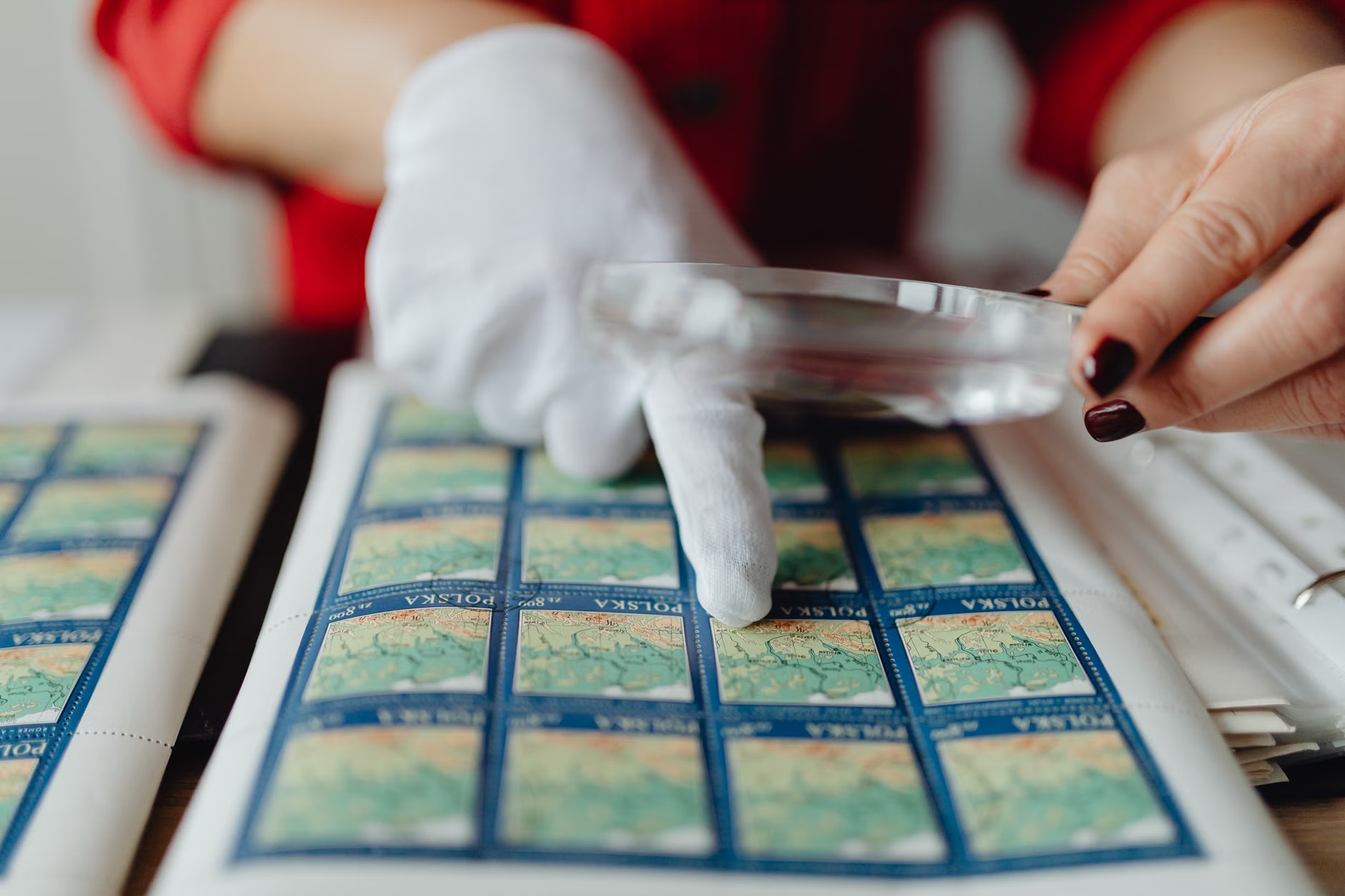
It is a common misconception that history circles are passive activities where members simply reminisce. In reality, they are active, research-based endeavors. When you engage in local history, you are essentially acting as a community archivist. This requires a specific set of cognitive skills that keep the mind sharp.
The Cognitive Benefits of Historical Inquiry
Engaging with historical records requires active analysis. Whether you are cross-referencing census data from 1950, identifying individuals in a faded photograph, or mapping the evolution of a local train station, your brain is performing complex tasks:
- Pattern Recognition: Connecting how local economic changes affected family life across decades.
- Spatial Reasoning: Comparing historical maps to modern urban layouts.
- Critical Thinking: Evaluating the reliability of oral histories versus written archives.
Research suggests that engaging in “complex learning”—activities that require sustained attention and the synthesis of new information—is a key factor in cognitive reserve, which may help delay the onset of cognitive decline. Unlike passive entertainment, history circles demand that you synthesize information, debate findings, and contribute to a collective narrative.
Social isolation is a significant health risk for older adults, often leading to increased stress and physical health issues. While generic social clubs are helpful, they often lack a “hook” or central goal. History circles provide a shared objective. When you are working together to identify an unknown building in a photograph, you are not just socializing; you are collaborating. This shared purpose builds stronger, more authentic bonds than incidental small talk.
How to Choose the Right History Circle
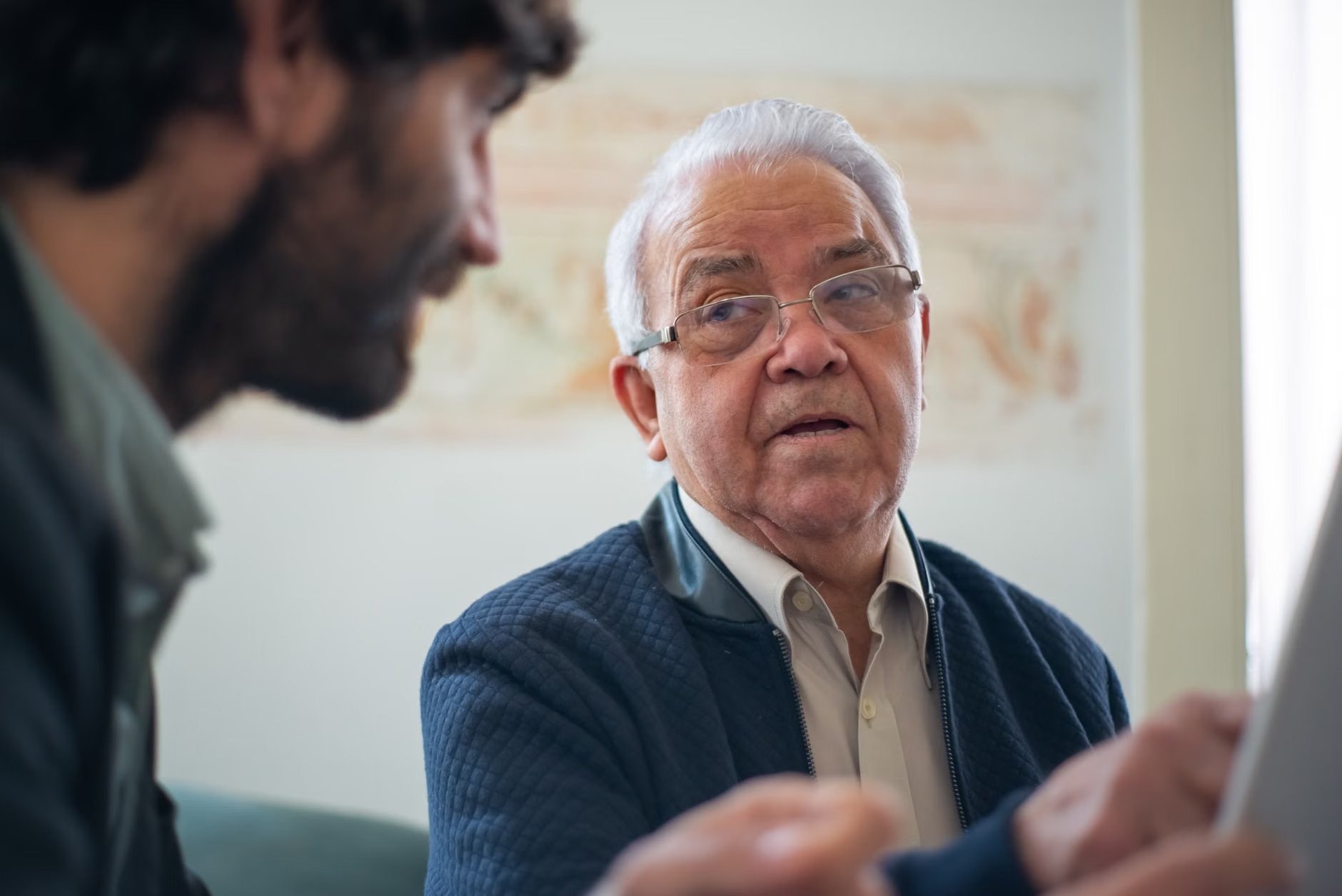
Not all history groups are the same. Some are highly academic, focusing on rigorous archival research, while others are informal social groups that meet in cafes to share stories. Before committing, consider your personal goals and physical capabilities.
| Group Type | Focus | Physical Requirement |
|---|---|---|
| Archival/Research Group | Documenting, digitizing, cataloging. | Low (mostly sitting/desk work). |
| Field/Walking Group | Visiting historical sites and landmarks. | Moderate to High (walking/standing). |
| Oral History Project | Interviewing long-time residents. | Low (requires conversation skills). |
If you have limited mobility, choose a group that focuses on digitization or oral history. These roles are essential and can often be performed from home or in accessible community centers. If you prefer to stay active and enjoy light walking, a field-based group that focuses on local landmarks may be better suited to your needs.
Practical Steps to Get Started
If you are ready to join or start a group, here is a practical framework to ensure you find a sustainable and enjoyable experience.
1. Assessing the Local Landscape
Start by checking your local library or municipal archives. These institutions are the hubs of local history. They often host existing clubs or can direct you to local historical societies. You can also search online using terms like “[City Name] Historical Society” or “[Neighborhood Name] History Group.”
2. The “First Meeting” Checklist
When attending your first meeting, observe the following to determine if the group is a good fit:
- Accessibility: Is the meeting space wheelchair accessible? Are there adequate toilets and seating?
- Pacing: Does the group move too fast, or do they allow for thoughtful discussion?
- Inclusivity: Does the group value new members’ contributions, or is it dominated by a few long-term members?
- Technology: If the group uses digital tools (like scanning software or databases), do they offer support for those who are less tech-savvy?
3. Starting Your Own Small Circle
If you cannot find a group that fits your needs, starting one is often easier than expected. You don’t need a massive budget or a formal organization. Simply invite three or four neighbors to meet once a month to discuss a specific local topic—for example, “How our main street has changed since 1970.”

Ensuring Accessibility and Safety in Historical Exploration
When participating in history-related outings, safety and comfort are paramount. If your chosen group conducts field trips, always clarify the itinerary in advance. Ask about the “three pillars of accessibility”:
- Terrain: Will you be walking on uneven cobblestones or steep inclines?
- Rest Points: Are there scheduled breaks with available seating?
- Transport: Is the location accessible by public transit, or is there adequate, close-proximity parking?
Common Mistake: Many people assume that because a site is “historical,” it will be difficult to navigate. While this is often true, many modern historical societies have invested in accessibility upgrades. Always call ahead to ask specifically about elevator access or the availability of benches. Do not hesitate to ask for a “mobility-friendly” itinerary if the group plans to visit multiple sites.
The Hidden Variable: Digital Literacy as an Asset
One of the most overlooked aspects of modern history circles is the role of digital archiving. Many local groups are currently moving their physical records (photos, letters, maps) into digital databases. This presents a unique opportunity for seniors to learn new digital skills in a low-pressure, high-interest environment.
Learning how to use a digital scanner or a cloud-based photo storage service to preserve your community’s history is not just a service—it is a way to bridge the “digital divide” while working alongside younger volunteers or family members who may also be interested in the project.
Deepening Your Contribution: Beyond the Surface
As you become more involved, you may find that local history is not just about the past; it is about the future of your community. Many history circles provide testimony at city planning meetings regarding the preservation of heritage sites. By participating in these circles, you gain the knowledge and the social platform to advocate for your neighborhood’s character. This sense of agency—the belief that your actions can influence your immediate environment—is a powerful contributor to mental well-being in the later stages of life.
Furthermore, consider the intergenerational potential. If you have grandchildren or young neighbors, invite them to help you with a research project. Teaching a younger person how to read a historical document or how to interview a neighbor creates a unique bond that transcends age and provides the younger generation with a sense of roots and identity.
Conclusion: The Value of Your Perspective
Your life experience is a historical asset. You have witnessed shifts in technology, culture, and urban development that younger generations only know from textbooks. By joining a local history circle, you aren’t just “killing time”—you are preserving the collective memory of your community and ensuring that the stories of the past continue to inform the future.
Start by identifying one local landmark or historical question that has always intrigued you. Use that as your entry point. Whether you join an existing group or start a small, informal gathering in your living room, the act of engagement is the most important step. Prioritize groups that align with your physical mobility and social comfort, and remember that your contribution—no matter how small—is essential to the historical record.
Frequently Asked Questions
1. Do I need a background in history to join a local history circle?
Absolutely not. Most community history circles value curiosity and a willingness to help over formal academic training. Many groups rely on the diverse life experiences of their members to interpret records and photographs.
2. How do I find out if my local area has a historical society?
A great first step is to visit your local municipal library. Librarians are often the gatekeepers of local history and can provide contact information for existing societies or even help you find space to start your own.
3. What if I am not comfortable with technology?
Many history groups are very traditional and rely on physical archives, scrapbooks, and face-to-face meetings. If you do encounter digital tools, they are often used as simple aids. You can always ask for a “buddy” or mentor within the group to help you navigate any technology you might find challenging.
Official resources for further exploration: