Key Takeaways
- Social Vitality: Repair cafes move beyond simple maintenance; they function as “third spaces” that combat isolation by fostering intergenerational and peer-to-peer connection.
- Practical Sustainability: Participating in repair culture saves money on replacement costs and diverts waste from landfills, directly contributing to a circular economy.
- Skill Preservation: These spaces allow older adults to pass on irreplaceable craftsmanship and mechanical knowledge to younger generations, while simultaneously learning modern troubleshooting techniques.
For many, the act of fixing a broken object—a wobbling chair, a stalled toaster, or a torn garment—is more than a chore. It is an act of preservation. In an era where “replace rather than repair” has become the default consumer behavior, community repair cafes have emerged as vital hubs that challenge this cycle. For adults aged 60 to 80, these spaces offer a profound opportunity to engage in meaningful leisure, maintain cognitive sharpness, and build lasting social connections.
The Evolution of the Repair Cafe Concept
The modern repair cafe movement, which gained significant traction in the Netherlands in 2009, is rooted in the philosophy of the “Right to Repair.” It is a grassroots initiative where volunteers with technical skills—ranging from electrical engineering to sewing and woodworking—meet to help their neighbors fix broken household items for free.
For the older generation, this movement often feels like a return to a more intuitive way of life. Many who grew up in the mid-20th century are inherently familiar with the “make do and mend” ethos. Repair cafes allow this knowledge to be formalized and shared. It is not just about the object; it is about the transfer of wisdom from those who have decades of experience to those who may have never held a soldering iron.
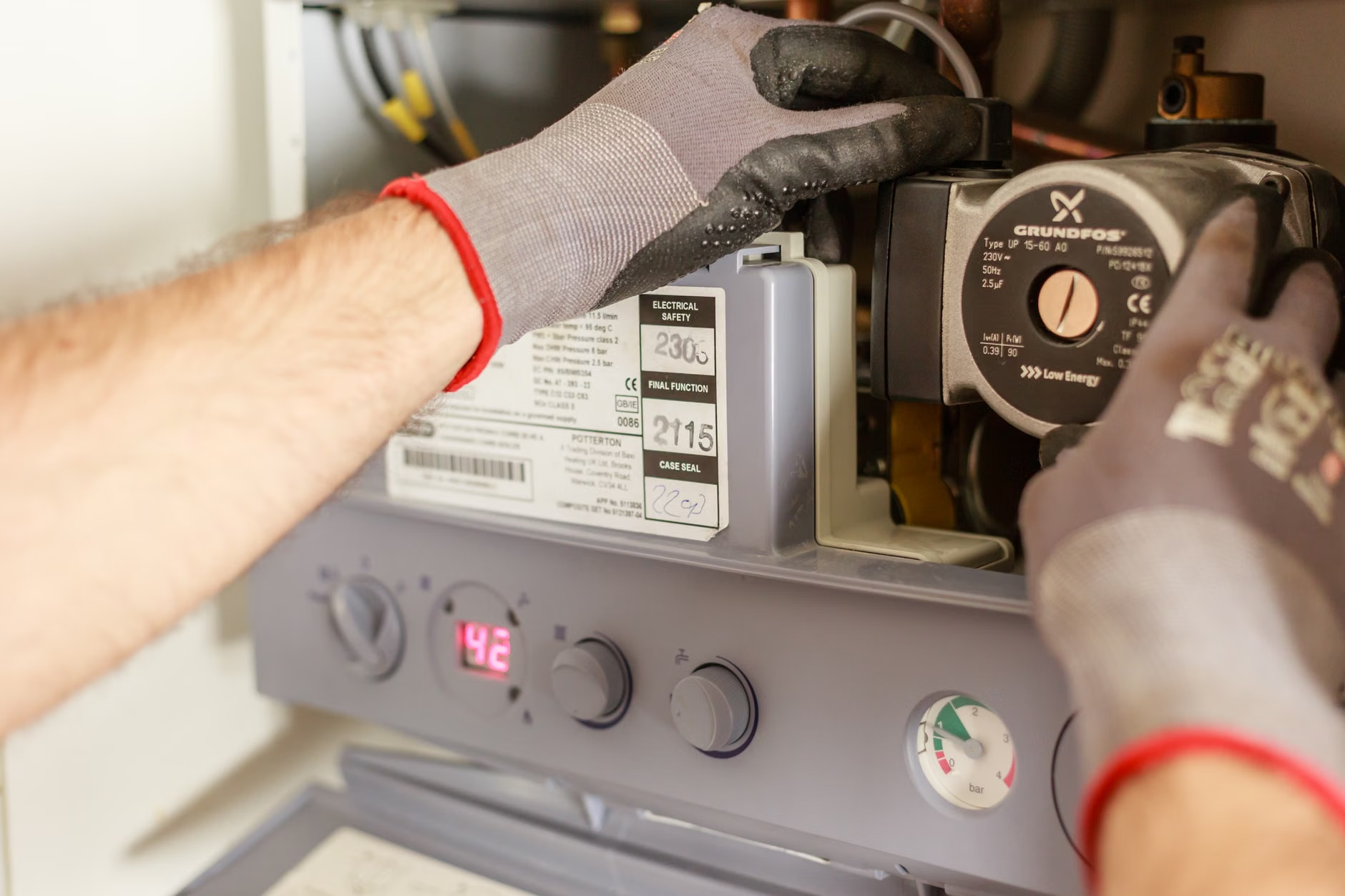
Why Repair Cafes Are Ideal for Active Aging
Retirement and the transition to later life can sometimes create a void in daily structure and social interaction. Repair cafes fill this gap by providing a regular, low-pressure environment that demands cognitive engagement and physical dexterity.
Cognitive Benefits of Troubleshooting
Diagnosing why a vacuum cleaner has lost suction or why a lamp won’t light requires logical reasoning, pattern recognition, and patience. These activities act as “brain gym” exercises. Unlike passive entertainment, these tasks require active problem-solving, which has been shown to support neuroplasticity and cognitive resilience.
Combating Social Isolation
The social value of these cafes is perhaps their most overlooked benefit. Unlike a traditional hobby group, a repair cafe is inherently collaborative. You are rarely working in a vacuum; you are working alongside a volunteer or a person seeking help. This shared purpose acts as a social lubricant, making it easier to strike up conversations without the awkwardness of forced interaction.
Physical Engagement and Dexterity
Working with tools requires fine motor skills—manipulating screws, threading needles, or sanding wood. For those looking to maintain hand-eye coordination and manual dexterity, the workshop environment provides a functional, meaningful way to stay active without the intensity of a formal fitness program.
The Practical Dynamics: What to Expect
If you are considering visiting or volunteering at a repair cafe, it is helpful to understand the structure. These are not commercial repair shops. They are community events, usually hosted in libraries, community centers, or church halls.
| Feature | Traditional Repair Shop | Community Repair Cafe |
|---|---|---|
| Cost | Service fee + parts | Free (donations encouraged) |
| Role of Owner | Drop-off and pick-up | Active participant in the repair |
| Social Aspect | Transactional | Collaborative and educational |
| Primary Goal | Efficiency/Profit | Sustainability/Skill-sharing |
The key difference for the reader is the participatory requirement. At a repair cafe, you are expected to stay with your item. The volunteer does not just fix it for you; they teach you how it works and how to fix it yourself. If you have mobility concerns, ensure the venue is accessible. Most public community centers are, but it is always worth checking if the tables are at an appropriate height for standing or seated work.

Safety is the primary concern in any workshop environment. Whether you are a visitor or a volunteer, basic safety protocols are non-negotiable. If you are participating, here are the common safety standards to keep in mind:
- Electrical Safety: Never attempt to repair an item that is still plugged into a wall outlet. Ensure capacitors are discharged before touching internal components.
- Proper Lighting: Always work in a space with ample, focused lighting. If your vision is not what it used to be, bring a magnifying lamp or your task glasses.
- Ergonomics: Do not hunch over a project for hours. Take a break every 30 minutes to stretch your back, neck, and shoulders.
- Tool Maintenance: A dull tool is more dangerous than a sharp one because it requires more force, increasing the risk of slipping.
If you are a volunteer, you are not expected to be a master of all trades. Most repair cafes have a “triage” system where items are assessed for feasibility. If an item is too complex, damaged beyond repair, or presents a significant safety hazard (like a leaking lithium battery or a high-voltage microwave capacitor), the volunteer should have the authority to decline the repair. Knowing your limits is a sign of professionalism, not a failure of skill.
Getting Started: How to Find or Start a Group
Finding a local repair cafe is easier than ever thanks to global directories. The most prominent network is Repair Cafe International, which maintains a worldwide database of events.
Steps to Join Your First Cafe
- Search the Directory: Visit Repair Cafe International’s website to search by your country or city.
- Check the Schedule: Most cafes meet once a month. Confirm the date and the types of items they accept (e.g., some only do electronics, others specialize in textiles or furniture).
- Prepare the Item: Clean the item before you bring it. If it is an electronic device, bring the power cable and any manuals you might still have.
- Register: Many cafes require prior registration to manage the flow of volunteers and visitors.
If there is no cafe in your area, you might consider starting one. This is a significant undertaking but highly rewarding. You will need a venue, a core team of skilled volunteers, and a basic collection of tools. Partnering with a local library or a senior center is often the most effective way to secure a space and reach your target audience.
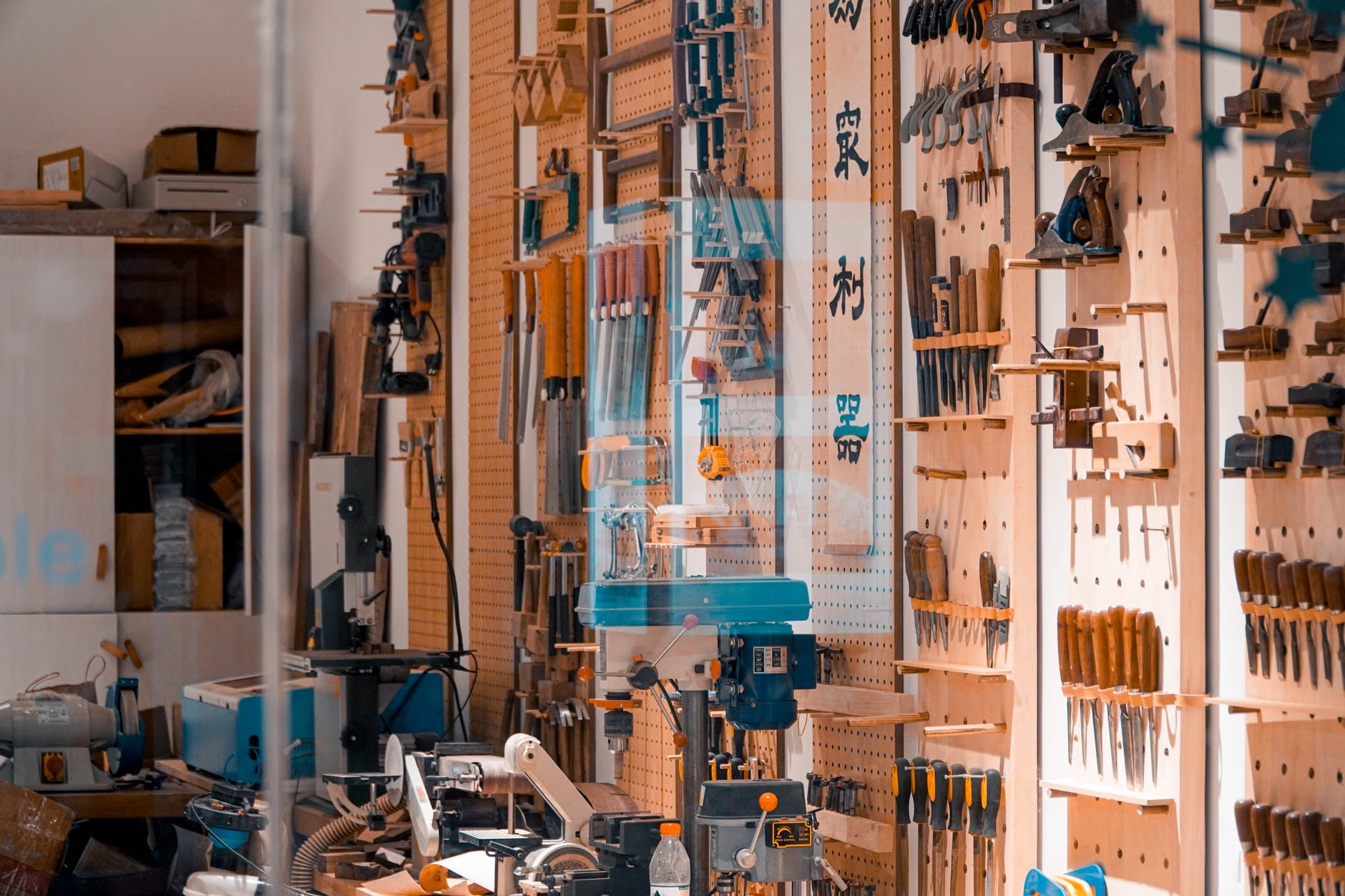
Beyond the Repair: The Ripple Effect of Sustainability
While the immediate goal is fixing an object, the long-term impact is cultural. By participating in these cafes, you are helping to shift the narrative from consumption to stewardship. Every item repaired is one less item destined for a landfill, and the resources required to produce a new replacement are saved.
For the older adult, this is a way to leave a legacy. The knowledge of how to maintain a mechanical watch, mend a wool sweater, or restore a wooden cabinet is a form of cultural heritage. When you share these skills with a younger person, you are performing a vital service that keeps traditional craftsmanship alive in a digital world.
Common Pitfalls and How to Avoid Them
One common mistake is expecting that every item can be fixed. Some modern products are designed to be “unrepairable” by manufacturers (e.g., glued-shut casings, proprietary screws). If a volunteer tells you an item cannot be fixed, accept their assessment gracefully. The goal is to learn and connect, not to achieve a 100% success rate on every repair.
Another pitfall is the assumption that you need advanced technical skills to be a participant. While skilled volunteers are essential, there is also a need for people to manage the reception, coordinate the flow of visitors, and provide refreshments. These roles are just as critical to the social fabric of the cafe as the actual repair work.
Conclusion: A New Chapter in Leisure
Community repair cafes represent a unique intersection of sustainability, social connection, and lifelong learning. For those in their 60s, 70s, and 80s, these spaces provide more than just a place to fix a broken toaster; they offer a sense of belonging and a platform to contribute meaningful value to the community.
By stepping into a repair cafe, you are choosing to be an active participant in your community rather than a passive consumer. You are choosing to value the history of the objects you own and the connections you build with the people around you. Whether you come to learn a new skill or to pass on a lifetime of expertise, the repair cafe is a welcoming space where every contribution is valued, and every fix tells a story.
Frequently Asked Questions
1. Do I need to have professional technical experience to volunteer at a repair cafe?
Not necessarily. While people with backgrounds in engineering, carpentry, or sewing are highly valued, many roles focus on organization, visitor management, or basic assistance. If you have a willingness to learn and a patient demeanor, you can find a role that suits your comfort level.
2. Is it safe to bring electrical items to a repair cafe?
Yes, reputable repair cafes follow strict safety protocols. Volunteers are usually experienced in identifying risks. However, you should always be present during the repair to ensure you understand the safety measures taken. If you are uncomfortable with an item’s condition, you are never obligated to proceed with the repair.
3. What if I have limited mobility? Can I still participate?
Most repair cafes are held in community-accessible buildings with seating available. If you have specific needs, it is recommended that you contact the event organizers in advance. They are generally very accommodating and can ensure that you are assigned a station that minimizes standing or walking.
Disclaimer: This article is for informational purposes and does not constitute professional advice. Always prioritize safety when using tools or working with electrical devices. Consult with local event organizers regarding specific accessibility and safety policies in your region.