- Verify Gangway Specs: River cruise boarding is highly dependent on water levels; always confirm if a ship uses a fixed ramp or requires step-climbing during low or high tide conditions.
- Prioritize Cabin Location: For those with limited stamina, prioritize cabins near mid-ship elevators to minimize transit time to dining and boarding decks.
- Proactive Communication: Inform the cruise line of specific mobility requirements at least 60 days before departure to ensure staff can arrange dedicated assistance during port stops.
River cruising offers a uniquely intimate way to explore the world’s waterways, bypassing the overwhelming size of ocean liners. However, the smaller scale of river vessels creates a specific set of challenges regarding accessibility, particularly during the boarding process. Unlike large cruise terminals that feature standardized, climate-controlled gangways, river cruise boarding often involves variable ramps that change based on river water levels and local port infrastructure.
For travelers aged 60 to 80, understanding these mechanics is essential for ensuring both safety and comfort. This guide explores the practical realities of boarding river cruises, how to assess your personal mobility needs against ship specifications, and how to navigate the logistical hurdles of European and international river travel.
Understanding the Mechanics of River Cruise Boarding
The primary difference between ocean and river cruise accessibility lies in the infrastructure of the docks. Ocean ships use massive, automated gangways that remain level regardless of the ship’s position. River ships, by contrast, must navigate fluctuating water levels and often dock against other ships (rafting), which can make the boarding experience more dynamic.
The Challenge of Variable Gangways
When a river cruise ship docks, the gangway—the bridge between the shore and the ship—must be adjusted. In ideal conditions, this is a flat, wide ramp. However, during periods of high or low water, or when multiple ships are tied together, the gangway might become steep or require navigating a series of steps to move from one ship to another.
What this looks like in real life: If you are traveling on the Rhine or Danube during a dry summer, water levels may drop significantly. This forces the ship to sit lower in the water relative to the dock, creating a steeper incline for the boarding ramp. If you use a cane or walker, this incline can become a significant physical barrier that requires assistance from crew members.
The “Rafting” Phenomenon
In popular ports, ships often “raft” together, meaning one ship docks alongside another. To reach the shore, you may need to walk across the decks of two or three other ships before reaching the pier. While crew members are trained to assist, this process involves navigating thresholds, potential gaps between ships, and varied deck surfaces.
| Scenario | Accessibility Level | Action Required |
|---|---|---|
| Standard Docking | High | Standard ramp usage; crew assistance available. |
| Rafted Docking | Moderate | Requires crossing multiple decks; request crew escort. |
| Extreme Water Levels | Low | Expect steep inclines; confirm “step-free” availability with cruise line. |
The table above illustrates why it is important to communicate your mobility limitations well in advance. If you have difficulty with inclines, the cruise line may be able to prioritize your boarding time or provide a more stable, assisted route.
Selecting the Right Ship for Your Mobility Needs
Not all river cruise ships are created equal. When booking, the architectural layout of the vessel is just as important as the itinerary. Many newer ships are designed with accessibility in mind, but legacy vessels may have limitations that are not immediately obvious on a brochure.
Evaluating Deck Plans for Accessibility
When reviewing a ship’s deck plan, look for the following:
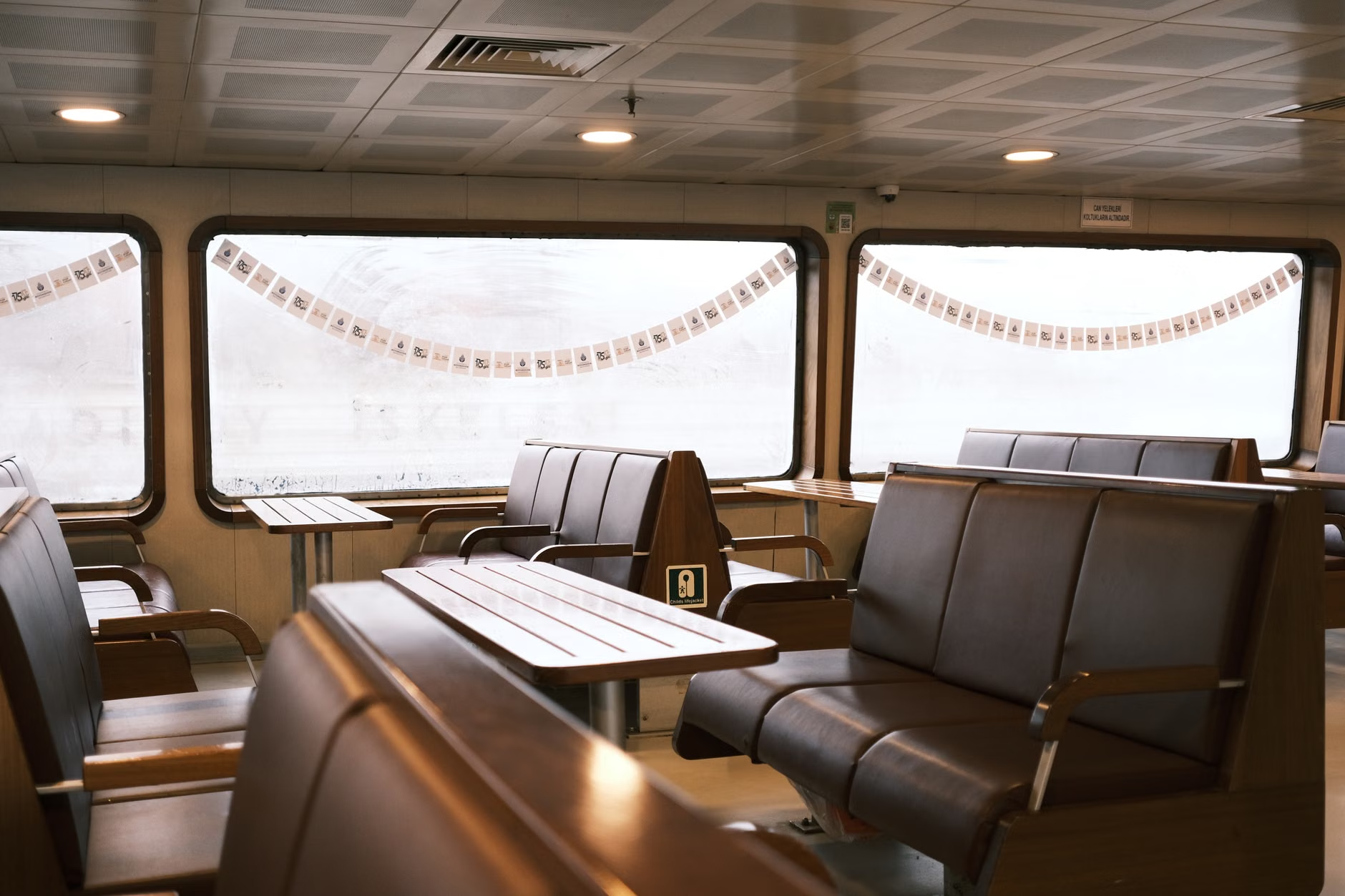
- Elevator Reach: Ensure the ship’s elevator serves all passenger decks. Some smaller, older ships do not have elevators that reach the top sun deck, which may limit your access to the best views.
- Cabin Proximity: If you experience fatigue, choose a cabin located in the middle of the ship, close to the elevator bank. This minimizes the distance you need to walk to reach the lounge, dining room, or boarding area.
- Doorway Widths: Standard cabin doors are often narrow. If you use a wheelchair or a wide walker, request an “accessible” cabin specifically designed with wider door frames and roll-in showers.
The Importance of Ship Size
Larger river ships (often those that are newer) generally offer more space, wider corridors, and more sophisticated elevator systems. However, they may also be subject to more restrictive docking rules in smaller, historic ports. If you prioritize ease of movement, look for ships launched within the last five to seven years, as these typically incorporate modern accessibility standards like ADA (Americans with Disabilities Act) compliance or equivalent international standards for European vessels.
Strategic Preparation for Senior Travelers
Preparation is the most effective tool for mitigating the physical demands of a river cruise. By taking specific steps before you leave home, you can transform a potentially stressful experience into a seamless one.
Pre-Departure Logistics
Contact the cruise line’s accessibility department at least 60 days before your departure. Do not rely on the booking agent alone; speak directly to the cruise line’s accessibility coordinator. Provide them with:
- A detailed description of your mobility aid (e.g., foldable walker, electric scooter).
- Any specific physical limitations (e.g., inability to climb stairs, balance issues).
- Dietary or medical requirements that need to be documented.
Managing Mobility Aids Onboard
If you use a walker, ensure it is foldable. Cabins are compact, and a non-folding walker can quickly clutter your living space. If you use an electric scooter, confirm that the ship has a storage area with charging capabilities near your cabin. Most river cruise ships do not allow scooters in the hallways due to fire safety regulations, so having a designated, accessible storage spot is crucial.
Common Mistake: Many travelers assume that because they can walk short distances, they do not need to bring their mobility aid on excursions. However, European cobblestone streets and river piers can be uneven and taxing. Even if you don’t use it on the ship, having a collapsible cane or lightweight walker for shore excursions can significantly reduce fatigue and prevent falls.
The boarding process doesn’t end when you leave the ship. Shore excursions are a core part of the river cruise experience, but they are often the most physically demanding aspect of the trip.
Assessing Excursion Intensity
Most cruise lines now categorize excursions by activity level. Look for terms like “Gentle,” “Moderate,” or “Active.”
- Gentle: Usually involves bus tours with minimal walking.
- Moderate: Includes walking tours of historic centers, often on uneven stone surfaces.
- Active: May involve steep hills, stairs, or extended standing.
Always ask the shore excursion desk for specific details. For example, “How many steps are involved in the tour of the cathedral?” or “Is there significant walking on cobblestones?” If the information is not readily available, opt for the “Gentle” version or consider staying on the ship to enjoy the amenities during the stop.
The “Recovery Day” Strategy
River cruises are busy, often visiting a new port every day. This pace can be exhausting for anyone, let alone seniors. Incorporating a “recovery day” where you remain on the ship is not a sign of failure—it is a smart mobility strategy. Use this time to rest, enjoy the scenery from the sun deck, and recharge your energy for the next port.
Health and Safety Management
Maintaining your health while traveling is about preparation rather than reaction. Since river ships have limited medical facilities, you must be prepared to manage your own well-being.
Medication and Documentation
Carry a comprehensive list of all your medications, dosages, and the conditions they treat. Keep this in your carry-on luggage, not your checked bags. Additionally, bring a copy of your medical history from your primary care physician, especially if you have chronic conditions like hypertension or diabetes.
Recognizing Warning Signs
Traveling across time zones and changing your routine can impact your body. Be vigilant for signs of dehydration, such as dizziness or fatigue, particularly if you are traveling in warmer climates. If you experience sudden swelling in your legs (common during long periods of travel), elevate your feet and consult the ship’s doctor. Do not ignore persistent pain or signs of infection; address them early before they escalate into conditions that require disembarkation.
The Hidden Variables of River Cruising
Beyond the obvious logistics, there are subtle factors that can make or break your experience. One such variable is the “seasonal impact.”
Seasonal Considerations
Early spring and late autumn can result in higher river levels, which might lead to itineraries being altered or ships being unable to pass under certain bridges. While the cruise line will manage the logistics, this might mean a change in your scheduled port stops. Be mentally prepared for these deviations, as they are a standard part of river navigation.
Digital Accessibility
Modern river cruises rely heavily on digital apps for daily agendas, menus, and excursion bookings. If you are not comfortable using a smartphone or tablet, ask the cruise line if they provide printed copies of the daily program or if a concierge can assist you with bookings. Never feel pressured to navigate digital systems if they cause you stress; the cruise staff is there to provide the service you paid for.
Conclusion
River cruising is an accessible and rewarding way for seniors to see the world, provided that you take the time to understand the unique physical environment of the ships and ports. By verifying gangway conditions, selecting the right cabin, and communicating your mobility needs well in advance, you can enjoy the serenity of the river with confidence.
Remember that your comfort is the priority. Whether that means choosing a more accessible cabin, opting for lower-intensity excursions, or taking a day to rest onboard, these choices allow you to sustain your energy and fully appreciate the beauty of your journey. Always prioritize your safety and pace, and do not hesitate to lean on the crew for the support you need to make your cruise a memorable and comfortable experience.
Frequently Asked Questions
1. What should I do if the gangway looks too steep for me?
If you encounter a gangway that looks unsafe or too steep, do not attempt it alone. Immediately signal for a crew member. They are trained to assist passengers, often by providing a hand or using a portable ramp system to level the incline. If you have mobility concerns, you can ask the cruise director to assess the boarding situation before you leave your cabin.
2. Can I bring my own portable ramp or mobility aid?
While you can bring your own mobility aids, you generally cannot bring a personal boarding ramp. The ship’s gangways are designed to meet specific safety regulations for that vessel. However, you should definitely bring your own cane, walker, or wheelchair. Always notify the cruise line in advance so they know to expect your equipment and can assist with storage if necessary.
3. How do I know if a specific river cruise line is “senior-friendly”?
Look for lines that emphasize “all-inclusive” service, as these tend to have more attentive staff who can assist with daily needs. Check their official website for an “Accessibility” page, which should detail their policies on mobility aids and onboard facilities. For further verification, look for cruise review sites that specifically feature ratings from older travelers regarding cabin accessibility and staff helpfulness.
For further information on accessible travel standards, you may visit the ADA National Network for general accessibility guidelines or check the specific accessibility policies provided by your chosen cruise line’s official website.