- Verify Real-Time Accessibility: Historic funiculars often undergo maintenance; always check official transit websites for elevator status and step-free access before heading to the station.
- Prioritize Off-Peak Travel: To ensure you have space for boarding and can sit during the journey, plan your trips during mid-morning or mid-afternoon to avoid commuter and tourist rushes.
- Evaluate Your Mobility Needs: Not all “accessible” funiculars are created equal. Distinguish between “step-free” (level boarding) and “fully wheelchair accessible” to ensure the infrastructure matches your specific physical requirements.
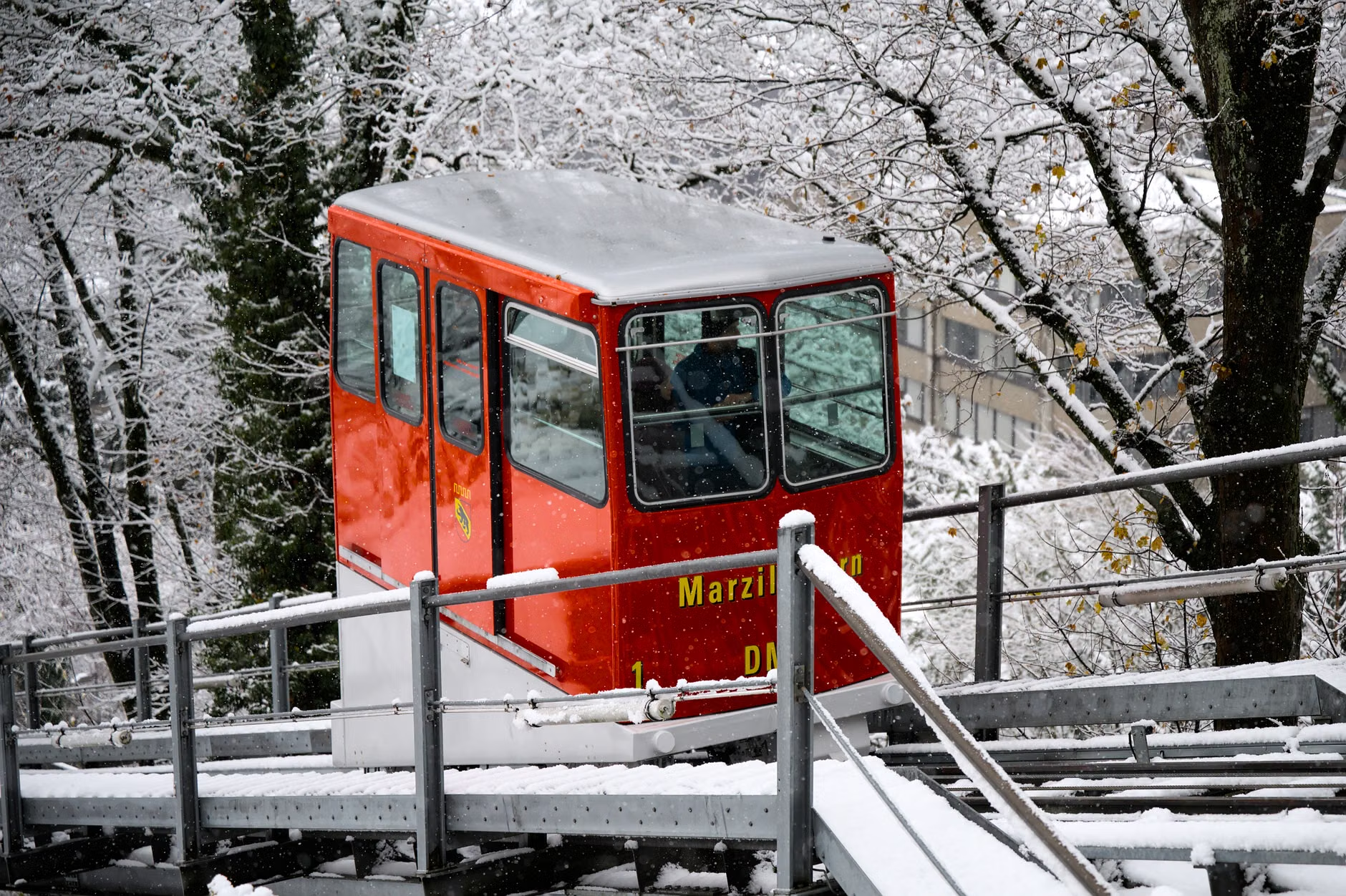
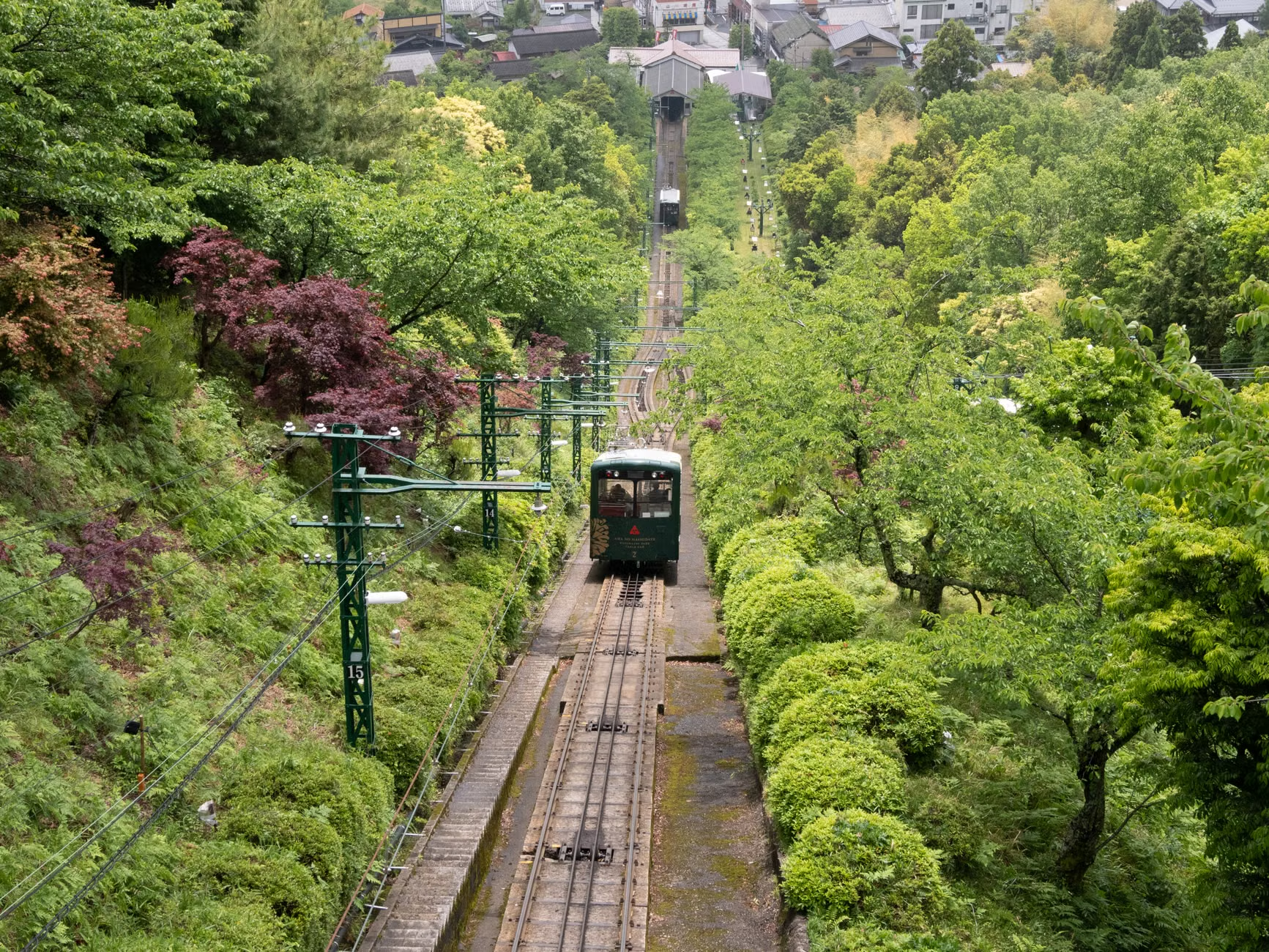
Historic funiculars—those iconic cable-driven railways that climb steep inclines—offer some of the most breathtaking views in the world. For the senior traveler, they represent a perfect marriage of convenience and sightseeing, allowing you to bypass grueling uphill walks while experiencing engineering marvels from the 19th and early 20th centuries. However, the term “historic” often implies infrastructure that was built long before modern accessibility standards existed. Navigating these systems requires a proactive approach to planning, physical stamina management, and a clear understanding of what “accessibility” truly entails in a heritage context.
Understanding the Mechanics of Funicular Accessibility
Before you depart, it is essential to understand that a funicular is not a standard elevator. It is a rail-based vehicle pulled by cables. Because these systems were often integrated into dense, vertical cityscapes—such as those in Lisbon, Valparaíso, or Budapest—the “stations” are frequently tucked into narrow streets or cliffside crevices.
When transit authorities label a funicular as “accessible,” they are often referring to the carriage itself. However, the path to the carriage is frequently the bottleneck. You may encounter cobblestone paths, steep inclines leading to the station entrance, or older stations that still utilize a single step between the platform and the vehicle floor. Understanding the difference between level boarding and ramped access is the first step in your travel planning.
The “Last Mile” Challenge
The most common oversight for senior travelers is the “last mile”—the distance from your hotel or the nearest public transit hub to the funicular station. Even if the funicular itself is perfectly accessible, the walk to reach it might involve uneven surfaces or high-gradient streets that can drain your stamina before the ride even begins. Always use satellite view maps (like Google Maps or local equivalents) to inspect the approach path for stairs or significant slopes.
Strategic Planning for a Stress-Free Transit Day
Successful sightseeing for travelers aged 60 to 80 is less about cramming three attractions into a day and more about managing energy expenditure. A funicular ride should be the centerpiece of your day, not a quick stop between two other high-intensity activities.
| Planning Factor | What to Look For | Actionable Step |
|---|---|---|
| Platform Access | Are there functional lifts at both the bottom and top stations? | Check the transit operator’s website for “Elevator Status” updates. |
| Boarding Gap | Is there a horizontal or vertical gap between platform and train? | If in doubt, call the station office or email customer service to request assistance. |
| Peak Timing | High volume of tourists/commuters? | Schedule transit for 10:30 AM or 2:30 PM. |
| Stamina Budget | Total walking distance including transfers. | Limit transit-related walking to 1.5km per day. |
The table above serves as your decision matrix. If you find that the “platform access” is uncertain, it is often safer to choose an alternative route or a different time of day when staff are more available to assist with boarding. Never assume that an older station has a functional lift; in many historic European cities, elevators are frequently out of service for maintenance.
Managing Stamina and Physical Safety
Funiculars involve sudden changes in elevation, which can sometimes affect balance or inner-ear comfort. Furthermore, the physical act of boarding requires steady footing. If you are traveling with a companion, have them board first to secure a seat, or ask the attendant to hold the vehicle until you are safely seated. Many modern funiculars have dedicated seating areas for seniors or those with mobility aids; do not hesitate to use these, even if you do not use a cane or walker.
Recognizing Your Limits
If you experience vertigo or significant joint pain, the steep angle of a funicular can be physically taxing. While the ride is usually short, the sensation of looking down a steep incline can be disorienting. To mitigate this:
- Choose your seat: If you feel unsteady, sit in the middle of the carriage rather than near the windows or the front/back glass panels.
- Focus on the horizon: Keeping your eyes on a stable point in the distance helps prevent motion-induced dizziness.
- Hydration and Recovery: Carry a small bottle of water. The dry air in some enclosed funiculars, combined with the excitement of travel, can lead to mild dehydration.
Infrastructure Nuances: What “Historic” Really Means
Many funiculars are protected by heritage laws, which limit the ability of engineers to install modern accessibility features like glass elevators or wide, automatic sliding doors. This means that in cities like Prague or Salzburg, you might encounter manual doors that require a bit of physical strength to open. If you travel alone, do not be afraid to ask a fellow passenger or station staff for help. There is no shame in requesting assistance; it is a standard part of navigating historic transit systems worldwide.
Furthermore, consider the surface material. Historic stations often feature original stone floors. While beautiful, these can be slippery when wet. If you are traveling in a destination prone to rain, ensure your footwear has high-traction soles. This simple adjustment can prevent a slip-and-fall incident that could derail your entire trip.
Digital Tools for the Modern Senior Traveler
You do not need to be a technology expert to leverage digital tools. Most major cities now provide real-time data on their public transport apps. Before you leave your accommodation, check the following:
- Transit Apps: Use apps like Citymapper or Google Maps, which often include accessibility filters.
- Official Websites: Look for the “Accessibility” or “Accessibility Information” page on the local transit authority’s website. These pages usually contain specific information about elevator dimensions and step-free routes.
- Local Forums: Travel forums can provide anecdotal, up-to-date information that official websites might miss, such as “The lift at Station X has been broken for two weeks.”
The Hidden Trade-offs: Cost vs. Convenience
Sometimes, the most accessible route is not the cheapest. You might find a funicular that is perfectly accessible but requires a premium fare, while a cheaper bus route involves a long walk. As a senior traveler, your time and physical energy are your most valuable assets. Choosing the more expensive, direct transport option is often a wise investment in your overall trip quality. It preserves your energy for the destination itself, rather than spending it on the commute.
When to Opt Out
There are instances where a funicular is simply not the right choice. If you are having a “high-pain” day or if the weather is inclement, do not feel pressured to stick to your itinerary. Many cities offer alternative bus routes that cover the same elevation changes with far less walking. Being flexible is the hallmark of a seasoned traveler. If your joints are inflamed or your balance feels off, prioritize a day of rest or a low-impact activity over a steep funicular climb.
Preparing for Your Trip: A Practical Checklist
Before you embark on your journey, perform this brief audit to ensure you are prepared for the physical and logistical demands of historic funicular travel:
- Medication Management: Carry a list of your medications and any relevant health conditions in your wallet, translated into the local language.
- Comfort Items: A small, foldable seat cushion can make a world of difference on hard wooden benches found in many historic funicular cars.
- Contact Information: Have the address of your hotel and the local emergency number saved in your phone and written on a physical card in your pocket.
- Accessibility Aids: If you use a cane, ensure it has a rubber tip in good condition. If you use a folding walker, check that it fits the dimensions of the funicular entrance (check the transit website for “maximum wheelchair/aid dimensions”).
Connecting with Local Resources
Do not hesitate to reach out to local tourism bureaus. They are often eager to help senior travelers and can provide specific advice on which funiculars are best suited for your mobility level. They may also be able to tell you about senior discounts, which are frequently available for public transit in many countries, including those in the European Union and parts of Asia.
When you arrive, observe the locals. If you see elderly residents using a particular route, it is likely the most accessible and comfortable one. Local knowledge is often more reliable than a generic guidebook.
Conclusion: The Joy of Accessible Sightseeing
Navigating historic funiculars as a senior traveler is entirely possible with the right blend of preparation and caution. By prioritizing your physical comfort, verifying accessibility in advance, and remaining flexible in your plans, you can enjoy these architectural gems without unnecessary strain. Remember that the goal is not to conquer the mountain, but to enjoy the view from the top. Take your time, manage your energy, and enjoy the unique perspective that only a funicular can provide.
For more information on global accessibility standards, you may consult resources such as the European Network for Accessible Tourism (ENAT), which provides valuable insights into inclusive travel practices across Europe.
Frequently Asked Questions (FAQ)
1. How can I confirm if a specific funicular is wheelchair accessible before I arrive?
Check the official website of the local transit operator. Look for terms like “step-free access,” “elevator,” or “universal design.” If this information is not clear, send an email to their customer service department asking specifically: “Is the station entrance step-free, and is there a lift to the platform?”
2. Are there senior discounts available for funicular travel?
Yes, many cities offer reduced fares for seniors. These are often tied to age (usually 60+ or 65+) and may require proof of age, such as a passport or a government-issued ID. Check the transit authority’s “Fares” or “Concessions” page before purchasing your ticket.
3. What should I do if I feel overwhelmed or unsteady while waiting for the funicular?
Step aside from the main boarding area and find a bench or a wall to lean against. Take a moment to breathe and assess how you feel. There is no rush to board; if you miss one car, another will arrive shortly. If you feel that you cannot safely board, do not hesitate to seek assistance from a station attendant or, if necessary, choose an alternative mode of transport like a taxi or a bus.