- The Calf Muscle Pump: Your calf muscles act as a “second heart,” helping push blood from your legs back toward your heart against gravity.
- Ankle-Pumps Defined: This simple movement—flexing and pointing your feet—effectively activates the calf muscles to prevent blood pooling and reduce lower limb edema.
- Consistency over Intensity: Performing frequent, low-intensity ankle pumps throughout the day is more effective for long-term venous health than sporadic, vigorous exercise.
Understanding Venous Return in the Lower Limbs
For many adults, the challenge of maintaining healthy circulation in the legs becomes more apparent with age. Gravity constantly pulls blood downward, and the veins in our legs must work diligently to return that blood to the heart. This process is known as venous return. Unlike the arterial system, which relies on the pumping power of the heart, the venous system in our legs relies heavily on skeletal muscle contractions, particularly those in the calves, to move blood upward against gravity.
When we remain seated for extended periods—whether watching television, working at a desk, or traveling—the calf muscles remain inactive. This inactivity leads to a reduction in the “muscle pump” effect, causing blood to pool in the lower extremities. Over time, this can lead to feelings of heaviness, swelling (edema), and discomfort. Understanding this mechanism is the first step toward implementing simple, preventive habits that support vascular health.
The Physiology of the Calf Muscle Pump
The human body is equipped with a sophisticated system of one-way valves within the leg veins. These valves ensure that blood flows in only one direction: toward the heart. When you walk, your calf muscles contract and squeeze the deep veins, forcing blood upward through these valves. When the muscle relaxes, the valves close, preventing the blood from flowing backward.
In a sedentary state, this cycle is broken. The blood remains static, increasing the pressure within the veins. While this is a normal physiological response to inactivity, chronic lack of movement can place undue stress on the venous walls. By performing seated ankle-pumps, you are manually triggering this pump mechanism, effectively mimicking the movement of walking while remaining in a seated position.
Why Venous Health Matters for Seniors
Maintaining efficient venous return is not just about comfort; it is a vital component of cardiovascular health. Poor venous return is frequently associated with peripheral edema, which can make walking more difficult and increase the risk of skin changes or discomfort. By adopting simple movements like ankle-pumps, you are proactively managing your leg health and supporting your overall mobility.
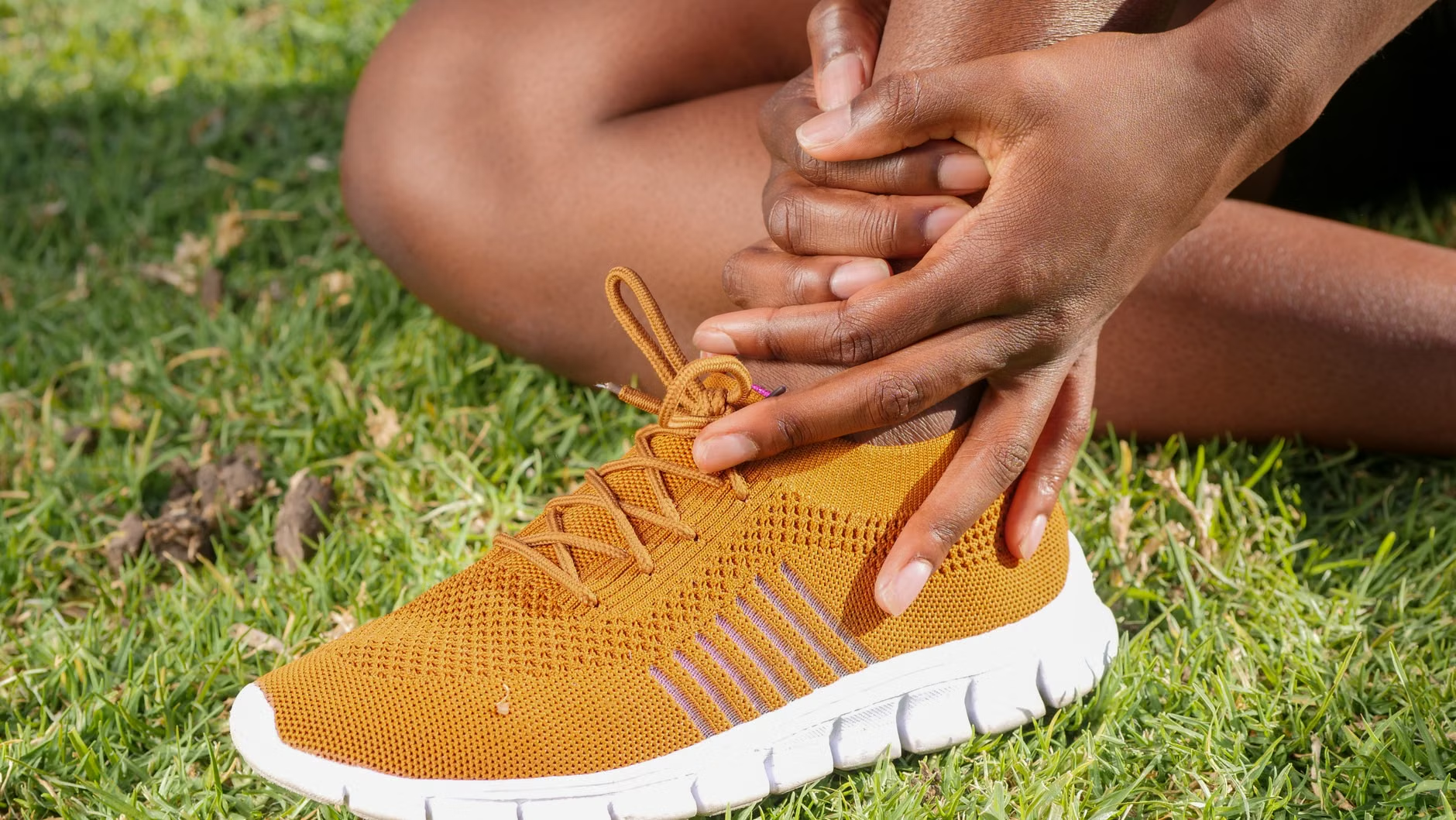
How to Perform Seated Ankle-Pumps Correctly
The beauty of the ankle-pump exercise lies in its simplicity and accessibility. It requires no special equipment, no gym membership, and can be performed almost anywhere. However, technique matters to ensure that you are effectively engaging the calf muscles rather than just wiggling your toes.
Step-by-Step Execution
- Positioning: Sit comfortably in a chair with your feet flat on the floor. Ensure your chair is stable and provides adequate back support.
- The Flexion (The Upward Motion): Slowly lift your toes and the front of your foot toward your shin as far as is comfortable. You should feel a slight tension in the front of your shin and a stretch in the back of your calf.
- The Extension (The Downward Motion): Slowly lower your foot back to the floor, then continue by pointing your toes downward, as if you are pressing on a gas pedal.
- The Rhythm: Maintain a slow, controlled pace. The goal is not speed, but full range of motion. Each complete cycle (up and down) should take approximately 2 to 3 seconds.
Common Mistakes to Avoid
One of the most common errors is “flicking” the toes instead of moving the entire ankle joint. To maximize the benefit, ensure the entire foot is moving through a complete range of motion. Another mistake is forgetting to breathe; maintain a steady, relaxed breathing pattern throughout the movement. If you feel any sharp pain, stop immediately and adjust your range of motion to a point that feels comfortable.
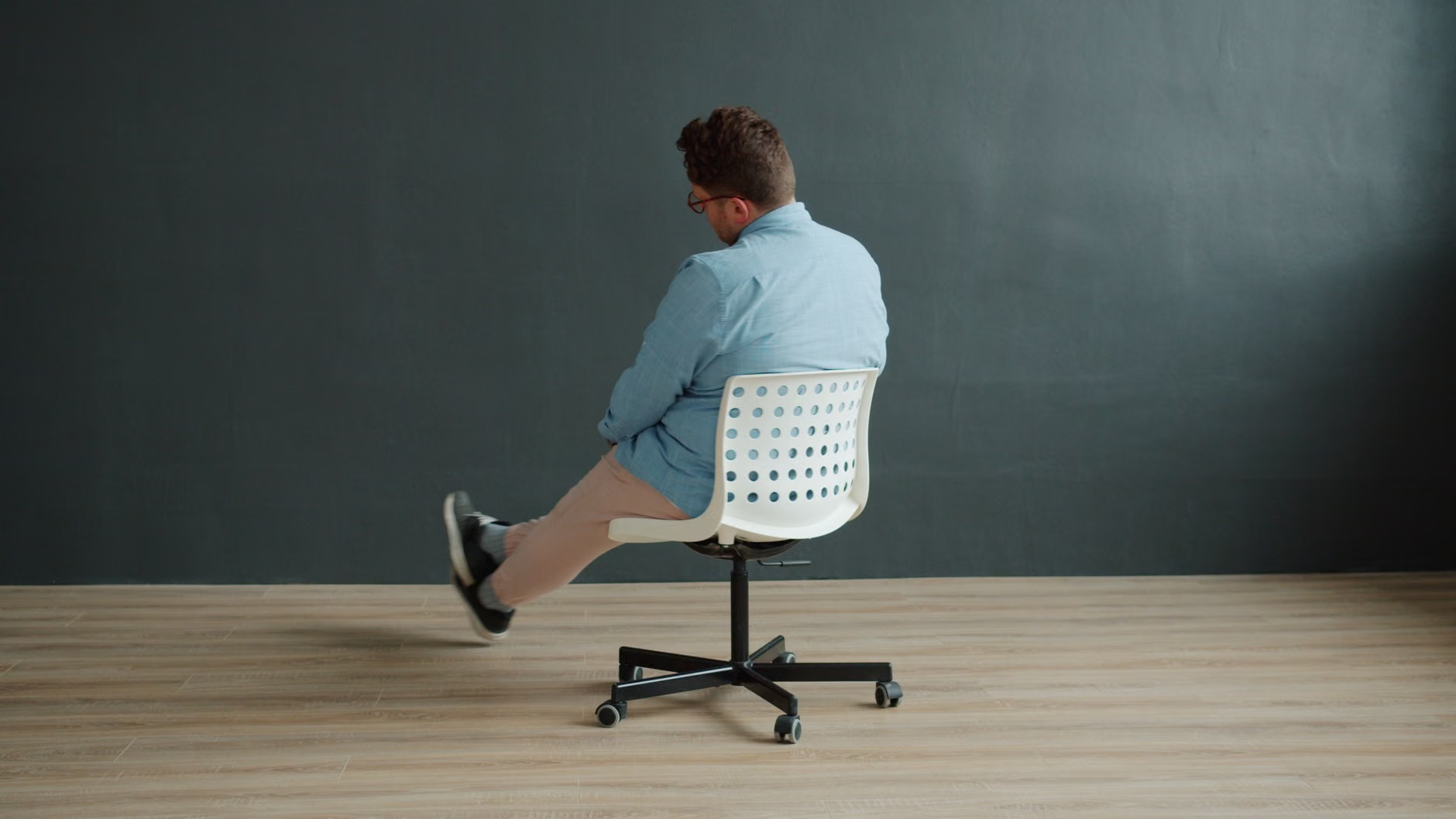
Integrating Ankle-Pumps into Your Daily Routine
Consistency is the secret to success with any preventive health habit. Because ankle-pumps are low-impact and non-fatiguing, they can be performed multiple times throughout the day. The objective is to break up long periods of sedentary time.
The “Trigger-Based” Approach
The most effective way to build a habit is to link it to an existing activity. Here are several practical scenarios:
| Activity | Frequency | Implementation |
|---|---|---|
| Watching Television | Every commercial break | Perform 10-15 pumps per leg during each break. |
| Working/Reading | Every 30-45 minutes | Set a gentle alarm to remind yourself to pump for 60 seconds. |
| Long-Distance Travel | Hourly | Crucial for flights or long car rides to prevent venous stasis. |
By incorporating these movements into your existing schedule, you turn a passive activity into a health-promoting one without needing to carve out dedicated “exercise time.”
When to Consult a Professional
While ankle-pumps are a safe, preventive measure, they are not a replacement for medical care. If you experience persistent swelling that does not subside with elevation, redness, warmth in the calf, or pain that prevents you from performing daily tasks, it is essential to consult your healthcare provider. These can be signs of underlying conditions that require clinical investigation, such as venous insufficiency or other vascular issues.
The Role of Lifestyle in Supporting Venous Health
Ankle-pumps are one piece of a larger puzzle. To truly support venous return, consider the following lifestyle factors that influence leg health.
Hydration and Nutrition
Dehydration can lead to changes in blood volume and viscosity, potentially making it harder for the venous system to function optimally. Ensure you are drinking adequate water throughout the day. Additionally, maintaining a diet rich in fiber can prevent constipation, which, while seemingly unrelated, can increase intra-abdominal pressure and impede blood flow from the legs.
The Impact of Clothing
Wearing clothing that is too tight around the waist, thighs, or knees can act as a tourniquet, hindering the return of blood to the heart. Opt for comfortable, loose-fitting clothing, especially during long periods of sitting. If you have been advised by a doctor to wear compression stockings, ensure they are fitted correctly and worn as directed, as these provide external pressure to assist the veins in moving blood upward.
Movement Beyond the Chair
While seated exercises are excellent for preventing stagnation, they cannot replace the benefits of weight-bearing activity. Walking is the “gold standard” for the calf muscle pump. Even a short 10-minute walk around your home or neighborhood provides significantly more activation of the calf muscles than seated exercises alone. Aim to balance your day with frequent, shorter bouts of movement rather than one long, exhausting session.
Advanced Considerations: Nuances of Venous Health
It is important to understand that not all legs are the same. Factors such as a history of varicose veins, previous surgeries, or existing chronic conditions can change how your body responds to exercise. For example, if you have a history of deep vein thrombosis (DVT), you should always discuss your exercise plan with your physician to ensure that the movements you choose are appropriate for your specific clinical status.
Another overlooked variable is the role of temperature. Heat can cause veins to dilate, which may increase the pooling of blood in the legs. If you notice increased swelling on hot days, you may find that performing ankle-pumps more frequently or elevating your legs above heart level for 10-15 minutes can provide relief.
The Trade-off Between Rest and Activity
There is a delicate balance between resting the legs and keeping them moving. While elevation is often recommended for swelling, it is not a substitute for movement. The best approach is a combination: perform your ankle-pumps periodically, take short walks to engage the muscles, and use elevation when you are truly resting for the evening.
Conclusion: Empowering Your Daily Leg Health
Taking control of your venous health does not require complex equipment or rigorous training. By understanding the importance of the calf muscle pump and committing to simple actions like seated ankle-pumps, you are making a proactive choice to support your circulation and overall mobility. Start by integrating these movements into your routine today, and pay attention to how your legs feel after a day of consistent, gentle activity. Your consistency is the most powerful tool you have for maintaining long-term leg health.
Frequently Asked Questions
- How many ankle-pumps should I do in one sitting? A good rule of thumb is to perform 10 to 20 repetitions per foot, several times a day. Quality of movement is more important than the number of repetitions.
- Can I do ankle-pumps if I have arthritis in my ankles? If you have joint pain, focus on a smaller, pain-free range of motion. You can still benefit from gentle movement without forcing the joint into a position that causes discomfort. Always consult your doctor for personalized advice regarding joint issues.
- Is there a specific time of day that is best for these exercises? There is no “best” time; the goal is to prevent blood from pooling during long periods of inactivity. Whenever you find yourself sitting for more than 30-60 minutes, that is the perfect time to perform your ankle-pumps.
Disclaimer: This article is for informational purposes only and does not constitute medical advice, diagnosis, or treatment. Always seek the advice of your physician or other qualified health provider with any questions you may have regarding a medical condition.
Official guidance on managing leg health and circulation can be found through resources such as the National Heart, Lung, and Blood Institute (NHLBI).