- New 2026 Standards: Global urban planning guidelines now mandate continuous “shade corridors” to protect older adults from extreme heat and UV exposure during daily transit.
- Infrastructure Impact: Expect to see more “cool roofs,” tree-canopy extensions, and temperature-controlled public transit hubs in major metropolitan areas starting this year.
- Advocacy & Action: Residents can check their local city council’s “Heat Mitigation Plan” to identify if their neighborhood routes are compliant with the new accessibility benchmarks.
As urban environments continue to evolve, the way we navigate our cities is undergoing a significant shift. For adults aged 60 to 80, the ability to walk to the grocery store, a park, or a transit stop is a cornerstone of independence. However, rising global temperatures have made heat exposure a critical safety concern. In 2026, new international guidelines for age-friendly urban shade are being implemented globally to ensure that our public spaces remain accessible, safe, and comfortable for all residents, regardless of age.
Understanding the 2026 International Shade Standards
The 2026 guidelines, developed by international urban health coalitions, focus on the concept of “Thermal Connectivity.” Unlike previous standards that looked at shade in isolated pockets (like a single park bench), the new framework looks at the entire pedestrian journey. The goal is to ensure that an individual can travel from their home to essential services without being exposed to direct, prolonged sunlight or high ambient heat.
What this means in practice is that city planners are now required to measure “shade continuity.” If a path between a residential block and a pharmacy contains a 300-meter stretch without shade, it is now officially classified as a “High-Risk Mobility Gap.” Cities are now incentivized to fill these gaps using a mix of natural solutions—such as strategic tree planting—and structural solutions like retractable canopies or reflective coverings.
Why This Matters for Your Daily Health
For older adults, the body’s ability to regulate temperature naturally declines. This makes us more susceptible to heat-related illnesses, including heat exhaustion and heat stroke, even during mild summer days. Furthermore, prolonged exposure to UV radiation is a significant risk factor for skin health and can exacerbate certain eye conditions common in later life.
By enforcing these standards, the objective is not just comfort; it is to prevent the “indoor trap”—a phenomenon where older adults stop leaving their homes during the day because the journey feels too physically taxing or dangerous. When shade is continuous, it lowers the “perceived exertion” of a walk, making it easier to maintain an active lifestyle, which is crucial for cardiovascular health and social engagement.
Key Infrastructure Changes You Will Start to See
You may begin to notice physical changes in your neighborhood as municipalities work to meet these 2026 benchmarks. These changes are designed to be functional, durable, and accessible for those with mobility aids like walkers or canes.
| Feature | Purpose for Seniors | Practical Benefit |
|---|---|---|
| Cool Pavement Coatings | Reflects solar radiation. | Lowers ambient ground temperature by up to 5-8°C. |
| Shaded Transit Hubs | Provides waiting areas with airflow. | Prevents overheating while waiting for transport. |
| Tree Canopy Extension | Natural, breathable shade. | Improves air quality and psychological well-being. |
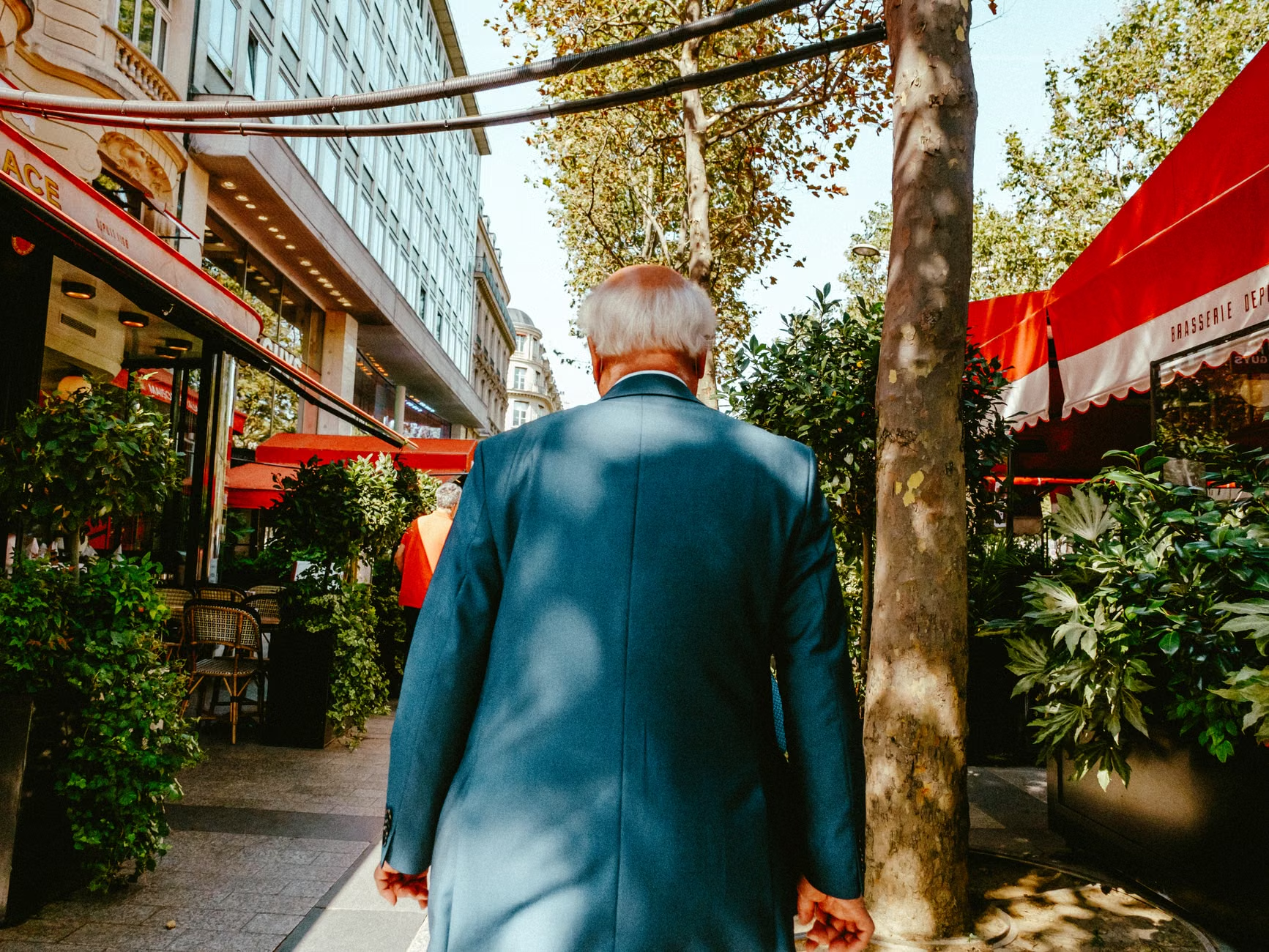
While cities are mandated to improve, the transition will be gradual. As an individual, you can take proactive steps to assess your own local environment. Most major cities now provide “Heat Mapping” tools on their official municipal websites. These interactive maps often show which streets have the most tree cover and where the “urban heat islands” are located.
If you are planning a trip to a new part of the city, use these digital tools as you would use a weather app. Look for routes that are marked as “High Shade Density.” If you find that a necessary route is exposed, check to see if there is a parallel street with more tree cover. Often, a street just one block over can offer a 50% increase in natural shade.
How to Prepare for Outdoor Appointments
When you have errands or appointments, especially during the warmer months, consider the following checklist to ensure your safety:
- Route Planning: Use a mapping app to check if your walking route has significant tree cover. If not, consider if public transport or a short taxi ride is a safer alternative for that specific stretch.
- Hydration Timing: Drink fluids 30 minutes before you leave. Do not wait until you feel thirsty, as the sensation of thirst often diminishes with age.
- Equipment Check: If you use a cane or walker, ensure the handles are not made of dark, heat-absorbing materials. Consider adding a light-colored, breathable grip cover to prevent the handle from becoming too hot to touch.
- Clothing Choices: Opt for loose, light-colored, long-sleeved linen or moisture-wicking fabrics. These provide a barrier against UV rays while allowing for airflow.
The Role of Local Advocacy
One of the most powerful aspects of the 2026 guidelines is that they provide a framework for residents to request improvements. If a local park is often used by seniors but lacks adequate shade, you and your neighbors have a clear standard to cite. You can contact your local representative and ask: “Is this public space compliant with the 2026 International Urban Shade Guidelines for accessibility?”
This phrasing is effective because it moves the request from a subjective “I would like more shade” to a technical compliance issue. Most city councils are currently auditing their public spaces to meet these international benchmarks. Being the person who highlights a missing link in your neighborhood can accelerate the installation of shade structures in your area.
Addressing Common Misconceptions
There is often confusion between “shade” and “temperature control.” It is important to remember that while shade is essential, it does not stop the air around you from being hot. Even in the shade, if the air temperature is high, you can still overheat. The 2026 guidelines emphasize “Shade + Airflow.” This is why you will see more open-air structures rather than enclosed, glass-walled waiting areas, which can act like greenhouses.
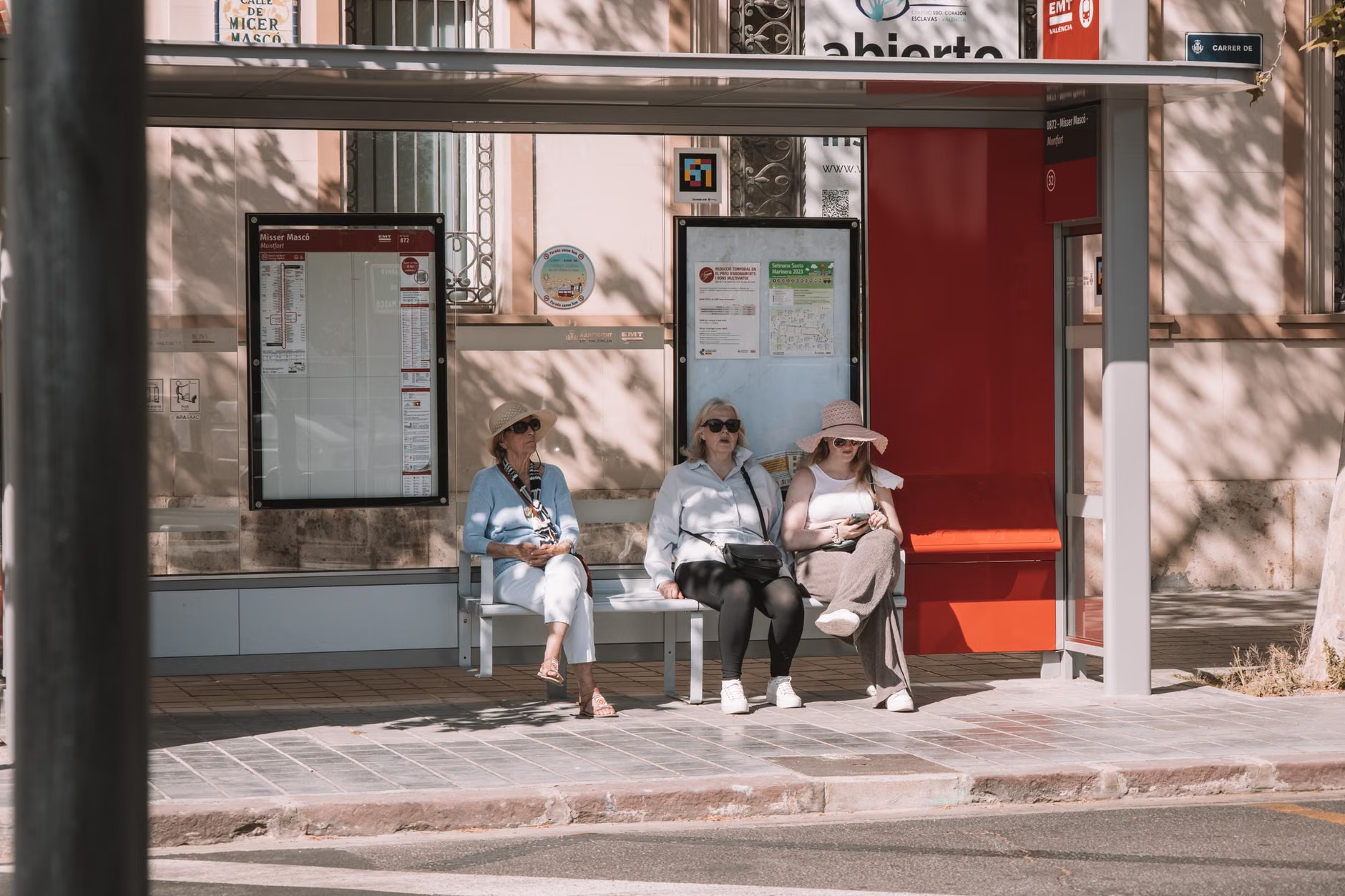
Another misconception is that these guidelines only benefit those who walk. In reality, shade at transit stops and along sidewalks helps everyone, including those who use public transport, as it reduces the heat stress experienced while standing on a platform or waiting for a bus to arrive. When the entire system is cooler, the experience of using public infrastructure becomes more dignified and less physically taxing.
What to Do If You Experience Heat Fatigue
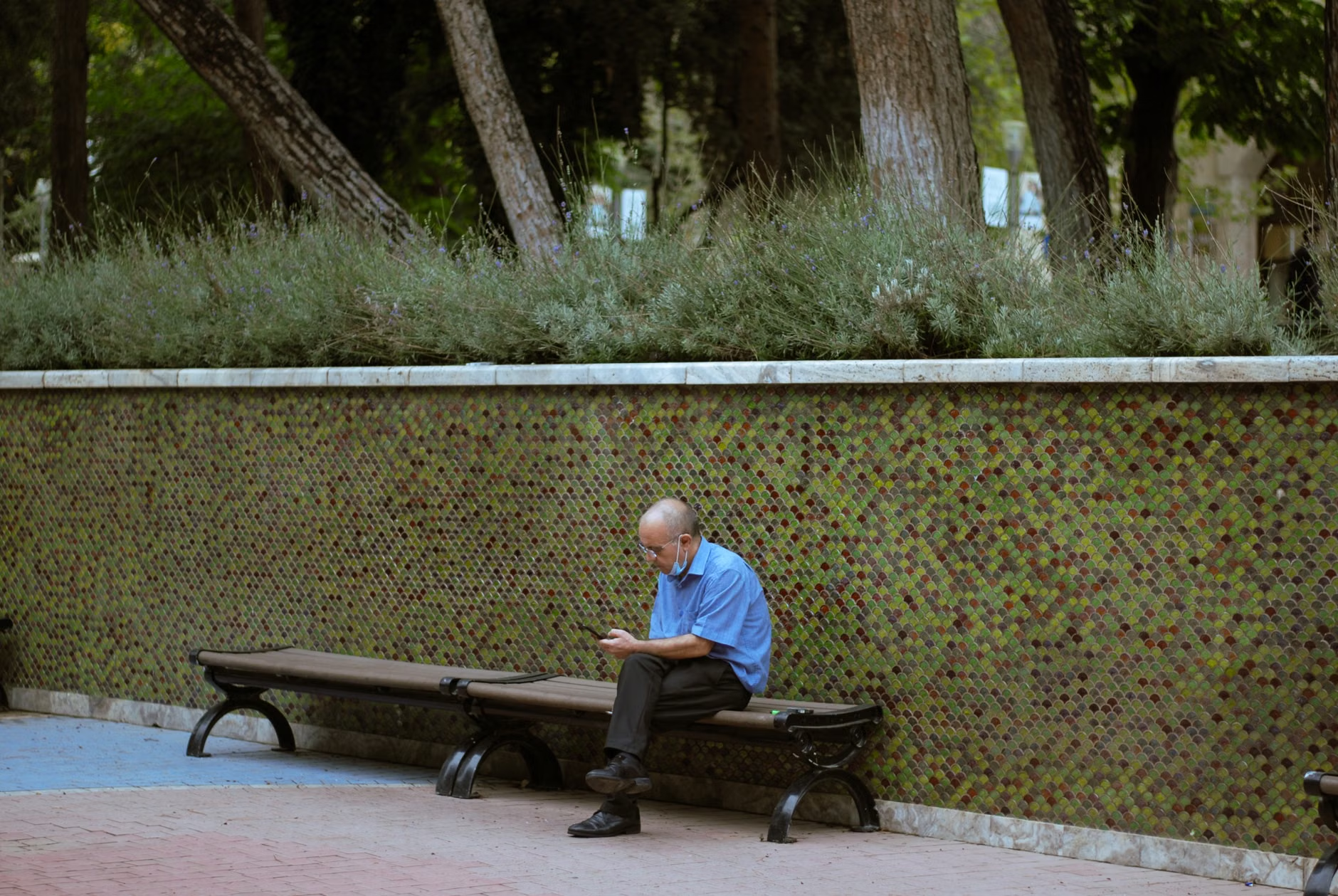
Even with the best infrastructure, heat fatigue can occur. Recognizing the early warning signs is vital. Symptoms such as dizziness, excessive sweating followed by sudden dry skin, headache, or a rapid pulse are signals that your body is struggling to cool down. If you experience these while out, do not push yourself to reach your destination. Find the nearest indoor, climate-controlled space—such as a library, a café, or a shop—and rest for at least 20 minutes. Drink water slowly and wait until you feel fully recovered before continuing.
If you find that you frequently experience these symptoms, it may be time to reassess your daily routes. Discuss your concerns with a family member or caregiver, and perhaps map out “cool zones” in your neighborhood where you can stop for a few minutes of rest. Many cities now list “Cooling Centers” on their public health portals, which are accessible, air-conditioned public buildings designed for exactly this purpose.
Long-Term Outlook: Future-Proofing Your Neighborhood
The implementation of the 2026 guidelines is just the beginning. As we look toward 2030 and beyond, urban design is shifting toward “biophilic cities”—cities that integrate nature into every aspect of the built environment. For older adults, this is a positive trend. More trees, more green walls, and more reflective surfaces mean a city that is not only cooler but also quieter and more pleasant to navigate.
By engaging with these updates, you are not just adapting to a new rule; you are participating in the creation of a more inclusive urban future. Stay informed by checking your local municipal portal annually, as many cities update their “Shade Progress Reports” each spring. Understanding these changes allows you to advocate for your own needs and stay active in the community you call home.
Conclusion
The 2026 international guidelines for urban shade are a significant step forward in making our cities more hospitable for older adults. By prioritizing continuous shade, improving the accessibility of transit stops, and focusing on heat-mitigation materials, cities are working to ensure that your independence is not limited by the weather. As these standards become the norm, take advantage of the new resources available to you, plan your routes with care, and do not hesitate to advocate for the improvements that make your local community safer and more comfortable. Your ability to move freely is a right, and these new guidelines are designed to help you exercise that right with confidence.
Frequently Asked Questions
1. Do these 2026 guidelines apply to every country?
These are international guidelines, meaning they serve as a global benchmark. However, implementation depends on local municipal adoption. While many major cities worldwide are adopting these standards, it is best to check your specific city’s urban planning department or municipal website to see if they have formally adopted the 2026 shade compliance framework.
2. Can I request shade structures in my specific neighborhood?
Yes. Because these guidelines provide an objective metric for “shade continuity,” you can use this to contact your local council or city representative. You can request a “shade gap assessment” for your street, particularly if it is a high-traffic area for seniors, such as the route between a residential area and a local medical clinic or grocery store.
3. How does “shade continuity” differ from having a few trees?
“Shade continuity” is a technical term meaning there are no long, unprotected stretches of sidewalk exposed to direct sun. Having a few scattered trees often leaves large gaps where a person is exposed to extreme heat. The 2026 standard aims for an unbroken line of shade, ensuring that an individual is protected for the duration of their walk, which is far more effective for preventing heat stress than isolated patches of shade.
For further reading on global urban health initiatives, you may visit the official World Health Organization (WHO) Age-friendly World portal, which tracks global progress on accessible urban infrastructure.