- Shift to Proactive Monitoring: By 2026, AI tools will move beyond simple alerts to predicting potential health declines before they become emergencies.
- Privacy-First Design: Modern systems now prioritize “passive sensing,” meaning you don’t need to wear devices or press buttons for the system to monitor your safety.
- Family Integration: New platforms allow for “permission-based sharing,” giving family members peace of mind without compromising the senior’s autonomy.
The Evolution of Remote Care: What 2026 Brings
As we move further into 2026, the landscape of remote care monitoring has fundamentally changed. We are seeing a transition from reactive systems—those that call for help only after a fall or a medical event—to proactive, predictive systems. For adults aged 60 to 80, this means that technology is becoming a silent partner in your daily routine, designed to support your independence rather than monitor your every move.
The core promise of 2026 technology is predictive wellness. By analyzing subtle patterns in your daily movement, sleep quality, and even voice fluctuations, AI models can detect early signs of fatigue, dehydration, or potential illness weeks before they would traditionally manifest as a clinical symptom. This allows you and your family to make small, manageable adjustments to your lifestyle, preventing the need for more invasive care later on.
Understanding Passive Sensing Technology
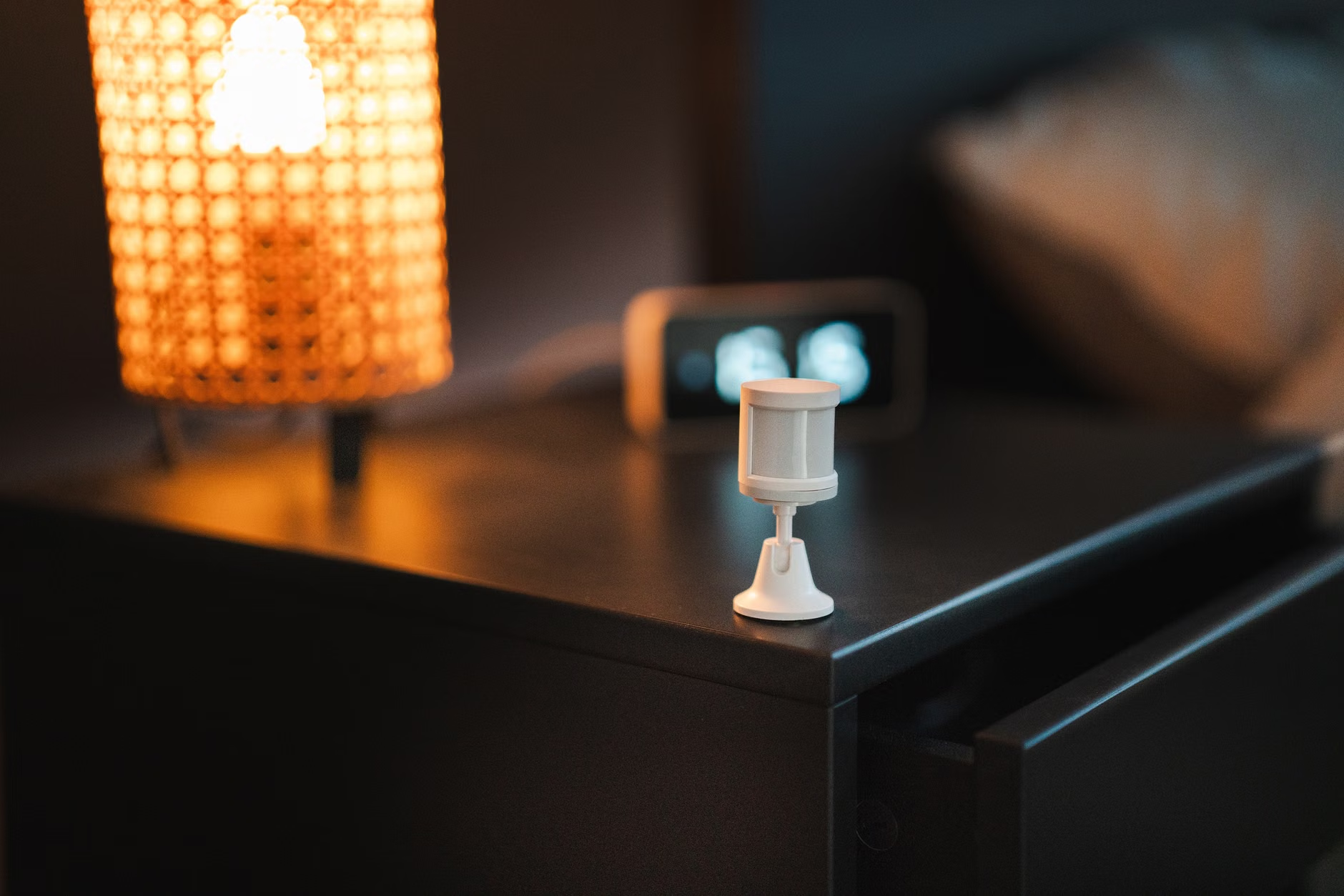
The most significant leap in 2026 is the adoption of “passive sensing.” In the past, remote monitoring often required wearing a pendant or remembering to charge a device. These tasks are easily forgotten and can feel restrictive. Passive sensing uses ultra-wideband radar, ambient acoustics, and non-intrusive floor sensors to track activity patterns without cameras or wearable devices.
How Passive Sensing Works
These systems work by establishing a “baseline” of your normal daily behavior. For example, if you typically wake up at 7:00 AM, walk to the kitchen, and prepare coffee, the AI learns this rhythm. If one day you do not get out of bed at your usual time or your movement speed in the hallway is significantly slower than usual, the system doesn’t immediately call an ambulance. Instead, it might send a gentle “check-in” message to your smartphone or a notification to a designated family member asking if you need assistance or simply if you are having a slower morning.
Why This Matters for Your Autonomy
The primary concern for many seniors regarding technology is the loss of privacy. Passive sensing solves this by removing cameras entirely. The “data” being collected is not video, but abstract movement patterns. This preserves your dignity while providing the safety net that allows you to continue living in your own home for longer.
Integrating AI into Your Daily Health Strategy

Integrating AI into your life is not about letting a machine manage your health; it is about using data to inform your conversations with your healthcare providers. In 2026, the most effective users of these systems treat the AI dashboard as a “preventive journal.”
Practical Steps for Implementation
- Select a System Based on Needs: If you are highly active, you may only need a system that monitors sleep and hydration. If you are managing chronic conditions, you may look for systems that integrate with smart blood pressure cuffs or glucose monitors.
- Define the “Alert” Thresholds: You must decide who receives notifications and for what events. A common mistake is setting alerts to be too sensitive, which leads to “alarm fatigue” for family members.
- Review Data Monthly: Do not obsess over daily fluctuations. Instead, schedule a time once a month to look at trends with your family or caregiver to see if there are areas where you can improve your energy levels or stability.
| System Type | Best For | Privacy Level | Key Limitation |
|---|---|---|---|
| Wearable Trackers | Active individuals tracking fitness | Medium | Requires daily charging and wearing |
| Ambient/Passive Sensors | Home-based safety & fall prevention | High | Requires professional installation |
| Smart Medical Devices | Chronic disease management | High | Requires consistent manual usage |
The comparison table above illustrates that there is no “one-size-fits-all” solution. If you are worried about forgetting to charge a device, an ambient sensor system is objectively superior. If you are actively managing a condition like hypertension, a smart medical device that syncs automatically with your doctor’s portal is the better choice.
Safety and Digital Privacy: The 2026 Standard
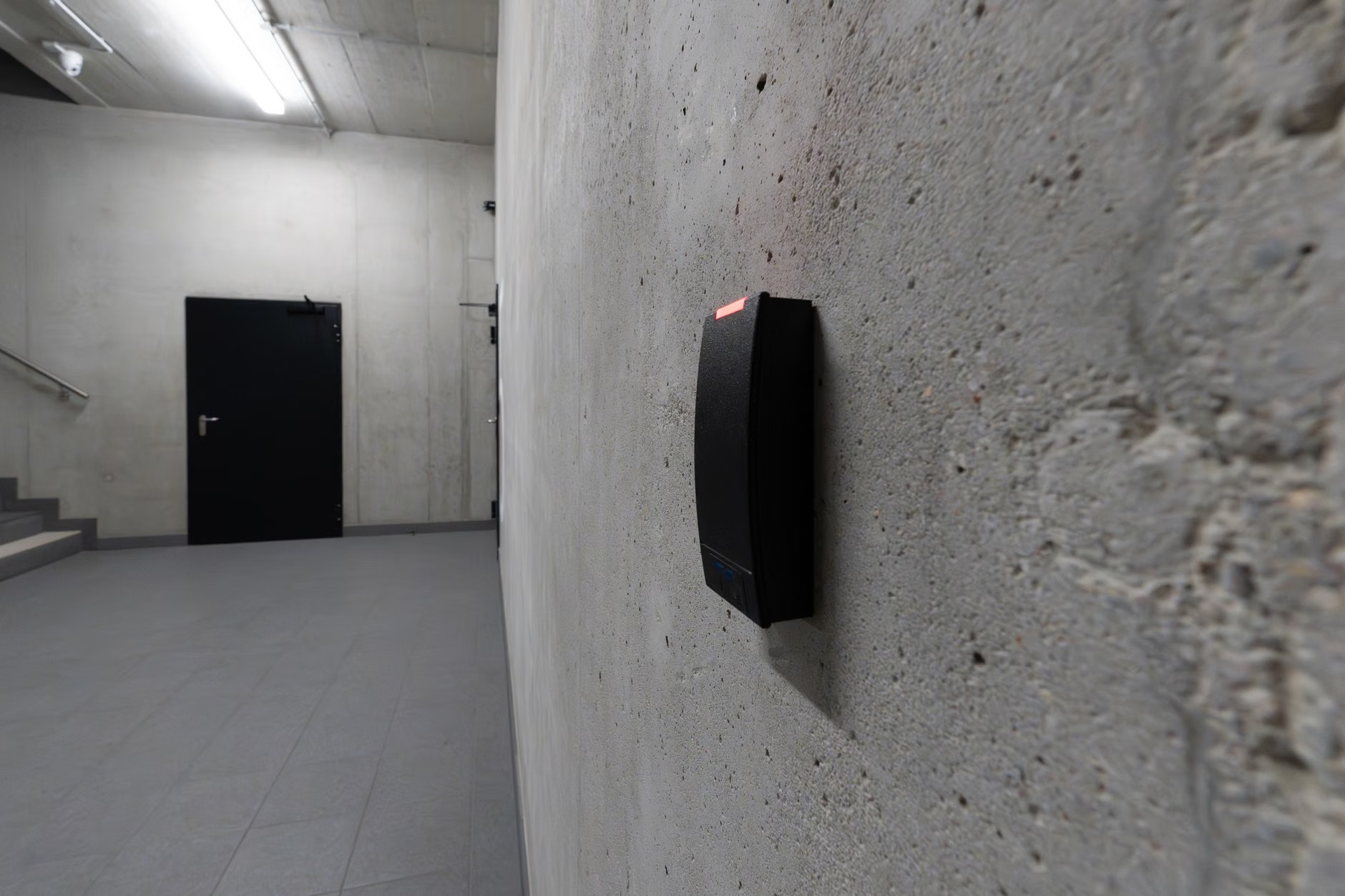
With the rise of AI, security is a valid concern. In 2026, the global standard for reputable remote monitoring companies is end-to-end encryption. This means that your health data is encrypted at the device level and remains encrypted until it reaches the authorized user (you or your family).
Three Questions to Ask Before Choosing a Provider
- “Where is my data stored?” Ensure the provider follows local data protection laws (such as GDPR in Europe or HIPAA in the United States). Avoid companies that store data on servers in jurisdictions with weak privacy protections.
- “Can I opt-out of data sharing?” You should have the right to revoke access to your data at any time, for any person, including family members.
- “What happens if the internet goes down?” Ensure the device has a battery backup and cellular (4G/5G) failover capability so that it continues to function during a power outage or internet disruption.
Remote monitoring is an investment. While some basic apps are free, professional-grade systems usually involve a monthly subscription fee. When evaluating costs, consider the trade-off between the monthly fee and the potential cost of a delayed response to a health issue. In many jurisdictions, such as the UK or parts of Canada, some telecare services are subsidized by local social services. Always check with your local council or health authority to see if you qualify for financial assistance for “assistive technology.”
Hidden Costs to Watch For
Be wary of “proprietary ecosystems.” Some companies sell inexpensive hardware but lock you into a long-term, expensive contract. Always read the cancellation policy. A fair contract should allow you to cancel with 30 days’ notice without significant penalties.
Preparing for Professional Medical Appointments
When you use AI-assisted monitoring, you generate a wealth of information that can be invaluable to your doctor. Do not bring your entire data history to an appointment, as this can be overwhelming. Instead, prepare a summary.
Steps to prepare for your next visit:
- Export a 30-day summary report from your monitoring app.
- Highlight any “out of range” events, such as a week where your sleep quality was consistently poor.
- Write down two questions: “Does this trend indicate a need for a change in my medication?” and “Are there specific lifestyle changes I should try based on this data?”
Addressing Common Misconceptions
A common misconception is that AI replaces the need for human caregivers. This is incorrect. AI is a tool for human caregivers. It acts as an early warning system that allows family members to spend quality time together rather than spending time worried about whether a loved one is safe. It creates a bridge of communication, providing objective data that reduces the anxiety of “not knowing.”
Conclusion: Taking the Next Step
The technology of 2026 is designed to be invisible and supportive. If you are considering remote monitoring, start by identifying your primary goal. Is it fall prevention? Is it better management of a chronic condition? Or is it simply providing peace of mind for your family? Once you define your goal, research the options that prioritize privacy and ease of use. Your independence is the ultimate priority, and in 2026, the right technology can be the key to maintaining it for years to come.
Frequently Asked Questions
1. Do I need to be tech-savvy to use these systems?
Most modern systems are designed for “set and forget” operation. Once installed, they require no daily interaction from the user. If you can manage a television remote, you can typically manage these systems.
2. Can these systems replace my existing medical care?
No. These systems are for monitoring and prevention. They do not replace your primary care physician, specialist appointments, or necessary medications. They are tools to help your medical team make better-informed decisions.
3. What if I feel like I’m being watched?
It is important to choose a system that aligns with your comfort level. If passive sensors feel too intrusive, you might prefer a system that only sends an alert when you press a button. The goal is to provide safety, not to create a sense of being monitored constantly.
For further information on digital health standards, you can visit the World Health Organization’s Digital Health portal.