- The 2026 digital health transition focuses on “Interoperability,” meaning your health data will move more seamlessly between different doctors and specialists.
- New accessibility standards require portals to offer larger text, voice-command integration, and high-contrast modes, reducing the technical barrier for seniors.
- You should begin auditing your own digital health footprint now to ensure your records are accurate before the 2026 system-wide migrations take effect.
As we move toward 2026, healthcare systems globally are undergoing a significant digital transformation. For adults aged 60 to 80, this shift is not just about updated software; it represents a fundamental change in how you access your medical history, communicate with your care team, and manage your long-term health. The core of this 2026 standard is “patient-centered interoperability,” a term that describes a system where your data follows you, rather than you having to manually carry paper records between providers.
Understanding the 2026 Digital Health Shift
You may have noticed that some clinics already use patient portals—websites or apps where you can view lab results or request appointments. However, these systems have historically been “silos,” meaning the portal at your cardiologist’s office could not “talk” to the portal at your primary care physician’s office. The 2026 standards aim to mandate that these systems share information securely and instantly.
This is a major improvement for seniors who often manage multiple chronic conditions across different specialists. In the current fragmented landscape, you are often the “courier” of your own data. By 2026, the goal is for a single, unified digital view of your health history, provided the systems are compliant with the new international data exchange protocols.
What “Interoperability” Means for Your Daily Life
Interoperability is a technical term with a very practical benefit. Imagine you are visiting a new specialist. Instead of filling out a ten-page clipboard of your medical history, your new doctor will be able to securely pull your medication list, allergies, and recent lab tests directly from your established primary care portal. This reduces the risk of medication errors and prevents you from having to undergo redundant diagnostic tests.
| Feature | Pre-2026 System | 2026 Standard |
|---|---|---|
| Data Sharing | Manual/Fax-based | Automated/Secure API exchange |
| Accessibility | Variable (often poor) | Mandatory WCAG 2.2 Compliance |
| Record Accuracy | Human-entry dependent | Real-time synchronization |
The table above highlights the shift from manual data management to automated, synchronized systems.
Accessibility: The New Mandate for Senior-Friendly Design
A critical component of the 2026 requirements is the enforcement of strict accessibility guidelines. Governments in regions like the European Union (via the European Accessibility Act) and various North American jurisdictions are mandating that digital health services meet specific criteria to ensure they are usable by older adults, including those with visual or motor impairments.
What You Should Expect to See in Portals
- Dynamic Text Scaling: The ability to increase font size by 200% without the text overlapping or disappearing off the screen.
- Voice-to-Text Integration: The ability to use voice commands to navigate the portal or dictate messages to your doctor.
- High-Contrast Modes: Default settings that ensure text is legible against backgrounds, specifically designed for those with age-related macular degeneration or cataracts.
- Simplified Navigation: A reduction in “click-depth,” meaning you can reach important functions like “Request Prescription Refill” or “View Lab Results” in two clicks or fewer.

If you currently use a portal that is difficult to navigate, you should not assume the fault lies with your technical skills. Many legacy systems were designed for younger, tech-savvy users. The 2026 standards force developers to prioritize usability for all age groups. If your current provider’s portal does not meet these emerging standards, you have the right to ask their IT department or office manager about their roadmap for 2026 compliance.
Securing Your Digital Health Identity
With greater connectivity comes the need for better security. As your health data becomes more accessible, it also becomes a more attractive target for cyber-attacks. The 2026 standards include requirements for “Multi-Factor Authentication” (MFA) across all patient portals. This means that to log in, you will likely need to provide two forms of identification, such as a password and a code sent to your mobile phone.
Practical Steps to Protect Your Data
- Use a Password Manager: Do not reuse the same password for your health portal as you do for your email or banking. Use a dedicated password management application.
- Audit Your Permissions: Periodically check which third-party apps have access to your health data. If you are not using an app, revoke its access immediately.
- Enable Alerts: Configure your portal to send you email or SMS alerts whenever your records are accessed or changed.
Warning: Be wary of any “health app” that asks for access to your entire medical record without a clear, clinical reason. Always verify that the app is associated with a recognized healthcare institution or a reputable, regulated digital health company.
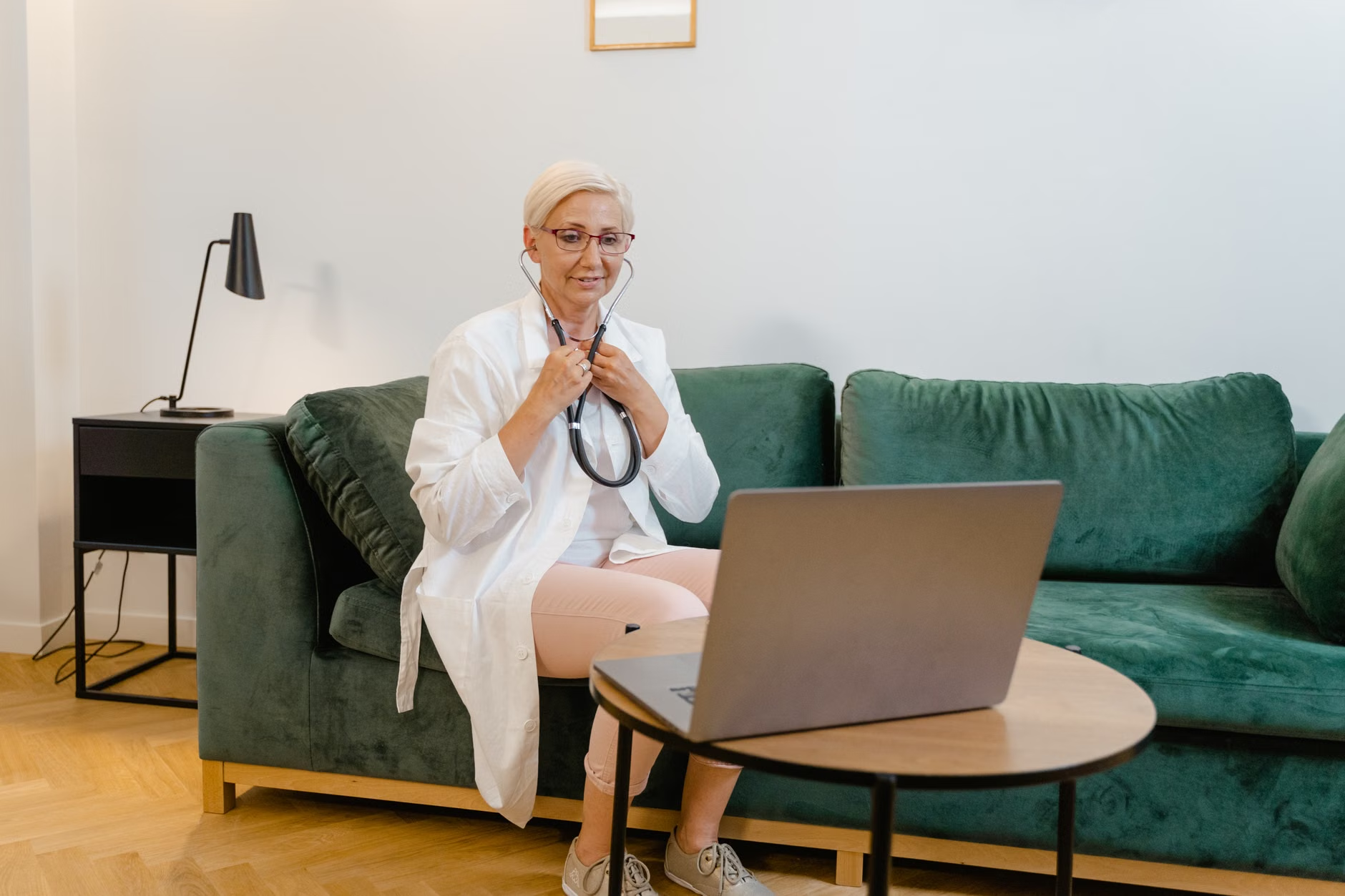
Telehealth is no longer a temporary measure; it is a core feature of 2026 health services. The new standards emphasize “Remote Patient Monitoring” (RPM). This involves using wearable devices—such as blood pressure cuffs or heart rate monitors—that automatically sync data to your doctor’s portal.
How to Prepare for Remote Monitoring
If your doctor suggests an RPM program, ask these three questions before you begin:
- Who monitors the data? Is it a nurse, a computer algorithm, or the doctor themselves?
- What is the action trigger? At what exact reading (e.g., blood pressure over 160/100) will the system alert the doctor, and what is the expected follow-up?
- What is the cost? Does your insurance cover the device, the data transmission, and the monthly monitoring fee?
Remote monitoring is not a substitute for in-person visits. It is a tool for “early detection.” The goal is to see small trends in your health data before they become large problems that require urgent care.
Action Plan: Auditing Your Health Records Before 2026
Before the mass migration to these new standards, take the time to clean up your current data. Inconsistent records are the biggest hurdle to a smooth digital health experience.
The “Digital Audit” Checklist
- Gather Paper Records: Collect all physical copies of recent surgeries, chronic condition diagnoses, and immunizations.
- Verify Your Medication List: Cross-reference your current pill bottles with the list shown on your existing online portal. If they differ, contact your pharmacy or doctor to correct the record.
- Check Personal Information: Ensure your legal name, date of birth, and emergency contact information are identical across all your providers’ systems. Mismatched data is the #1 cause of “record linking” failures in digital systems.

By ensuring your records are accurate now, you will significantly reduce the likelihood of data errors when your providers transition to the new 2026 interoperability frameworks. It is much easier to fix an incorrect record in a single system today than it is to untangle it once it has been synced across five different hospitals.
The Unexpected Trade-off: Privacy vs. Convenience
While the 2026 standards offer unprecedented convenience, there is a subtle trade-off. As systems become more interconnected, the “surface area” for potential privacy breaches increases. You must balance the need for your doctors to have your information with the need to keep that information private.
Some patients may choose to “opt-out” of certain data sharing features. However, be aware that opting out often means your doctor will not have the full picture of your health, which can lead to suboptimal care. The best approach is to be selective about what you share. Most modern portals allow you to flag specific documents—such as sensitive mental health records or private family history—as “restricted,” meaning they are not automatically shared with every specialist you visit.
Conclusion: Taking Control of Your Digital Health
The transition to 2026 digital standards is a significant opportunity for older adults to take a more active, informed role in their healthcare. By understanding the shift toward interoperability, prioritizing your own data accuracy, and utilizing the accessibility features that will soon be mandatory, you can ensure that technology works for you, rather than against you.
The most important next step is to log into your current patient portals this month. Assess whether you can easily find your information, test if the text size is adjustable, and verify that the medical history listed is accurate. If you find the system confusing, reach out to your clinic’s administrative staff now. Their job is to support you in using these tools, and they will likely be under new mandates to provide better training and support as the 2026 implementation date approaches.
Frequently Asked Questions
1. Will I be forced to use digital portals for my healthcare after 2026?
No. While systems are moving toward digital-first, providers are still required to accommodate patients who cannot or choose not to use digital tools. However, you may find that digital users get faster access to appointments and test results. You should always have the right to request paper copies of your medical records upon request.
2. What if I am not tech-savvy? Will I be left behind?
The new standards specifically include “usability” requirements that force developers to create simpler, more intuitive interfaces. Additionally, many healthcare systems are introducing “Digital Navigators”—staff members dedicated to helping patients set up their accounts and learn how to use these portals safely.
3. Are these 2026 standards the same everywhere in the world?
While the concept of interoperability is global, the specific laws—such as GDPR in Europe or HIPAA in the United States—differ in how they protect your privacy and how they mandate data sharing. Always check the specific privacy notice provided by your healthcare provider, which will outline how they comply with local regulations and the new standards.
Official guidance on digital health standards can often be found on your national health ministry’s website (e.g., HealthIT.gov for the US or the European Commission’s Digital Strategy pages).