- Unified Standards: By 2026, many nations will adopt new interoperable digital ID standards to simplify cross-border travel and access to digital public services.
- Security First: These updates emphasize biometric security and “privacy by design,” moving away from vulnerable physical passwords toward encrypted, decentralized identity tokens.
- Proactive Preparation: You do not need to replace your current ID immediately, but you should verify your existing government portal credentials and ensure your biometric data is up to date with official agencies.
As we move into 2026, the landscape of digital identification is undergoing a significant global shift. Governments and international regulatory bodies are finalizing new standards for “Digital Identity” (Digital ID) to make accessing pensions, healthcare, and international travel more secure and efficient. For older adults, these changes are designed to reduce the need for carrying multiple physical documents and to prevent identity fraud, which has become a growing concern in the digital age.
This article explains what these 2026 standards mean for your daily life, how to prepare for the transition, and how to maintain control over your personal data in an increasingly digital world.
What Are the 2026 Global Digital ID Standards?
Digital ID is not a single database of your life; rather, it is a secure, digital version of your physical identity documents (like your passport, driver’s license, or national health card). The 2026 standards, often guided by frameworks like the EU’s eIDAS 2.0 or similar initiatives in North America and parts of Asia, focus on interoperability.
Interoperability means that a digital ID issued in one jurisdiction will be increasingly recognized by public and private services in another. For example, if you are traveling or accessing a digital health portal while abroad, these new standards aim to allow you to verify your identity without needing to upload copies of your physical passport or birth certificate to multiple third-party sites.
Why These Updates Matter for Seniors
The core philosophy behind the 2026 update is “sovereignty.” In the past, digital identity was often controlled by private companies (like large social media platforms or email providers). The new standards aim to return that control to the individual. For a senior user, this means:
- Simplified Login: One secure credential for government, banking, and health services.
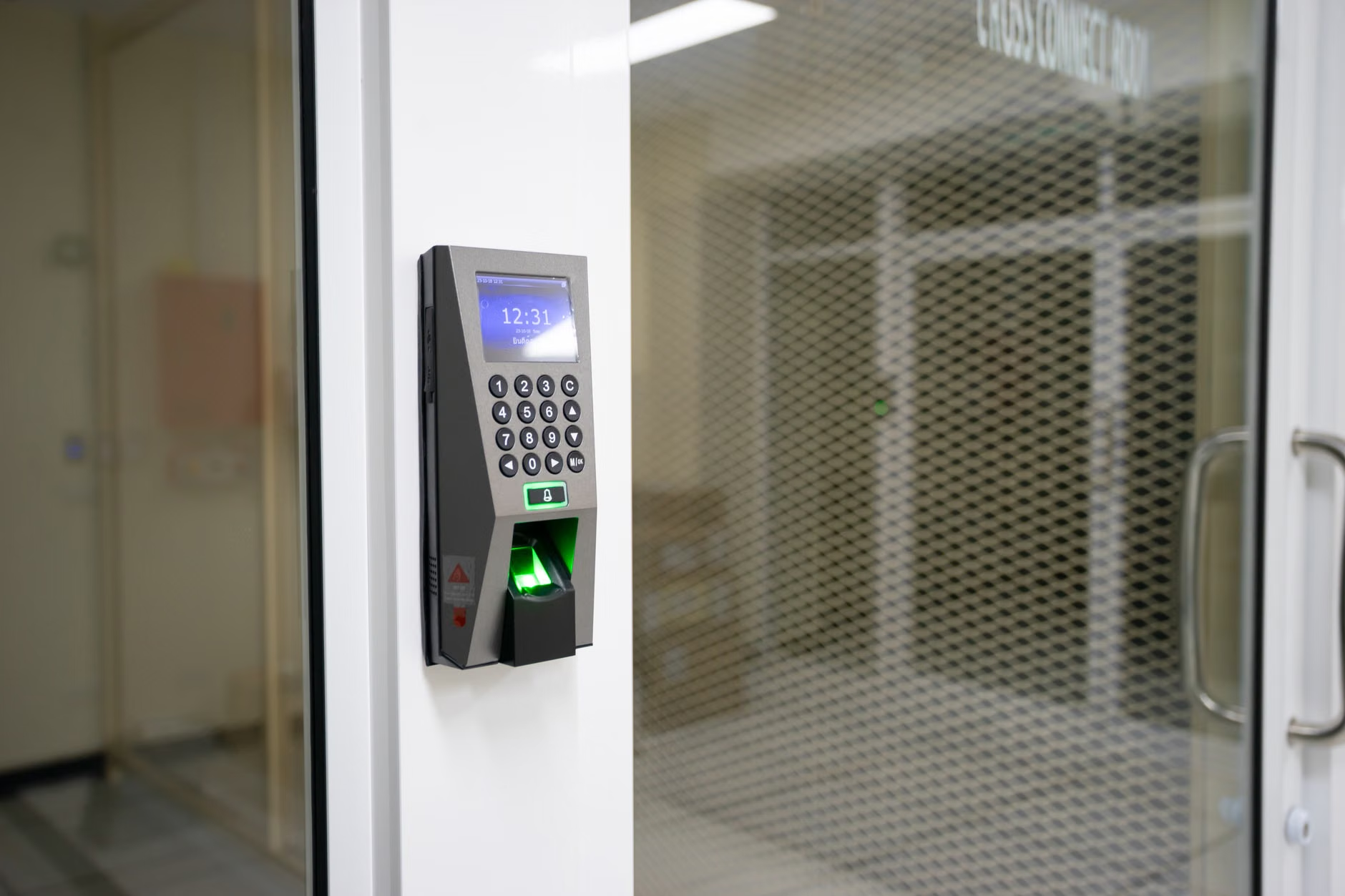
- Reduced Fraud: Using biometric verification (like facial recognition or fingerprint scanning) makes it significantly harder for scammers to impersonate you.
- Data Minimization: You can prove you are over 65 for a travel discount without revealing your exact date of birth or home address to the service provider.

How Digital Identity Verification Works in 2026
Understanding the “how” is crucial for maintaining your digital independence. The transition is moving away from “knowledge-based” authentication (answering security questions like “What was your first pet’s name?”) to “possession and biometric” authentication.
The Three Pillars of Modern Verification
| Authentication Method | How It Works | Why It Is Safer |
|---|---|---|
| Biometrics | Fingerprint, facial scan, or iris scan. | It is unique to your physical anatomy; it cannot be forgotten or guessed. |
| Hardware Tokens | A physical key or smartphone-based “Secure Element.” | Even if someone steals your password, they cannot access your account without the physical device. |
| Decentralized Identity | Data stays on your device, not a central government server. | Reduces the risk of massive data breaches affecting your personal information. |
What this looks like in real life: Imagine you are logging into your national pension portal to check your monthly statement. Instead of typing a long password, you open the government’s official app on your phone. The app asks you to look at the screen for a brief facial scan. Once verified, you are automatically logged into the website on your computer. You never typed a password that could be stolen, and the website never “saw” your face—it only received a “Yes, this is the account holder” signal from your secure device.
Practical Steps to Prepare and Protect Yourself
You do not need to become a technical expert to navigate these changes. However, there are practical steps you should take to ensure your digital life remains secure and accessible as these standards roll out.
1. Audit Your Existing Accounts
Before the 2026 standards become the default, identify the “Primary” accounts you use. This typically includes your bank, your primary healthcare provider, and your government tax or pension portal. Ensure that your phone number and email address on file with these institutions are current. If you lose access to your phone, you may be locked out of your digital identity.
2. Learn to Use Biometrics Safely
Most modern smartphones have built-in biometric security. If you are not using “FaceID” or “Fingerprint Unlock” on your phone, you are likely relying on a simple PIN code, which is significantly easier for others to observe or guess. Enable these features in your phone’s settings under “Security” or “Biometrics.”
3. Beware of “Digital Identity” Scams
As the adoption of new digital ID standards increases, so will the prevalence of phishing scams. No government agency will ever call or email you asking for your biometric data or password to “update your digital ID.” Official updates are managed through secure, pre-existing portals that you navigate to yourself, not through links sent in text messages or emails.
The integration of digital ID into healthcare and travel is perhaps the most significant change for those over 60. By 2026, digital health records will be increasingly linked to your verified ID, allowing for faster coordination of care, especially if you are traveling and need to share your medical history with a doctor in a different region or country.
Healthcare: Accessing Records
If you have chronic health conditions, the ability to store a “digitally signed” summary of your medications and allergies on your phone is a major safety benefit. Under the 2026 standards, you will be able to show a QR code on your phone to an emergency responder or physician, which they can scan to see your verified medical summary. This avoids the common mistake of misremembering medication dosages or names during a stressful medical appointment.
Travel: Seamless Border Crossing
In various regions, including the European Union and parts of Asia-Pacific, digital travel credentials are being tested to replace the need for manual passport stamping. For the frequent traveler, this means shorter wait times. However, always carry your physical passport. Digital IDs are a supplement to, not a replacement for, your physical passport in international travel during the initial rollout phase of 2026.
When Things Go Wrong: Troubleshooting and Support
Technology is not infallible. What happens if your phone breaks, or the facial recognition doesn’t recognize you because of lighting or changes in appearance? The 2026 standards include “fallback” mechanisms, but you must know how to access them.
The “Human-in-the-Loop” Requirement
Global standards for 2026 specifically mandate that digital identity systems must have a non-digital alternative. If you are unable to access your digital account, you have the right to visit a physical office to verify your identity in person. Do not feel intimidated by automated systems; they are designed to be an option, not a barrier to your rights as a citizen or consumer.
Actionable Checklist for Digital Issues:
- Keep physical backups: Print out your recovery codes and store them in a fireproof box or with a trusted family member.
- Identify your support channel: Before you have a problem, find the physical address or the dedicated “senior support” phone number for your pension or health agency.
- Use a “Digital Executor”: If you are comfortable, designate a trusted family member who knows where your essential account recovery information is stored in the event of an emergency.
The Role of Family and Caregivers
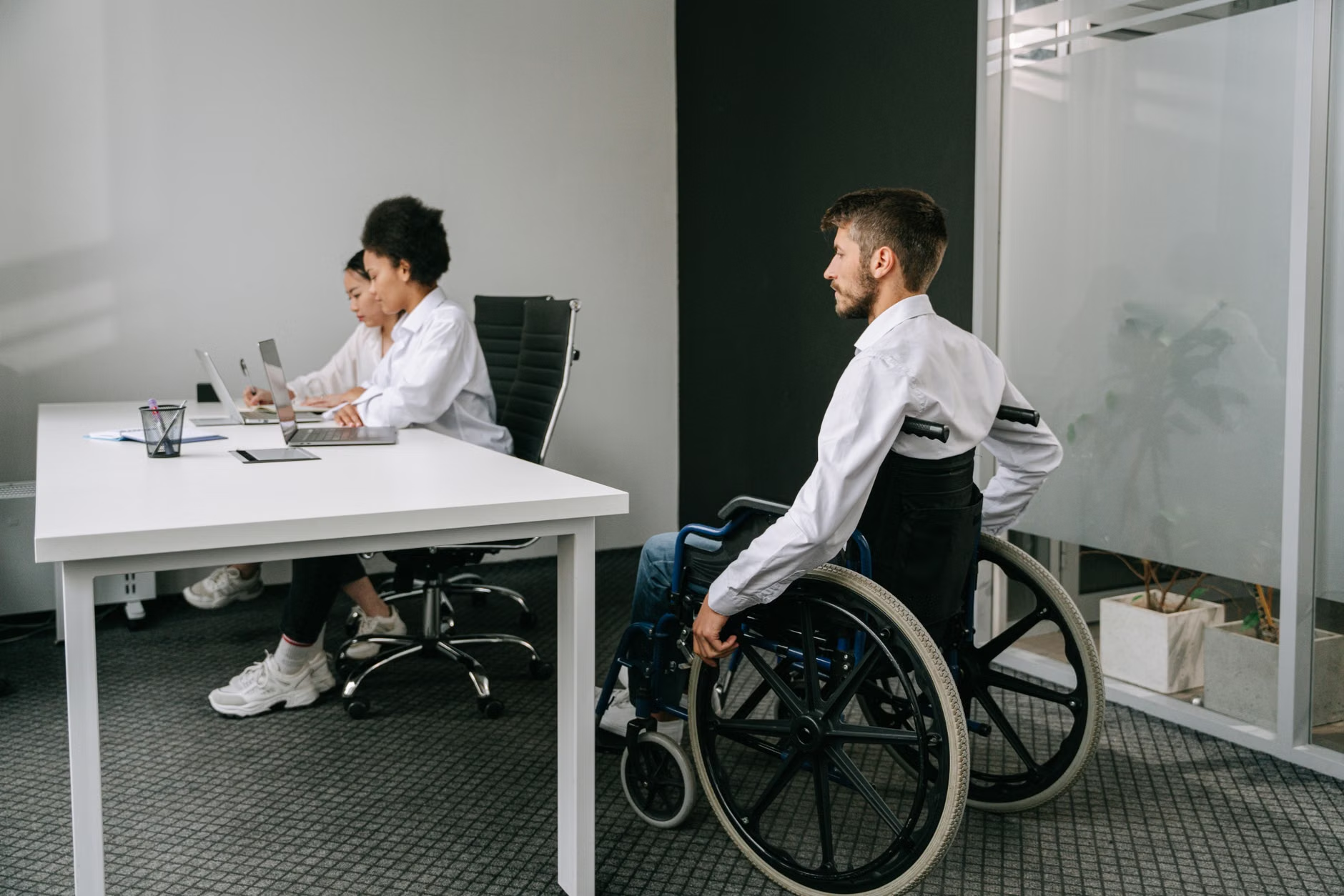
If you are a family member or caregiver, your role in this transition is one of empowerment. Help your loved ones set up their devices properly, but avoid the temptation to “take over” their accounts. The goal of the 2026 digital ID standards is personal autonomy. By teaching an older adult how to use their biometric verification, you are helping them maintain their independence, not creating a dependence on you.
Common Mistake: Sharing passwords. Many families share passwords for convenience. With the new 2026 standards, this will become harder and more dangerous. Instead of sharing passwords, encourage the use of “authorized access” features, where the institution allows you to view certain account details (like utility bills) without having full control over the primary identity account.
Insights on the Future of Digital Citizenship
The transition to 2026 standards is not just about convenience; it is about the “digitization of trust.” As we rely more on digital verification, the biggest risk is not technology itself, but the isolation of those who cannot or will not use it. It is essential for governments to maintain “analog” access points for the foreseeable future.
Furthermore, one overlooked variable is the “longevity” of our digital data. As these systems become permanent, ensure that your digital identity is not tied to a single device. When you upgrade your phone, ensure that your biometric and security keys are transferred properly. Most modern systems provide a “Migration Assistant” when you set up a new phone—use this tool rather than trying to manually re-register your identity for every individual app.
Conclusion
The 2026 updates to global digital ID standards represent a transition toward a more secure and accessible way of proving who you are. While the technical jargon can be daunting, the practical reality is a shift toward easier logins, better protection against fraud, and more efficient access to the services that matter most to you. By understanding the basics of biometric security, keeping your contact information current, and knowing where to go for physical, human assistance, you can embrace these changes with confidence. Your identity is your own; these new standards are simply the tools to help you keep it safe in a digital world.
Frequently Asked Questions (FAQ)
1. Will I be forced to use a smartphone for my government services by 2026?
No. While smartphones are the primary vehicle for these new digital ID standards, governments are legally required to provide non-digital alternatives. If you do not wish to use a smartphone, you will still be able to use physical ID cards, in-person verification, and traditional paper-based communication with public agencies.
2. Is my biometric data (like facial scans) stored by the government?
In most jurisdictions following the 2026 standards, your biometric data is stored locally on your own device, not in a central government database. When you verify your identity, your phone sends a “digital token” to the agency confirming your identity, rather than sending your actual face or fingerprint image. Always check the specific privacy policy of your local government’s digital ID app for confirmation.
3. What should I do if my digital identity is compromised?
If you suspect unauthorized access, treat it with the same urgency as a lost wallet or stolen credit card. Immediately contact the government agency or financial institution involved, and use their official “Report Identity Theft” portal. Because these systems use secure, encrypted keys, they often have a “kill switch” that allows you to instantly revoke access from your lost or compromised device, preventing further issues.
Official guidance on digital identity standards can be found through your national government’s official portal (e.g., GOV.UK, USA.gov, or the European Commission Digital Strategy). Always navigate directly to these sites rather than clicking links in unsolicited emails.