- Learning meteorology provides a structured way to maintain cognitive plasticity by integrating observational skills with logical analysis.
- Understanding the basic mechanics of weather—such as pressure systems and humidity—allows you to interpret local forecasts with greater accuracy and personal relevance.
- Practical observation, such as keeping a weather journal, transforms passive consumption of news into an active, rewarding hobby that connects you to your local environment.
The sky is a dynamic, ever-changing canvas that offers one of the most accessible and intellectually stimulating hobbies available: meteorology. For many adults, the weather is merely a backdrop to daily life, something we check on a phone app before leaving the house. However, by shifting from a passive consumer of weather reports to an active observer of atmospheric processes, you engage your brain in a complex, rewarding puzzle that enhances spatial reasoning, pattern recognition, and memory.
The Cognitive Benefits of Studying Weather Patterns
Engaging with meteorology is more than just learning to predict if you need an umbrella. It is an exercise in systems thinking. When you study the atmosphere, you are learning how different variables—temperature, pressure, humidity, and wind speed—interact within a closed system. This requires the brain to categorize information, recognize sequences, and apply theoretical knowledge to real-world observations.
Research suggests that lifelong learning, particularly in subjects that require active engagement rather than rote memorization, helps maintain cognitive health. Meteorology is ideal because it bridges the gap between abstract science and immediate, physical experience. When you look at a cloud, you aren’t just identifying a shape; you are identifying the thermodynamic processes occurring at that specific altitude. This constant mental effort acts as a workout for the neural pathways involved in deductive reasoning.
Understanding the Basics: The Four Pillars of Weather
To begin your journey into meteorology, you do not need a degree in physics. You simply need to understand the fundamental mechanics that drive our climate. Every weather event is a result of the atmosphere attempting to find balance. Here are the four pillars you should focus on first:
1. Atmospheric Pressure
Atmospheric pressure is the weight of the air above us. High-pressure systems generally bring calm, clear weather because air is sinking, which prevents clouds from forming. Low-pressure systems are the opposite; air is rising, cooling, and condensing into moisture. Understanding the difference between these two is the single most important step in interpreting any weather map.
2. Humidity and Dew Point
Humidity is often misunderstood. We hear “relative humidity” on the news, but the dew point is a more accurate measure of how “sticky” or comfortable the air actually feels. It is the temperature to which air must be cooled to become saturated with water vapor. Learning to track the relationship between air temperature and dew point provides a much deeper insight into why a summer afternoon feels oppressive or why a winter morning brings heavy frost.
3. Solar Radiation and Heat Transfer
The sun is the engine of our weather. Heat is distributed around the Earth through conduction, convection, and radiation. By observing how your local environment—whether it is a valley, a coastal town, or a city—retains or loses heat, you can begin to predict local phenomena like afternoon thunderstorms or overnight fog.
4. Cloud Classification
Clouds are the “road signs” of the atmosphere. They tell you exactly what is happening in the layers of air above you. Learning the three basic cloud types—Cirrus (high, wispy), Cumulus (puffy, vertical), and Stratus (low, layered)—gives you a literal visual language for the state of the sky.
Building Your Observation Toolkit
You do not need expensive equipment to start. In fact, the most valuable tool you have is your own perception. However, adding a few simple instruments can turn your hobby into a scientific endeavor.
| Tool | What it Measures | Practical Insight |
|---|---|---|
| Barometer | Atmospheric Pressure | Rising pressure indicates improving weather; falling pressure warns of approaching storms. |
| Hygrometer | Humidity | Helps you understand air quality and potential for precipitation. |
| Thermometer | Temperature | Essential for tracking heat trends and identifying cold fronts. |
| Weather Journal | Observations | Linking your notes to official data helps you learn patterns specific to your region. |
A Note on Decision Making: When choosing tools, avoid “all-in-one” digital weather stations if you want to learn the science. A digital station gives you the answer, but a manual barometer and a thermometer require you to read, record, and interpret the data yourself. This manual process is exactly what provides the cognitive benefit.
Developing Your Own Weather Journal
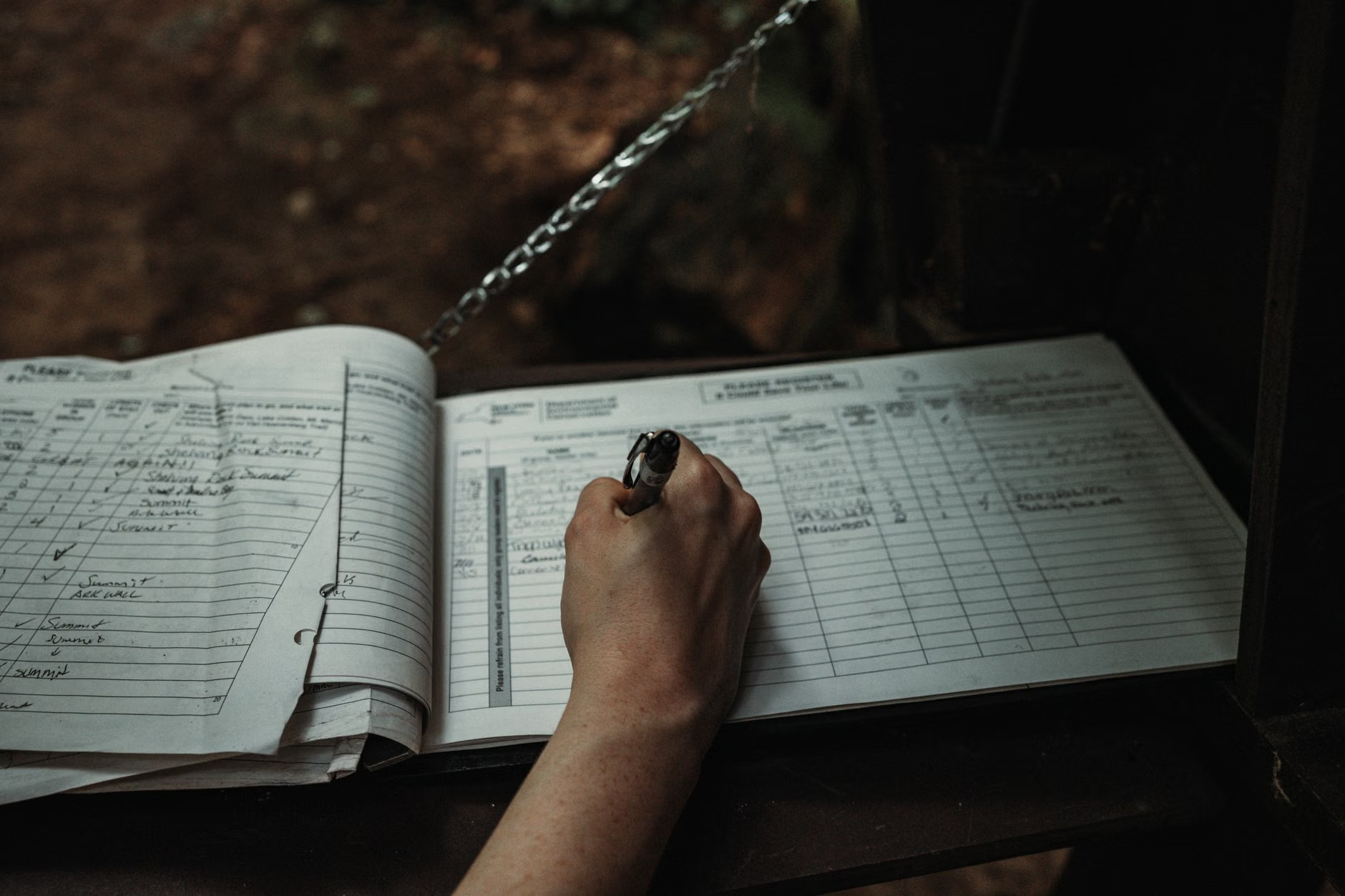
A weather journal is the cornerstone of this hobby. It is not just a place to write “it rained today.” It is a place to document the why. A good entry should include:
- Time and Date: Essential for tracking patterns over weeks and months.
- Sky Conditions: Use basic cloud identification (e.g., “Cumulus clouds developing in the afternoon”).
- Pressure Trend: Is the barometer steady, rising, or falling?
- Personal Comfort: How did the air feel? Was it crisp, heavy, or dry?
- Comparison: How does today’s weather compare to yesterday’s forecast?
By comparing your notes to the professional forecast provided by national meteorological services (such as the World Meteorological Organization‘s regional partners), you will start to notice where your local microclimate differs from the general regional report. This is where the real joy of the hobby lies—understanding the unique “weather personality” of your own neighborhood.

Avoiding Common Pitfalls
One of the most common mistakes newcomers make is relying too heavily on smartphone apps. Apps provide “processed” data. They are convenient for planning a trip, but they are poor teachers. If you want to engage your mind, you must move beyond the app.
Another pitfall is trying to predict the weather too far into the future. Even professional meteorologists struggle with accuracy beyond a few days. Focus on “nowcasting”—the practice of observing the sky and instruments to predict the weather for the next few hours. This is safer, more accurate, and much more satisfying.
Finally, be careful not to view your observations as a replacement for official warnings. If you live in an area prone to severe weather, always prioritize official alerts from government agencies. Your hobby is about understanding the sky, not about personal risk management during extreme events.
Integrating Meteorology into Daily Life
How does this change your day-to-day existence? It turns a mundane walk into a scientific expedition. Instead of simply walking to the park, you are observing the wind direction, noticing the cloud height, and feeling the humidity. You become attuned to the rhythms of the seasons in a way that most people never experience.
This awareness also helps with planning. You will naturally start to understand when a “cold front” is approaching based on the shift in wind direction and the drop in temperature, allowing you to prepare your home or your clothing choices long before the news reports the change. It fosters a sense of agency and confidence in your environment.
Advanced Exploration: The Science of Microclimates
Once you are comfortable with the basics, you can begin to explore microclimates. A microclimate is a small area where the climate differs from the surrounding area. If you live near a large body of water, a forest, or in a hilly region, you have a local microclimate that is governed by unique rules.
For example, if you live near the coast, you might observe the “sea breeze” effect—where cool air from the ocean moves inland during the day as the land heats up. Identifying how these local features influence your daily weather is a sophisticated way to apply your knowledge. You can start by comparing your temperature readings with a friend who lives 10 or 20 kilometers away. The differences you find will be the result of your unique local geography.
The Social and Practical Dimension
Learning meteorology is a hobby that can be shared. It is an excellent activity to do with grandchildren or friends. Explaining why the sky turned purple at sunset or why the wind picked up before the rain is a way to share knowledge and foster curiosity in others. It turns you into a community resource, someone who understands the local environment.
For those who may be less mobile, meteorology is an ideal indoor-outdoor hobby. You can observe the sky from a window or a porch, and the act of recording data in a journal can be done from the comfort of a favorite chair. It requires no physical exertion, yet it keeps the mind sharp and focused on the outside world.
Final Thoughts on Your Journey
The study of meteorology is a lifelong endeavor. The sky never repeats itself exactly; there is always a new pattern, a new cloud formation, or a new atmospheric quirk to observe. By committing to this hobby, you are choosing to remain a student of the world, maintaining your curiosity and your cognitive sharpness through the simple, profound act of looking up.
Start today by simply noting the cloud types you see. Tomorrow, add a temperature reading. Within a month, you will find yourself checking the sky with a new sense of purpose, seeing not just weather, but the intricate, beautiful machinery of our planet at work.
Frequently Asked Questions (FAQ)
1. Do I need expensive equipment to start learning meteorology?
No. You can start with nothing more than your eyes and a notebook. Over time, you might choose to add a basic thermometer, a hygrometer, and a barometer, which are widely available and relatively inexpensive. The value of this hobby comes from your observation and analysis, not the cost of your tools.
2. Is it difficult to learn the technical terms in meteorology?
While there are technical terms, you do not need to memorize them all to enjoy the hobby. Start with the basics like “high-pressure system,” “low-pressure system,” and the three main cloud families. You will find that these terms become second nature as you use them in your daily observations.
3. Can I use my weather observations to predict the weather accurately?
You can certainly learn to predict local weather trends for the next few hours with reasonable accuracy. However, meteorology is a complex science involving global systems. Use your observations to understand what is happening around you, but always rely on official meteorological services for warnings regarding severe weather or long-term forecasts.
Disclaimer: This article is for educational and leisure purposes only. It is not intended to replace official weather forecasts or emergency warnings. Always consult local government meteorological services for information regarding severe weather events.