- Copper is a vital trace mineral that facilitates the enzyme lysyl oxidase, which is essential for cross-linking collagen and elastin, the building blocks of connective tissue.
- For adults aged 60-80, obtaining copper through whole foods like legumes, nuts, and seeds is safer and more effective than relying on high-dose supplements, which carry toxicity risks.
- Monitoring your intake involves balancing copper with zinc, as excessive zinc supplementation can interfere with copper absorption, potentially leading to deficiencies over time.
Maintaining Connective Tissue Elasticity: The Role of Dietary Copper in Aging
As we navigate our 60s, 70s, and beyond, the structural integrity of our bodies—specifically our connective tissues—becomes a primary focus for long-term mobility and skin health. While much attention is often given to protein intake or calcium for bone density, a less-discussed but equally critical component is the trace mineral copper. Copper plays a silent but essential role in maintaining the elasticity of our skin, blood vessels, and joints.
Understanding how copper functions within the body is the first step toward making informed dietary choices. By prioritizing nutrient-dense whole foods, you can support your body’s natural maintenance processes without the need for complex medical interventions.
What is Copper’s Role in Connective Tissue?
At the microscopic level, your connective tissue is held together by a complex network of proteins, primarily collagen and elastin. Collagen provides the tensile strength, while elastin provides the flexibility, allowing tissues to stretch and return to their original shape. To keep this network functional, the body relies on an enzyme called lysyl oxidase.
Lysyl oxidase acts as a biological “glue.” It is responsible for cross-linking collagen and elastin fibers, ensuring they are tightly woven and durable. Crucially, lysyl oxidase is a copper-dependent enzyme. Without adequate copper, this enzyme cannot function effectively, leading to weaker, less elastic connective tissues. In practical terms, this can manifest as thinner skin, reduced joint flexibility, and less resilient vascular walls.
It is important to understand that while aging naturally leads to some loss of elasticity, nutritional support can help optimize the body’s ability to repair and maintain these structures. This is not about reversing aging, but about providing your biological systems with the raw materials they need to function at their best.

Identifying Practical Dietary Sources
Unlike some nutrients that require fortified foods or aggressive supplementation, copper is readily available in many common, whole-food ingredients. For most adults, a balanced diet that includes a variety of plant-based and animal-based sources is sufficient to meet the recommended daily intake.
Top Copper-Rich Food Groups
Incorporating these foods into your daily routine does not require a radical change in your eating habits. Instead, focus on small, consistent additions:
| Food Category | Examples | Usage Tips |
|---|---|---|
| Legumes | Lentils, chickpeas, soybeans | Use in soups, stews, or salads for added fiber and minerals. |
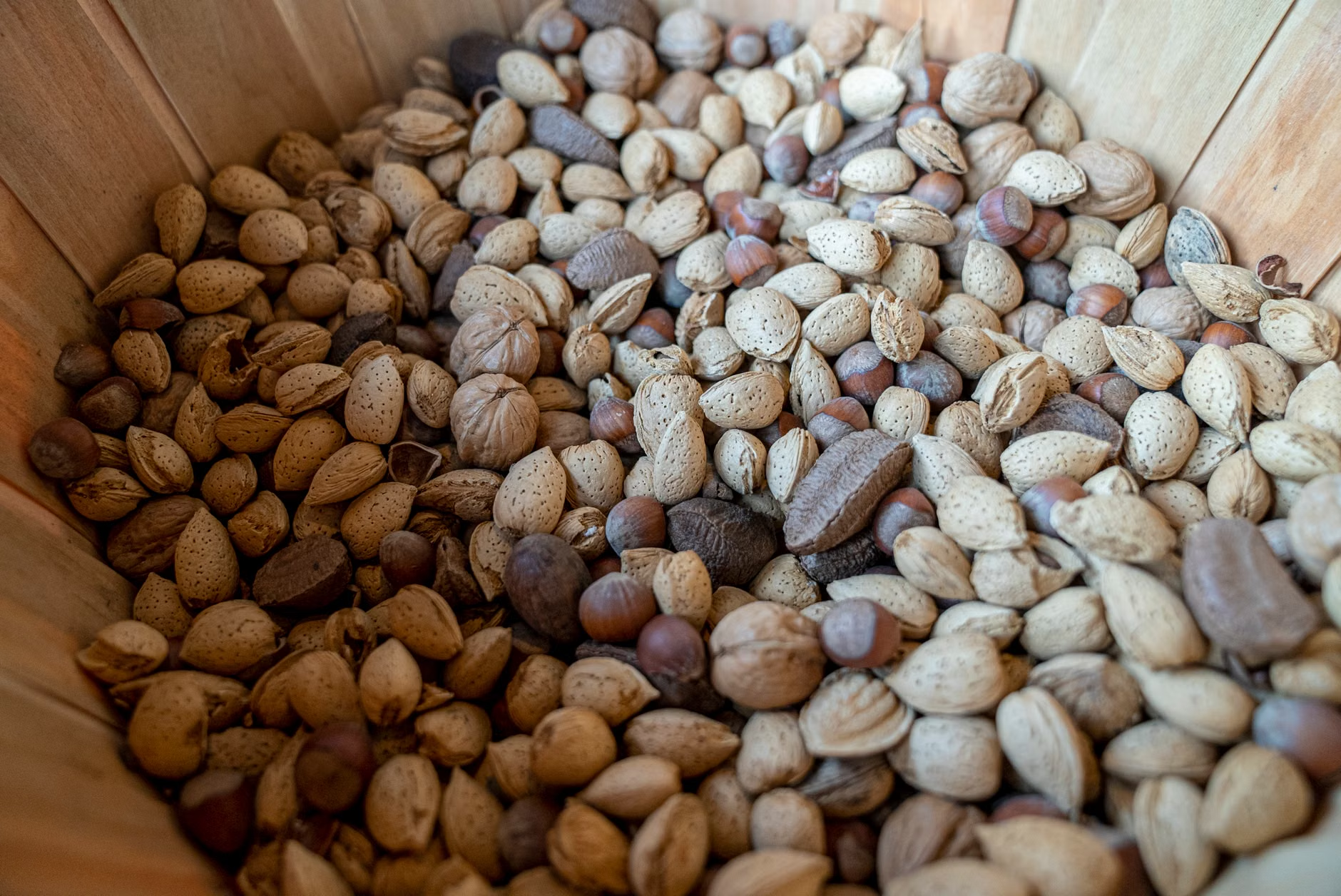
| Nuts and Seeds | Cashews, sunflower seeds, almonds | A small handful as a snack or sprinkled on yogurt/oatmeal. |
| Whole Grains | Quinoa, buckwheat, whole wheat | Substitute refined rice or pasta with these nutrient-dense grains. |
| Organ Meats | Beef liver | Consume sparingly; extremely high in copper. |
When choosing between these options, consider your personal digestive comfort and lifestyle. For example, if you find legumes difficult to digest, start with small portions or opt for sprouted varieties, which are often easier on the gut. If you are managing your caloric intake, remember that nuts and seeds are energy-dense; a small handful (about 30 grams) is usually sufficient for a daily boost.
The Zinc-Copper Interaction: A Critical Balancing Act
One of the most overlooked variables in nutrition for older adults is the relationship between copper and zinc. While both are essential trace minerals, they compete for absorption in the small intestine. High doses of zinc—often taken in supplements for immune support—can inhibit the absorption of copper.
This is a common “hidden” issue for seniors who take daily multivitamins or specific immune-boosting supplements. If you are regularly taking a zinc supplement, you may inadvertently be inducing a copper deficiency, even if your diet is otherwise healthy.
How to Manage Your Intake
- Review your current supplements: Check the labels of your daily multivitamin or mineral supplements. If they contain high amounts of zinc (usually over 40mg per day), discuss this with your primary care physician or a registered dietitian.
- Prioritize food over pills: When you consume copper through whole foods, it comes packaged with other nutrients that help the body regulate absorption. Supplements lack this biological synergy.
- Monitor for signs of deficiency: While rare in healthy individuals, chronic copper deficiency can lead to unexplained fatigue, weakness, or neurological symptoms. If you experience persistent symptoms, do not self-diagnose—seek a blood panel from your doctor to check your serum copper and ceruloplasmin levels.
Lifestyle Factors Beyond Diet
While diet is the foundation, other lifestyle factors influence how your body utilizes nutrients and maintains tissue health. Connective tissue is not just affected by what you eat, but by how you move and protect your body from external stress.
Hydration and Tissue Elasticity
Connective tissues, particularly cartilage and skin, are highly dependent on hydration. Collagen fibers are more prone to damage when the surrounding tissue is dehydrated. As we age, our sensation of thirst often diminishes, making it easier to become chronically dehydrated without realizing it. Aim for consistent, moderate water intake throughout the day rather than drinking large amounts at once, which helps your tissues maintain their structural volume.
The Impact of Sun Exposure
While we often associate sun exposure with skin cancer, it is also a primary driver of photo-aging, which directly degrades the collagen and elastin that your dietary copper is working to support. Protecting your skin with UV-protective clothing and sunscreen is, in effect, a way to preserve the connective tissue that your diet is building.
Physical Activity and Mechanical Load
Connective tissue responds to mechanical load. Gentle, consistent exercise—such as walking, swimming, or resistance training—stimulates the production of collagen. The mechanical stress of exercise sends a signal to your body to reinforce these tissues. Ensure your exercise routine is sustainable and low-impact to avoid injury, which can cause inflammatory responses that counteract the benefits of good nutrition.
If you are concerned about joint pain, skin integrity, or vascular health, it is natural to want to take action. However, avoid the temptation to start high-dose mineral supplementation without a clear clinical need. Copper toxicity is a serious condition that can lead to liver damage and other systemic issues.
When you visit your doctor to discuss these concerns, come prepared. An effective consultation involves more than just describing symptoms; it involves providing a clear picture of your lifestyle:
- Bring a medication and supplement list: Include dosages and frequency. This is vital for identifying potential nutrient interactions.
- Document your specific concerns: Instead of saying “I feel like my joints are stiff,” note when the stiffness occurs, how long it lasts, and what activities seem to trigger it.
- Ask about blood testing: If you suspect a deficiency, ask specifically about testing your serum copper and ceruloplasmin levels. These are the gold-standard markers for assessing copper status.
Remember, your primary care physician acts as a gatekeeper to specialized care. If you are experiencing symptoms that affect your mobility, do not wait for them to resolve on their own. Early intervention, whether it involves simple dietary adjustments or physical therapy, is always more effective than waiting until a condition becomes chronic.
Understanding the Limits of Prevention
It is important to maintain realistic expectations regarding nutritional interventions. While copper is essential for collagen cross-linking, it is not a “cure” for age-related tissue degradation. Many factors—genetics, systemic inflammation, hormonal changes, and cumulative environmental exposure—contribute to the state of your connective tissue.
Nutrition provides the building blocks, but it cannot override biological processes that are already in motion. Instead of viewing copper as a “fountain of youth,” view it as a necessary maintenance tool. By ensuring your body has the raw materials it needs, you are creating the best possible environment for your body to manage the inevitable changes that come with age.
Furthermore, avoid trends that promise “youthful skin” or “joint regeneration” through specific mineral cocktails. If a claim sounds too good to be true, it likely is. Focus on the basics: a varied diet, proper hydration, regular movement, and regular check-ups with your healthcare provider. These are the pillars that support long-term wellbeing in the 60 to 80 age range.
Conclusion: A Sustainable Approach to Nutrition
The health of your connective tissue is a lifelong project, but it is one that remains manageable well into your 80s. By incorporating copper-rich foods like lentils, cashews, and whole grains into your diet, you support the essential enzymes that keep your skin, joints, and blood vessels resilient. Remember to monitor your zinc intake, stay hydrated, and protect your skin from unnecessary damage.
Most importantly, avoid the trap of over-supplementation. Your body is highly efficient at extracting what it needs from a balanced, whole-food diet. If you feel your health requires a more targeted approach, consult your healthcare provider to ensure that any adjustments you make are safe and evidence-based. By focusing on these practical, daily habits, you can support your body’s natural elasticity and maintain your mobility and comfort for years to come.
Frequently Asked Questions
1. Can I get enough copper just by eating fruits and vegetables?
While fruits and vegetables are vital for overall health, they are generally not the most concentrated sources of copper. To ensure adequate intake, focus on legumes (lentils, chickpeas), nuts (especially cashews), seeds (sunflower, sesame), and whole grains like quinoa or buckwheat. A diverse diet that includes these groups is typically sufficient.
2. Should I take a copper supplement to improve my skin elasticity?
It is generally not recommended to take copper supplements without a diagnosed deficiency. High levels of copper can be toxic and may interfere with the absorption of other minerals like zinc. It is safer and more effective to increase your intake through whole foods, which provide a balanced profile of nutrients that the body is evolved to process.
3. How do I know if I have a copper deficiency?
Copper deficiency is relatively rare in healthy adults. Symptoms can be vague and include persistent fatigue, weakness, or issues with balance and coordination. Because these symptoms can be caused by many other conditions, you should never self-diagnose. If you are concerned, speak to your doctor and request a blood test to check your copper and ceruloplasmin levels.
Official guidance on nutrient requirements can be found at the National Institutes of Health (NIH) Office of Dietary Supplements. Always consult with your local healthcare provider regarding your specific health needs and before making significant changes to your diet or supplement regimen.