Maintaining strong bones is a cornerstone of independence and mobility for adults aged 60 to 80. While calcium and vitamin D often dominate the conversation, trace minerals like manganese play a critical, yet frequently overlooked, role in maintaining bone mineral density and structural integrity.
- Manganese is a vital co-factor for enzymes that build bone cartilage and bone matrix; it is not just a supplement but a dietary necessity.
- You can easily meet your daily requirement through whole, unprocessed foods like nuts, seeds, whole grains, and legumes without relying on high-dose supplements.
- Excessive manganese intake through over-supplementation can be harmful; focus on a varied diet to achieve the optimal balance for skeletal health.
Understanding Manganese: The Hidden Architect of Bone
Manganese is a trace mineral, meaning the body requires it in very small amounts. Despite its small requirement, its influence on the skeletal system is profound. It acts as an essential component for several enzymes, most notably glycosyltransferases, which are responsible for the formation of proteoglycans—the molecules that provide the structural foundation for cartilage and bone.
In older adults, the bone remodeling process slows down, and the risk of bone density loss increases. Manganese supports the body’s ability to synthesize these structural components, effectively helping to maintain the “scaffolding” of your bones. Without adequate manganese, the synthesis of collagen and other connective tissues can be compromised, potentially leading to weakened bone structure even if calcium intake is sufficient.

Why Manganese Matters for the 60+ Demographic
As we age, the cumulative effect of bone turnover becomes more apparent. Osteopenia and osteoporosis are common concerns for those in the 60–80 age range. While many focus strictly on calcium, scientific research indicates that bone health is a synergistic process. Think of calcium as the “bricks” of your bone, and manganese as part of the “mortar” that holds those bricks together in a stable, flexible structure.
The Enzyme Connection
Manganese is a cofactor for enzymes that participate in the metabolism of amino acids, cholesterol, and carbohydrates. More importantly for our focus, it is necessary for the activation of enzymes that build healthy bone tissue. When the body lacks sufficient manganese, the density of the bone matrix can be negatively impacted, potentially increasing the risk of fragility fractures.
The Risk of Deficiency vs. Toxicity
True manganese deficiency is relatively rare in healthy individuals who consume a varied diet. However, for older adults who may have restricted diets due to digestive issues, appetite changes, or reliance on processed foods, the risk of sub-optimal intake increases. Conversely, it is important to note that “more” is not “better.” Unlike water-soluble vitamins that are easily excreted, manganese can accumulate in the body, particularly in the brain and liver, if taken in excessive amounts through synthetic supplements. Always prioritize dietary sources over concentrated supplements unless specifically advised by a healthcare provider.
Practical Dietary Sources: Filling Your Plate
The most effective way to maintain healthy manganese levels is through a diverse, plant-forward diet. Unlike some minerals that are difficult to absorb, manganese is readily available in many common, affordable, and shelf-stable foods.
| Food Category | Examples | Practical Usage |
|---|---|---|
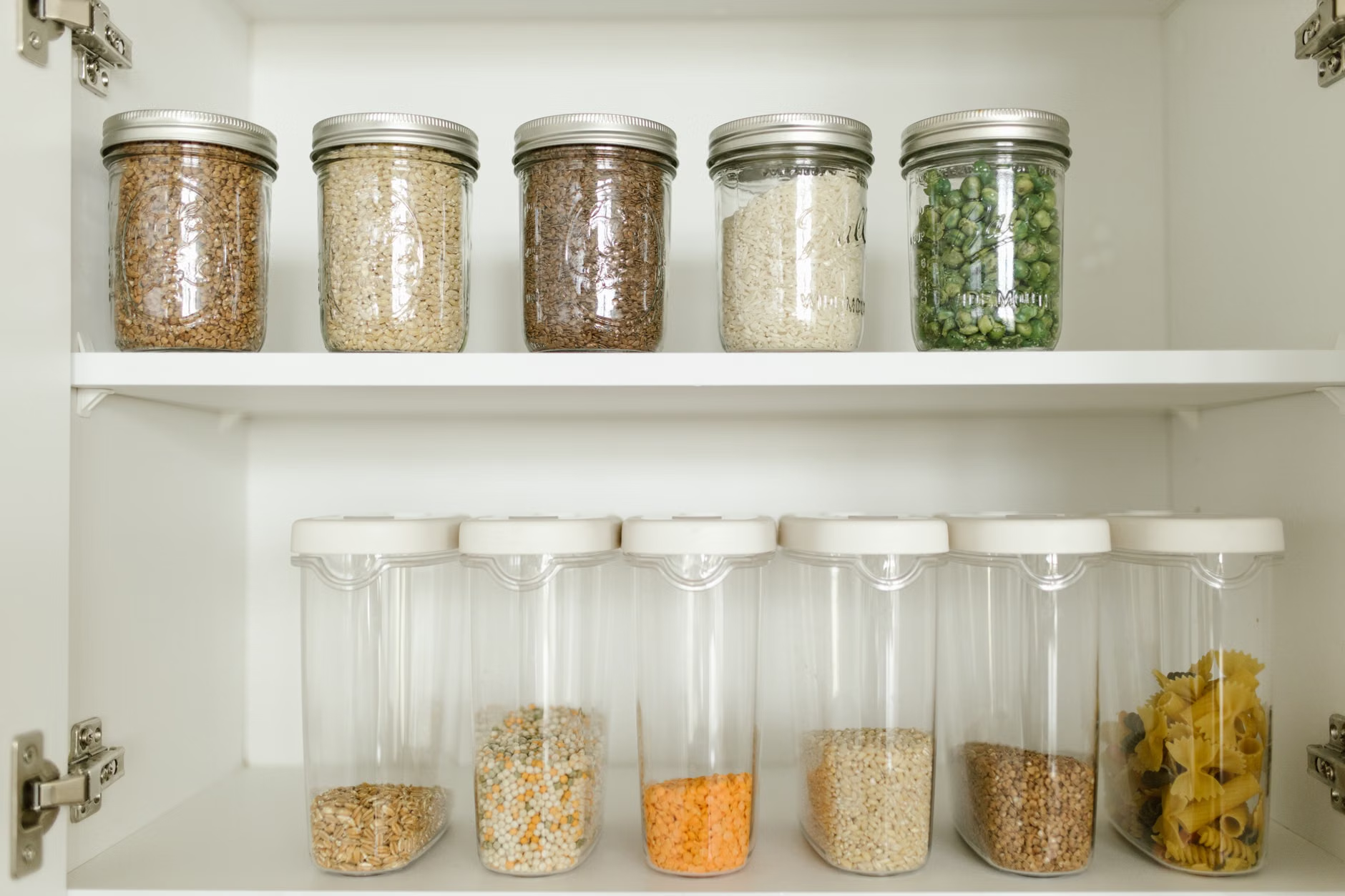
| Whole Grains | Brown rice, oats, quinoa, barley | Use as a base for meals or breakfast porridge. |
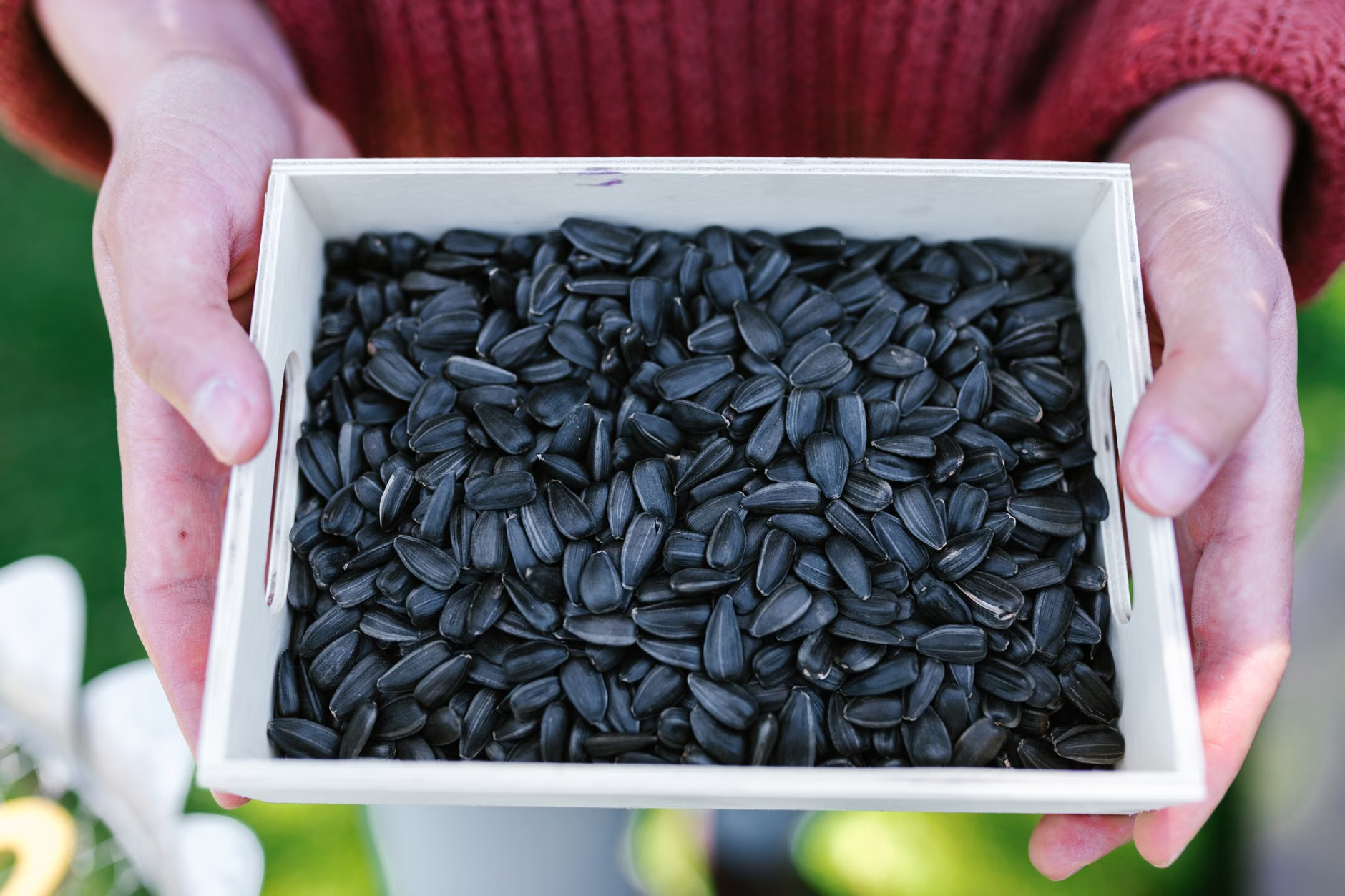
| Nuts and Seeds | Pumpkin seeds, almonds, walnuts, pecans | Sprinkle on salads, yogurt, or eat as a snack. |
| Legumes | Chickpeas, lentils, black beans | Add to soups, stews, or make into hummus. |
| Leafy Greens | Spinach, kale, Swiss chard | Sautéed as a side dish or blended into smoothies. |
Using the table above, you can see that integrating manganese into your daily routine does not require complex meal planning. If you struggle with digestion, cooking legumes thoroughly or opting for sprouted grains can make these nutrients more bioavailable and easier to process.
As we navigate our 60s, 70s, and beyond, our metabolic needs shift. Digestion may become less efficient, and certain medications can interact with nutrient absorption. It is critical to view bone health not as a single-nutrient project, but as a holistic effort.
The Synergy of Nutrients
Manganese does not work in isolation. To maintain bone density, it must be supported by adequate levels of Calcium, Vitamin D, Vitamin K, and Magnesium. For example, Vitamin K is essential for binding calcium to the bone matrix, a process that is also supported by the enzymes that manganese helps activate. A diet rich in variety—incorporating colorful vegetables, lean proteins, and healthy fats—is the most reliable strategy to ensure these nutrients work in harmony.
When to Consult Your Healthcare Provider
If you have been diagnosed with osteopenia or osteoporosis, your doctor may recommend specific interventions. Before adding any mineral supplement, including manganese, consider the following:
- Review your current medications: Some medications can interfere with the absorption of trace minerals.
- Check your current blood work: While routine blood tests don’t always measure manganese, your doctor can assess your general mineral status.
- Discuss your goals: Clarify whether you are looking to prevent further loss or manage a specific condition.
Practical Steps for Long-Term Bone Wellness
To implement these changes effectively, focus on sustainable habits rather than sudden, restrictive diets. Here is a step-by-step approach to ensuring your diet supports your bone health:
- Audit your pantry: Replace refined grains (white bread, white rice) with whole grain alternatives (brown rice, quinoa, steel-cut oats). This simple switch increases your manganese intake significantly without changing your portion sizes.
- The “Handful” Rule: Keep a container of raw, unsalted nuts and seeds easily accessible. A small handful daily provides a dense source of minerals.
- Diversify your cooking: If you find yourself eating the same three vegetables, challenge yourself to add one new leafy green or legume to your weekly shopping list.
- Monitor your digestion: If you experience bloating or discomfort when increasing your fiber intake (via legumes or grains), increase your water intake and introduce these foods gradually.
Common Misconceptions and Reality Checks
There is a persistent myth that “if a little is good, a lot is better.” In the world of trace minerals, this is dangerous. Manganese toxicity is a real concern, particularly for individuals with liver dysfunction or those who take high-dose supplements for long periods. Symptoms of toxicity can include neurological changes, which is why it is imperative to stick to food-based sources. Food provides manganese in a matrix of other nutrients that helps the body regulate absorption naturally.
Another common misconception is that you need expensive “bone health” formulas. Most of these products contain high doses of minerals that may not be necessary for your specific needs. By focusing on whole foods, you not only get the manganese you need but also the fiber, antioxidants, and phytochemicals that contribute to overall health and vitality.
Conclusion: A Balanced Approach to Aging
Taking care of your bones is a lifelong commitment, but the adjustments required in your 60s and 70s are manageable and grounded in the simple, powerful act of choosing whole foods. Manganese is a small piece of the puzzle, but by ensuring it is part of your daily intake, you are actively supporting the structural integrity of your body. Remember, the goal is not to “fix” your bones with a single nutrient, but to create a nutritional environment where your body can maintain itself effectively. Stay active, eat a diverse diet, and consult with your healthcare team to tailor these strategies to your personal health history.
Frequently Asked Questions
Q1: Can I get enough manganese from a vegetarian or vegan diet?
Yes, absolutely. In fact, many of the best sources of manganese—such as legumes, nuts, seeds, and whole grains—are staples of a plant-based diet. If you follow a vegan or vegetarian diet, you are likely already consuming adequate amounts of manganese, provided you are eating a variety of whole foods.
Q2: Is there a specific blood test to check my manganese levels?
While blood tests for manganese exist, they are not typically ordered as part of routine physical exams. Because manganese levels in the blood do not always accurately reflect the amount of the mineral stored in your tissues, doctors usually assess your nutritional status through a review of your diet and medical history rather than a blood test.
Q3: How much manganese do I actually need per day?
The Adequate Intake (AI) for manganese for men is approximately 2.3 mg per day and for women is approximately 1.8 mg per day. Most healthy adults who consume a balanced diet reach these levels without difficulty. It is best to aim for these levels through food rather than supplements to avoid the risk of excessive intake.
Disclaimer: This article is for informational purposes only and does not constitute medical advice, diagnosis, or treatment. Always seek the advice of your physician or other qualified health provider with any questions you may have regarding a medical condition or dietary changes.
Official Resources for Further Reading: