- Improved Visibility: The 2026 standards mandate a shift toward “cool-to-warm” LED technology that reduces glare, which is critical for maintaining depth perception as we age.
- Proactive Safety: New requirements for uniform light distribution mean fewer “shadow pockets” on walking paths, significantly reducing the risk of tripping or losing footing.
- Smart Integration: Many municipalities are introducing motion-activated lighting that increases brightness as pedestrians approach, ensuring energy efficiency without compromising personal safety.
For many of us, the evening stroll is a non-negotiable part of our daily wellness routine. Whether it is a brisk walk to maintain cardiovascular health or a gentle evening walk to clear the mind, public parks serve as our outdoor living rooms. However, as of 2026, new public park lighting standards are being rolled out globally to address the specific mobility and safety needs of an aging population. These changes are not merely about aesthetics; they are about functional accessibility.
Understanding the 2026 Lighting Shift
The 2026 standards represent a fundamental change in how urban planners think about nighttime illumination. Historically, park lighting was designed primarily for crime deterrence—often resulting in harsh, flickering, or uneven lights that created high-contrast shadows. These shadows are particularly problematic for older adults, as our eyes require more time to adjust to sudden shifts between light and dark, and depth perception can be impaired by strong glare.
The new guidelines prioritize uniformity and color temperature. Instead of bright spotlights that create pools of light, the 2026 standards call for a consistent “blanket” of illumination. This reduces the cognitive load required to navigate uneven terrain, such as park paths that might have minor cracks, tree roots, or gradient changes.
Why Uniformity Matters for Mobility
When walking on a path, our peripheral vision plays a vital role in balance. If a path has “hot spots” (very bright areas) and “cold spots” (dark shadows), the brain struggles to accurately judge the distance between our feet and the ground. This phenomenon, known as flicker-induced disorientation, is a common but often overlooked cause of tripping. By mandating a specific level of lux (the unit of light intensity) across the entire walking surface, the 2026 standards ensure that the ground remains clearly visible from edge to edge.
The Technology Behind the Standards: What to Expect
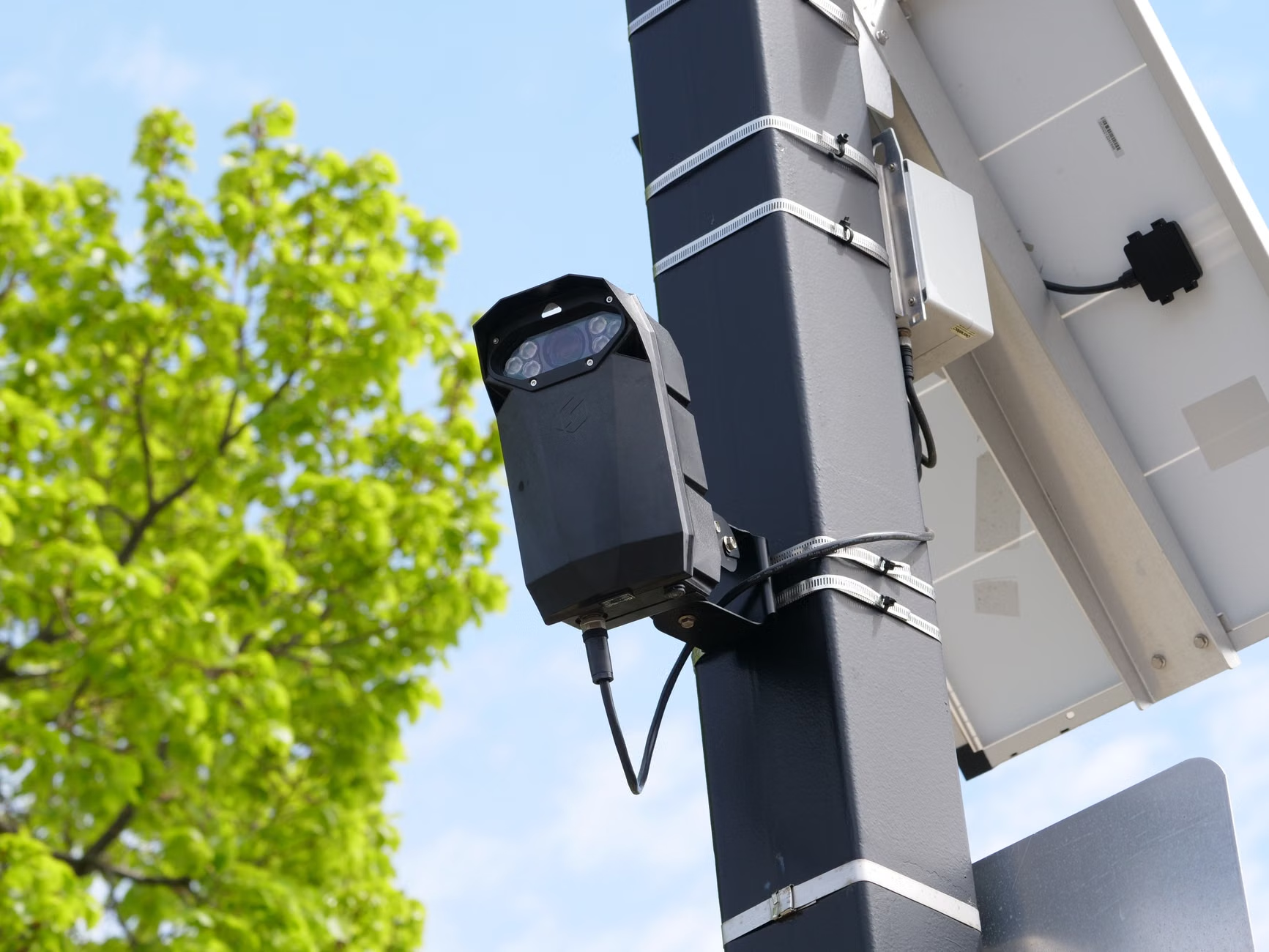
You will likely notice several physical changes in your local parks over the coming months and years. These are not just cosmetic upgrades; they are engineered solutions for safety.
- Anti-Glare Shielding: New light fixtures are equipped with directional shields that push light downward onto the path rather than outward into the eyes of the walker.
- Color Temperature Adjustment: The shift is moving away from harsh, “blue-toned” LED lights toward warmer, “soft-white” LEDs. These are easier on the eyes and better for maintaining the body’s natural circadian rhythm if you walk shortly before bed.
- Smart Motion Sensors: In some municipalities, lighting will dim during hours of low activity and brighten as a person enters the zone. This ensures that when you are walking, the light is at its optimal intensity.
How to Advocate for Better Lighting in Your Community
While the 2026 standards set a global benchmark, their local implementation depends on your municipal council or city parks department. If you find that your local park remains poorly lit, you have the right to request an assessment based on these new safety guidelines.
Step-by-Step Action Plan
- Document the Issue: During your walk, take note of specific areas where the lighting is inadequate. Use a simple log to track the date, time, and specific location (e.g., “The path behind the main pond is pitch black at 7:00 PM”).
- Identify the Authority: Determine if your park is managed by the city, the county, or a private board. Most city websites have a “Report a Concern” or “Public Works” portal.
- Frame the Request: When contacting officials, focus on safety and accessibility. Use phrases like, “This area does not meet the 2026 uniformity standards for pedestrian visibility,” rather than simply saying the park is dark.
- Collaborate: Reach out to local seniors’ groups or walking clubs. A collective request carries significantly more weight than an individual complaint.
| Lighting Feature | Old Standard (Pre-2026) | New Standard (2026) |
|---|---|---|
| Light Distribution | Spotty, high-contrast | Uniform, continuous |
| Color Temperature | Cool/Blue (harsh) | Warm/Soft (eye-friendly) |
| Glare Control | Minimal | Mandatory shielding |
| Adaptability | Fixed intensity | Smart/Motion-responsive |
The table above highlights the shift in design philosophy. If you have concerns about your local park, check which of these features are currently missing. For instance, if the park has “cool” lighting that causes glare, this is a valid point to raise with your local council to request a fixture upgrade.

Practical Safety Tips for Evening Walks
Even with improved standards, your personal safety remains your responsibility. Being aware of the environment and using the right equipment can make a significant difference in your confidence and physical security.
1. Wear High-Visibility Gear
Even in a well-lit park, being visible to others—especially cyclists or other joggers—is crucial. Reflective strips on shoes or a light-colored jacket are simple, low-cost ways to ensure you are seen from a distance.
2. The “Buddy” Rule
If you are not comfortable walking alone, prioritize walking during the “golden hour” of lighting, or coordinate with a neighbor. If you must walk solo, inform a family member of your planned route and expected return time.
3. Use Footwear with Traction
Lighting can sometimes play tricks on our perception of wet leaves or damp pavement. Ensure your walking shoes have adequate tread, as the change in light intensity under trees can mask slippery surfaces.
It is important to recognize that the 2026 standards are not an “overnight switch.” Many cities are operating on a multi-year budget, meaning your local park might not see upgrades for several months or even years. During this transition, treat every park as if it were under the old standards. If you encounter a poorly lit path, do not hesitate to turn back or choose a more brightly lit route, even if it adds distance to your walk.
Your physical comfort is the priority. If you feel uneasy due to lighting, it creates tension in the body, which can affect your gait and balance. Walking should be a source of relaxation, not anxiety. If a specific park route feels unsafe, it is perfectly acceptable to switch to indoor walking tracks (such as those found in community centers or shopping malls) during the winter months when the days are shorter and the risk of poor visibility is higher.
The Role of Digital Tools
Many modern smart-city apps now include “safety maps” that identify well-lit routes. Check your local municipal app or community social media groups to see if such resources exist in your area. These digital tools can help you plan a route that maximizes your time in well-lit, high-traffic areas, allowing you to get your exercise in with peace of mind.
Conclusion
The 2026 public park lighting standards are a significant step forward in making our communities more inclusive and safer for older adults. By prioritizing uniform, glare-free, and adaptive lighting, these standards help ensure that we can continue to enjoy our public spaces safely after the sun goes down. Stay informed about the changes happening in your local area, don’t hesitate to advocate for your safety, and always choose the path that makes you feel most confident and secure.
Frequently Asked Questions
Q: Does the 2026 standard apply to all parks, including small neighborhood squares?
A: Generally, yes. While the level of intensity may vary based on the size and usage of the park, the core requirements for uniformity and glare reduction apply to all public-access green spaces managed by local authorities. You can check your specific municipal code or public works website for local enforcement details.
Q: Are these lights bad for the environment or local wildlife?
A: The 2026 standards were actually designed with environmental impact in mind. By using directed lighting (shielding), the new fixtures reduce “light spill” into the sky and nearby trees, which is better for nocturnal animals and stargazing, while the LED technology is significantly more energy-efficient than older high-pressure sodium lamps.
Q: What should I do if the lights in my local park are flickering or broken?
A: Flickering lights should be reported immediately, as they are not only a nuisance but can be a sign of a faulty electrical connection. Most city websites have a dedicated section for “Streetlight and Park Light Repair.” When reporting, provide the specific pole number, which is usually stamped on a metal tag on the side of the pole, to ensure the maintenance crew can find it easily.
For further information on urban safety standards, you may consult your local government’s Department of Transportation or Parks and Recreation official website.