- Cognitive Engagement: History circles stimulate memory and critical thinking by connecting personal narratives to broader historical contexts.
- Social Integration: These groups combat social isolation by fostering structured, meaningful interactions centered around shared interests rather than just social small talk.
- Legacy Building: Participating in history circles allows older adults to preserve local knowledge, ensuring that personal experiences are recognized as a vital part of the community’s heritage.
Community history circles are more than just a trip down memory lane. For adults aged 60 to 80, these gatherings serve as a powerful intersection of cognitive stimulation, social connection, and the preservation of personal and regional legacies. By moving away from passive activities, history circles offer a collaborative environment where participants actively piece together the stories of the past.
Why History Circles Matter for Cognitive and Social Wellbeing
Engaging with history in a group setting involves more than remembering dates or names. It requires the synthesis of information, the ability to listen actively, and the capacity to relate personal experience to communal events. This process is a form of “cognitive exercise” that remains highly effective throughout the aging process.
From a social perspective, these circles provide a “shared project” environment. Often, social groups for older adults can feel forced or superficial. History circles, however, are task-oriented. Whether the group is documenting the evolution of a local train station or discussing the impact of post-war housing policies on their neighborhood, the focus remains on the content. This reduces the pressure to perform socially, allowing organic connections to form between members who might otherwise have never met.
The Role of Narrative in Identity Maintenance
As we navigate our later years, the ability to frame our personal life story within a larger context is vital for psychological resilience. When a participant shares a story about their first job or the way their town looked forty years ago, they are not just “reminiscing.” They are asserting their identity as a witness to history. This validation is a crucial component of healthy aging, helping to maintain a sense of purpose and continuity.
Establishing a Productive History Circle: A Step-by-Step Guide
If you are considering joining or starting a history circle, it is helpful to understand the structure that makes these groups sustainable. The most successful groups are those that balance informal discussion with organized inquiry.
| Step | Objective | Key Consideration |
|---|---|---|
| 1. Define Scope | Narrow the focus to ensure depth. | Local vs. personal history; avoid being too broad. |
| 2. Accessibility Check | Ensure all members can participate. | Venue must have seating, lighting, and hearing loops. |
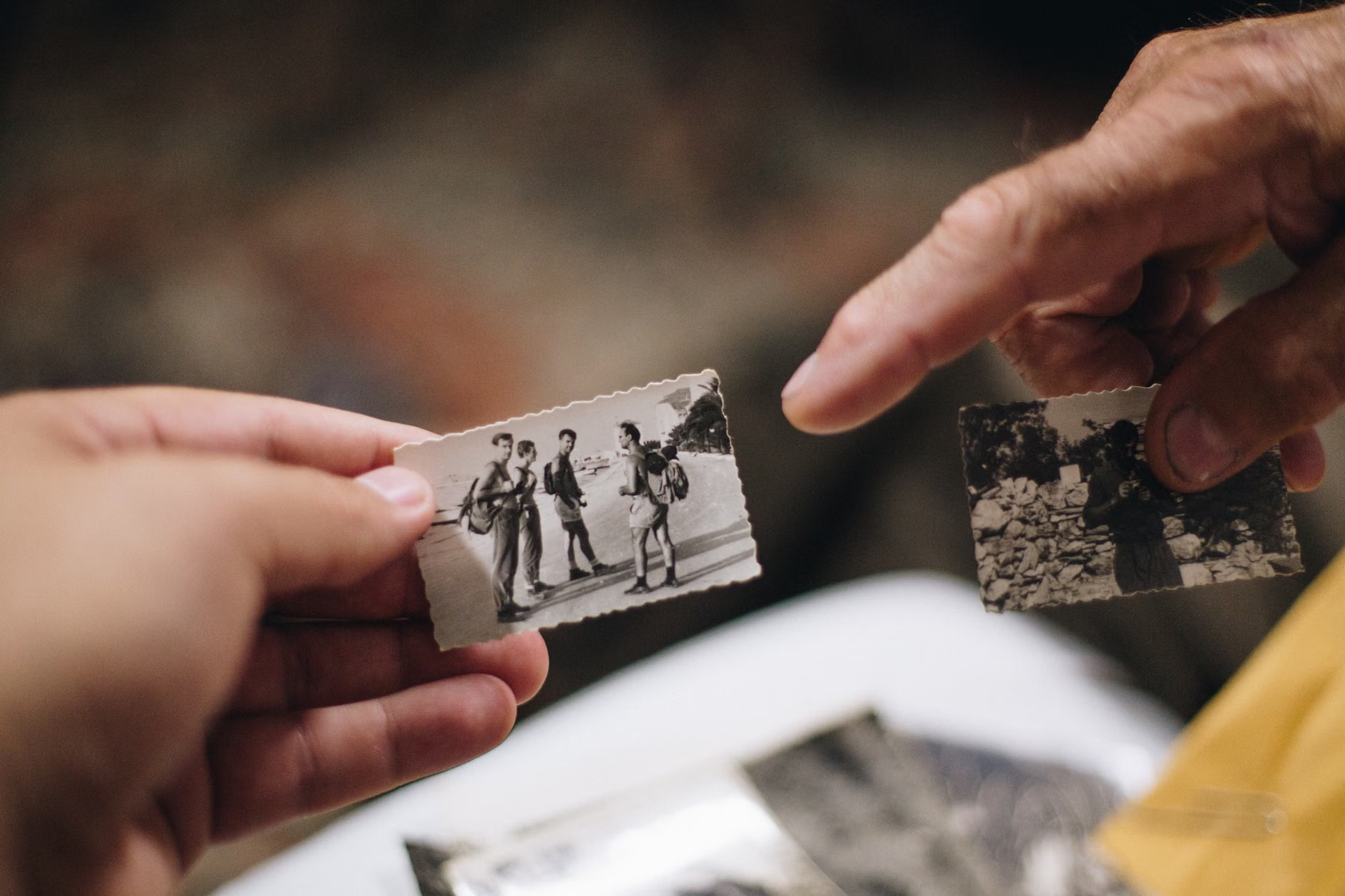
| 3. Material Curation | Provide a starting point for discussion. | Use photos, maps, or local news archives. |
| 4. Facilitation | Keep the conversation balanced. | Rotate the role to ensure no one dominates. |
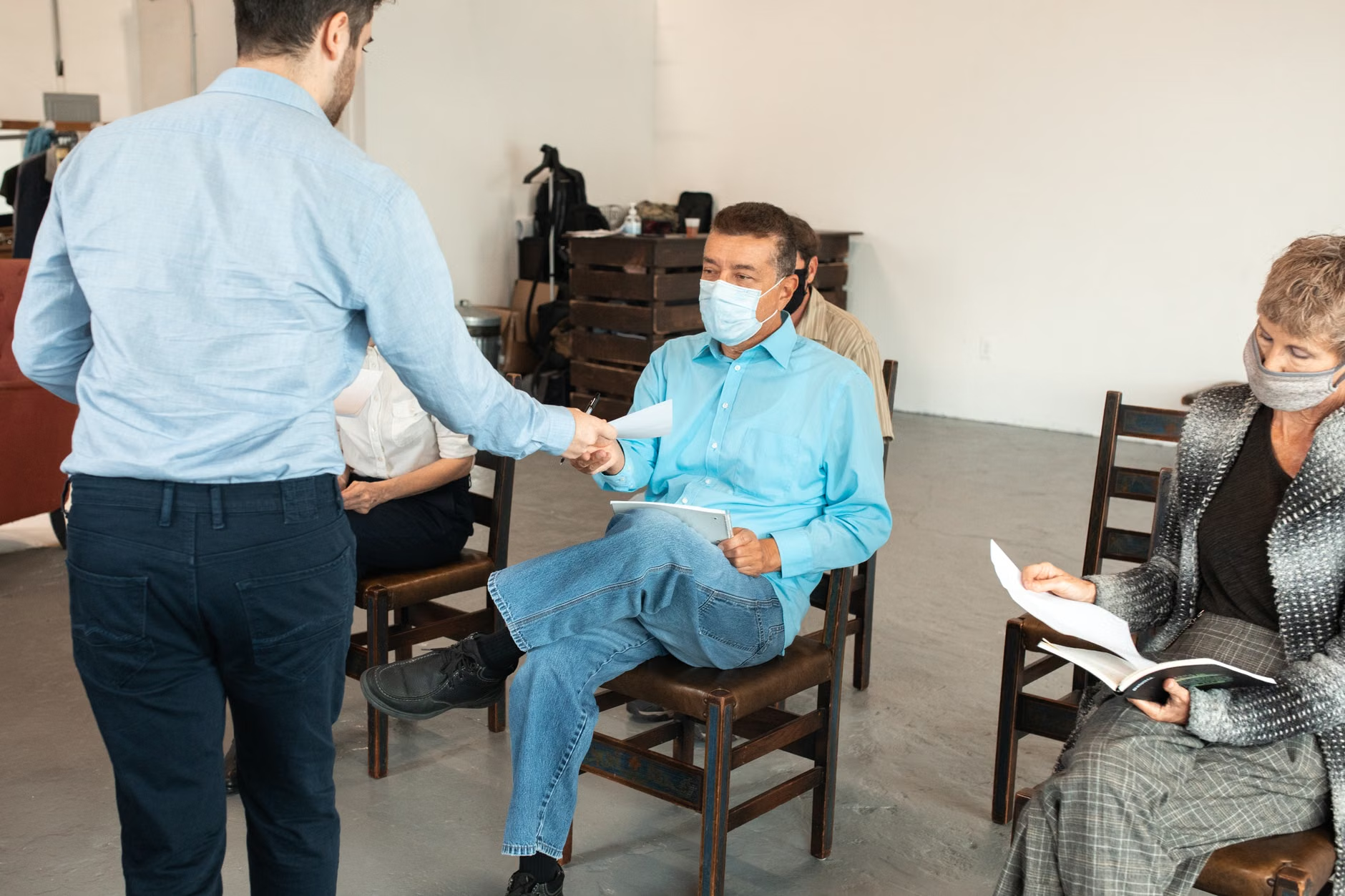
The table above highlights that success lies in the infrastructure of the group. For example, if a group is too large, the “circle” becomes a “lecture,” which defeats the purpose of social interaction. Aim for groups of 6 to 10 people to ensure everyone has the opportunity to speak.
Practical Considerations: Mobility, Stamina, and Accessibility
When selecting a group or organizing a meeting place, physical comfort is paramount. Many history circles meet in community libraries, museums, or local archives. These venues are generally preferred because they offer specific advantages for older adults.
Mobility and Venue Selection: When evaluating a potential meeting space, look for the following:
- Level Access: Ensure there are no stairs or that there is a reliable, well-maintained lift.
- Seating Quality: Chairs with armrests are easier to stand up from and provide better support for longer sessions.
- Acoustics: Avoid rooms with high ceilings and echoey surfaces, which can make it difficult for those with hearing aids to follow the conversation.
- Restroom Proximity: Ensure that clean, accessible restrooms are within the same building and on the same floor as the meeting room.

The Hidden Benefits: Beyond the Meeting Room
The impact of history circles often extends well beyond the time spent in the room. Many participants find that their involvement leads to secondary hobbies. For instance, a participant might begin visiting local archives to research a topic raised during a meeting. This secondary engagement is an excellent way to maintain digital literacy, as many archives now require the use of online databases to access records.
Another often overlooked benefit is the “intergenerational bridge.” When groups share their findings with local schools or community centers, it provides a sense of intergenerational value. Seeing younger people take an interest in the history you have preserved can be deeply satisfying and reinforces the importance of the work you are doing.
Addressing Common Challenges
It is important to acknowledge that not every meeting will be perfect. You may encounter situations where members have conflicting memories of the same event. In a history circle, this is not a failure; it is an opportunity. Encourage members to view these discrepancies as “multiple perspectives” rather than “right versus wrong.” This shift in mindset prevents arguments and fosters a more nuanced understanding of how history is constructed.
Common Mistake: Trying to cover too much ground. If your group spends 90 minutes trying to cover the entire history of a city’s industrial era, you will likely leave feeling exhausted and unsatisfied. Instead, try “micro-history.” Focus on the history of a single street, a single school, or a single decade. This allows for deeper, more meaningful engagement.
Expanding the Scope: How to Deepen Your Inquiry
Once your circle is established, you may want to move beyond simple discussion. You might consider creating a “Living Archive.” This involves recording the stories of members in a structured way. Before starting any recording project, ensure you have the consent of all participants and discuss how the information will be used. Will it be kept private within the group, or donated to a local museum?
Practical Decision Rule: If you are planning to record audio or video, prioritize equipment that is simple to use. A smartphone is often sufficient, but ensure you have a dedicated external microphone to capture clear audio. Avoid complex software that may cause frustration; the goal is to document, not to become a professional film crew.
Integrating Technology Without Frustration
Many history circles now use digital tools to supplement their meetings. Platforms like Google Earth can be used to compare historical maps with current views of a neighborhood. If you are not technically confident, do not feel pressured to use these tools immediately. Start with physical materials—photos, letters, and newspapers—and introduce digital elements only when the group feels ready. The primary value is the social connection, not the technology itself.
It is essential to be realistic about stamina. If you are experiencing fatigue or health challenges, prioritize the “social” aspect over the “research” aspect. You do not need to be a historian to be a valuable part of a history circle. Your presence, your ability to listen, and your willingness to share your own life experiences are enough. If you find that the travel to the meeting is becoming difficult, consider proposing a hybrid format where some members join via video call, or look for groups that meet in your immediate neighborhood.
Refining the Experience: A Checklist for Success
To ensure your history circle remains a positive, stress-free environment, use this checklist before each session:
- Is the venue accessible for everyone today? Check for any sudden changes like broken elevators or construction.
- Are the materials easy to read? If using printed documents, ensure the font size is at least 14pt and printed on high-contrast paper.
- Is the pace manageable? Do not feel compelled to finish every topic on the agenda.
- Have we included a “social break”? A 10-minute break for tea or coffee is vital for informal bonding.
Conclusion: The Lasting Value of Connection
The true value of a community history circle is not found in the facts recorded in books, but in the connections made between people. By engaging with the past, you are not just preserving heritage; you are actively building a future where your voice and your experiences are valued. Whether you are a lifelong history buff or simply looking for a meaningful way to spend your time, these groups offer a unique opportunity to stay connected, stay curious, and continue learning.
Start small, find a group that matches your energy levels, and remember that the most important part of the history circle is the person sitting next to you. By fostering these connections, you contribute to a stronger, more vibrant community for everyone.
Frequently Asked Questions (FAQ)
1. Do I need to have a background in history to join a circle?
Absolutely not. Most community history circles are composed of enthusiasts, not professional historians. The most important qualities are curiosity and a willingness to share your own life experiences. The group will provide the structure and context you need to participate effectively.
2. How can I find a history circle in my area?
Start by checking the websites of your local library, community center, or historical society. Many of these institutions either host their own groups or maintain directories of local clubs. You can also look for listings in local community newspapers or on community bulletin boards.
3. What if I have mobility issues that make attending meetings difficult?
Many organizations are increasingly offering hybrid meetings, allowing members to participate via video conferencing tools like Zoom or Skype. Additionally, some community centers provide transport services for seniors. When you contact a group, be sure to ask about their accessibility options and whether they provide or can suggest accessible transport methods.
For further information on community engagement and historical preservation, you may refer to resources such as the Library of Congress (USA) or the National Archives (UK), which offer extensive guides on how to conduct local history research. Always check your local government’s community service pages for region-specific support programs for older adults.