- Chess clubs offer more than just a game; they provide a low-cost, accessible environment for consistent social interaction and cognitive stimulation.
- Engagement in structured, rule-based hobbies like chess has been shown to support neuroplasticity and executive function in older adults.
- When choosing a club, prioritize accessibility features such as proximity, lighting, table height, and the presence of a supportive, non-competitive community atmosphere.
The Role of Chess in Modern Senior Life
For many adults between the ages of 60 and 80, the transition into retirement or a slower-paced lifestyle often brings a shift in social circles and daily cognitive challenges. While physical exercise is frequently emphasized, intellectual engagement remains an equally vital pillar of healthy aging. Local chess clubs have emerged as sophisticated hubs for this engagement, offering a unique blend of mental rigor and human connection.
Chess is not merely a game of strategy; it is a complex, rule-based system that requires pattern recognition, foresight, and emotional regulation. In a local club setting, these internal processes are externalized, turning a solitary mental exercise into a shared social experience. For the modern senior, these clubs serve as “third spaces”—environments distinct from home and work—where the focus is on mutual development and collective hobbyism rather than performance.
Understanding the Cognitive Benefits Through Engagement
The cognitive value of chess lies in its demand for “executive function.” This includes working memory, cognitive flexibility, and inhibitory control—the ability to resist impulsive moves. Unlike passive entertainment, such as television, chess requires the brain to maintain an active, predictive state.
Neuroplasticity and Consistent Practice
Neuroplasticity is the brain’s ability to reorganize itself by forming new neural connections. Research into aging suggests that engaging in novel, complex tasks is more effective than repetitive ones. When you learn a new opening or adjust your endgame strategy, you are essentially challenging your brain to create new pathways. In a club environment, you are forced to adapt to different styles of play, which prevents the stagnation that can occur when playing against a computer or a single familiar opponent.
The Social-Cognitive Connection
The social component of a chess club acts as a force multiplier for cognitive health. When you play a game, you are engaged in a non-verbal conversation with your opponent. You must read their body language, anticipate their intent, and navigate the social etiquette of the match. This interaction helps maintain social cognition, a skill that can diminish if one becomes isolated.
What a High-Quality Chess Club Looks Like
Not all chess clubs are created equal. For an older adult, the environment is as important as the game itself. A high-quality club should prioritize accessibility and inclusivity to ensure that the experience remains enjoyable and sustainable over the long term.
| Feature | What to Look For | Why It Matters |
|---|---|---|
| Accessibility | Ground floor or elevator access, wide aisles. | Ensures mobility aids are easily accommodated. |
| Environment | Good overhead lighting, comfortable chairs. | Reduces eye strain and physical fatigue during long matches. |
| Atmosphere | Inclusive, patient, and welcoming to all levels. | Prevents the frustration of hyper-competitive environments. |
| Cost | Low or no membership fees, community-funded. | Ensures the hobby remains sustainable regardless of fixed income. |
If you are visiting a club for the first time, look for the “pace” of the room. A welcoming club will have members who are happy to explain their moves or discuss the history of a game. If the environment feels tense or overly focused on high-stakes tournament play, it may not be the best setting for social leisure. Always feel empowered to ask, “Is this a casual play session or a competitive practice?” before settling in.
How to Find and Evaluate Your Local Chess Community
Finding a club that fits your needs requires a systematic approach. You do not need to be a grandmaster; in fact, many of the most successful clubs for seniors are those that focus on beginner-to-intermediate skill levels.
Step-by-Step Search Strategy
- Digital Directories: Use platforms like the FIDE (International Chess Federation) website or local municipal community boards to find registered clubs.
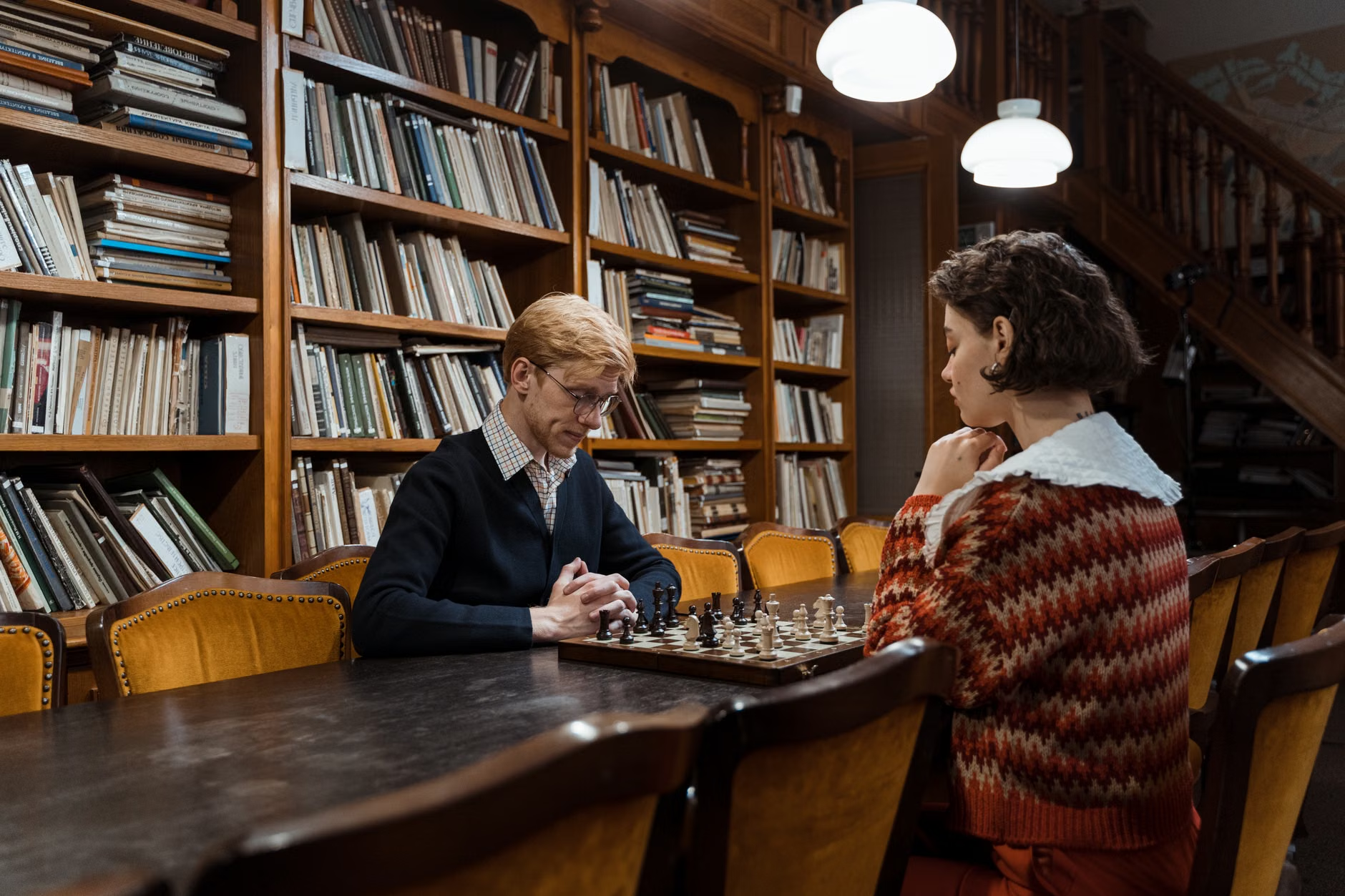
- Community Libraries: Many libraries host “Chess Corners.” These are often the most accessible, as they are typically located in quiet, well-lit, and ADA-compliant buildings.
- Senior Centers: If your local senior center does not have a chess group, ask the administration if they would be open to hosting one. Often, they only need one or two interested individuals to start a recurring session.
- Trial Visits: Never commit to a membership immediately. Visit at least twice to observe the demographic, the noise level, and the general temperament of the players.
A Common Mistake: Many newcomers believe they need to buy expensive equipment before joining. In reality, most established clubs provide boards and pieces. Wait until you have attended a few sessions to see what kind of equipment the club prefers, or if you prefer to bring your own lightweight travel set.
Managing Physical Stamina and Comfort During Play
While chess is a sedentary activity, it is not physically effortless. Sitting for long periods can lead to stiffness, and intense focus can lead to visual fatigue. Incorporating physical management strategies is essential for maintaining your hobby for years to come.
Practical Ergonomics
- The 30-Minute Rule: If possible, stand up and stretch for one minute after every 30 minutes of play. This keeps circulation flowing and prevents joint stiffness.
- Lighting Adjustments: If the club’s lighting is insufficient, bring a small, portable LED reading light. Ensuring your board is well-lit is critical for preventing eye strain, which can lead to headaches and fatigue.
- Hydration and Nutrition: Keep a water bottle at the table. Dehydration is a common, overlooked cause of cognitive “brain fog” during extended periods of concentration.
The Importance of Pacing
Do not feel obligated to play multiple games in a row. A common misunderstanding is that a “good” chess session requires back-to-back matches. In reality, one high-quality game where you analyze the moves afterward is often more cognitively beneficial than three rapid-fire games played in haste.
For some, the barrier to entry is not the game itself, but the perceived complexity of the rules or the fear of appearing “out of practice.” It is important to remember that chess is a lifelong journey. The rules have remained largely consistent for centuries, meaning once you learn them, they are yours for life.
If you find that the digital landscape of chess (apps and online platforms) feels overwhelming, do not let that discourage you from seeking out a physical club. You do not need to use a computer to play excellent, meaningful chess. In fact, many members of local clubs specifically attend to escape the digital world and enjoy the tactile experience of moving physical pieces.
Conclusion: The Value of Routine and Community
The true value of a local chess club is the regularity it brings to your week. By having a set time and place to engage with others, you create a structure that supports both your cognitive health and your social wellbeing. It is a hobby that respects your intelligence, challenges your perspective, and connects you with a community of peers.
Whether you are a lifelong player looking to sharpen your skills or a complete beginner interested in trying something new, the local chess club offers a welcoming, low-pressure environment. Start by finding a local library or community center, observe a session, and enjoy the process of learning, one move at a time.
Frequently Asked Questions
1. Do I need to be a strong chess player to join a local club?
Absolutely not. Most local chess clubs are social in nature and welcome players of all skill levels. The best clubs are those that encourage learning and mentorship. When looking for a club, ask if they have “casual nights” or “beginner-friendly” sessions, which are perfect for those who are just starting or returning to the game after a long break.
2. Are there any specific health precautions I should take before joining?
Chess is a low-impact activity, but if you have chronic back pain, ensure the club provides chairs with adequate back support. If you have vision concerns, prioritize clubs that meet in well-lit, naturally ventilated spaces. Always consult with your primary healthcare provider if you have concerns about maintaining focus or sitting for extended periods, but generally, chess is considered a safe and recommended activity for cognitive health.
3. How much does it typically cost to join a chess club?
Costs vary significantly. Many community-run clubs hosted in public libraries or senior centers are entirely free. Private clubs or those affiliated with national federations may charge a small annual membership fee to cover the cost of the facility or tournament organization. Always ask if there is a “drop-in” fee for your first few visits before committing to a membership.
For further information on the global chess community and finding local resources, you can visit the official International Chess Federation (FIDE) website, which serves as a global hub for chess information and club directories.