- Puzzle construction engages multiple cognitive domains, including visual-spatial processing, pattern recognition, and working memory, which are essential for maintaining mental sharpness.
- Success in puzzle-based leisure depends on matching the difficulty level to your current stamina and visual comfort to prevent frustration and physical strain.
- Puzzles are most effective for cognitive health when treated as a consistent, low-stress practice rather than a high-pressure performance task.
Engaging in puzzles—whether jigsaw, crossword, Sudoku, or logic-based grid games—is more than a way to pass the time. It is a structured cognitive workout that challenges the brain to organize, categorize, and synthesize information. For adults between the ages of 60 and 80, integrating these activities into a weekly routine can serve as a vital component of a holistic approach to mental wellbeing.
Understanding the Cognitive Mechanisms of Puzzle Solving
When you sit down to solve a puzzle, your brain initiates a complex series of neural processes. This is not merely a passive activity; it is an active engagement of the prefrontal cortex, the area of the brain responsible for executive functions such as planning, decision-making, and focus. When you scan a pile of jigsaw pieces to find a matching edge or evaluate a crossword clue, you are utilizing visual-spatial reasoning and semantic memory simultaneously.
Research into cognitive reserve suggests that challenging the brain with novel or complex tasks can help maintain neural plasticity. While puzzles do not act as a cure for neurodegenerative conditions, they act as a form of “mental exercise” that keeps the cognitive gears turning. The primary value lies in the demand for sustained attention. Unlike passive entertainment, such as watching television, a puzzle requires you to hold information in your “working memory”—the ability to keep pieces of data in your mind while you manipulate them to solve a problem.
The Role of Pattern Recognition
Pattern recognition is a fundamental human cognitive skill that often begins to decline if not exercised. In puzzles, you are training your brain to identify subtle differences in color, shape, or word structure. For example, when completing a 1,000-piece landscape puzzle, you are training your eyes to distinguish between dozens of shades of blue in the sky versus the water. This fine-tuned visual discrimination is a direct exercise for the visual cortex.
Practical Selection: Choosing the Right Puzzle for Your Needs
Not all puzzles offer the same cognitive benefits. The key is to find the “Goldilocks zone”—a level of difficulty that is challenging enough to be stimulating but not so difficult that it leads to abandonment. To choose effectively, consider your current environment and physical comfort.
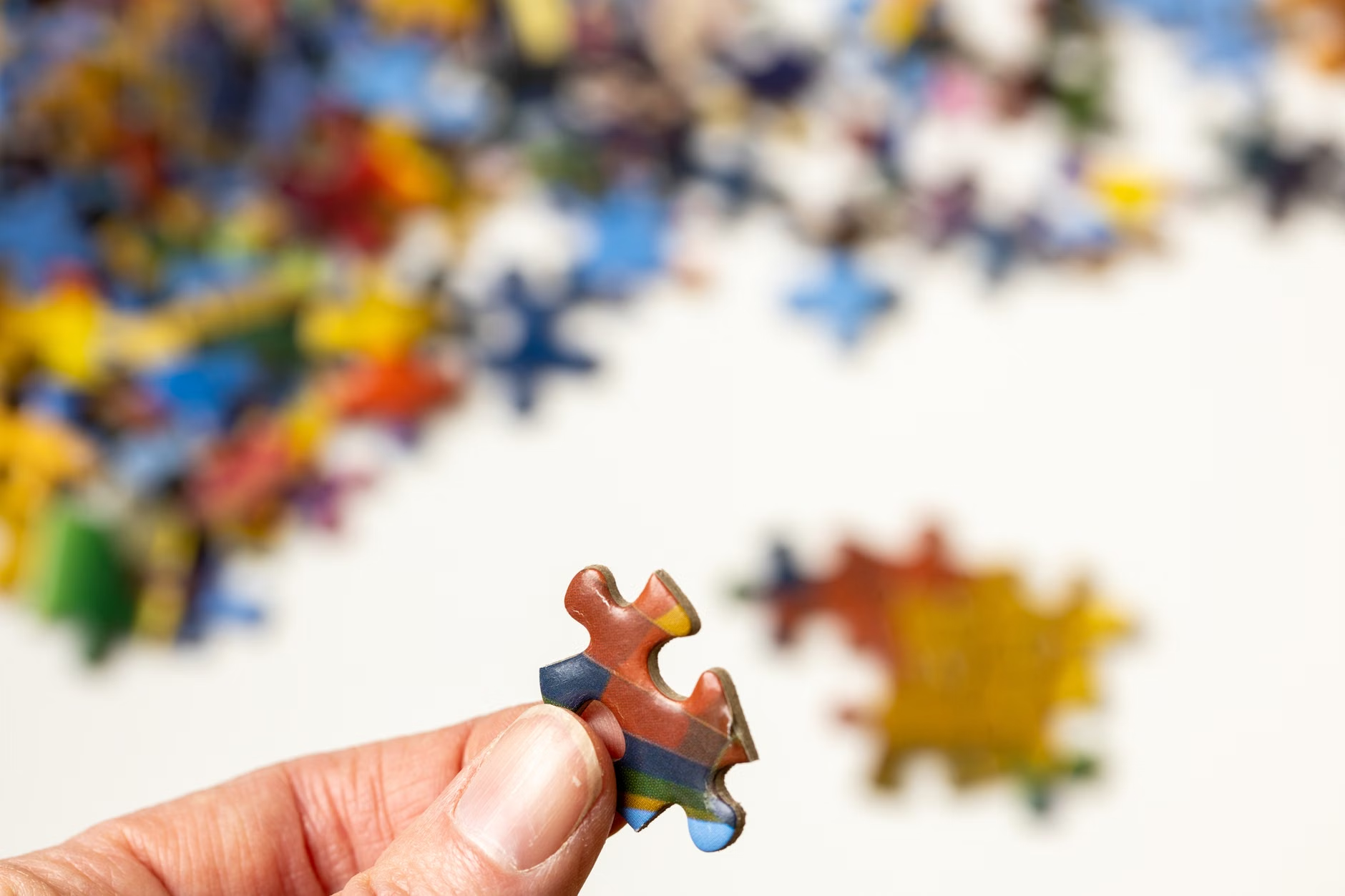
Categorizing Puzzle Types by Cognitive Load
Different puzzles demand different types of mental effort. Understanding these can help you diversify your routine.
| Puzzle Type | Primary Cognitive Skill | Best For |
|---|---|---|
| Jigsaw Puzzles | Visual-Spatial, Pattern Matching | Long-term focus and relaxation |
| Crosswords | Language, Semantic Memory | Vocabulary retention and general knowledge |
| Sudoku/Logic Grids | Mathematical Reasoning, Deduction | Logical sequencing and systematic thinking |
| Cryptograms | Pattern Decoding, Abstract Thinking | High-intensity mental stimulation |
If you are prone to eye strain, avoid small, high-density print crosswords. Instead, opt for “large print” editions or digital versions where you can adjust the zoom. Similarly, if you have limited desk space, a 2,000-piece puzzle may become a source of physical frustration rather than enjoyment. Always ensure your workspace has adequate, non-glare lighting to prevent unnecessary eye fatigue.
Integrating Puzzles into Your Daily Routine
The most common mistake when starting a hobby is treating it like a chore. If you set a goal to complete a puzzle every single day, you may feel discouraged on days when you lack energy. Instead, treat puzzle construction as a “micro-habit.”
The 20-Minute Rule
Cognitive fatigue is a real phenomenon. After about 45 to 60 minutes of intensive concentration, the brain’s ability to process new information effectively begins to drop. To avoid this, try the 20-minute rule: work on your puzzle for 20 minutes, then take a five-minute break to stand, stretch, or look at a distant object. This break allows your brain to “reset” and prevents the buildup of mental exhaustion.
Creating a Dedicated Space
If possible, keep your puzzle in a designated area. This eliminates the “activation energy” required to start. If you have to take out a board, find the pieces, and set up the lighting every time, you are less likely to engage. A dedicated puzzle table or a portable felt mat that can be rolled up allows you to pause and resume without losing your progress.
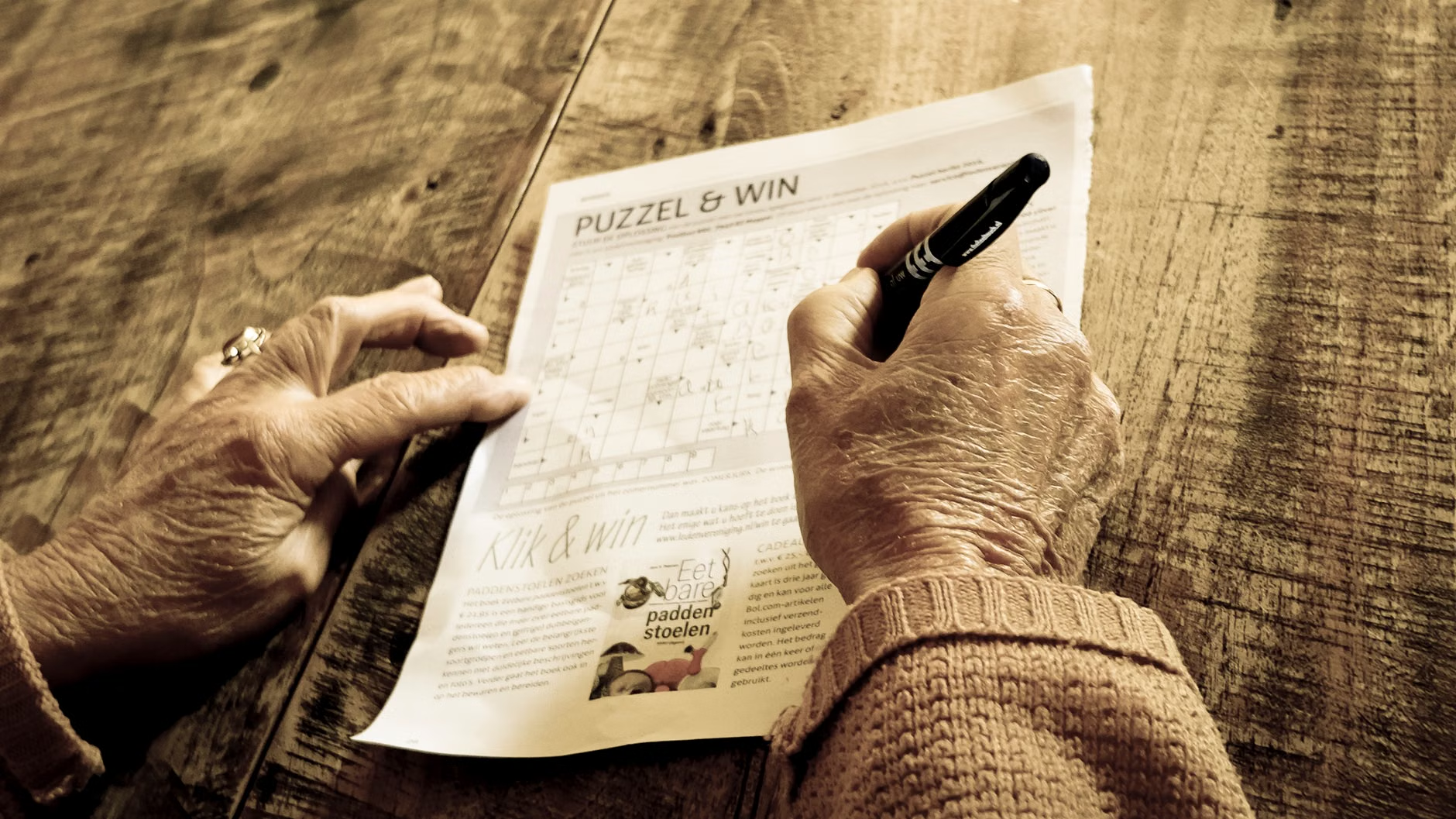
Addressing Physical and Ergonomic Considerations
As we age, physical comfort during leisure activities becomes paramount. If you are hunched over a table for hours, you risk neck and back strain, which will inevitably shorten your session and diminish your enjoyment.
- Ergonomic Seating: Ensure your chair provides adequate lumbar support. If you are sitting for more than 30 minutes, consider a chair with armrests to support your shoulders.
- Lighting Adjustments: Use a dedicated task lamp rather than relying on overhead lighting. Overhead lights often create glare on glossy puzzle pieces or magazine paper, which causes the pupils to constrict and tires the eyes faster.
- Tactile Considerations: For those with arthritis or limited fine motor skills, look for “large piece” jigsaw puzzles. These are specifically designed with bigger, easier-to-grip pieces that reduce the strain on the small joints of the hands.
The Social Dimension of Cognitive Puzzles
While often seen as a solitary pursuit, puzzles are an excellent vehicle for social interaction. Working on a puzzle with a partner or friend introduces a “cooperative cognitive” element. You are no longer just solving a problem; you are communicating, negotiating placement, and sharing the satisfaction of completion.
Collaborative Problem Solving
In a social setting, you are forced to articulate your thought process. When you explain to your partner why a piece fits in a certain corner, you are using verbal communication to reinforce your logical reasoning. This adds a layer of complexity—social cognition—that is absent when working alone.
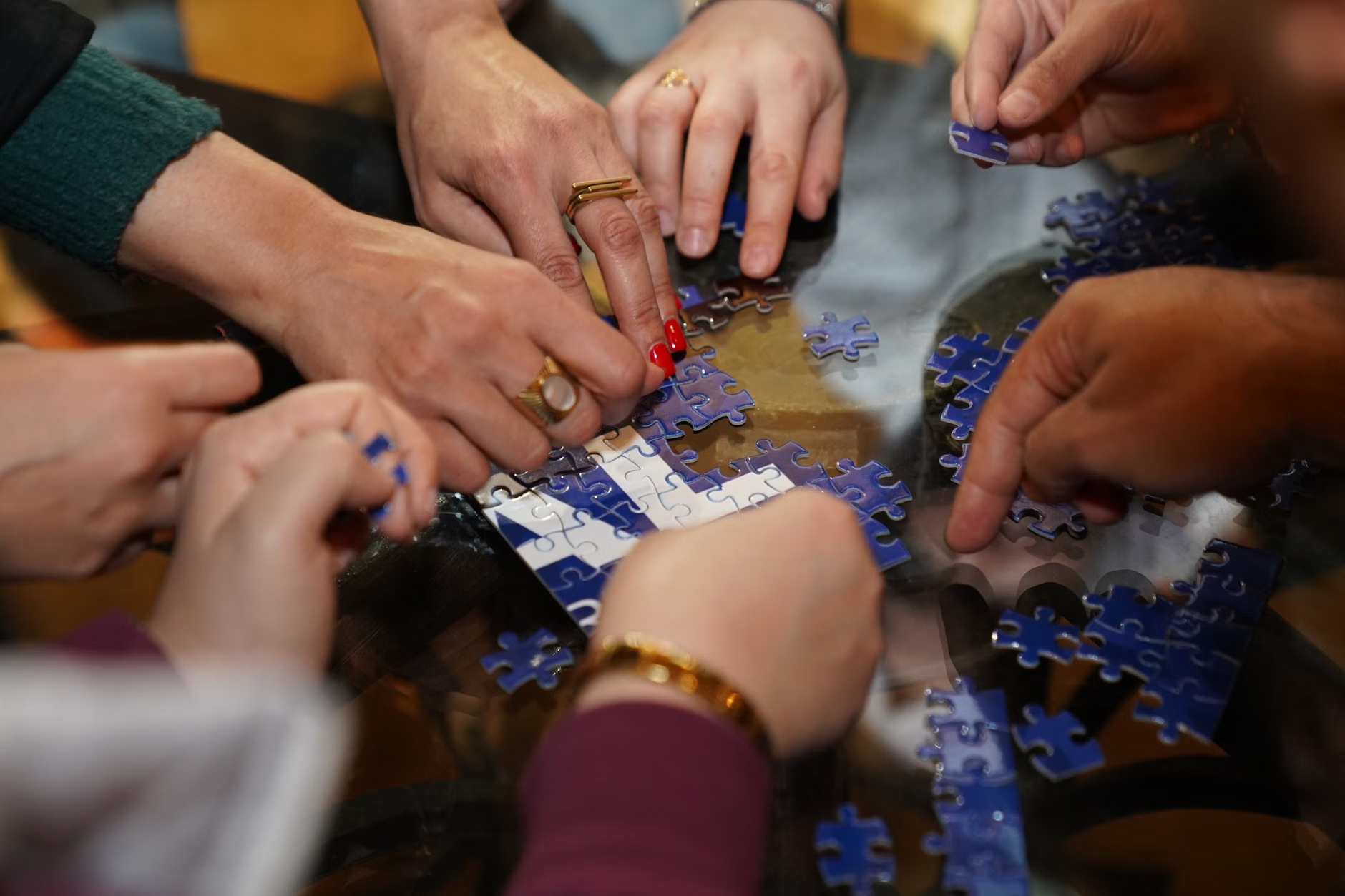
If you are a caregiver or family member, introducing a puzzle as a shared activity is a low-pressure way to bond. It provides a common goal that does not require heavy physical activity or complex planning. It is a “parallel play” activity that allows for conversation while keeping the hands and minds occupied.
Advanced Strategies for Mental Engagement
Once you are comfortable with standard puzzles, you may find that your brain seeks more novelty. Novelty is the key to neuroplasticity. If you have been doing the same type of crossword for years, your brain has likely developed “shortcuts” to solve them, meaning it is no longer being challenged in the same way.
To keep the cognitive benefits high, you must introduce variety:
- Switch Domains: If you are a master of verbal puzzles (crosswords), move into the realm of spatial or numerical puzzles (Sudoku or logic grids). This forces the brain to recruit different neural pathways.
- Increase Complexity Gradually: If you usually complete 500-piece puzzles, try a 750-piece puzzle that features complex textures, such as a field of flowers or a city skyline, rather than large blocks of solid color.
- Use Your Non-Dominant Hand: For very simple tasks like sorting pieces into trays, try using your non-dominant hand. This is a simple, safe way to encourage interhemispheric communication in the brain.
Common Pitfalls and How to Avoid Them
It is important to recognize when a hobby is no longer serving its purpose. If you find yourself becoming frustrated, angry, or physically uncomfortable, the cognitive benefit is being negated by the stress response. Stress releases cortisol, which can actually inhibit cognitive function and memory retrieval.
The “Perfectionism” Trap: Many adults feel that if they cannot finish a puzzle in one sitting or if they have to look at the picture on the box, they have “failed.” This is a misconception. The value is in the process, not the result. Using the guide image on a puzzle box is not cheating; it is an effective use of visual resources to solve a complex problem.
The “Comparison” Trap: Do not compare your speed or ability to others. Everyone has different cognitive baselines and different levels of familiarity with specific types of puzzles. Focus on your own progress and your own comfort level.
When to Seek Professional Advice Regarding Cognitive Changes
While puzzles are a wonderful way to maintain mental fitness, they should not be used as a self-diagnostic tool for cognitive decline. If you or a family member notice a sudden, significant, or persistent difficulty in tasks that were previously easy, such as following simple instructions, maintaining focus for even a few minutes, or a marked change in personality, this should be discussed with a healthcare professional.
A primary care physician can help determine if these changes are related to common age-related issues—such as sleep deprivation, medication side effects, or nutritional deficiencies—or if they warrant a more specialized evaluation. When visiting a doctor, keep a simple log of these observations: when the difficulty occurs, what the task was, and how long it lasted. This objective data is far more useful to a clinician than a vague description of “feeling forgetful.”
The Long-Term Perspective
The goal of leisure activities in the 60 to 80 age range is to foster a sense of agency and accomplishment. Puzzle construction provides a tangible, measurable sense of progress. Every piece placed is a small win; every clue solved is a moment of success. This dopamine reward system is essential for maintaining motivation and a positive outlook.
As you incorporate these activities into your life, remember that the “best” puzzle is the one you actually enjoy doing. Whether it is a daily newspaper crossword, a massive jigsaw on the dining table, or a digital puzzle app on your tablet, the consistency of the habit is far more important than the intensity of the challenge. By treating your brain with the same care and respect as your physical body, you can ensure that your cognitive health remains a priority throughout your later years.
Ultimately, puzzle construction is a practice of patience. It teaches us that most problems, no matter how complex they seem at first, can be broken down into manageable, smaller components. By focusing on one piece at a time, we build a clearer picture of the whole. This philosophy is perhaps the most valuable takeaway of all—a reminder that we remain capable of growth, learning, and achievement at every stage of life.
Frequently Asked Questions
1. Can puzzles actually prevent dementia?
While puzzles are an excellent way to exercise the brain and build cognitive reserve, there is no scientific evidence to suggest they can prevent, cure, or delay the onset of dementia or Alzheimer’s disease. They are best viewed as part of a healthy lifestyle that includes physical exercise, a balanced diet, and social engagement, which collectively support brain health.
2. Are digital puzzles as good as physical ones?
Both have benefits. Physical puzzles provide tactile stimulation and fine motor skill practice, which is highly beneficial. Digital puzzles offer convenience, the ability to zoom in (helpful for vision), and often feature “smart” hints. The best approach is to use whichever version you find most enjoyable and sustainable for your daily routine.
3. I have arthritis in my hands. Can I still do jigsaw puzzles?
Yes, you can. Look for “large-format” or “easy-grip” puzzles, which have significantly larger pieces that are easier to handle. You can also use a magnetic puzzle board or a specialized mat that allows you to slide pieces into place rather than pinching them. If you find physical puzzles too taxing, digital puzzles or logic-based games like Sudoku are excellent alternatives that require minimal physical effort.
Disclaimer: This article is for informational purposes only and does not constitute medical advice, diagnosis, or treatment. Always seek the advice of your physician or other qualified health provider with any questions you may have regarding a medical condition.
Official health guidance and information on cognitive health can be found via the World Health Organization (WHO) or your local national health authority’s resources on healthy aging.