- Prioritize Level-Platform Access: Always verify if your destination station offers level-platform boarding to eliminate the need for climbing steps, which is the most common barrier for travelers with limited mobility.
- Pre-Trip Assistance Requests: Most major rail operators require 24 to 48 hours’ notice to provide dedicated staff assistance, such as boarding ramps or platform-to-seat support.
- Stamina Management: Treat mountain travel as a low-intensity activity; plan for mid-day breaks and choose routes that minimize transit times between connecting trains.
Understanding Accessibility in Mountain Railway Systems
Mountain railways—ranging from cogwheel trains to funiculars—offer some of the most breathtaking views on the planet. However, they are often built in challenging terrain, which can make accessibility inconsistent. For travelers aged 60 to 80, the primary goal is to minimize physical exertion while maximizing the experience. Understanding the difference between a “step-free” station and a “fully accessible” one is the first step toward a successful journey.
In many regions, such as the Swiss Alps or the Rocky Mountains in North America, older mountain rail systems have been modernized. However, “modernized” does not always mean “perfectly flat.” Some stations may have steep ramps, while others may require a mechanical lift. Knowing what to look for allows you to choose routes that align with your specific mobility needs.
The Essential Checklist for Booking Accessible Rail Travel
Before you commit to a itinerary, you must perform a “mobility audit” of your planned route. Do not rely on generic labels like “accessible” without checking the specific technical details provided by the operator.
1. Verify Boarding Infrastructure
Check if the train cars have high floors or low floors. Low-floor trains are designed for level access, meaning you can walk or roll directly from the platform to the carriage without a gap. If the train uses high floors, check if the station is equipped with:
- Mechanical lifts: Used for passengers who cannot navigate steps.
- Portable ramps: Operated by station staff.
- Elevators: Essential for moving between platforms.
2. Assessing Transit Time and Stamina
Mountain travel often involves altitude changes. Even if you are fit, the thin air at higher altitudes can affect your stamina. Use the following framework to plan your day:
| Activity Level | Recommended Daily Limit | Rest Requirement |
|---|---|---|
| Low Mobility | 1-2 train segments | 60 minutes of seated rest between segments |
| Moderate Mobility | 2-3 train segments | 30 minutes of seated rest between segments |
| High Mobility | 3-4 train segments | 15 minutes of seated rest between segments |
Real-life station navigation is often more complex than a brochure suggests. A common mistake is assuming that because a station is in a popular tourist area, it will be fully compliant with modern accessibility standards. In historic mountain towns, infrastructure may be limited by geography.
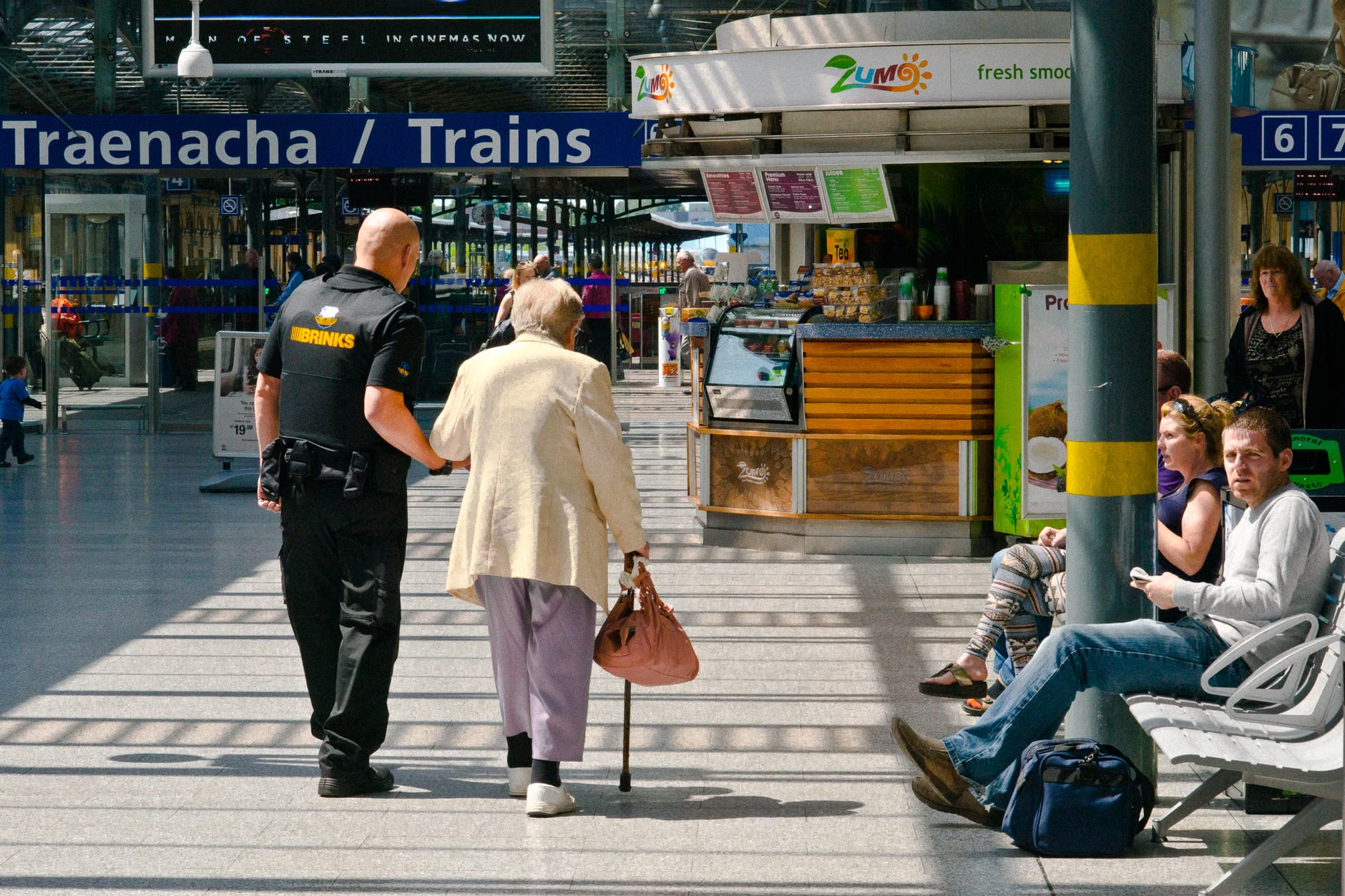
What it looks like: You arrive at a remote mountain station. You have booked assistance. You should expect a staff member to meet you at the designated meeting point—usually near the ticket office or at the platform entrance. If you have not booked assistance, you may find yourself navigating uneven cobblestone surfaces or steep inclines to reach the train.
What you can do: Always look for the “Assistance Point” signage. If you are traveling alone or with a partner, carry a digital or printed copy of your booking confirmation that clearly states your need for boarding assistance. This serves as a professional reminder to staff if they are busy or distracted.

Strategic Planning for Comfortable Boarding
Boarding the train is the moment of highest risk for a fall or physical strain. To mitigate this, consider the following strategies:
The “Off-Peak” Advantage
Traveling during off-peak hours (typically 10:00 AM to 3:00 PM) offers two distinct advantages: the platform is less crowded, and staff are more likely to have the time to assist you properly. Crowds often lead to rushed boarding, which is when most minor accidents occur.
Luggage Management
Heavy luggage is the enemy of accessible travel. If you have a large suitcase, you are essentially forced to navigate stairs or platform gaps with an unbalanced weight. Use a lightweight suitcase with four-wheel spinners, or better yet, utilize luggage forwarding services if you are traveling between major mountain resorts. Many European rail systems offer “luggage transfer” services that deliver your bags to your hotel, allowing you to travel with only a small day pack.
Safety and Health Considerations at Altitude
Mountain air is crisp, but it also contains less oxygen. While this rarely causes severe issues for healthy seniors, it can increase fatigue. If you are planning a trip to an altitude above 2,000 meters (approx. 6,500 feet), consult your physician regarding your specific health status, especially if you have cardiovascular concerns.
Hydration is key: Dry mountain air causes faster dehydration. Keep a reusable water bottle easily accessible in your day pack. Avoid relying on train-based dining cars for hydration, as these may be at the other end of the train and difficult to reach.

Managing Unexpected Barriers
Even with the best planning, you may encounter an out-of-order elevator or a train car that doesn’t align with the ramp. Do not attempt to force your way through these situations. If you encounter a barrier, immediately seek the Station Master or the nearest uniformed employee. By law or policy in most developed nations, they are required to provide an alternative solution, such as a taxi to the next accessible station or a dedicated shuttle.
The “Wait and Ask” Rule: If you feel unsafe boarding, wait. It is better to miss one train and wait 30 minutes for the next one—or for staff to bring a proper ramp—than to risk an injury during a difficult boarding process.
Conclusion: Your Roadmap to Confident Travel
Mountain rail travel is a rewarding experience when you treat accessibility as a logistical puzzle rather than a personal limitation. By verifying infrastructure, booking assistance in advance, and prioritizing off-peak travel, you can enjoy the scenery without the stress of physical strain. Remember, the journey is about the view from the window, not the speed at which you reach the destination.
Frequently Asked Questions
- How far in advance should I request boarding assistance?
Most international rail operators recommend requesting assistance at least 24 to 48 hours before your departure. This ensures that staff are scheduled to be at the platform to assist with ramps or luggage. - What if my train has a large gap between the platform and the door?
If you see a large gap, do not attempt to cross it. Stay on the platform and signal a staff member or use the station’s emergency contact button. They will provide a portable boarding bridge or ramp to close the gap safely. - Are trekking poles allowed on trains?
Yes, trekking poles are generally allowed. However, it is best to collapse them and store them in a bag or strap them to your luggage while on the train to prevent them from becoming a tripping hazard for other passengers.
For further information on specific country policies, visit official national rail websites such as SBB (Switzerland) or Amtrak (USA) to review their current accessibility protocols.