Minimalist Coastal Travel: A Practical Guide for Seniors
- Weight is the enemy of mobility: Limiting luggage to a single lightweight carry-on significantly reduces physical strain and reliance on assistance.
- The “Layering Strategy” is essential: Coastal weather is unpredictable; packing versatile layers allows you to adapt to temperature shifts without carrying bulky coats.
- Safety starts with preparation: Pre-planning your mobility needs and maintaining an organized medical kit ensures you can focus on the scenery rather than logistical hurdles.
Traveling to the coast offers immense benefits for mental and physical well-being. However, for travelers aged 60 to 80, the logistics of navigating sandy paths, uneven boardwalks, and variable weather can turn a relaxing trip into an exhausting chore if not managed correctly. Minimalist travel is not about deprivation; it is about intentionality. By stripping away unnecessary items, you gain the freedom of movement necessary to enjoy coastal environments at your own pace.
The Physics of Packing: Why Less is More
For a senior traveler, the weight of your luggage directly correlates to your energy levels and joint health. Every kilogram you carry adds stress to your shoulders, back, and knees, especially when navigating transit hubs or boarding transport. The goal is to move through a coastal destination with ease, ensuring you have enough stamina left for a sunset stroll or a visit to a local museum.
Common Mistake: Many travelers over-pack “just in case” items. In a coastal setting, this often manifests as bringing multiple pairs of heavy shoes or excessive formal wear that remains unworn.
The Decision Rule: If an item is not used daily or cannot serve two purposes (e.g., a scarf that works as a sun wrap and a neck warmer), it does not belong in your bag. By sticking to a strict carry-on limit—ideally under 7kg (15 lbs)—you ensure that you can navigate stairs, elevators, and public transport without needing assistance, which preserves your independence.
The Layering Strategy for Variable Coastal Weather
Coastal climates are notoriously fickle. You may experience cool, damp mornings, sunny afternoons, and windy, chilly evenings. The key to staying comfortable without overpacking is the “Three-Layer System.”
| Layer | Function | Recommendation |
|---|---|---|
| Base Layer | Moisture-wicking | Lightweight merino wool or synthetic blends. Avoid cotton, which stays wet and cold. |
| Mid Layer | Insulation | A fleece or light down vest. Keeps the core warm while leaving arms free. |
| Outer Layer | Protection | A breathable, windproof, and water-resistant shell jacket with a hood. |
This system allows you to peel off layers as the sun rises and add them back as the sea breeze picks up. By choosing neutral colors that match everything, you can mix and match pieces to create a week’s worth of outfits with only four or five garments.
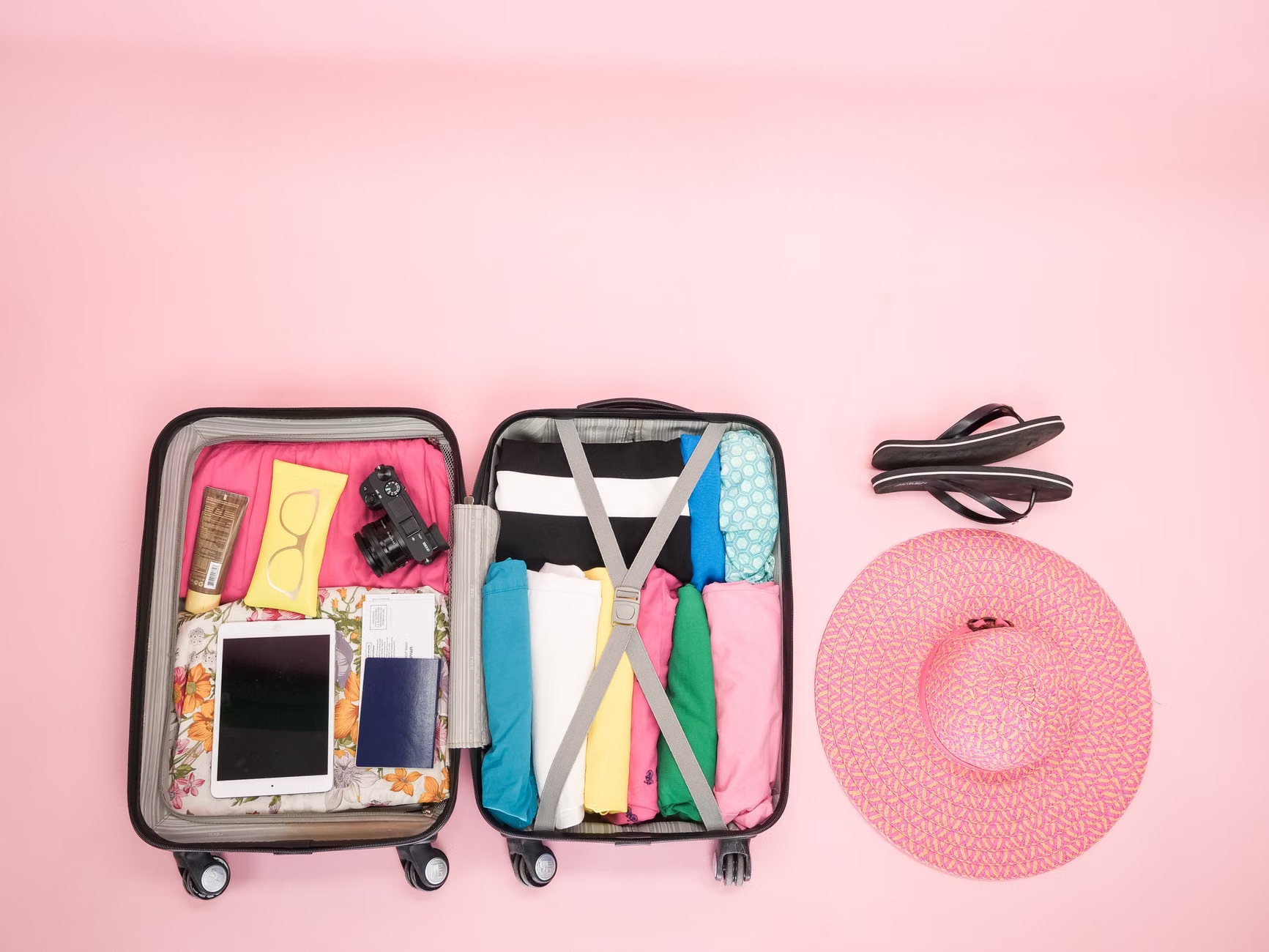
Footwear is the most critical item for a coastal trip. Coastal environments often feature boardwalks, sandy dunes, and occasionally slick stone paths. You need shoes that provide stability without being heavy.
What to look for:
- Support: Look for shoes with arch support and a firm heel counter to prevent slips.
- Traction: A rubberized sole with deep grooves is essential for grip on wet boardwalks.
- Versatility: A pair of high-quality, lightweight walking shoes that look acceptable in a casual restaurant is often all you need.
Insight: Avoid bringing brand-new shoes on a trip. Wear your chosen travel shoes for at least two weeks before departing to ensure they do not cause blisters or foot fatigue. For those with specific mobility concerns, consider bringing a collapsible walking pole. It is a lightweight tool that provides significant stability on sandy or uneven terrain.
Managing Health: The Minimalist Medical Kit
Traveling with health conditions requires foresight. However, you do not need to bring your entire home medicine cabinet. A minimalist approach focuses on accessibility and safety.
Creating Your Travel Health Organizer
Use a single, clear, zippered pouch to keep all health-related items in one place. This makes it easy to find at security checkpoints or during an emergency.
- Medication List: Carry a printed list of your current prescriptions, dosages, and any allergies. Include the contact information for your primary care physician.
- Daily Organizers: Use a weekly pill box to manage your doses. This reduces the risk of confusion in a new environment.
- Essential First Aid: Pack a few blister plasters, an antiseptic wipe, and your preferred pain reliever.
Warning: Never pack medication in your checked luggage. If your bag is lost or delayed, your health could be compromised. Keep all essential medications in your “personal item” bag that stays with you at all times.
Coastal Logistics: Accessibility and Safety
Coastal towns vary widely in their accessibility. Before you book, investigate the “walkability” of your destination. Many older coastal towns have steep hills or cobblestone streets that may be difficult to navigate.
Pre-Trip Checklist for Accessibility
- Check the Topography: Use satellite maps (like Google Earth) to view the incline of streets between your accommodation and the beach.
- Verify Public Transport: Check if your destination has accessible buses or shuttles. Avoid destinations that require a rental car if you are uncomfortable driving in unfamiliar, narrow coastal roads.
- Confirm Bathroom Availability: Coastal areas can have limited public facilities. Research the location of public toilets near your planned walking routes.
Insight: Many coastal regions offer “beach wheelchairs” or specialized mats that allow access to the sand. These are often free or available for a low rental fee through local tourism boards. Check the official tourism website of your destination at least two weeks before you depart to reserve these services if needed.

The Importance of Pacing and Recovery
The most common mistake seniors make on coastal trips is trying to “do it all.” Coastal travel should be about the rhythm of the tide, not a race against the clock. Plan for “buffer time” in your schedule. If you plan a morning walk, ensure your afternoon is free for rest. This prevents overexertion and keeps your energy levels stable throughout the trip.
If you find yourself becoming fatigued, do not force the activity. Coastal destinations are perfect for “passive recreation”—sitting on a pier, reading in a park, or watching the waves. These activities require little physical effort but provide the same mental benefits as a long hike.
Digital and Financial Preparedness
Minimalism also applies to your documentation. Instead of carrying heavy guidebooks or physical maps, use a smartphone or tablet to store your itinerary, maps, and health documents. However, always have a “Plan B.”
- Offline Maps: Download maps of your destination in an app like Google Maps while you have Wi-Fi. This ensures you can navigate even if you lose cellular service near the coast.
- Physical Backups: Keep a single sheet of paper in your wallet with the address of your hotel and one emergency contact number. Technology can fail; paper is reliable.
Safety Note: When traveling internationally, check the local healthcare reciprocity rules. For example, some countries have agreements that cover emergency care for visitors, while others require private travel insurance. Never travel without insurance that specifically covers medical evacuation and pre-existing conditions if applicable.
Conclusion: Enjoying the Coast with Confidence
Minimalist travel is the key to maintaining your independence and comfort while exploring coastal regions. By focusing on lightweight gear, a flexible layering system, and careful planning of your physical activity, you can minimize the stress of travel and maximize the enjoyment of your destination. Remember, the most successful trips are those where you return home feeling refreshed, not exhausted. Take your time, prioritize your safety, and enjoy the healing power of the ocean breeze.
Frequently Asked Questions
- 1. Should I bring a cane or walking pole even if I don’t use one at home?
- Yes, it is often a good idea. Coastal terrain like sand or uneven boardwalks can be unpredictable. A collapsible pole provides extra stability on surfaces that may cause you to lose your balance. It is a proactive safety measure, not a sign of frailty.
- 2. How can I find out if a beach is truly accessible for someone with limited mobility?
- Look for the “Blue Flag” certification or search for the destination on sites like DisabledHolidays.com. Additionally, call the local visitor center directly and ask, “Is the path from the parking area to the water paved or sand?”
- 3. How do I handle medication if I am traveling across different time zones?
- Consult your pharmacist before you leave. They can provide a schedule for adjusting your dosage timing to account for time zone changes, ensuring you maintain a consistent level of medication in your system throughout your journey.
For further information on senior travel safety and health, consult official government resources such as the CDC Travelers’ Health guidelines for special needs.