- Prioritize Food Sources: Dietary Vitamin A (retinol and carotenoids) is safer and more effective for most older adults than high-dose supplements, which can lead to toxicity.
- Dual Benefit: Vitamin A is essential for maintaining the integrity of the cornea and retinal function, while also supporting the skin’s barrier function and cellular turnover.
- Balance is Key: While deficiency is rare in many developed nations, absorption can decrease with age; focus on consistent, moderate intake of colorful vegetables and lean proteins.
Vitamin A is a fat-soluble nutrient that plays a foundational role in maintaining the health of your eyes and the resilience of your skin. As we move into our 60s, 70s, and beyond, our bodies’ ability to process and absorb nutrients can shift, making it essential to understand how to maintain adequate levels through diet rather than relying solely on pills or powders.
This guide explores the practical reality of Vitamin A, how it functions in your body, and how you can integrate it into your daily life to support your long-term wellbeing.
Understanding Vitamin A: What It Is and Why It Matters
Vitamin A is not a single compound but a group of fat-soluble retinoids. In your diet, it primarily appears in two forms: preformed Vitamin A (retinol), found in animal products, and provitamin A carotenoids (such as beta-carotene), found in plant-based foods.
For an older adult, the importance of Vitamin A goes beyond basic survival. It is a critical component of rhodopsin, a protein in your eyes that allows you to see in low-light conditions. As the natural aging process affects the eyes, ensuring you have enough of this nutrient is a fundamental step in supporting your visual health. Furthermore, Vitamin A regulates the production of skin cells. It helps maintain the skin’s moisture barrier and supports the repair processes that keep skin resilient and less prone to irritation.
The Absorption Challenge in Later Life
As we age, several factors can influence how well we absorb Vitamin A:
- Reduced Stomach Acid: This can impair the breakdown of animal-based proteins where retinol is stored.
- Medication Interactions: Certain medications, particularly those affecting lipid metabolism or those used for cholesterol management, may interact with the absorption of fat-soluble vitamins.
- Digestive Efficiency: Slight changes in gut health can mean that plant-based carotenoids require more effort from the body to convert into usable Vitamin A.
Practical Dietary Strategies: Sourcing Vitamin A Effectively
The most effective way to obtain Vitamin A is through a balanced diet. Because it is fat-soluble, it requires a small amount of dietary fat to be absorbed properly. This is a common point of confusion: eating a plain carrot provides beta-carotene, but eating a carrot with a drizzle of olive oil significantly increases the amount your body can actually use.
Recommended Sources for Your Daily Routine
Below is a breakdown of how to incorporate these nutrients into your meals without needing complex dietary changes.
| Food Source | Type | Serving Tip |
|---|---|---|
| Sweet Potatoes | Carotenoid | Roast with a light coating of avocado oil. |
| Beef Liver | Preformed Retinol | Limit to once or twice a month due to extremely high density. |
| Spinach & Kale | Carotenoid | Sauté with garlic and a small amount of butter or oil. |
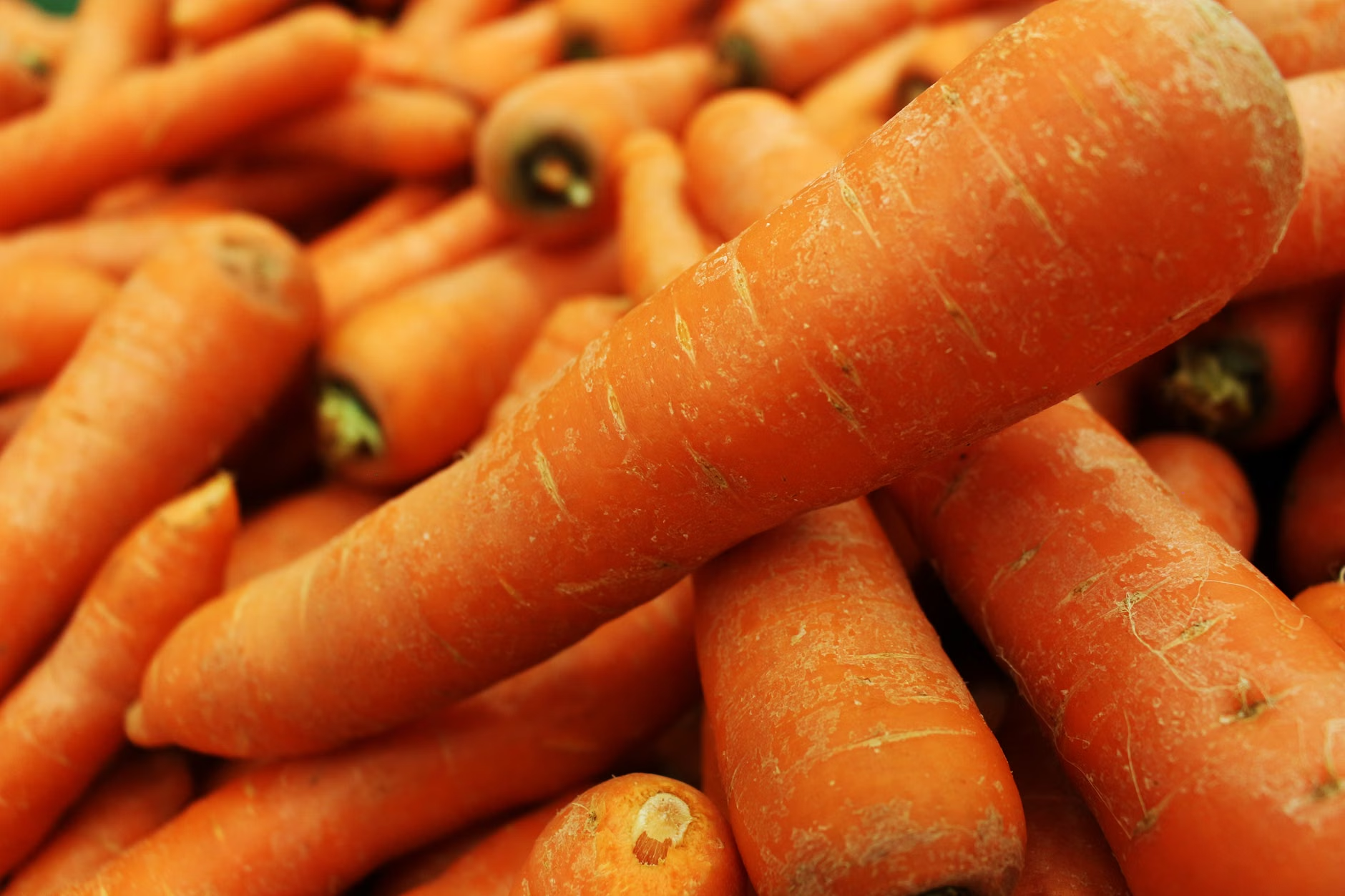
| Carrots | Carotenoid | Enjoy raw with hummus or cooked in soups. |
| Eggs | Preformed Retinol | Include the yolk; that is where the Vitamin A is stored. |
A note on moderation: While animal liver is the most concentrated source of Vitamin A, it is possible to consume too much. For most healthy adults, sticking to plant-based sources for daily intake and using animal sources (like eggs or occasional dairy) for balance is the safest approach.
Vision Health: Beyond Just “Carrots for Eyesight”
The idea that carrots improve vision is rooted in truth, but it is not a cure-all for age-related eye conditions like macular degeneration or cataracts. Instead, think of Vitamin A as a maintenance tool.
In real life, this means focusing on the “dark adaptation” process. If you notice that it takes you longer to adjust when walking from a bright outdoor area into a dimly lit room, this is a sign your eyes are struggling with the transition. While this is often a natural part of aging, maintaining consistent Vitamin A intake ensures your retinas have the raw materials required to produce the pigments necessary for low-light vision.
Practical Steps for Eye Health Maintenance
- Keep a “Color Calendar”: Aim for at least one orange or deep green vegetable on your plate every single day.
- Pairing: Always pair these vegetables with a healthy fat—a handful of nuts, a splash of olive oil, or a slice of avocado.
- Professional Monitoring: If you experience persistent night blindness or vision changes, do not assume it is just “old age.” Schedule a comprehensive eye exam with an optometrist or ophthalmologist. Keep a log of when you notice vision difficulties to share with them.
Skin Resilience: Supporting the Barrier Function
Your skin is your body’s largest organ, and its needs change significantly after age 60. You may notice your skin becoming thinner, drier, or more prone to bruising. Vitamin A supports the “turnover” of skin cells, which is the process by which old, dead cells are shed and replaced by new, healthy ones.
When this process slows down, skin can look dull or feel persistently dry. Dietary Vitamin A helps provide the building blocks for this cellular renewal. However, dietary intake is only one half of the equation; topical application is the other. Many dermatologists recommend retinol-based creams, but these can be harsh on mature skin. If you are considering a topical retinol, start with a low concentration and apply it only two or three times a week to see how your skin reacts.

Safety First: Avoiding the Risks of Toxicity
Unlike water-soluble vitamins (like Vitamin C), which your body flushes out if you consume too much, fat-soluble vitamins like Vitamin A are stored in your liver. This means it is possible to build up toxic levels if you are taking high-dose supplements without medical supervision.
Warning Signs of Excess:
- Unexplained fatigue or irritability.
- Persistent headaches.
- Dizziness or nausea.
- Dry, peeling skin or brittle hair.
If you are currently taking a multivitamin, check the label. If the Vitamin A content exceeds 100% of the Daily Value (DV), discuss this with your physician before continuing. For the vast majority of older adults, a balanced diet provides all the Vitamin A the body needs. Supplements should only be introduced under the guidance of a healthcare provider who has verified a specific deficiency through blood testing.

When you visit your doctor for your annual physical, it is helpful to be prepared. Instead of asking “Should I take Vitamin A?”, ask more specific questions that relate to your health profile:
- “Given my current medications, are there any nutrients I should be avoiding or supplementing?”
- “I’ve noticed it takes longer for my eyes to adjust to darkness; is this something we should monitor?”
- “My skin has become significantly drier; is there a dietary change or a specific topical routine you recommend?”
Keep a list of all your current supplements and medications. Many seniors take “pill cocktails” that may contain overlapping ingredients. Bringing this list ensures your doctor can identify if you are accidentally hitting the upper limits of safe Vitamin A intake.
Conclusion: A Sustainable Approach to Vitality
Maintaining your health in your 60s, 70s, and 80s is about consistent, small habits rather than drastic changes. Vitamin A is a perfect example of this. By choosing vibrant, nutrient-dense foods, pairing them with healthy fats, and remaining aware of how your body responds to changes, you can support your vision and skin health effectively.
Remember that the goal is not to achieve “perfect” vision or skin, but to maintain the functionality and comfort of your body as you continue your active life. Focus on the food on your plate, monitor your symptoms with care, and keep an open dialogue with your healthcare providers. This proactive approach is the most reliable path to long-term wellbeing.
Frequently Asked Questions
1. Can I get enough Vitamin A from a vegan diet?
Yes. While you won’t get preformed retinol (found in animal products), your body is highly efficient at converting beta-carotene from plants like sweet potatoes, carrots, and spinach into Vitamin A. Just ensure you are consuming enough dietary fat to aid absorption.
2. Is there a difference between Vitamin A in food and in supplements?
There is a significant difference. Supplements often provide “preformed” Vitamin A in high concentrations, which bypasses your body’s natural regulatory systems and can lead to toxicity. Food sources provide a mix of carotenoids that the body converts only as needed, making them much safer.
3. How often should I have my Vitamin A levels checked?
Most healthy adults do not need routine blood tests for Vitamin A. If you suspect a deficiency due to specific health conditions (such as malabsorption issues or persistent, unexplained symptoms), consult your primary care physician. They will determine if testing is necessary based on your clinical history.
Disclaimer: This article is for informational purposes only and does not constitute medical advice. Always consult with a qualified healthcare provider regarding your specific health needs, supplements, or dietary changes.
Official Resources for Further Reading:
National Institutes of Health (NIH) – Vitamin A Fact Sheet for Consumers
American Optometric Association – Diet and Nutrition for Eye Health