- Standardization is key: By 2026, many nations are adopting interoperable digital ID standards to ensure your medical history follows you securely, even when traveling across borders.
- Privacy remains the priority: You retain the right to control which medical providers access your data; digital IDs are designed to add layers of encryption, not remove your oversight.
- Preparation is essential: Proactive management of your digital health credentials—such as ensuring your government-issued ID is linked correctly to your primary care portal—will prevent delays in accessing care or insurance reimbursements.
Understanding the Global Shift Toward Digital Health Identification
As we move through 2026, the landscape of healthcare administration is undergoing a significant transformation. Governments and health organizations worldwide are moving toward a unified approach to Digital Health Identification (DHID). This shift is not merely about digitizing paper records; it is about creating a secure, portable, and verifiable identity that allows your health information to move safely between clinics, hospitals, and national borders.
For those aged 60 to 80, this transition is particularly relevant. Whether you are managing chronic conditions, traveling internationally, or simply seeking more efficient access to your primary care physician, understanding these standards is the first step toward maintaining autonomy over your health journey. This guide explains what these standards are, why they are being implemented, and how you can manage them effectively.
What Are Digital Health ID Standards?
Digital Health ID standards are a set of technical and legal protocols that verify who you are in a digital environment while ensuring that your medical data remains private and accurate. Think of your DHID as a digital version of your passport, but one that is specifically designed to “talk” to medical systems.
In 2026, most developed nations are implementing protocols that comply with the Global Digital Health Partnership (GDHP) recommendations. The core objective is interoperability. Historically, if you visited a specialist in a different city—or especially a different country—your medical history often stayed behind. With new 2026 standards, your authorized health records can be accessed by your care team instantly, provided you grant the necessary digital consent.
Why 2026 Marks a Turning Point in Healthcare Accessibility
The urgency to modernize health IDs stems from the increasing complexity of global healthcare. As people live longer and maintain active lifestyles, the need for seamless care coordination has become critical. The 2026 standards focus on three main areas: security, patient consent, and data accuracy.
1. Seamless Cross-Border Care
For retirees who travel frequently, the biggest barrier to healthcare has always been the “silo effect.” If you have a minor health emergency while traveling in the European Union, for example, your home doctor’s records are rarely available to the local emergency room. The 2026 standards aim to facilitate the secure transfer of “Patient Summaries”—a condensed version of your medical history containing allergies, current medications, and recent procedures—across borders.
2. Enhanced Data Security
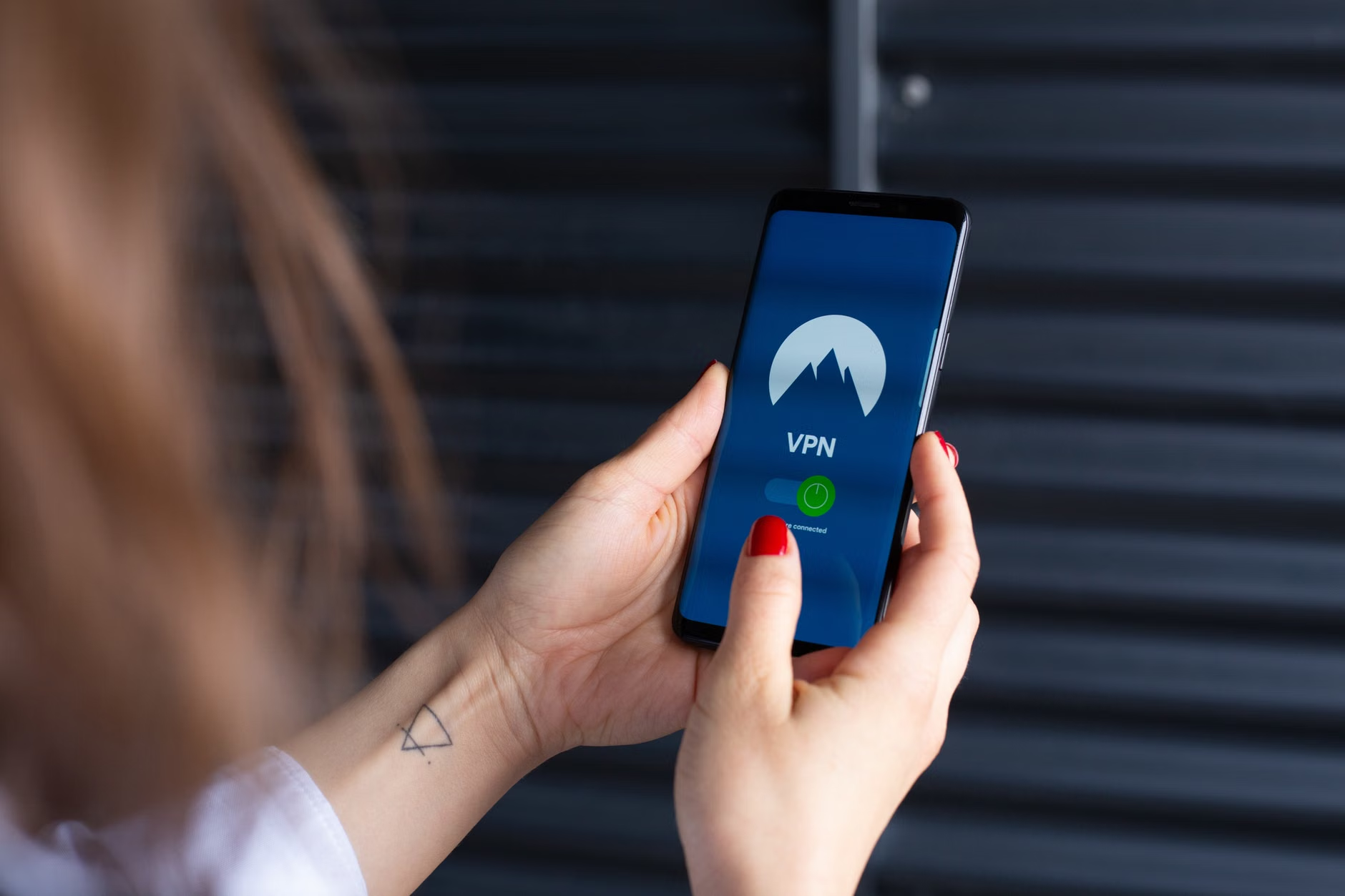
Many individuals worry that “going digital” increases the risk of data theft. The 2026 standards actually mandate more rigorous encryption than ever before. Under these new regulations, your medical identity is protected by multi-factor authentication (MFA), which often requires both a physical device (like your phone) and a biometric or passcode verification.
3. Reducing Administrative Burden
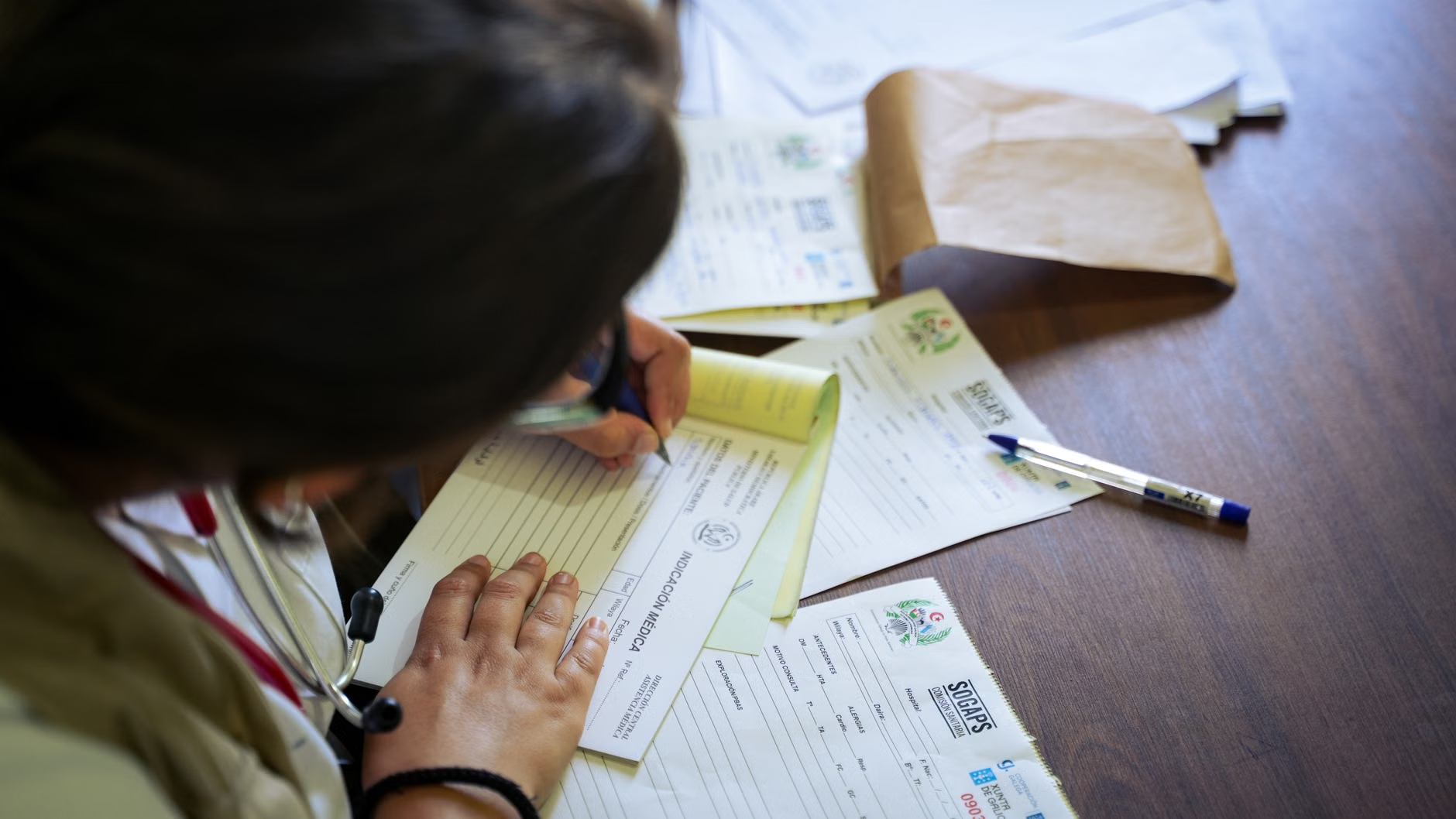
The time spent filling out repetitive forms in clinic waiting rooms is a frustration that many seniors wish to avoid. With a standardized digital ID, your demographic information, insurance details, and emergency contacts are pre-verified. When you arrive at a clinic, a quick scan or digital check-in confirms your identity, allowing the staff to focus on your care rather than data entry.
Practical Steps to Manage Your Digital Health Identity
Managing your health information does not require you to be a computer expert. However, it does require a systematic approach. Below is a framework for ensuring you are ready for the 2026 digital standards.
Step-by-Step Preparation Checklist
| Action Item | Why It Matters | Difficulty Level |
|---|---|---|
| Verify your Government ID | Most health IDs are tied to your national identity document. Ensure it is current. | Low |
| Register for your National Health Portal | This is the central hub where your digital ID is validated. | Medium |
| Audit your contact information | Notifications regarding your health data access are sent to your registered email or phone. | Low |
| Create an “Emergency Health Folder” | Maintain a physical backup of critical data in case of digital system outages. | Medium |
One of the most important features of the 2026 standards is the Granular Consent Model. You are not required to give all doctors access to all your records. Instead, you can choose to share only specific segments of your health history. For example, if you are seeing a dermatologist, you might grant them access only to your allergy list and current medications, rather than your entire mental health or surgical history.
Common Mistake: Many users grant “blanket access” because it seems easier. We recommend taking the extra minute to review the scope of access in your portal settings to ensure you are only sharing what is medically necessary for that specific visit.
Addressing Privacy and Security Concerns
It is natural to feel cautious about your medical history being stored online. In 2026, the regulatory environment is stricter than ever. Most jurisdictions now operate under frameworks similar to the GDPR (General Data Protection Regulation) or HIPAA (Health Insurance Portability and Accountability Act), which provide legal recourse if your data is mishandled.
How to Identify a Secure Portal
When you access your health portal, look for these indicators of a legitimate, secure system:
- HTTPS Protocol: Look for the padlock icon in your browser’s address bar.
- Official Government Domains: Ensure the website ends in a recognized government suffix (e.g., .gov, .nhs.uk, .gv.at).
- No Unsolicited Requests: Legitimate health authorities will never ask for your password via email or text message. If you receive such a request, do not click any links. Instead, navigate directly to the official portal using a bookmark you have created yourself.
The “Human-in-the-Loop” Principle
While technology is becoming more automated, the 2026 standards emphasize that a “human-in-the-loop” is required for critical decisions. This means that if a digital system flags a potential drug interaction, it is a recommendation for your doctor to review, not a final decision made by an algorithm. You should always feel empowered to ask your physician, “What does this digital alert mean, and why is it being flagged now?”

Addressing Potential Challenges and Hidden Inconveniences
While these digital advancements are designed to help, they are not without their friction points. Being aware of these potential issues can save you significant time and stress.
The “Digital Divide” and Technical Support
If you find that a specific portal is difficult to navigate, do not assume the fault lies with your technical skills. Many systems are designed with “younger” user interfaces that may lack contrast or readable text sizes. Action: Utilize the accessibility settings on your device (such as increasing font size) or contact your clinic’s administrative office. They often have dedicated staff whose job is to assist patients in navigating these portals.
System Outages and Offline Preparedness
Even the most advanced systems can experience downtime. Never rely solely on a digital device for critical medical information. Always keep a printed “Medical Summary Card” in your wallet. This card should include your full name, blood type, major allergies, current medications (with dosages), and the name of your emergency contact. This “low-tech” backup is your best safety net when digital systems are unavailable.
The Risk of Data Silos
Even with global standards, not all private clinics will be integrated with the public health system. If you visit a private specialist, ask them specifically: “Are you integrated with the national digital health registry, or will I need to request a physical copy of my visit summary for my primary doctor?” This simple question ensures that your primary care physician remains fully informed of your total health status.
Conclusion: Taking Ownership of Your Digital Health Journey
The 2026 updates to global digital health ID standards represent a significant step toward a more integrated, patient-centered healthcare experience. By understanding how these systems work—and more importantly, how you can control them—you can ensure that your medical history works for you, rather than becoming a barrier to your care.
The most effective strategy is to stay informed, prioritize your privacy by carefully managing consent, and always maintain a physical backup of your most critical health information. As these systems continue to evolve, your role as an active participant in your healthcare remains the most important factor in your long-term wellbeing.
Frequently Asked Questions
- Q: Will I be forced to use a digital ID to receive medical care in 2026?
A: No. While digital IDs are becoming the standard for efficiency, they are not a prerequisite for receiving care. If you are uncomfortable or unable to use digital systems, you still have the right to request paper-based records and traditional administrative processes. - Q: What should I do if I notice an error in my digital health records?
A: You have the right to request corrections. Contact the health provider that generated the incorrect data first. If they are unable to fix it, contact your national health authority’s privacy office; they have a formal process for disputing and correcting inaccuracies in patient records. - Q: Are my medical records accessible to insurance companies automatically?
A: Generally, no. In most jurisdictions, your health data is protected by strict privacy laws. Insurance companies typically only receive information that is necessary for billing and claims processing, and you usually have to provide consent for any broader data sharing. Always review the “Privacy Notice” provided by your portal to see exactly who has access to your information.
Sources and References: