- Beyond Literacy: Community book swaps serve as vital “social anchors” that combat isolation and foster local intergenerational connections.
- Practical Participation: Whether using a public “Little Free Library” or a formal club, success relies on clear etiquette regarding book condition and the “take one, leave one” principle.
- Cognitive and Social Wellness: Regular engagement in book-sharing communities supports sustained cognitive stimulation and provides a low-cost, accessible leisure activity.
Participating in a community book swap is an effective way to cultivate social connections, refresh your reading list without cost, and contribute to the intellectual vibrancy of your neighborhood. For adults aged 60 to 80, these exchanges offer a unique blend of intellectual stimulation and social interaction that can significantly enhance daily wellbeing.
Understanding the Social Value of Local Book Exchanges
In an era where digital interactions often replace face-to-face contact, local book swaps act as physical “third places”—spaces outside of home and work where people congregate. Research into community health suggests that these micro-interactions are not merely about the books; they are about the “social glue” that binds a neighborhood together.
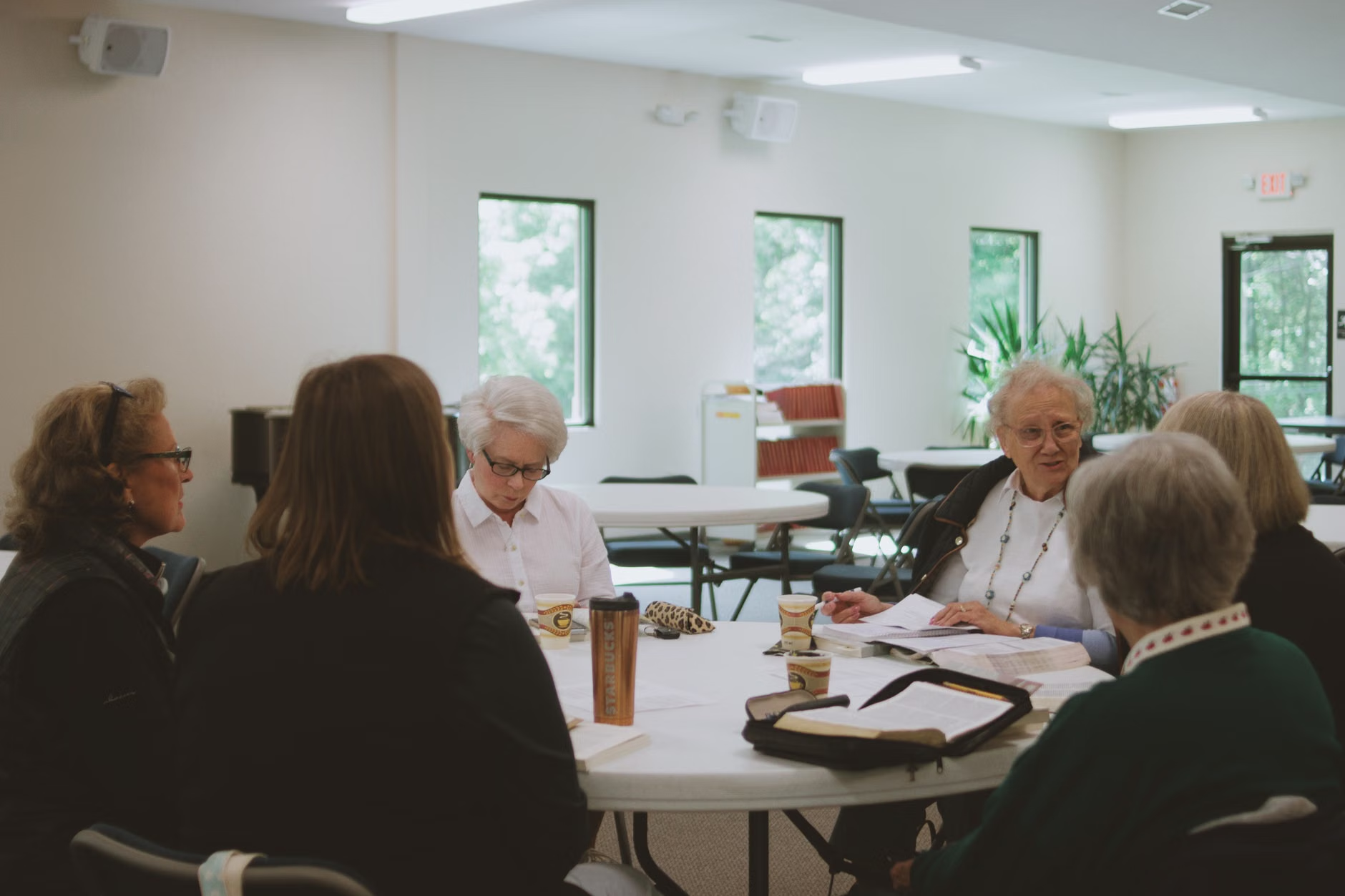
For many older adults, the transition into retirement can sometimes lead to a shrinking social circle. Book swaps provide a low-pressure environment to meet neighbors. Unlike a formal club that requires a significant time commitment, a neighborhood book box allows for spontaneous, brief, or extended interactions depending on your comfort level. This flexibility makes it an ideal hobby for those who prioritize autonomy and social pacing.
How Book Swaps Enhance Cognitive Wellbeing
Reading is a complex cognitive activity that engages various neural pathways. When you pair reading with the act of sharing or discussing a book, you add a layer of social cognition. Discussing a plot or an idea with a neighbor requires active listening, memory recall, and the ability to articulate thoughts—all of which are excellent exercises for maintaining mental sharpness. Furthermore, the act of “curating” your own collection and deciding what to donate requires executive function and decision-making skills.
Types of Book Exchange Models
Not all book exchanges operate the same way. Understanding the structure of these exchanges helps you choose the one that best fits your mobility, stamina, and social preferences.
| Type | Accessibility | Social Interaction Level | Effort Required |
|---|---|---|---|
| Little Free Library (Outdoor) | High (Neighborhood level) | Low to Medium | Low |
| Community Center Exchange | Medium (Fixed hours) | High | Low |
| Private/Social Book Club | Low (Requires travel) | Very High | High |
If you have limited mobility, a “Little Free Library” located on your walking route is the most practical choice. If you are seeking more structured social engagement, a local library or community center program is preferable.

Setting Up or Participating in a Neighborhood Exchange
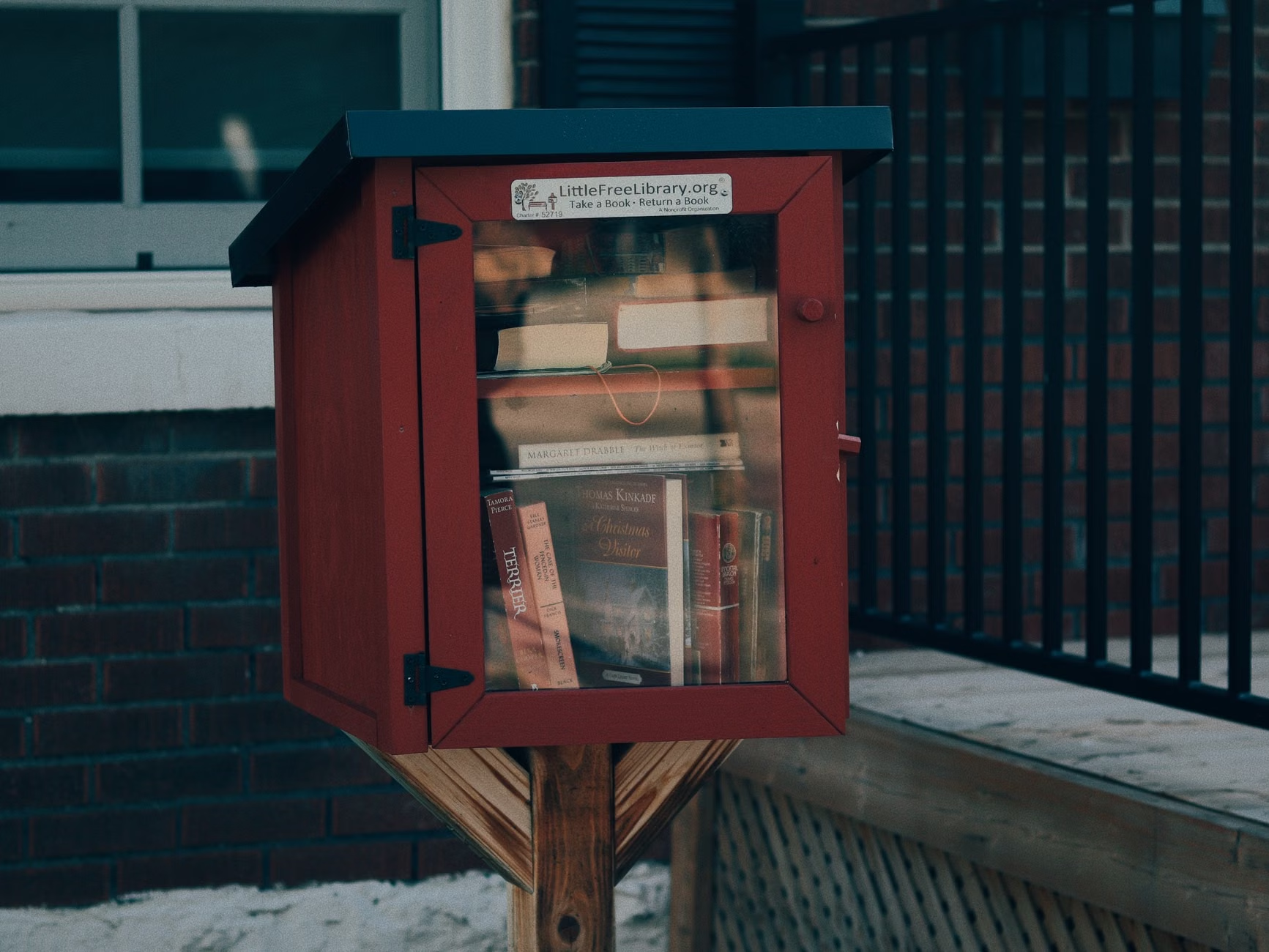
Participation in a “Little Free Library” or a similar community book box is governed by unwritten but essential etiquette. To ensure the sustainability of these boxes, consider the following checklist:
- Quality Control: Only donate books that are in good condition. If a book has missing pages, heavy water damage, or broken spines, it is better to recycle it than to place it in a community box.
- The “Take One, Leave One” Rule: While not always strictly enforced, it is the standard for keeping the box balanced. If you find yourself taking more than you leave, try to bring books from your own collection the next time you visit.
- Genre Awareness: Observe what is popular in your neighborhood box. If you notice a high demand for mystery novels, consider adding your finished titles to the rotation.
- Weather Protection: If you are starting your own box, ensure it is waterproof and placed in an area that is easily accessible to elderly neighbors—avoid placing it at the top of steep stairs or on uneven terrain.
The Hidden Inconvenience: Managing Book Inventory
One challenge often overlooked is the physical weight of books. If you are planning to contribute a large number of books to a community box, do not carry them all at once. Use a sturdy trolley or make multiple trips. Protecting your joints while engaging in your hobby is paramount. If you are building your own box, consider installing it at a height where you do not need to bend over deeply to reach the bottom shelf.
Integrating Book Swaps into Your Daily Routine
To get the most out of this hobby, integrate it into your existing daily habits. If you take a morning walk, map out the nearest book boxes. This turns a simple exercise session into a purposeful journey. If you have a primary caregiver, they can assist in identifying accessible locations or helping to transport books that are too heavy for you to carry.
If you find that your local area lacks a formal exchange, you might consider starting a small, informal swap among friends or neighbors. This does not require a physical box; it can simply be a monthly coffee meeting where everyone brings two books to exchange. This approach removes the barriers of public infrastructure and allows you to curate the social environment.
Overcoming Barriers to Entry
Some individuals feel hesitant to join a book swap because they worry about the “social pressure” of discussing books. It is important to remember that there is no requirement to be a literary critic. The beauty of these exchanges lies in the diversity of tastes. You might find a gardening guide, a travel memoir, or a classic novel. If you are not a fan of a specific book, you can simply pass it on to the next person.
If you struggle with digital navigation, you can use the official Little Free Library map (or similar local equivalents in your country) to find locations. If you find the digital map difficult to use, ask a family member or a local librarian to print a list of locations in your immediate zip code or postal area.
Conclusion: The Lasting Impact of Small Exchanges
Community book swaps are a testament to the power of shared resources. They encourage us to trust our neighbors, reduce waste, and keep our minds active. By participating in these local initiatives, you are not just reading; you are participating in a living, breathing community network. Whether you are a casual reader or a dedicated bibliophile, the social and cognitive benefits of these exchanges are accessible, affordable, and incredibly rewarding.
The most important step is to start small. Visit one location, observe how it works, and contribute a title you enjoyed. You may find that this simple act opens doors to new friendships and a renewed sense of connection to your local area.
Frequently Asked Questions
1. How do I know if a book is appropriate to donate to a public book swap?
A good rule of thumb is to donate books that you would be happy to receive yourself. Avoid books with torn pages, mold, or strong odors. If the book is a textbook or a highly technical manual, check if there is a more specialized place for it, as these often sit in community boxes for long periods without being chosen.
2. Can I use book swaps if I have mobility issues?
Yes, but it requires planning. Look for boxes located on flat, paved paths. If you are using a walker or cane, ensure the box is placed on a stable surface. If you are unable to reach a box yourself, this is a great opportunity to ask a family member to join you on a “book walk,” or check if your local community center has an indoor, accessible exchange shelf.
3. Is there any cost associated with using these services?
Most community book swaps are entirely free. They are built on a philosophy of sharing and sustainability. If you are participating in a book club at a library or community center, there may occasionally be a nominal fee for refreshments or room rental, but the book exchange itself is almost always a non-profit, volunteer-led effort.