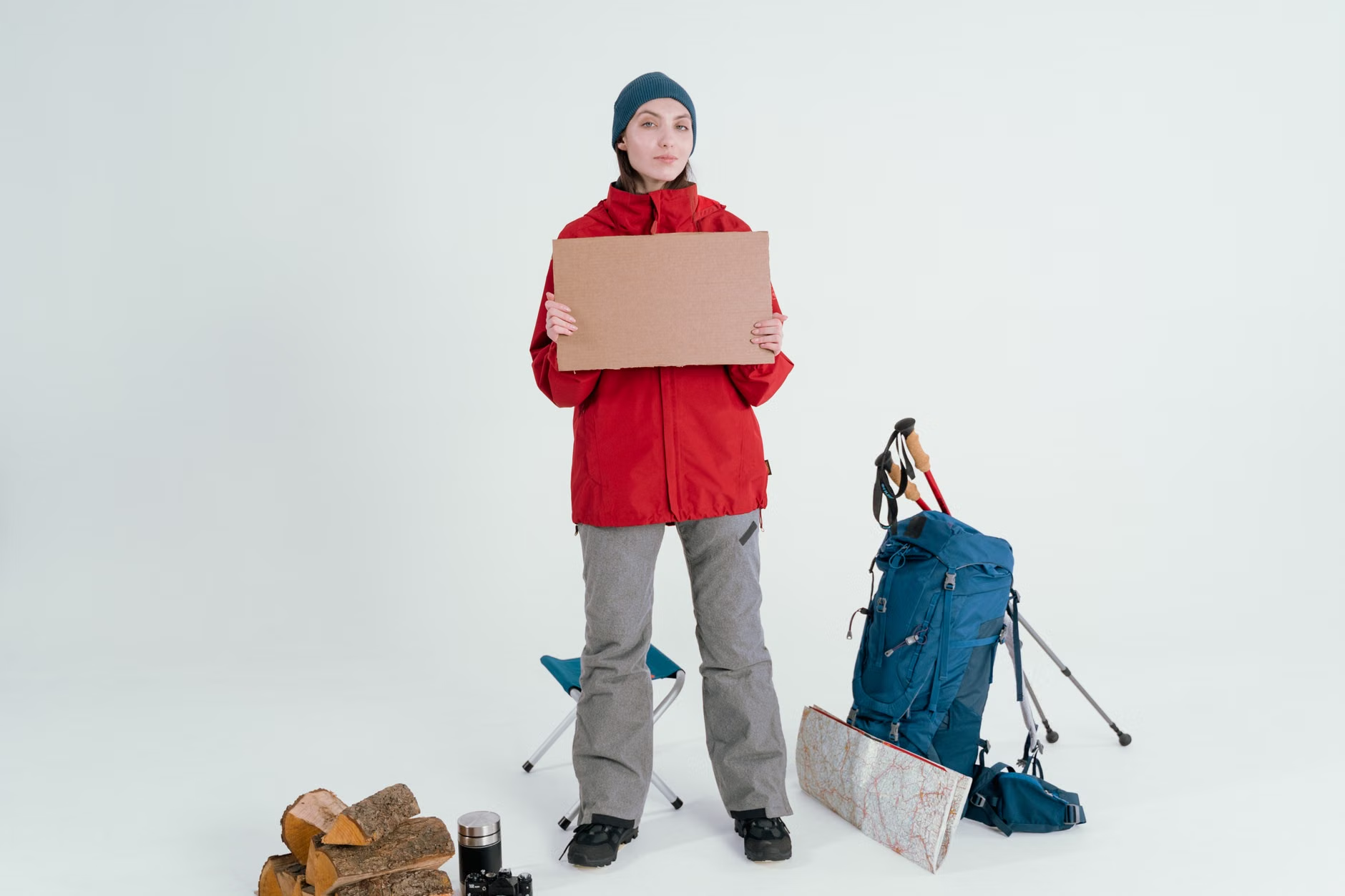
Mountain environments are renowned for their unpredictable weather, where temperatures can drop significantly in a matter of hours and rain can appear without warning. For travelers aged 60 to 80, successful mountain trips depend less on physical endurance and more on strategic preparation and the ability to adapt to changing conditions. By mastering the art of layering and choosing the right gear, you can maintain your comfort, safety, and mobility regardless of the forecast.
- The Three-Layer System: Use a base layer for moisture management, a mid-layer for insulation, and a shell for protection against wind and rain to maintain a stable body temperature.
- Mobility First: Prioritize footwear with ankle support and high-traction soles to mitigate the risks of uneven terrain, which is the most common cause of travel-related injuries.
- Strategic Packing: Use lightweight, modular packing methods to keep your bag weight manageable, ensuring you retain the energy needed to enjoy the destination rather than struggling with your luggage.
Understanding the Mountain Microclimate
Mountains create their own weather systems. As you gain elevation, the air temperature typically drops by approximately 6.5°C per 1,000 meters of ascent. Furthermore, valleys can trap cold air, while ridges are exposed to high-velocity winds. For older adults, who may be more sensitive to temperature fluctuations and humidity, this variability requires a proactive approach to clothing.
The primary goal is to maintain “thermal equilibrium”—the state where your body doesn’t have to work too hard to stay warm or cool. When you are active, you produce heat; when you stop to admire a view, that heat dissipates rapidly. If you are wearing a single heavy coat, you will likely overheat while moving and become chilled the moment you stop. This is why layering is not just a suggestion; it is a vital safety tool for mountain travel.
The Three-Layer Framework
A functional layering system allows you to add or remove clothing in seconds. Here is how to structure your wardrobe for a mountain environment:
- Base Layer: This is your “second skin.” Choose materials like merino wool or synthetic moisture-wicking fabrics. Avoid cotton, as it absorbs sweat and stays wet, which can lead to rapid cooling and hypothermia in mountain air.
- Mid-Layer: This layer traps your body heat. A light fleece, a down vest, or a synthetic insulated jacket works best. This should be easy to put on or take off without removing your outer shell.
- Outer Shell: This is your barrier against the elements. It must be windproof and water-resistant. Look for “breathable” fabrics that allow internal moisture to escape while preventing rain from entering.
Footwear: The Foundation of Mountain Safety
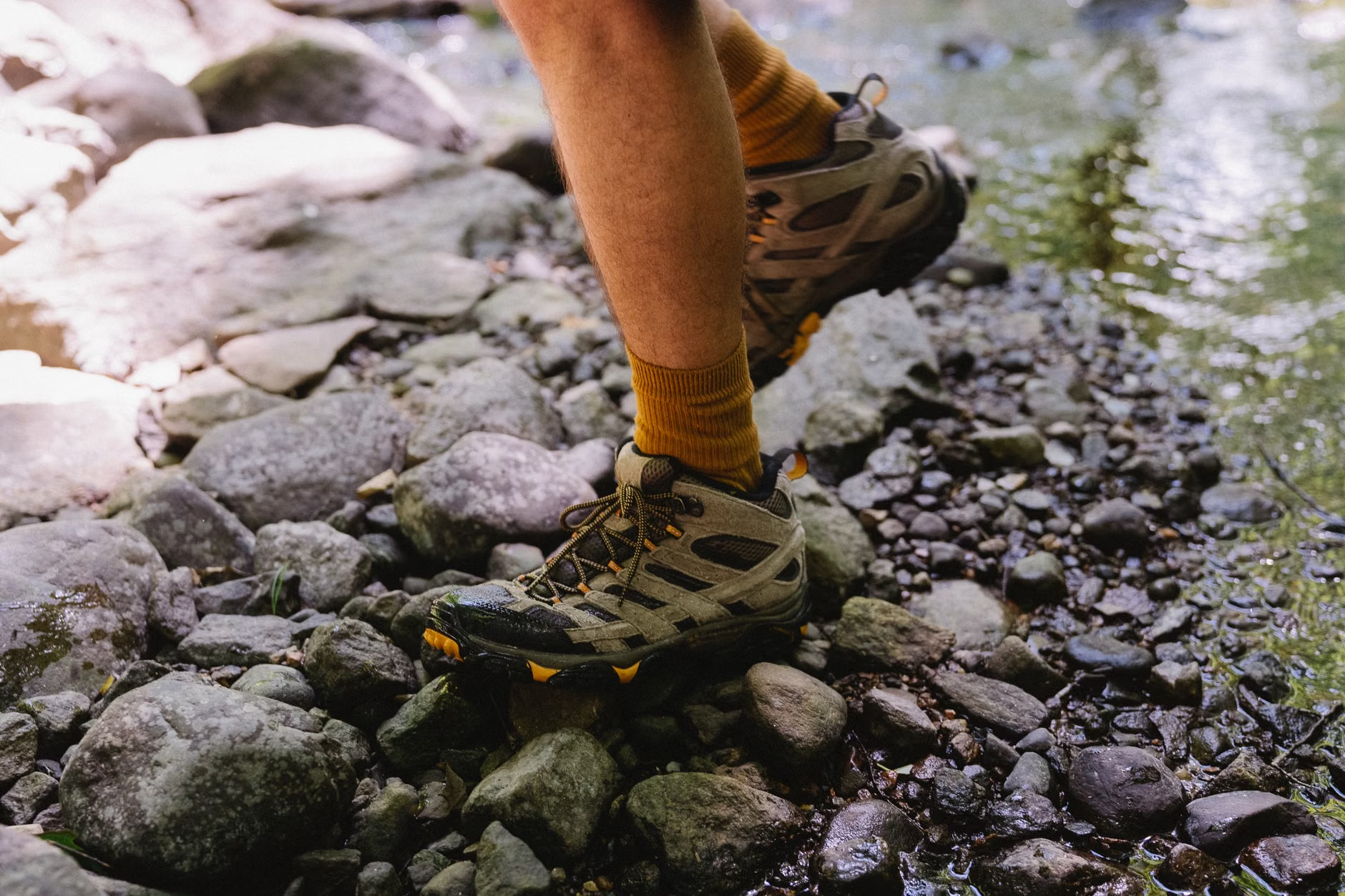
The most common risk for older travelers in mountain regions is a slip or fall on uneven, rocky, or slippery paths. Your choice of footwear is the single most important decision you will make for your trip. A sneaker with a flat sole provides inadequate grip on mountain trails, while a heavy, stiff hiking boot may be unnecessary for casual walking.
Criteria for Choosing the Right Travel Shoes
When selecting footwear, consider the following checklist:
| Feature | Why it Matters | Recommendation |
|---|---|---|
| Traction | Prevents slips on wet rocks or loose gravel. | Look for deep, multi-directional lugs (rubber teeth). |
| Ankle Support | Reduces the risk of sprains on uneven paths. | Mid-cut boots are often safer than low-cut shoes. |
| Weight | Reduces leg fatigue over long walking days. | Opt for modern, lightweight materials over heavy leather. |
| Waterproofing | Keeps feet dry, preventing blisters and discomfort. | Gore-Tex or similar breathable membranes are ideal. |
Pro-Tip: Never wear brand-new shoes on a trip. Walk in your chosen footwear for at least 30 minutes a day for two weeks before you depart. This allows the material to soften and helps you identify any pressure points that might cause blisters.
Managing Stamina and Mobility
Mountain travel often involves more walking than city travel. Even if you are taking cable cars or shuttles, you will likely encounter inclines, stairs, and cobblestone paths. Managing your energy effectively allows you to experience more of the destination without burnout.
The “Steady Pace” Strategy
One of the most common mistakes travelers make is trying to maintain the same pace they might have kept decades ago. Mountain air is thinner, and your heart and lungs have to work harder. Adopt a “rest-before-you-need-to” policy. If you feel your breathing become labored, stop for two minutes. This prevents the buildup of lactic acid and allows your heart rate to normalize.
Using Supportive Gear
Do not be afraid to use trekking poles. They are not just for mountaineers; they are excellent tools for stability. Trekking poles shift some of the weight from your knees and hips to your arms and shoulders, which is particularly helpful when descending—a movement that places significant stress on the joints. Ensure you choose adjustable, telescoping poles that can be shortened for storage in your luggage.
Strategic Packing: Minimizing Weight, Maximizing Efficiency
The heavier your luggage, the more energy you expend just moving from your accommodation to your transportation. For mountain travel, where you may need to navigate stairs or uneven ground with your bags, weight management is critical.
Packing Cubes and Modular Systems
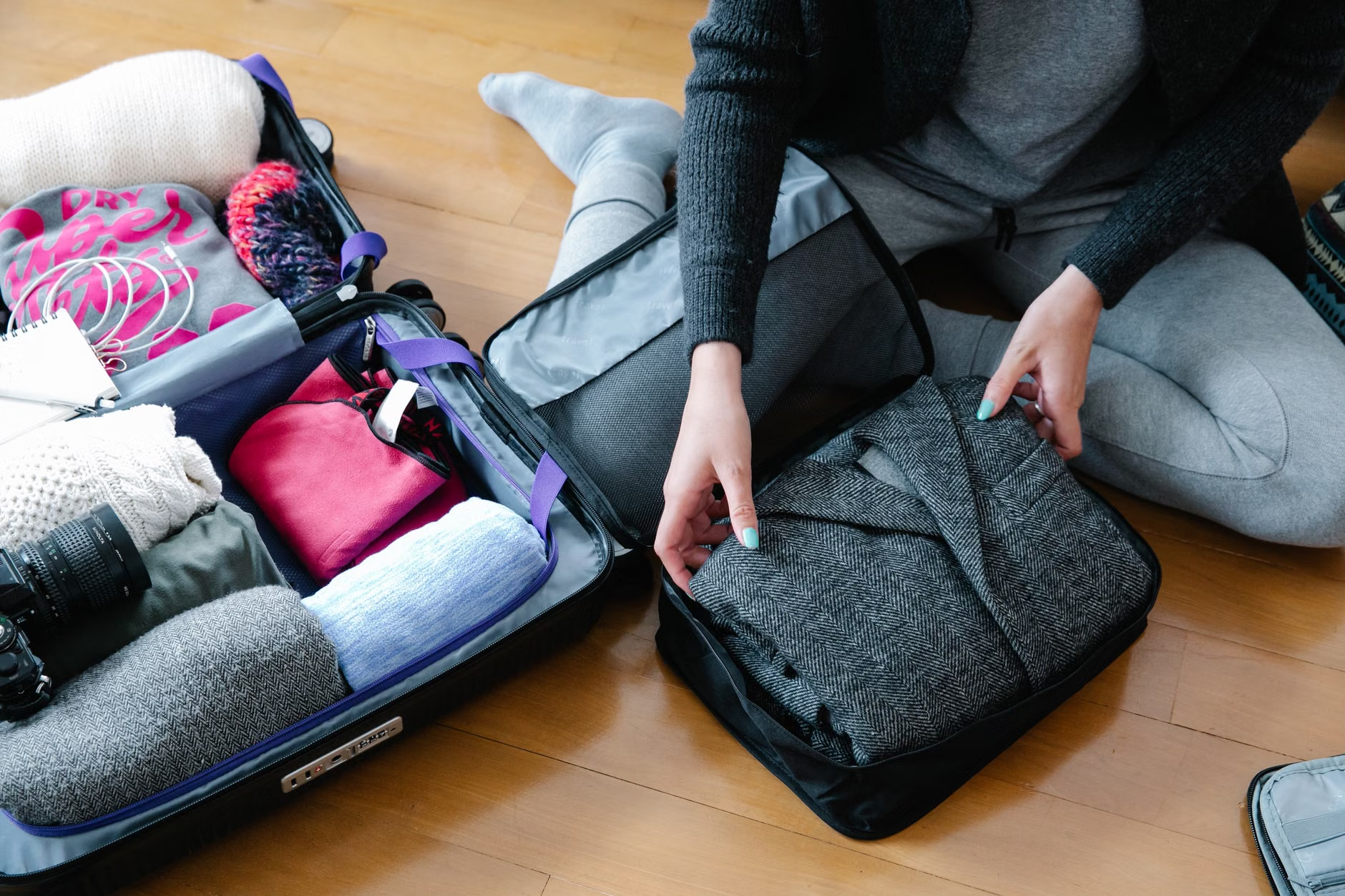
Use packing cubes to organize your items by category (e.g., base layers, toiletries, electronics). This not only keeps your bag organized but also allows you to quickly find items without unpacking your entire suitcase. When packing for variable weather, group your layers so you can reach your windbreaker or fleece instantly if the temperature drops.
The Essential “Day-Bag” Kit
When you leave your hotel for the day, your day-bag should contain only the essentials. Carrying a heavy bag all day will lead to shoulder and back strain, which can ruin your enjoyment of the scenery.
Your Day-Bag Checklist:
- A compact, packable rain poncho: Takes up very little space but is invaluable.
- Sun protection: UV radiation is stronger at higher altitudes. Pack sunglasses, a wide-brimmed hat, and high-SPF sunscreen.
- Hydration: High altitude causes faster dehydration. Bring a reusable water bottle and sip frequently.
- Essential documents: Carry a physical copy of your travel insurance, medical contacts, and a list of your current medications in case of emergency.
- Emergency snack: Nuts, dried fruit, or energy bars to maintain blood sugar levels during long outings.
Health Considerations and Preventive Care
When traveling to higher elevations, it is important to understand how your body reacts to altitude. Mild altitude sickness can affect anyone, regardless of fitness level. Symptoms typically include headaches, fatigue, and nausea. The best prevention is a gradual ascent. If you are traveling to a mountain resort, try to spend your first 24 hours at a lower altitude before heading to the highest peaks.
Managing Chronic Conditions
If you have pre-existing health conditions, such as hypertension or heart disease, consult your primary care physician before booking your trip. Ask specifically about how altitude may affect your condition. Always carry a summary of your health history, including any current prescriptions, in your travel bag. Most major mountain tourist hubs have excellent clinics, but having your medical information ready simplifies any necessary interactions.
Warning Signs: If you experience severe shortness of breath, chest pain, or persistent dizziness that does not resolve with rest, do not ignore these symptoms. These are indicators that you should seek medical attention immediately. Locate the nearest medical facility before you start your day of sightseeing.
Logistics: Transport and Accessibility
Many mountain towns are designed for pedestrians, but they often feature steep hills and narrow, uneven sidewalks. Before you book, research the “walkability” of your destination. Look for hotels located near the main town center or near public transport hubs like funiculars or cable cars. This minimizes the amount of uphill walking you have to do at the start and end of your day.
Understanding Transport Options
Research the local transport infrastructure. Many mountain regions offer “visitor cards” that provide free or discounted access to buses, trains, and cable cars. These are highly recommended for seniors as they allow you to skip the difficult walking sections and focus your energy on the viewpoints and attractions.
For example, in the Swiss Alps, the public transport network is exceptionally well-integrated, allowing travelers to reach high-altitude vistas without ever needing to hike. Conversely, in some smaller mountain villages in other parts of the world, transport might be limited to infrequent local buses. Always verify the frequency of services, especially for the return trip, so you are not left stranded as temperatures drop in the evening.
Conclusion: Planning for a Comfortable Journey
Mountain travel is a rewarding experience, offering some of the most spectacular scenery in the world. By prioritizing your comfort through proper layering, choosing the right footwear for your mobility needs, and managing your energy levels, you can navigate these environments with confidence. Remember that the goal of your trip is to enjoy the destination, not to test your physical limits. Plan for extra rest, keep your luggage light, and stay flexible with your schedule to accommodate the unpredictable nature of mountain weather.
Frequently Asked Questions
1. How can I determine if a mountain destination is accessible for my mobility level?
Look for official tourism websites of the region and search for “accessibility maps” or “senior-friendly routes.” Many modern mountain resorts now provide detailed information on the steepness of paths and the presence of lifts. If this information is missing, contact the local tourist office directly and ask about “funicular access” or “flat walking paths” to get a better sense of the terrain.
2. Is it necessary to bring expensive specialized hiking gear?
Not necessarily. While high-quality gear is beneficial, you do not need professional mountaineering equipment. Focus your budget on the items that directly affect your safety and comfort: sturdy, non-slip footwear and a reliable, breathable rain shell. Other layers, like fleece or base layers, can often be found at reasonable prices in general outdoor retailers.
3. How do I prepare for unexpected temperature drops in the mountains?
Always check the weather forecast for the specific elevation of your destination, not just the nearest city. Carry an extra, lightweight layer in your day-bag at all times, even if the morning starts sunny. A compact, insulated vest or a lightweight windbreaker can be the difference between needing to return to your hotel and being able to stay out and enjoy the afternoon.
Disclaimer: This article is for informational purposes only and does not constitute medical advice. Please consult with your healthcare provider regarding your individual health needs before planning travel to high-altitude regions.