Key Takeaways
- Prioritize Whole Foods: Zinc is most effectively absorbed through a diverse diet rich in lean proteins, legumes, and seeds, rather than relying solely on supplements.
- Understand Absorption Barriers: Phytates found in whole grains and legumes can hinder zinc absorption; soaking or sprouting these foods improves your body’s ability to utilize the zinc.
- Safety First: High-dose zinc supplementation can interfere with copper absorption and medication efficacy; always consult a healthcare provider before adding a supplement to your routine.
Maintaining a resilient immune system is one of the most effective ways to preserve independence and quality of life as we navigate our 60s, 70s, and beyond. Among the essential micronutrients, zinc plays a quiet but critical role. It acts as a gatekeeper for cellular health, supporting everything from wound healing and DNA synthesis to the regulation of immune cells that defend the body against pathogens.
Understanding Zinc: Why It Matters for Immune Resilience
Zinc is a trace mineral, meaning the body requires it in small amounts. However, the term “trace” belies its immense importance. In the context of aging, the body’s ability to absorb nutrients can change due to reduced stomach acidity or changes in dietary patterns. Zinc is involved in the production and activation of T-lymphocytes, the white blood cells that are the “special forces” of your immune system.
When zinc levels are suboptimal, the immune response can become sluggish. This isn’t just about fighting off the common cold; it is about maintaining the integrity of the immune system to ensure it reacts appropriately to threats while avoiding chronic inflammation. For older adults, the objective is to maintain a “Goldilocks” level of zinc—not too little, which weakens defenses, and not too much, which can create its own health complications.

Identifying Your Daily Zinc Requirements
The recommended dietary allowance (RDA) for zinc varies slightly by biological sex. According to the National Institutes of Health (NIH) and global health standards, the general guidelines for adults over 60 are:
- Men: 11 milligrams (mg) per day.
- Women: 8 milligrams (mg) per day.
It is important to note that these are baseline figures. Factors such as chronic health conditions (like diabetes or gastrointestinal issues), the use of certain medications (such as diuretics), and individual absorption rates may necessitate a closer look at your specific intake. If you are managing a condition that affects nutrient absorption, your target may differ from the general population.
Zinc-Rich Foods: A Practical Guide to Daily Nutrition
The most reliable way to meet your zinc needs is through a varied diet. Unlike supplements, which provide concentrated doses, food sources provide zinc alongside other essential nutrients that work in synergy. Below is a breakdown of common sources and how they fit into a daily routine.
| Food Source | Typical Serving Size | Approximate Zinc Content |
|---|---|---|
| Oysters (Cooked) | 3 oz | 30–70 mg |
| Beef (Lean) | 3 oz | 5–7 mg |
| Pumpkin Seeds | 1 oz (approx. 1/4 cup) | 2–3 mg |
| Lentils (Cooked) | 1/2 cup | 1.2 mg |
| Chickpeas (Cooked) | 1/2 cup | 1.3 mg |
Note: Values are estimates based on standard nutritional databases. Actual content varies by source and preparation method.
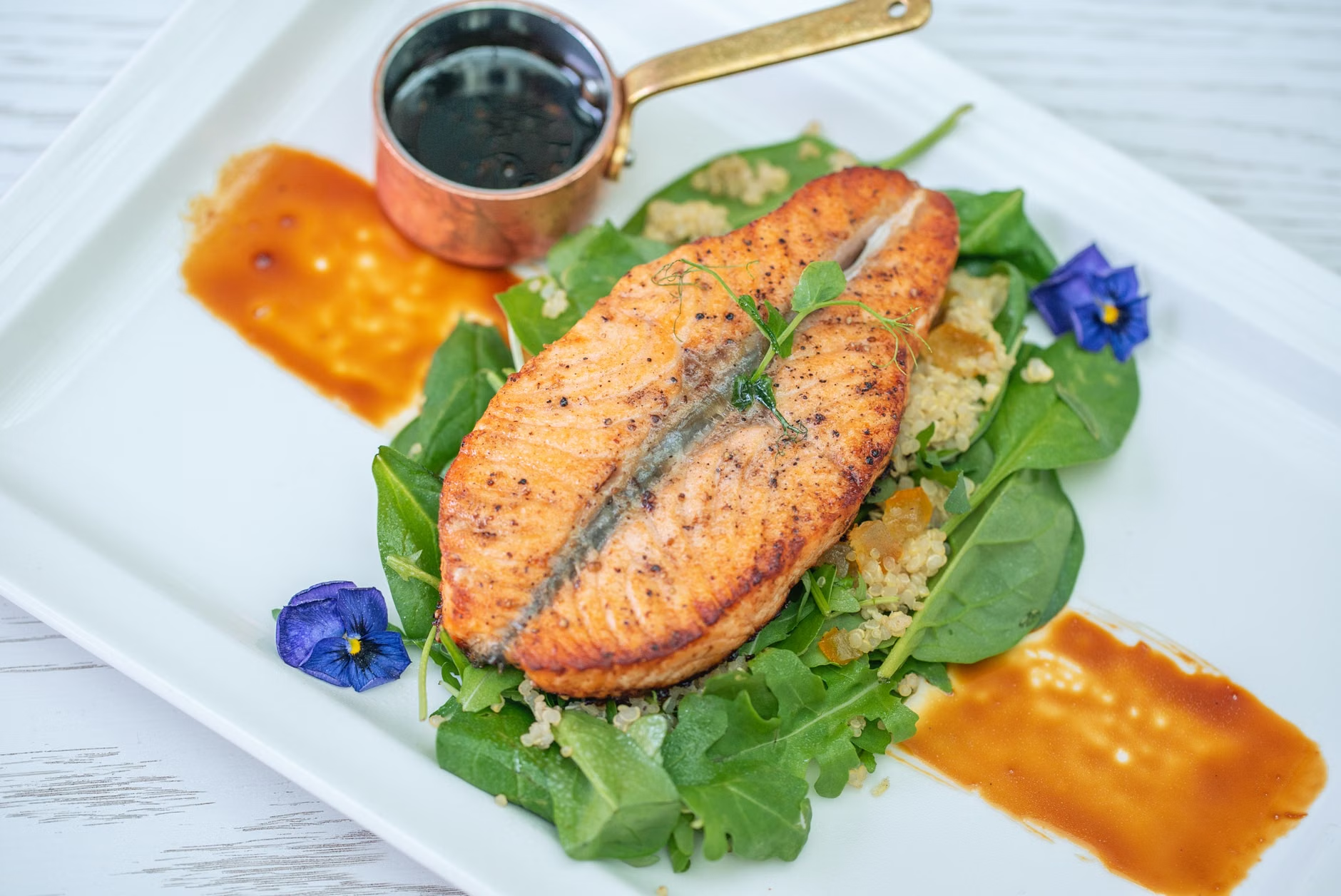
While plant-based sources like beans, lentils, and whole grains are excellent, they contain compounds called phytates. Phytates bind to zinc and can reduce its absorption in the gut. For those who rely heavily on plant-based proteins, this is an important variable to consider.
Practical Strategy: You do not need to avoid these foods. Instead, use simple preparation techniques to increase bioavailability. Soaking beans and grains overnight, sprouting them, or cooking them thoroughly helps break down phytates, making the zinc more accessible to your body. Pairing these foods with a source of vitamin C—such as a squeeze of lemon juice or adding bell peppers to a lentil stew—can also improve mineral absorption.
When to Consider Supplements and Managing Risks
Many older adults consider zinc supplements, especially during winter months or when trying to bolster immune health. However, the “more is better” mentality is a common mistake. Excess zinc intake (typically exceeding 40 mg per day over an extended period) can lead to a deficiency in copper. Because zinc and copper compete for absorption in the small intestine, high doses of one can effectively “crowd out” the other.
Warning Signs of Excessive Zinc Intake:
- Nausea or stomach cramps.
- Loss of appetite.
- Headaches or dizziness.
- Unexplained fatigue.
If you suspect your zinc intake is too high, or if you are considering a supplement, start by reviewing your current multivitamin. Many multivitamins already contain 100% of the daily recommended value for zinc. Adding a secondary zinc supplement on top of this can easily push you into the “high-dose” category.

Preparing for Professional Health Consultations
If you are concerned about your immune resilience or suspect a deficiency, it is time to consult a healthcare provider. Do not attempt to self-diagnose based on symptoms. When preparing for your appointment, bring the following to ensure you get the most out of your visit:
- A 3-Day Food Log: Write down everything you ate for three days. This helps your doctor or a registered dietitian see if your natural intake is sufficient.
- Medication List: Bring all your current prescriptions and over-the-counter supplements. Some medications, such as ACE inhibitors or certain antibiotics, can interact with zinc levels.
- Specific Questions: Ask, “Based on my current health profile, is my current diet providing adequate zinc?” or “Are there specific blood tests that would help clarify my nutritional status?”
The Bigger Picture: Synergy in Nutrition
Zinc does not work in isolation. Immune resilience is the result of a complex interplay between various nutrients. For example, Vitamin D is essential for the activation of immune cells, while Vitamin C acts as an antioxidant that protects these cells from damage. Focusing exclusively on one “super nutrient” is rarely as effective as maintaining a balanced, nutrient-dense diet.
For the older adult, this means prioritizing variety. Instead of obsessing over zinc counts, aim for a “color-rich” plate. Dark leafy greens, colorful vegetables, lean proteins, and healthy fats (like those found in nuts and seeds) naturally provide a spectrum of minerals and vitamins that support the immune system holistically.
Practical Lifestyle Habits for Immune Support
Beyond nutrition, immune resilience in the 60-80 age bracket is heavily influenced by lifestyle factors. Stress management, sleep quality, and physical activity all play a role in how your body manages inflammation and immune function.
Physical Activity: Regular, moderate exercise—such as walking, swimming, or tai chi—promotes circulation, which allows immune cells to move more efficiently throughout the body. Aim for consistency rather than intensity.
Sleep Hygiene: Deep sleep is when the body performs essential repair work. If you find your sleep is interrupted, focus on creating a consistent bedtime routine and limiting screen time an hour before bed. Chronic sleep deprivation is a known stressor on the immune system.
Conclusion: Taking Control of Your Nutritional Health
Zinc is a fundamental building block for a resilient immune system. By understanding your daily needs, incorporating a variety of zinc-rich foods, and utilizing simple preparation methods to maximize absorption, you can take a proactive step in your health journey. Remember that nutrition is a long-term commitment. Small, consistent adjustments—like swapping a snack for pumpkin seeds or soaking your lentils—are far more effective than short-term, high-dose supplementation. Always involve your healthcare provider in your decisions, especially when managing chronic conditions or taking multiple medications. By focusing on a balanced, whole-food approach, you provide your body with the tools it needs to maintain its defenses and support your vitality for years to come.
Frequently Asked Questions (FAQ)
1. Can I get enough zinc through a vegetarian or vegan diet?
Yes, it is entirely possible to meet your zinc requirements on a plant-based diet. However, because plant-based zinc is less bioavailable, you may need to consume slightly more than the standard RDA. Focus on incorporating a wide variety of legumes, seeds (especially hemp, chia, and pumpkin), nuts, and whole grains, and use soaking or sprouting techniques to enhance absorption.
2. How do I know if I am zinc deficient?
Zinc deficiency can be difficult to identify because its symptoms—such as fatigue, slow wound healing, or changes in taste and smell—are common in many other conditions. A definitive diagnosis requires a blood test ordered by a medical professional. If you are concerned, speak to your doctor about your diet and any symptoms you are experiencing rather than assuming a deficiency.
3. Are there specific medications that interfere with zinc absorption?
Yes. Certain medications, including some diuretics, ACE inhibitors (used for blood pressure), and certain antibiotics, can affect how your body absorbs or excretes zinc. Always provide your doctor with a complete list of your medications and ask if any of them impact your nutritional needs. Never stop or change your medication dosage without professional guidance.
Sources: