The most effective way to improve lower limb circulation while seated is to perform consistent, controlled ankle-rolls, which act as a “second heart” by pumping blood from the extremities back toward the torso.
- The Calf Muscle Pump: Your calf muscles are essential for venous return; ankle movement activates these muscles even when you are not walking.
- Consistency Over Intensity: Doing 10–15 ankle-rolls every hour you spend sitting is significantly more effective than one long, strenuous session.
- Safety First: If you experience sharp pain, swelling, or skin discoloration, these are signals to stop and consult a healthcare professional, as these may indicate underlying vascular issues.
Why Lower Limb Circulation Matters as We Age
As we transition into our 60s, 70s, and beyond, the efficiency of our circulatory system naturally undergoes changes. The veins in our legs, which are responsible for returning blood to the heart against the pull of gravity, often face increased challenges. This is largely due to a decrease in vessel elasticity and the weakening of the “calf muscle pump”—a mechanism that relies on the movement of our feet and legs to squeeze blood upward.
When we spend prolonged periods sitting—whether reading, traveling, or working at a desk—blood can pool in the lower extremities. This leads to sensations of heaviness, swelling (edema), and, in some cases, a feeling of “pins and needles.” Beyond the immediate discomfort, poor circulation can affect skin health and increase the risk of venous stasis. Understanding that your movement is the engine for your circulation is the first step toward proactive health management.
The Mechanics of the Ankle-Roll
An ankle-roll is not merely a rotation; it is a full-range-of-motion exercise that engages the muscles surrounding the ankle joint and the lower leg. When you rotate your ankle, you are contracting and relaxing the gastrocnemius and soleus muscles (the primary calf muscles). This rhythmic contraction is precisely what drives blood flow through the deep veins of the leg.
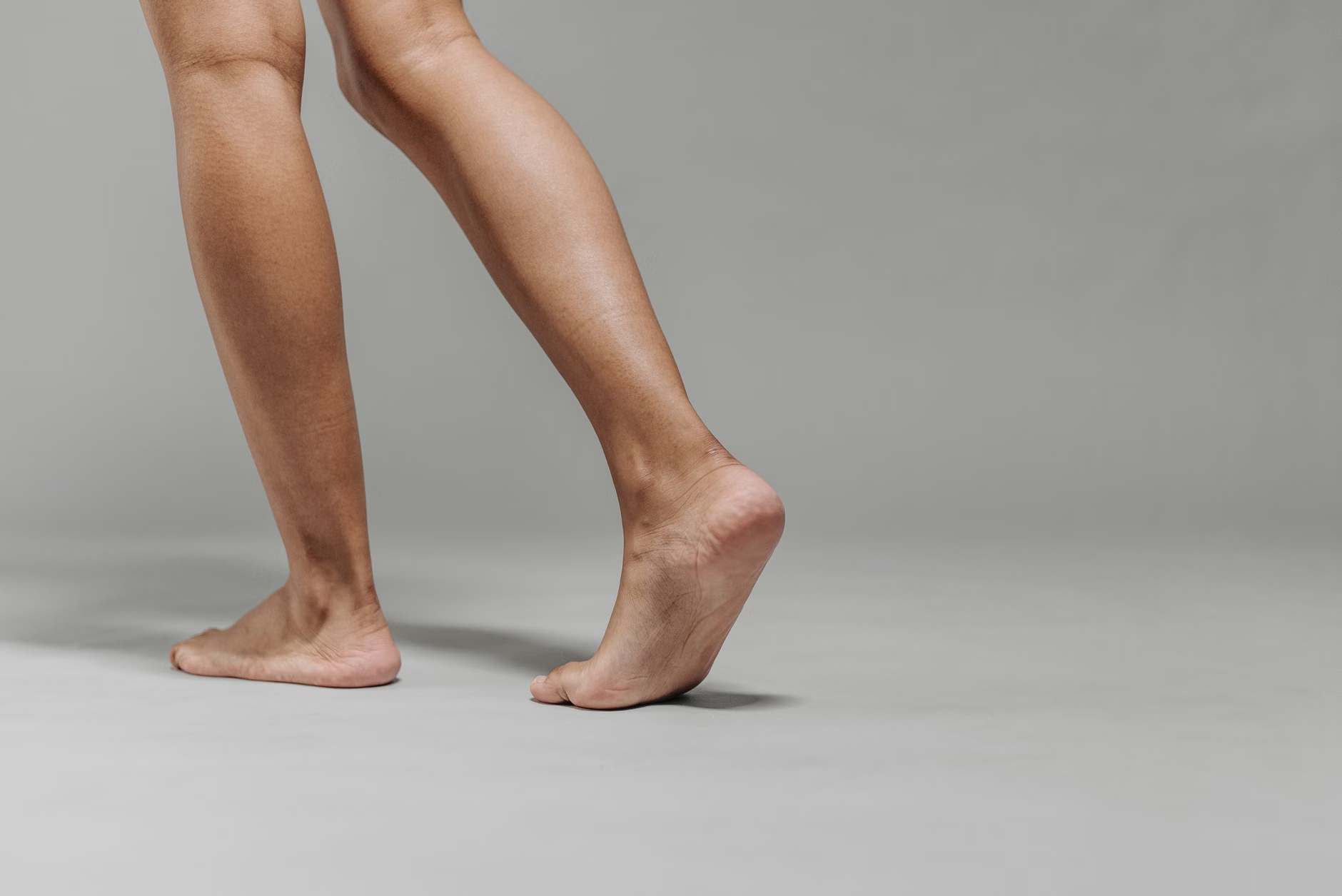
How to Execute the Movement Correctly
To maximize the benefit of this exercise, you must focus on the quality of the movement rather than the speed. Follow these steps to ensure you are engaging the correct muscle groups:
- Positioning: Sit in a chair that provides good support for your back. Ensure your feet are either resting flat on the floor or slightly extended if your chair allows.
- The Lift: Raise one foot slightly off the ground. You do not need to lift it high; just enough to allow the foot to move freely in the air.
- The Rotation: Imagine you are drawing a large circle in the air with your big toe. Move your foot slowly in a clockwise direction. Ensure the movement comes from the ankle joint, not the entire leg.
- The Return: After completing 10 full clockwise circles, repeat the process in a counter-clockwise direction.
- Switching: Lower the first foot and repeat the process with the other.
Integrating Movement into Your Daily Routine
The greatest barrier to better circulation is not a lack of ability, but a lack of routine. Many older adults assume that exercise must be a “workout” that takes place in a gym. However, for circulation, the best approach is “micro-movements” integrated into your existing daily schedule.
Consider the “Rule of 60”: For every 60 minutes you spend in a seated position, perform 60 seconds of ankle movement. This can be broken down into 30 seconds for each foot. By attaching this habit to a common trigger—such as the start of a television show, the end of a chapter in a book, or while waiting for a kettle to boil—you make the practice automatic.
A Comparison of Activity Levels
| Activity Level | Impact on Circulation | Recommended Frequency |
|---|---|---|
| Sedentary (No movement) | Low; high risk of blood pooling | N/A |
| Occasional Stretching | Moderate; temporary relief | Once every 2-3 hours |
| Consistent Ankle-Rolls | High; maintains steady flow | Every 45-60 minutes |
As shown in the table, the goal is not to reach a high level of intensity, but to maintain a consistent state of “flow.” Those who are more sedentary should aim for the highest frequency to compensate for the lack of overall physical movement.
Identifying When to Seek Professional Guidance
While ankle-rolls are a safe and effective preventive measure, they are not a cure-all for chronic vascular conditions. It is vital to recognize the difference between routine stiffness and symptoms that require medical assessment. If you notice persistent swelling that does not subside after rest, skin that feels unusually warm or tender to the touch, or visible changes in skin color (such as persistent redness or darkening), you should schedule an appointment with your primary care physician or a vascular specialist.
When preparing for such an appointment, keep a simple log for one week. Note the times of day when you experience the most discomfort, the duration of your sitting sessions, and any specific activities that seem to exacerbate the symptoms. Bringing this data to your doctor provides them with a much clearer picture than a general description of “leg pain.”
Beyond the Ankle: A Holistic Approach to Lower Limb Health
While ankle-rolls are an excellent foundation, they work best when combined with other habits that support vascular health. Hydration, for instance, plays a critical role in blood viscosity. Dehydration can make blood thicker, which in turn makes it harder for the veins to pump it efficiently. Ensuring you are adequately hydrated throughout the day is a simple yet overlooked variable in leg health.
Furthermore, consider your footwear. Even when sitting at home, wearing shoes that provide proper arch support can help maintain the natural alignment of your feet. When the foot is properly supported, the muscles in the lower leg can function as they were designed to. Avoid crossing your legs for extended periods, as this can physically compress the veins behind the knee, creating an unnecessary obstacle for blood returning to the heart.

Common Misconceptions About Leg Exercises
- “More is better”: Over-rotating or forcing the ankle into extreme ranges of motion can lead to strain. Focus on smooth, controlled, comfortable movement.
- “I need special equipment”: No resistance bands or weights are required for this basic circulatory exercise. The goal is flow, not muscle building.
- “It will fix my varicose veins”: While movement helps, it will not reverse existing structural vein damage. It is for prevention and symptom management.
Practical Decision Rules for Daily Life
To ensure you are effectively managing your health, apply these decision rules:
- The 45-Minute Threshold: If you have been seated for 45 minutes, it is time to move. If you cannot get up and walk, that is the exact moment to perform your ankle-rolls.
- The Comfort Rule: If an exercise causes pain, stop immediately. Discomfort or a “stretching” feeling is normal; sharp, stabbing pain is not.
- The Elevation Rule: When possible, elevate your legs to a level slightly higher than your heart for 10-15 minutes in the evening. This uses gravity to assist your circulatory system in clearing fluid that may have accumulated during the day.
By shifting your mindset from “doing exercises” to “maintaining flow,” you turn a simple movement like an ankle-roll into a powerful tool for long-term health. The consistency of this practice is what builds long-term resilience in your lower limbs, keeping you mobile and comfortable for years to come.
Frequently Asked Questions
- 1. Can I do these exercises while lying in bed?
- Yes, you can perform ankle-rolls while lying down. In fact, doing them before getting out of bed in the morning can help prepare your legs for the day’s activity.
- 2. How long should I continue the ankle-rolls if I am on a long flight or train ride?
- During long-distance travel, it is recommended to perform these movements every hour. If you are awake, aim for 2-3 minutes of active movement, including ankle-rolls and extending your legs, to prevent stagnation.
- 3. Are there specific medical conditions that prohibit these exercises?
- If you have a history of blood clots (DVT), recent surgery on your legs or ankles, or severe joint inflammation, you must consult your doctor before starting any new movement routine. They can provide guidance specific to your medical history.
For further information on maintaining vascular health, you may refer to resources from the American Heart Association or your local national health service guidance on venous health and mobility.