Building quadriceps endurance through seated knee-extensions is one of the most effective ways for adults over 60 to maintain independent mobility and reduce the risk of falls. Unlike exercises that focus purely on maximum strength, endurance training ensures that your muscles can handle the repetitive demands of walking, climbing stairs, and standing up throughout the day. By performing this movement correctly and consistently, you can protect your knee joints and maintain the stamina required for an active lifestyle.
Key Takeaways
- Endurance over raw power: For daily activities like grocery shopping or walking in the park, the ability of the quadriceps to work continuously is more vital than the ability to lift a single heavy weight.
- Joint protection: Seated knee-extensions are a “low-impact” way to strengthen the muscles around the knee without the full weight-bearing stress of a squat or lunge.
- Controlled movement is essential: Success depends on a slow “eccentric” (lowering) phase and avoiding the common mistake of locking the knee joint at the top of the movement.
Why Quadriceps Endurance is the Foundation of Independent Aging
The quadriceps femoris, often simply called the “quads,” is a group of four muscles on the front of the thigh. These muscles are the primary engines for extending the knee and stabilizing the leg. As we age, a process called sarcopenia—the natural loss of muscle mass and function—tends to affect the lower body more rapidly than the upper body. This loss is not just about strength; it is about endurance.
Strength is the ability to exert force once (like pushing a heavy door). Endurance is the ability to exert force repeatedly over time. For a person aged 70, endurance is what allows them to walk from the parking lot to the back of a large store without their legs feeling “heavy” or shaky. When quads fatigue quickly, the body begins to compensate by shifting weight to the lower back or using momentum, which significantly increases the risk of tripping or losing balance.
Seated knee-extensions target these muscles in a controlled environment. Because the exercise is performed while sitting, the cardiovascular demand is manageable, and the risk of falling during the exercise itself is nearly zero. This makes it an ideal starting point for those who may have limited balance or are returning to activity after a sedentary period.
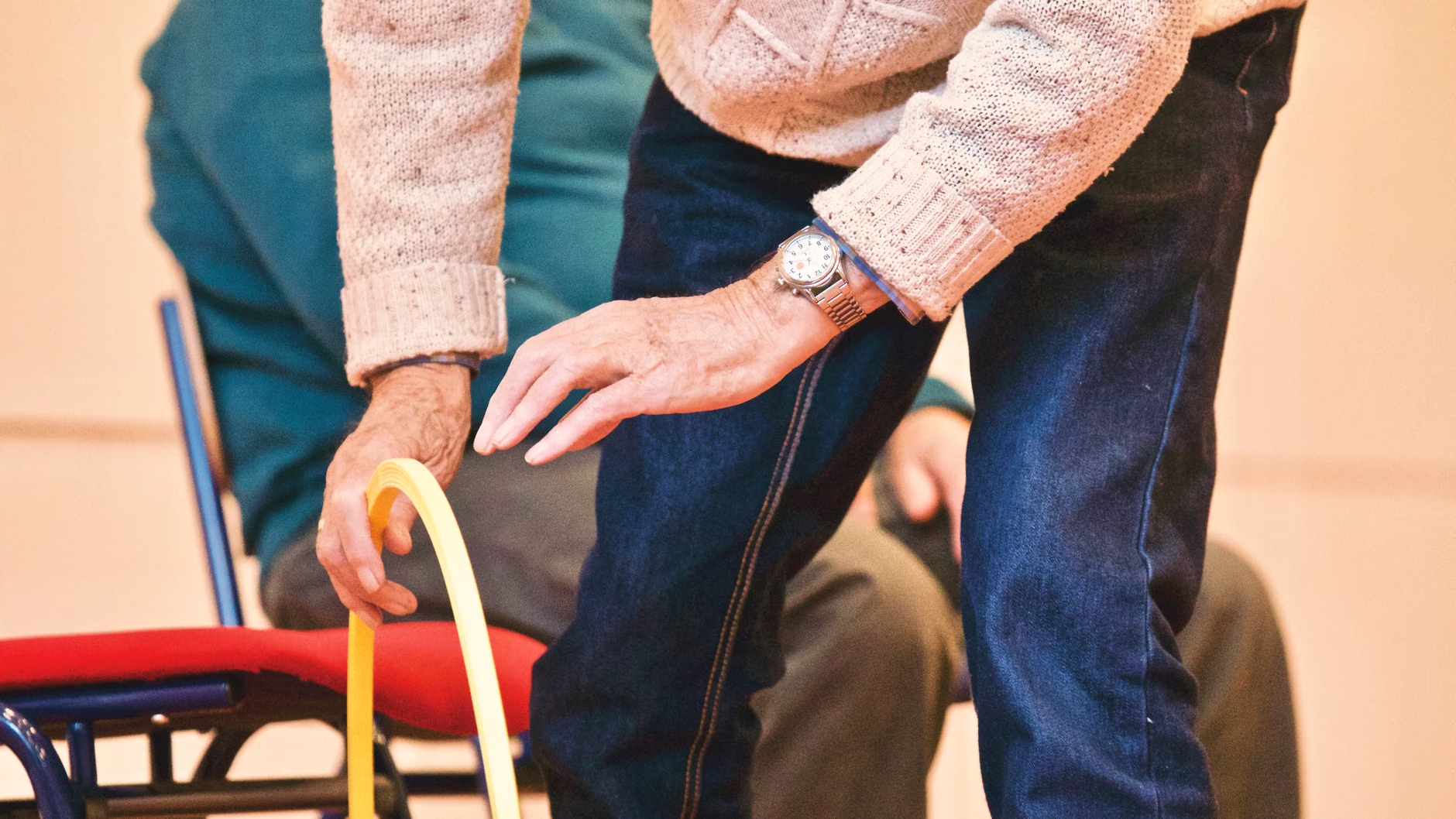
Understanding the Mechanics: Open Kinetic Chain vs. Closed Kinetic Chain
In the world of physical therapy and exercise science, movements are often categorized as either “open kinetic chain” or “closed kinetic chain.” Understanding the difference helps you choose the right exercise for your current physical condition.
A closed kinetic chain exercise is one where the foot is fixed on the ground, such as a squat or a leg press. These are excellent for functional strength because they mimic real-life movements like sitting down in a chair. However, they require significant balance and put pressure on multiple joints (ankles, knees, and hips) simultaneously.
A seated knee-extension is an open kinetic chain exercise. The foot moves freely through space while the rest of the body remains supported. This allows for isolated strengthening of the quadriceps. For someone with mild knee osteoarthritis or hip discomfort, isolating the quads in a seated position allows them to build muscle endurance without aggravating other sensitive joints. It is a strategic way to “pre-habilitate” the legs before moving on to more complex standing exercises.
Step-by-Step Guide to the Perfect Seated Knee-Extension
To gain the benefits of endurance without risking joint strain, form is everything. Follow these steps to ensure you are targeting the muscle and not stressing the tendons.
1. The Setup
Choose a sturdy chair that allows your feet to touch the floor comfortably. Avoid soft sofas or chairs with wheels. Sit back so your tailbone is against the backrest, but ensure the edge of the chair is not digging painfully into the back of your knees. Keep your spine tall and your shoulders relaxed. You may hold the sides of the chair for stability, but do not grip them so tightly that your shoulders hunch up toward your ears.
2. The Movement Phase
Slowly straighten one leg out in front of you. As you lift, flex your foot so your toes point toward the ceiling. This engagement of the ankle helps activate the entire front chain of the leg. Stop just before your knee is perfectly straight. Locking the knee joint shifts the weight from the muscle to the bone and ligament, which can cause irritation over time. Hold the “top” position for a count of two, feeling the muscle in your thigh tighten.
3. The Controlled Descent
This is the most important part of endurance training: the lowering phase. Instead of letting your leg drop back down, count to three or four as you slowly return your foot to the floor. This “eccentric” contraction is where the most muscle fiber recruitment happens. If you drop your leg quickly, you are letting gravity do the work, and you lose about 50% of the exercise’s benefit.
4. Breathing and Rhythm
Exhale as you lift your leg and inhale as you lower it. Avoid holding your breath, as this can cause a temporary spike in blood pressure. Aim for a rhythmic, steady pace. If you find yourself swinging your leg or using momentum to get it up, the movement is too fast.
Building an Endurance-Focused Routine
When training for endurance, the goal is to perform more repetitions with lower resistance, rather than a few repetitions with heavy weight. This conditions the “Type I” muscle fibers, which are responsible for long-duration activity.
| Fitness Level | Repetitions per Leg | Sets | Rest Period | Frequency |
|---|---|---|---|---|
| Beginner (Starting after inactivity) | 8–10 | 1–2 | 90 seconds | 3 days a week |
| Intermediate (Active daily) | 12–15 | 3 | 60 seconds | 3–4 days a week |
| Advanced (Looking for challenge) | 15–20 | 3–4 | 45 seconds | 4 days a week |
For the Beginner, the primary goal is neurological: teaching the brain and muscles to work together again. If you feel tired after one set, that is a successful session. For the Advanced individual, the goal is to reach “local muscle fatigue”—that feeling where the thigh muscle feels warm or slightly “burny” toward the end of the set. This is a sign that the endurance fibers are being challenged.
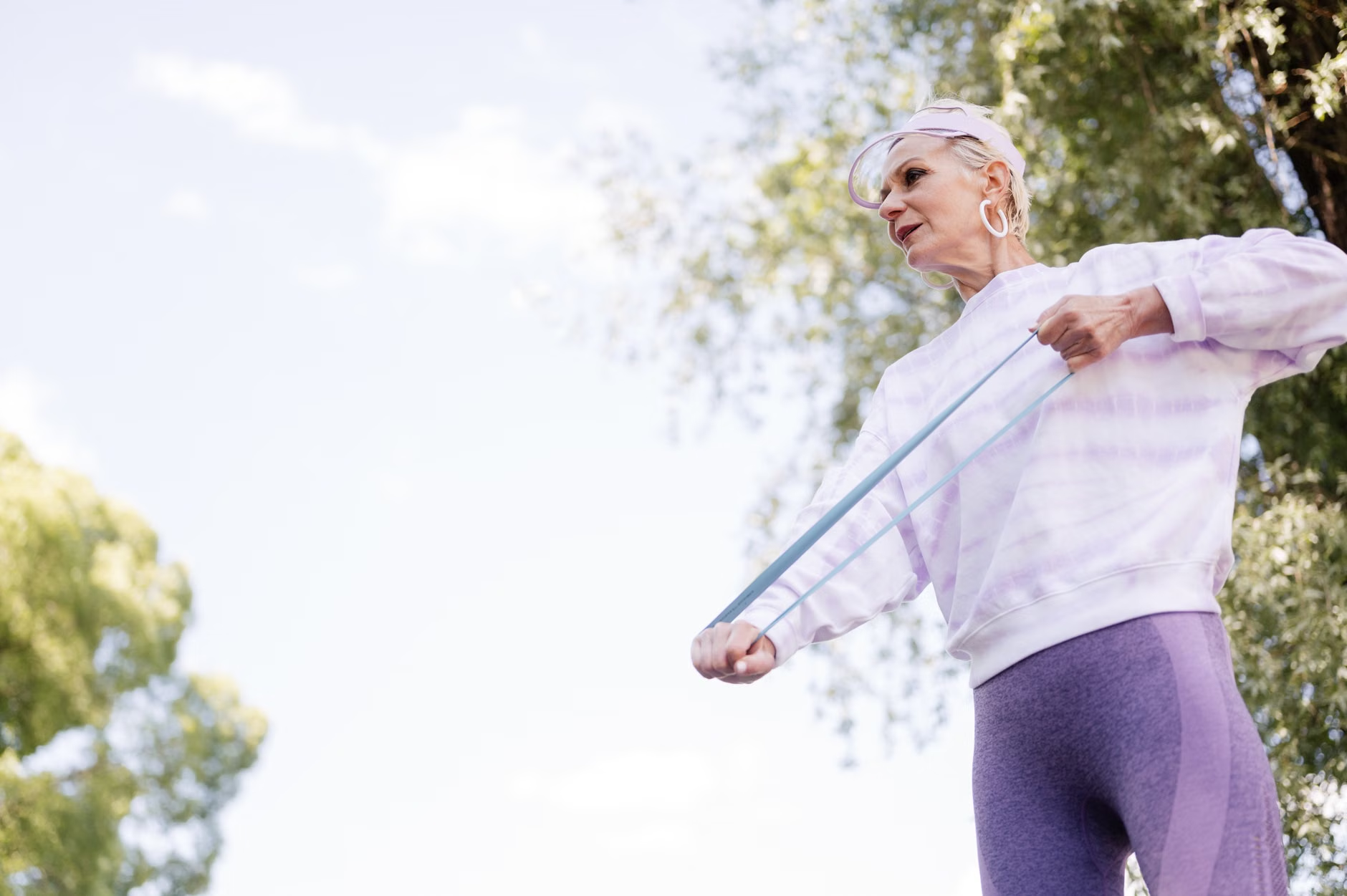
Progression: When and How to Increase the Challenge
The body adapts to stress. If you perform the exact same 10 repetitions every day for six months, your progress will plateau. To continue building endurance, you must introduce progressive overload. However, for seniors, this should be done in small, incremental steps.
- Increase Time Under Tension (TUT): Before adding weight, try slowing down the movement even further. Instead of a 3-second descent, try a 5-second descent. This forces the muscle to work harder without adding external load to the joint.
- Add Isometric Holds: At the top of the movement (with the knee slightly bent), hold the position for 5 to 10 seconds before lowering. This is excellent for building stability around the kneecap.
- Use Ankle Weights: Start with very light weights, such as 0.5kg or 1lb. Even a small amount of weight at the end of the “lever” (your leg) significantly increases the work the quadriceps must do.
- Resistance Bands: Looping a light resistance band around the legs of the chair and your ankles provides “variable resistance.” The exercise gets harder as you reach the top of the movement, which matches the natural strength curve of the quadriceps.
Safety First: Protecting the Patellofemoral Joint
The knee is a complex hinge joint. The kneecap (patella) slides in a groove on the thigh bone (femur). In some older adults, this “tracking” can be uneven, leading to a grinding sensation or discomfort. This is often called “Patellofemoral Pain Syndrome.”
If you experience sharp, stabbing pain during the extension, stop immediately. This is different from the “dull ache” of a working muscle. Sharp pain often indicates that the kneecap is being compressed too hard against the femur. To mitigate this:
- Reduce the Range of Motion: You do not have to lift your leg all the way to horizontal. Even lifting it 45 degrees engages the quads. Work within a “pain-free range.”
- Check Your Alignment: Ensure your toes and kneecap are pointing straight up toward the ceiling. If your foot rotates outward or inward, it changes how the muscles pull on the kneecap.
- Warm Up: Never start with your heaviest set. Gently march in place while seated for two minutes to increase blood flow and “lubricate” the joint with synovial fluid before starting the extensions.
The Hidden Benefit: Strengthening the Vastus Medialis
One specific part of the quadriceps, the Vastus Medialis Oblique (VMO), is the “teardrop” shaped muscle on the inner side of the thigh just above the knee. This muscle is often the first to weaken with age or after injury. The VMO is responsible for the final few degrees of knee extension and is the primary stabilizer of the kneecap.
An overlooked insight is that by focusing on the very top of the seated knee-extension (without locking the joint), you specifically target the VMO. Strengthening this inner thigh area can often reduce general knee pain because it helps the kneecap stay in its proper track. If you find your knee “clicks” when you walk, a dedicated focus on the VMO through controlled seated extensions may provide relief over several weeks.
Comparing Seated Extensions to Other Exercises
While seated extensions are excellent, they are one tool in a larger kit. Here is how they compare to other common leg exercises for the 60-80 age group:
| Exercise | Primary Benefit | Best For… | Risk Level |
|---|---|---|---|
| Seated Knee-Extension | Isolated Quad Endurance | Those with poor balance or early-stage knee pain. | Low |
| Chair Squats (Sit-to-Stand) | Functional Power | Improving the ability to get out of chairs or cars. | Moderate (Requires balance) |
| Walking Lunge | Balance & Coordination | Highly active seniors with healthy joints. | High (Risk of tripping/knee strain) |
For most readers, a combination is best. Use the seated knee-extension as a “foundation builder.” Once your quads have the endurance to perform 15 repetitions easily, you will likely find that chair squats become much easier and safer because your muscles are prepared to support your weight.

Practical Tips for Long-Term Success
Consistency beats intensity every time. To make seated knee-extensions a permanent part of your preventive health routine, consider these practical steps:
- Tie it to a habit: Perform your sets while watching the evening news or waiting for your morning coffee to brew. This “habit stacking” makes it harder to forget.
- Track your progress: Use a simple notebook to record how many repetitions you did. Seeing that you moved from 8 reps to 12 reps over three weeks is a powerful motivator.
- Hydrate and Fuel: Muscle endurance requires hydration. Drink a glass of water before you start. Additionally, ensure you are consuming enough protein (found in lean meats, beans, dairy, or eggs) to allow the muscles to repair and grow stronger.
- Listen to your body: Some days you will feel stronger than others. If your knees feel stiff due to cold weather or a long day of walking, it is okay to do fewer repetitions or skip the resistance bands. The goal is long-term health, not a one-day record.
Conclusion: Your Path to Sturdier Legs
The ability to move freely is one of our most precious assets as we age. Seated knee-extensions provide a safe, accessible, and highly effective way to ensure your legs have the endurance to take you wherever you want to go. By focusing on controlled movements, proper alignment, and gradual progression, you are not just exercising; you are investing in your future independence.
Start today with just one set of ten repetitions for each leg. Focus on the feeling of the muscle working and the control you have over the movement. Over time, these small efforts will translate into more confident steps, easier stair climbing, and a significantly lower risk of falls. Your quadriceps are the pillars of your mobility—keep them strong.
Frequently Asked Questions
1. Should I wear shoes while doing seated knee-extensions?
It is generally recommended to wear supportive, flat-soled shoes. Shoes provide a small amount of weight that adds resistance, and they keep your feet in a neutral position. If you exercise in socks on a slippery floor, you may lose the stability needed for the non-working leg.
2. My knee makes a “crunching” sound during the exercise. Is this dangerous?
Painless noise in the joint (called crepitus) is very common and usually not a cause for concern. It is often just the sound of air bubbles moving or ligaments sliding. However, if the noise is accompanied by pain, swelling, or a “locking” sensation, you should consult a healthcare provider to check for underlying cartilage issues.
3. How long will it take before I notice a difference in my walking?
Most people begin to feel a “steadiness” in their legs within 4 to 6 weeks of consistent training (3 times per week). Muscle endurance improves relatively quickly as the nervous system becomes more efficient at activating the muscle fibers you already have.
For more information on muscle health and aging, you can visit the National Institute on Aging (NIA) or consult the NHS Sitting Exercises Guide.