Key Takeaways
- Financial Relief: 2026 energy rebates are shifting from general hardware discounts to specific “smart efficiency” grants that prioritize aging-in-place technology.
- Safety First: Modern smart-home upgrades are not just about saving electricity; they are essential tools for fall prevention, automated lighting, and remote monitoring for caregivers.
- Actionable Steps: Eligibility depends on your local jurisdiction; you must verify your specific regional program before purchasing any equipment to ensure you qualify for reimbursement.
As we move into 2026, governments globally are accelerating the transition to energy-efficient residential infrastructure. For older adults, this shift represents a unique opportunity to modernize the home environment, significantly reduce monthly utility costs, and integrate safety features that support long-term independence. Unlike previous consumer electronics trends, the current wave of smart-home energy rebates is specifically designed to incentivize the installation of systems that manage heating, cooling, and lighting automatically—reducing the physical labor and cognitive load required to maintain a comfortable home.
The Evolution of Smart-Home Rebates in 2026
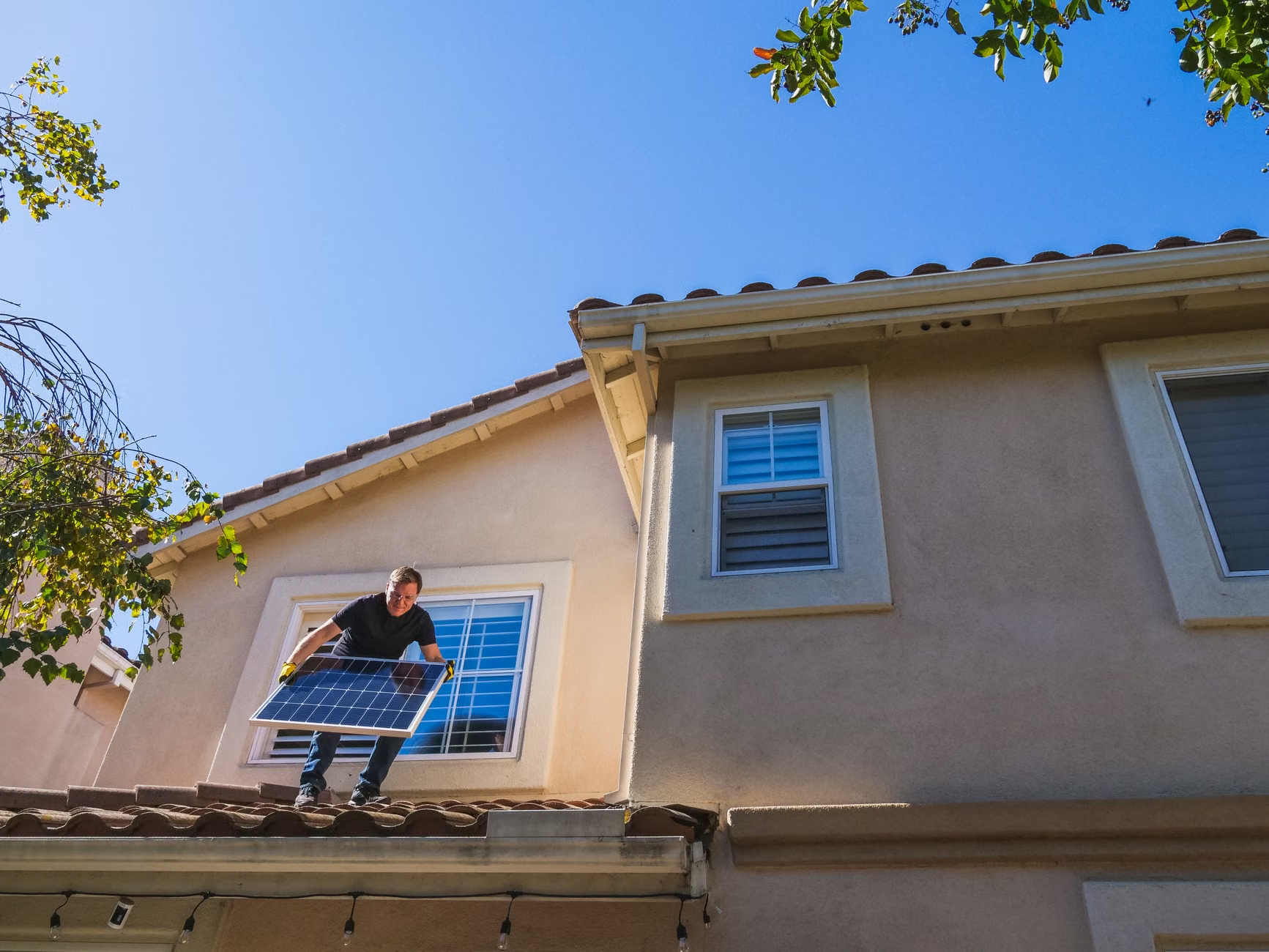
In previous years, rebates were often limited to large-scale infrastructure like solar panels or high-efficiency windows. In 2026, the focus has pivoted toward “Smart Home Ecosystems.” This means that small, interconnected devices—such as smart thermostats, automated window shades, and motion-sensing lighting—are now frequently eligible for generous subsidies. The core logic behind this policy shift is simple: an automated home is an energy-efficient home, and an energy-efficient home is a more sustainable place to live for aging populations.
Why does this matter for you? As energy prices remain volatile, a home that “thinks” for itself can save a household significant amounts of money annually. Furthermore, these systems often come with health-centric features, such as air quality monitoring and automated emergency alerts, which provide peace of mind to both the resident and their family members.
Understanding the Regional Landscape
It is crucial to recognize that “global” trends do not translate to a single global rulebook. Regulations vary significantly between the European Union, North America, and other regions. For instance, in many European countries, the focus is on “Deep Renovation” grants, which require an energy audit before you can claim a rebate. In contrast, many North American jurisdictions favor “Point-of-Sale” rebates, where the discount is applied directly at the checkout counter.
| Region | Primary Rebate Focus | Typical Application Method |
|---|---|---|
| European Union | Energy efficiency certification | Post-installation audit/grant |
| North America | Smart hardware/Equipment | Instant discount or tax credit |
| Asia-Pacific | Utility-linked credits | Monthly bill adjustment |
Before you begin any project, visit your local government’s energy department website. If you are uncertain about where to look, search for “[Your Country/State] residential energy efficiency incentive program.”
Prioritizing Upgrades for Comfort and Mobility
When selecting smart-home upgrades, it is easy to get distracted by “gadgetry.” For an older adult, the primary criteria should always be utility, ease of use, and safety. You do not need a home that is complicated to operate; you need a home that requires less intervention.
1. Smart Thermostats: The Foundation of Climate Control
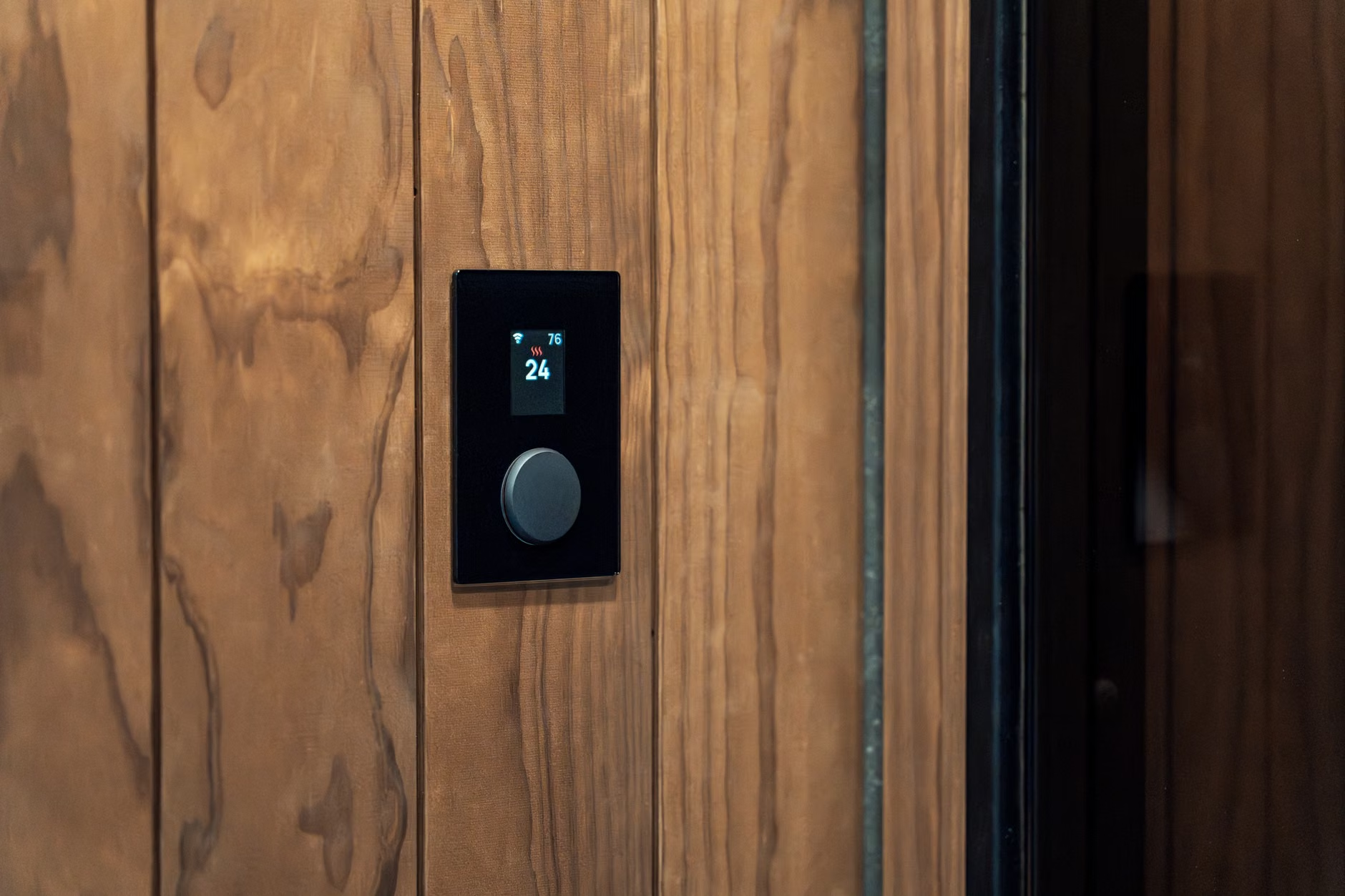
A smart thermostat is the most effective way to lower energy bills. It learns your daily schedule and adjusts the temperature based on occupancy. For seniors, this is vital because maintaining a consistent, comfortable temperature is essential for respiratory health and preventing heat-related illness or hypothermia.
- Benefit: Reduces manual adjustment, which is helpful if mobility or fine motor skills are a concern.
- Risk: Over-complication. Choose models with large, high-contrast screens or voice-control integration.
- Action: Look for “Energy Star” or equivalent certifications in your region, as these are almost always required to qualify for rebates.
2. Automated Lighting and Fall Prevention
Dark hallways are a significant hazard. Smart lighting systems that respond to motion can illuminate your path to the bathroom or kitchen automatically at night. This is a classic example of an “energy-saving” technology that doubles as a critical safety feature.
Common Mistake: Many people purchase smart bulbs for every room. Instead, focus on high-traffic areas: the entryway, the hallway, the bathroom, and the bedside area. This maximizes safety while keeping the initial cost and setup complexity low.
Securing a rebate requires a methodical approach. It is not enough to simply buy the equipment; you must follow the administrative process to the letter. Failure to do so is the most common reason for denied claims.
Step-by-Step Application Framework
- Verification: Check if your specific model of smart device is on the “Approved Equipment List” for your local energy provider.
- The Pre-Audit: Some jurisdictions require a home energy audit. This is a professional assessment of your home’s current insulation and energy usage. It is often free or subsidized.
- Purchase Documentation: Always keep digital and physical copies of your itemized receipts. Ensure the receipt shows the model number and the date of purchase.
- Installation Records: If a professional is required to install the equipment (which is often a condition for large rebates), ensure they provide a certificate of completion or an invoice that clearly states their professional license number.
Insight: Many users overlook the “Energy Usage Data” requirement. Some programs require you to share your smart meter data with the utility provider for a few months after installation to prove that energy savings are occurring. Read the fine print to see if this is a condition of your rebate.
Integrating Technology Without the Frustration
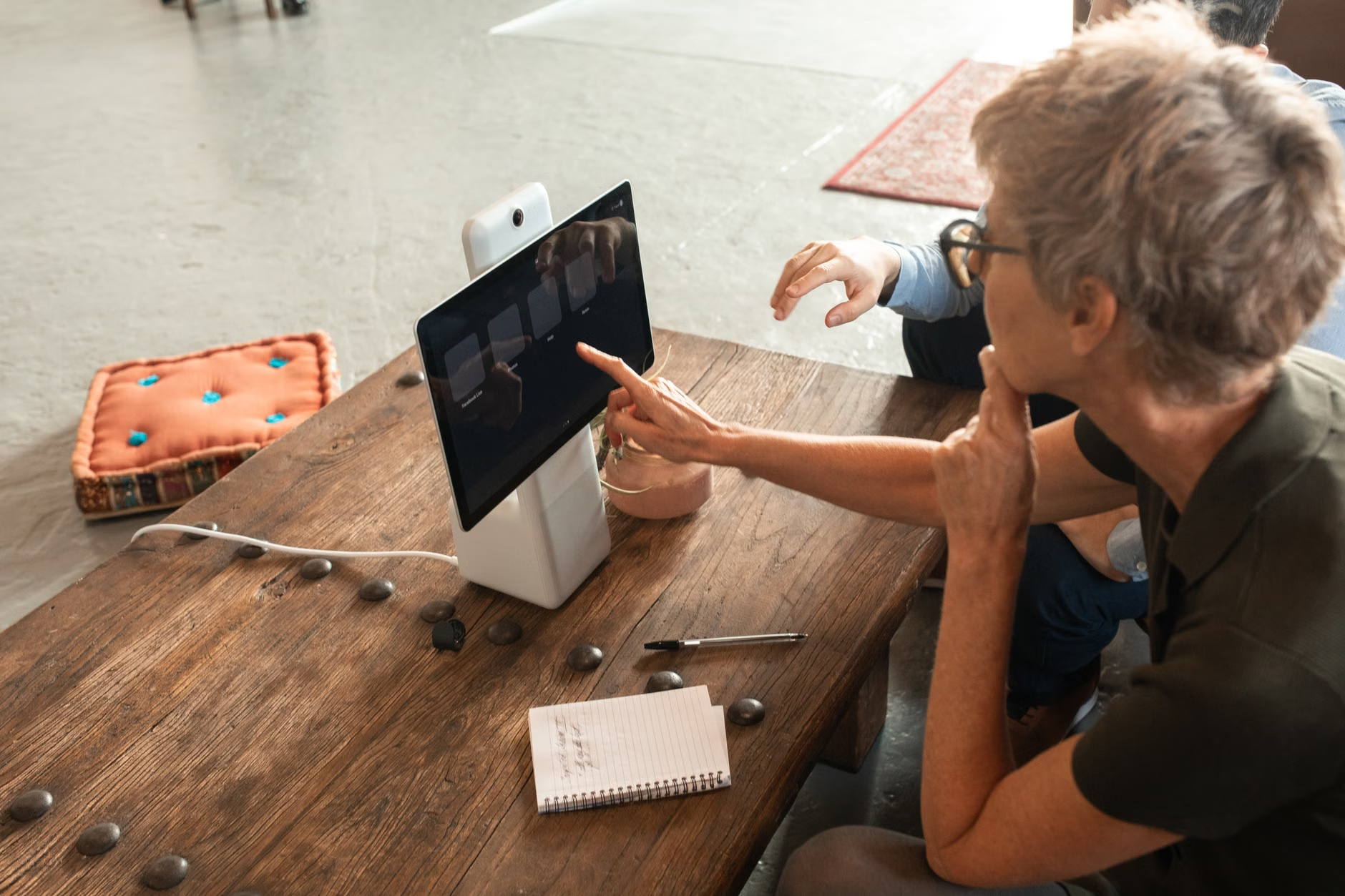
One of the biggest barriers for older adults is the fear of “smart” technology being too difficult to manage. However, the best smart-home systems are designed to be “set and forget.” Once a professional or a tech-savvy family member sets up the initial automation, you should rarely need to interact with the system manually.
If you are a family member helping an older relative, consider these “Senior-Friendly” integration rules:
- Voice Control: If the senior has arthritis or visual impairments, voice-activated assistants are often more accessible than touchscreen apps.
- Remote Monitoring: Ensure that the system allows you (the family member/caregiver) to receive alerts if the thermostat fails or if the energy usage spikes unexpectedly, which could indicate a malfunctioning appliance.
- Consistency: Keep the control interface consistent. Do not mix and match different brands that require three separate apps to control the house. Stick to one ecosystem (e.g., Apple Home, Google Home, or Amazon Alexa).
Hidden Considerations and Unexpected Trade-offs
While smart-home upgrades are generally beneficial, there are nuances that are rarely discussed in marketing materials. First, consider the dependency on internet connectivity. If your local internet service is unstable, some smart devices may default to a “basic” mode or stop functioning altogether. Always ensure you have a backup plan or a system that can operate locally without a cloud connection.
Second, consider the privacy aspect. Smart devices collect data on your daily habits—when you wake up, when you leave the house, and when you are in certain rooms. Review the privacy settings of any device you purchase. Ensure that “data sharing for marketing purposes” is disabled. You want the energy savings, not the targeted advertisements.
Finally, there is the issue of software obsolescence. Unlike a standard light switch, which can last for 30 years, a smart device may stop receiving software updates after 5 to 7 years. Factor this into your long-term budget. Is the energy savings over five years enough to justify the cost of replacing the device later?
Conclusion: A Path Toward Sustainable Independence
The 2026 landscape for smart-home energy rebates offers a unique convergence of sustainability and personal well-being. By taking advantage of these programs, you are not just saving money on your electricity bill; you are investing in a living environment that is safer, more comfortable, and easier to manage as you age. The key is to start small, verify your regional eligibility, and focus on the technologies that solve real-world problems in your daily routine.
Do not feel pressured to upgrade everything at once. Begin with the thermostat and the lighting in high-risk areas. As you become more comfortable with the technology, you can expand to other systems like automated window shades or energy-efficient appliances. The goal is to build a home that supports your lifestyle, not one that adds a new layer of complexity to your day.
For further information on specific programs in your area, please consult your local government’s official energy portal or your regional utility provider’s website. Reliable, up-to-date information is your best tool for making a smart, cost-effective decision.
Frequently Asked Questions
- Q: Do I need a professional to install these smart devices to qualify for the rebate?
A: It depends on the specific program. Some rebates require professional installation to ensure the system is calibrated for maximum energy efficiency, while others allow for “do-it-yourself” installation. Always check the “Eligibility Requirements” section of your local government’s rebate page before purchasing. - Q: Can I claim a rebate for a smart device I bought last year?
A: Generally, no. Most rebate programs are not retroactive. They usually require the purchase and installation to occur within the current calendar year or the specific timeframe defined by the policy. - Q: What if the smart device stops working? Does it void the energy savings?
A: If a device malfunctions, contact the manufacturer’s support line immediately. If it is beyond repair, the energy savings will naturally cease. Keep your warranty documents in a safe, accessible place, as many smart devices come with a 1-to-3-year manufacturer guarantee that covers hardware failure.
Disclaimer: This article provides general information regarding global energy rebate trends and does not constitute financial or legal advice. Always check with your local municipal or national energy authority for specific rules, deadlines, and eligibility criteria relevant to your jurisdiction.