- Verify Accessibility Before Arrival: Historic funiculars often undergo modern upgrades; always check official websites for “step-free access” or “wheelchair compatibility” as definitions vary globally.
- Prioritize Off-Peak Hours: Traveling during mid-morning or mid-afternoon ensures more space for mobility aids and less pressure from crowds, significantly reducing stress.
- Understand the “Last Mile” Challenge: Funiculars often drop passengers at steep historic centers; research the terrain immediately surrounding the arrival station to manage stamina and walking distances.
Funiculars—those iconic cable-driven railways that climb steep slopes—are often the most efficient way for travelers to reach historic hilltop districts, scenic viewpoints, and mountain retreats. For the senior traveler, they represent a vital piece of infrastructure that bridges the gap between challenging terrain and cultural discovery. However, because many of these systems date back over a century, their accessibility features are rarely uniform. Navigating these systems requires a blend of pre-trip research, understanding local transit engineering, and strategic timing.

Understanding Funicular Engineering and Accessibility
A funicular is distinct from a cable car or a gondola. It operates on a fixed track with two cars counterbalancing each other. While this makes the ride remarkably smooth and stable—an advantage for those who may experience motion sickness or balance issues—the primary challenge lies in the station design and the slope of the carriage floor.
The “Slope” Factor
Because funiculars are designed to traverse steep inclines, the floor of the carriage is usually stepped. This is a critical factor for travelers who use walkers, canes, or wheelchairs. When researching a destination, do not simply search for “is the funicular accessible?” Instead, look for the term “level access” or “step-free boarding.”
Many historic systems have retrofitted their cars with “leveling” technology, but others require the passenger to navigate one or two internal steps to reach the seating area. If you use a mobility aid, your priority should be finding stations where the platform height matches the carriage entrance exactly. This is often documented in local transit authority accessibility reports under the heading “Platform-to-Vehicle Gap.”
Modernization vs. Heritage
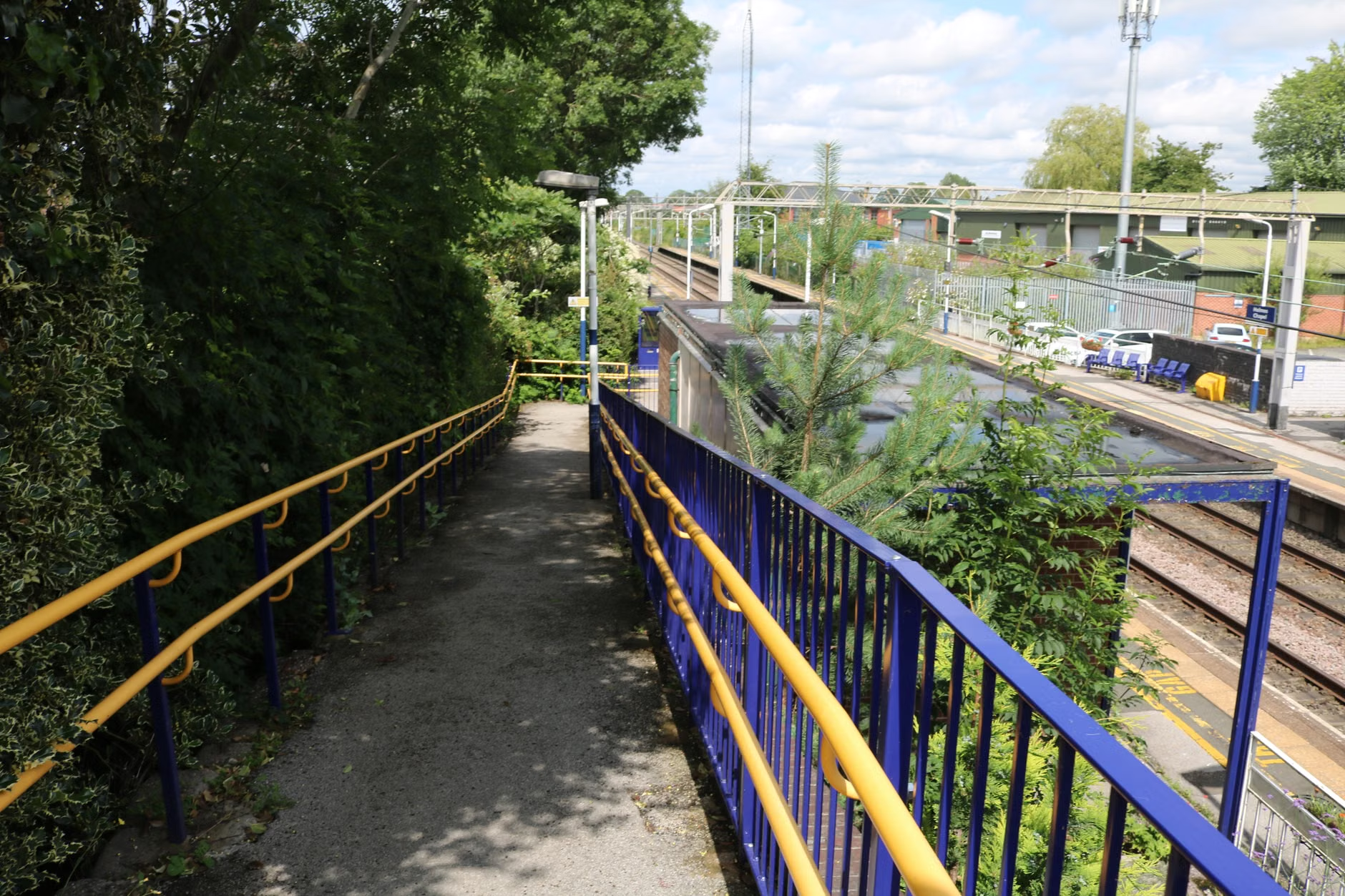
There is a global trend toward modernizing historic transport. In many European cities, such as Lisbon or Budapest, funiculars that were once inaccessible have received significant upgrades. However, these upgrades are often constrained by the heritage status of the buildings. A station might be fully accessible, but the arrival point might be a cobblestone plaza with no elevator to the street level. Always view the funicular as one link in a chain; the accessibility of the destination station is just as important as the accessibility of the boarding platform.
Strategic Planning for Your Funicular Journey
Successfully navigating a funicular journey is 80% planning and 20% execution. By following a structured approach, you can avoid the physical fatigue and logistical surprises that often accompany travel to historic sites.
Step 1: The Pre-Trip Audit
Before you commit to a route, use online tools like Google Maps (specifically the “Wheelchair Accessible” route filter) or the official transit authority’s website. Look specifically for the following indicators:
- Elevator Status: Does the station have a functioning lift from the street level to the platform?
- Gradient Maps: Check if the destination station is at the top of a steep hill. If it is, determine if there is a flat or ramped exit path.
- Operator Assistance: Many systems allow you to book “assistance” in advance. This is not just for those with severe mobility issues; it is a smart strategy for anyone who prefers a helping hand with luggage or navigating complex turnstiles.
Step 2: Timing Your Ascent
Crowd management is essential for physical comfort. Historic funiculars in tourist hubs are often overcrowded between 10:00 AM and 12:00 PM, and again during sunset hours. Aim for the “shoulder hours”—typically 9:00 AM or 3:00 PM. This provides two benefits: you will have more time to board without feeling rushed, and you are more likely to secure a seat, which is crucial for managing stamina.
Step 3: Managing Energy and Pacing
Even with the funicular doing the heavy lifting, a day of sightseeing involves a “cumulative load.” If you spend the morning walking through a museum, the funicular ride should be viewed as a rest period. Plan for a “recovery buffer”—a 30-minute sit-down break immediately after disembarking at the top—before you begin exploring the next attraction. This prevents the physiological fatigue that often leads to falls or minor injuries later in the day.
| Feature | What to Look For | Why It Matters |
|---|---|---|
| Boarding | Level access/Platform lift | Prevents tripping and eliminates the need for lifting mobility aids. |
| Seating | Priority seating zones | Ensures stability during the incline transition. |
| Exit Terrain | Paved, non-cobbled paths | Reduces the risk of ankle rolls or strain on knees. |
| Staffing | On-site station attendants | Provides immediate help during boarding or in case of emergency. |
The table above serves as your checklist. If you are comparing two different funicular routes in the same city, choose the one that offers the most “Yes” answers to these criteria. Often, a slightly longer, more accessible route is superior to a shorter, “adventurous” one that requires navigating stairs.
The Hidden Variables of Historic Transport
Beyond the official accessibility tags, there are subtle factors that can impact your experience. Understanding these will put you ahead of the average traveler.
The Cobblestone Reality
Historic districts are almost universally paved with cobblestones. While they are beautiful, they are the enemy of standard-sized luggage wheels and can be difficult for anyone with balance concerns. Even if the funicular is perfectly accessible, the path from the funicular exit to the nearest café or museum may be uneven. Strategy: Always check the “Street View” function on digital maps for the area surrounding the exit station. If you see deep gaps between stones, plan to use a cane with a wider rubber tip for better stability.
Climate and Temperature
Funicular cars are often made of glass and metal. In the summer, they can become greenhouses. If you are traveling in a hot climate, prioritize early morning rides. Conversely, in the winter, the metal floors can become slippery. Look for non-slip flooring indicators. If you feel the floor is too slick, ask the attendant if you may board last to ensure you have time to settle safely without being bumped by other passengers.
Communication and Digital Confidence
Do not rely solely on your smartphone. While digital maps are excellent, they can fail in tunnels or areas with poor reception. Carry a physical map or a printed screenshot of the station area. If you have mobility concerns, keep a small card in your pocket with the name of your destination and a note in the local language saying, “I require a step-free route.” This can be a lifesaver when asking for directions from locals who may not speak your language.

Preventive Care: Preparing Your Body for the Journey
Travel is physically demanding, regardless of how much transport you use. To enjoy historic sites, your body needs to be prepared for the specific stresses of a day out.
Maintaining Stability
The transition from a moving funicular to a stationary platform requires good core stability. In the weeks leading up to your trip, focus on simple balance exercises. Standing on one leg while holding onto a kitchen counter for 30 seconds, twice a day, can significantly improve your confidence when navigating moving vehicles. If you use a cane, ensure the rubber ferrule (the tip) is not worn down; a fresh, grippy tip is essential for safety on smooth train station floors.
Managing Medication and Hydration
Travel schedules often disrupt medication routines. Use a dedicated travel pill organizer and set an alarm on your phone to match your home-time dosage schedule if you are crossing time zones. Regarding hydration, while it is important, be mindful of the “toilet gap.” Historic funicular stations rarely have public restrooms. Always locate the nearest restroom before you board the funicular, as the journey itself and the subsequent exploration of a hill-top district might keep you away from facilities for several hours.
Recognizing Your Limits
It is perfectly acceptable to change plans. If you arrive at a funicular and find the queue is too long or the boarding area is crowded, it is better to pivot to a different activity than to force yourself into a stressful situation. The hallmark of an experienced traveler is the ability to adapt. If you feel your stamina waning, prioritize a “viewing” activity over a “walking” activity. A funicular ride provides the view; you don’t necessarily have to hike the city behind it to have had a successful day.
Advanced Troubleshooting: What to Do When Things Go Wrong
Even with the best preparation, unexpected issues can arise. Knowing how to resolve them quickly prevents a minor inconvenience from ruining your day.
Technical Failures
Historic funiculars are prone to maintenance-related stoppages. If you arrive and the service is suspended, don’t panic. Most major cities have a “Plan B” transport option, such as a bus line that circumvents the hill or a taxi rank nearby. Always have a ride-sharing app installed on your phone as a backup, or keep the number of a local taxi company saved in your contacts.
Overcrowding and “The Push”
In high-tourist zones, crowds can be aggressive. If you feel overwhelmed, do not feel pressured to board the first car. Step aside, let the crowd pass, and wait for the next cycle. The 10–15 minute wait is a small price to pay for a safe, comfortable, and dignified boarding process. If a station attendant is present, do not hesitate to ask them to hold the gate for a moment while you navigate the entrance.
The “Stuck” Scenario
While extremely rare, if a funicular stops between stations, stay calm. These systems are equipped with multiple redundant safety brakes. Follow the instructions of the operator over the intercom. Do not attempt to open doors or leave the car. If you have specific medical needs, such as a requirement for medication at a specific time, keep your medication in your carry-on bag, not in a checked suitcase or a bag stored far from your seat.
Conclusion: The Joy of Accessible Discovery
Historic funiculars are more than just transport; they are time machines that allow us to experience the grandeur of cities as they were intended to be seen. By taking a proactive approach—verifying accessibility, choosing off-peak times, and respecting your own physical limits—you can transform a potentially stressful transit experience into one of the highlights of your trip. Remember, the goal is not to visit every sight, but to enjoy the ones you choose to see with comfort and ease. When you prioritize your mobility and safety, the world remains open and accessible, regardless of the incline.
Official Resources for Further Research
- The Society for Accessible Travel & Hospitality (SATH) – Offers general guidance on navigating transit with mobility aids.
- Google Maps Accessibility Features – Use this to check for wheelchair-accessible routes in major cities.
- The Man in Seat 61 – An excellent resource for detailed train and transit information, often including photos of station accessibility.
Frequently Asked Questions
1. Are all funiculars accessible for wheelchair users?
Not necessarily. While many modern or renovated funiculars are fully accessible, some older, historic systems have structural constraints that make them inaccessible. Always check the official transit website for the specific city and search for “step-free” or “wheelchair accessible” before heading to the station.
2. Can I bring my mobility scooter on a funicular?
This varies by jurisdiction and the size of the funicular car. Large, modern funiculars often accommodate scooters, but smaller, historic ones may not. Check the “Conditions of Carriage” on the transit operator’s website, which usually specifies the maximum dimensions allowed for mobility equipment.
3. What should I do if the funicular station has no elevator?
If the station is not accessible, look for alternative transport. Most cities with historic funiculars also have bus routes or specialized “accessible taxi” services that can transport you to the same hilltop destination. It is often worth checking the city’s official tourism board website for “accessible transport” maps, which often show these alternatives.