- Consistency over Intensity: Gentle, daily neck-tilts are more effective for maintaining cervical range of motion than infrequent, aggressive stretching.
- Posture is the Foundation: Neck exercises are only effective if performed with a neutral, aligned spine; slouching negates the benefits and increases strain.
- Listen to Your Body: Sharp pain, tingling, or numbness are not normal; these are signals to stop immediately and consult a healthcare professional.
Maintaining flexibility in the upper cervical spine—the top portion of your neck—is essential for performing daily activities such as driving, checking your surroundings while walking, and even reading or using digital devices. As we age, the cumulative effect of gravity, posture habits, and natural joint changes can lead to stiffness. Seated neck-tilts are a highly accessible, low-impact method to preserve this mobility without requiring specialized equipment or a trip to the gym.
Understanding the Upper Cervical Spine and Why It Matters
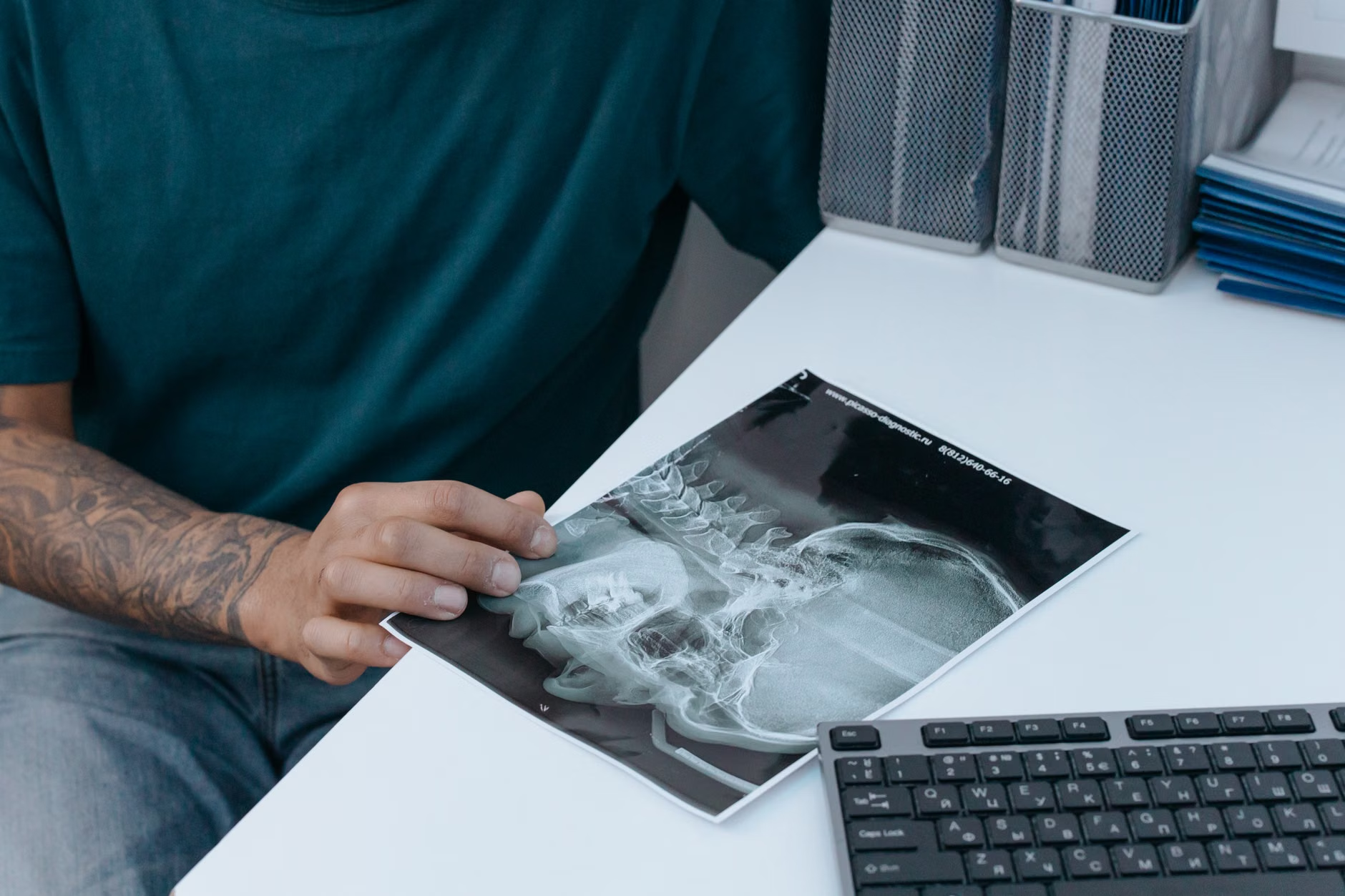
The upper cervical spine, consisting primarily of the C1 (atlas) and C2 (axis) vertebrae, is responsible for the majority of the rotation and tilting motion of your head. Unlike the lower cervical spine, which handles more weight-bearing duties, the upper region is designed for precision and range of motion.
When this area becomes stiff, simple tasks become difficult. For example, checking your “blind spot” while driving requires significant cervical rotation. If the upper neck is restricted, you may find yourself rotating your entire torso to see behind you, which can lead to secondary strain in the mid-back and shoulders. By practicing controlled, seated neck-tilts, you are not just stretching muscle; you are encouraging the synovial fluid in your joints to circulate, which helps maintain cartilage health and ease of movement.

Preparing for Success: The Importance of Setup
Before you begin any neck-tilting routine, your starting position is the most critical variable. If your base—your pelvis and spine—is not stable, your neck will have to compensate for that instability, often leading to increased tension rather than relief.
The “Neutral Spine” Checklist
- Chair Selection: Use a stable, armless chair if possible. Avoid soft sofas that cause you to sink, as this rounds the shoulders and puts the head in a forward-leaning position.
- Foot Placement: Keep both feet flat on the floor, hip-width apart. This provides a grounded foundation.
- Spinal Alignment: Imagine a string attached to the crown of your head pulling you gently toward the ceiling. Your ears should be aligned over your shoulders, and your shoulders should be relaxed away from your ears.
Step-by-Step: Executing the Lateral Neck-Tilt
The lateral neck-tilt is a targeted movement for the trapezius and sternocleidomastoid muscles, which are common sites of tension for older adults.
- The Starting Position: Sit in your neutral, aligned position. Keep your chin parallel to the floor.
- The Movement: Slowly and gently tilt your right ear toward your right shoulder. Do not let your shoulder rise to meet the ear.
- The Hold: Hold this position for 10 to 15 seconds. You should feel a gentle, comfortable stretch, not a sharp pull.
- The Return: Slowly return your head to the center.
- The Repetition: Repeat on the left side. Perform 3 repetitions on each side.
Common Mistake: Many people try to “force” the ear to the shoulder by leaning their entire body. Keep your torso completely vertical throughout the movement. If you feel the need to lean, it is a sign that you have reached your current limit of flexibility; stop there and hold.

Safety Protocols and Warning Signs
While neck-tilts are generally safe, the neck is a complex area housing nerves and blood vessels. It is important to distinguish between “stretch discomfort” and “injury pain.”
| Sensation | Interpretation | Action |
|---|---|---|
| Dull, localized tension | Normal muscle stretch | Continue, but keep it gentle |
| Sharp, stabbing pain | Potential strain or joint impingement | Stop immediately |
| Numbness or tingling | Nerve irritation | Stop immediately and consult a professional |
| Dizziness or nausea | Possible inner ear or blood pressure reaction | Sit still, breathe, and stop exercise |
If you have a history of cervical spine surgery, severe arthritis (spondylosis), or herniated discs, you must consult with your primary care physician or a physical therapist before starting this or any new exercise routine. A professional can assess whether these specific movements are appropriate for your medical history.
The Role of Daily Habits in Maintaining Mobility
Exercises are only half the battle. Your daily habits dictate how much tension your neck accumulates throughout the day. If you spend three hours a day looking down at a tablet or reading a book in your lap, your neck muscles will adapt to that shortened position, making your exercise routine less effective.
Ergonomic Adjustments for the Home
To support your cervical health, consider the “eye-level rule.” Whether you are reading, using a smartphone, or watching television, aim to keep your screen or book at eye level. This prevents “text neck,” a condition where the head is perpetually tilted forward, placing significant strain on the cervical vertebrae. Using a simple book stand or propping your device up on a stack of books can make a significant difference in your daily comfort.
Integrating Neck Health into Your Routine
The key to long-term success is consistency. Instead of trying to perform a long, intense session once a week, aim for two minutes of gentle movement twice a day. This keeps the muscles supple and prevents the “locking up” that often occurs after long periods of sitting.
Consider linking these exercises to an existing habit. For example, perform your neck-tilts while you wait for your morning coffee to brew or during the commercial breaks of your favorite television program. By anchoring the exercise to a daily event, you are more likely to maintain the habit without it feeling like a “chore.”
Professional Guidance and When to Seek Help
While self-care is vital, it does not replace professional medical assessment. If you experience persistent neck pain that interferes with your sleep, daily tasks, or overall quality of life, you should schedule an appointment with your healthcare provider.
When preparing for your appointment, bring a list of your symptoms. Include:
- How long the stiffness has persisted.
- Whether the pain radiates into your shoulders or arms.
- What specific movements make the pain better or worse.
- A list of any medications you are currently taking, as some may affect muscle or joint health.
Conclusion: A Proactive Approach to Aging Well
Maintaining upper cervical flexibility is a cornerstone of aging with independence. By understanding the mechanics of your neck, practicing safe, seated exercises, and adjusting your daily environment, you can significantly reduce the impact of stiffness on your life. Remember that the goal is not to force your body into positions it is not ready for, but to gently maintain the range of motion you currently have and improve it over time through patience and consistency.
Frequently Asked Questions (FAQ)
1. How often should I perform these neck-tilt exercises?
For best results, aim for once or twice daily. The goal is to keep the muscles and joints moving regularly rather than stretching them intensely once in a while. Consistency in small doses is more effective than occasional, aggressive sessions.
2. Can I use a weight or a hand to pull my head further during the stretch?
It is generally recommended to avoid using your hand to pull your head. The weight of your head alone is sufficient to provide a safe and effective stretch. Using your hand can easily lead to overstretching or injury due to the sensitive nature of the neck muscles.
3. Is it normal to hear a “cracking” or “popping” sound when I move my neck?
Small, painless sounds (crepitus) are often just gas bubbles popping in the joint fluid or tendons moving over bone. However, if the sound is accompanied by pain, swelling, or a feeling of grinding, you should stop the movement and speak with a healthcare professional to rule out joint wear or other issues.
Disclaimer: This information is for educational purposes only and does not constitute medical advice. Always consult with a qualified healthcare professional before beginning any new exercise program, especially if you have pre-existing health conditions.