- Vitamin B5 (Pantothenic Acid) is essential for synthesizing adrenal hormones that help regulate your body’s response to physical and emotional stress.
- Unlike many nutrients, B5 is found in a wide variety of common foods, making it highly achievable to meet your daily requirements through a balanced diet rather than supplementation.
- Focus on “whole” foods like mushrooms, avocados, sunflower seeds, and lean proteins, as industrial processing can significantly reduce B5 content in your meals.
Supporting Adrenal Function Through Dietary Vitamin B5: A Practical Guide for Seniors
As we navigate our 60s, 70s, and beyond, the way our bodies manage stress—both physical and psychological—undergoes subtle changes. The adrenal glands, two small organs situated atop the kidneys, play a vital role in this process by producing hormones like cortisol, which helps us regulate energy levels, blood pressure, and inflammatory responses. Central to the optimal function of these glands is Vitamin B5, also known as pantothenic acid. This guide explores how you can support your adrenal health through intentional dietary choices, focusing on practical, sustainable habits for your daily life.
Understanding the Role of Vitamin B5 in Adrenal Health
Vitamin B5 earned its name from the Greek word “pantothen,” meaning “from everywhere.” This is a fitting title because it is present in almost all plant and animal tissues. For the aging adult, B5 is not just another vitamin; it is a fundamental building block for Coenzyme A (CoA). Without sufficient CoA, your body struggles to metabolize fats and carbohydrates into energy, and it cannot effectively synthesize the hormones produced by the adrenal cortex.
When we discuss “adrenal support,” we are not talking about “boosting” the glands to work harder. Rather, we are talking about providing the nutritional environment they need to function efficiently. As we age, our bodies may become less efficient at absorbing certain micronutrients. Ensuring a steady intake of B5 helps maintain the integrity of our metabolic processes, which in turn supports steady energy levels throughout the day.
Why Dietary Sources Outperform Supplements for Seniors
In the supplement market, you will often see “adrenal support” complexes promising quick fixes. However, for most adults aged 60 to 80, the most reliable and safe way to obtain Vitamin B5 is through the food on your plate. Supplements carry risks of interaction with prescribed medications—particularly those for blood pressure or heart conditions—and they rarely provide the synergistic benefits of whole foods, which contain fiber, minerals, and other B-vitamins that work in concert with B5.
Common Mistake: Many people assume that if a little is good, more is better. High-dose B5 supplements can sometimes cause digestive discomfort or interfere with the absorption of other essential nutrients. By choosing food, you naturally regulate your intake, minimizing the risk of toxicity or unwanted interactions.
Practical Food Choices: Integrating B5 into Your Daily Routine
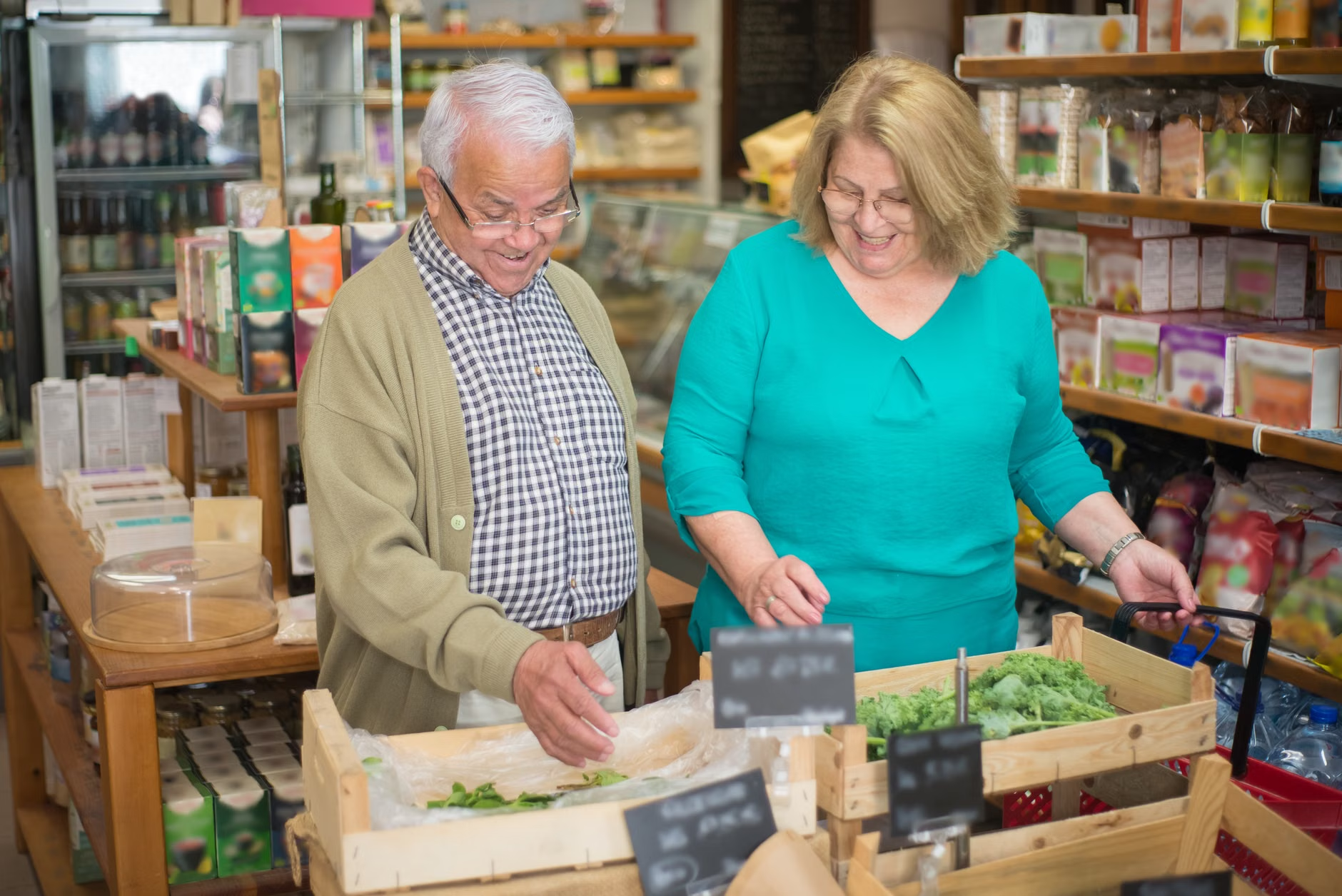
To prioritize B5 in your diet, you do not need to overhaul your entire lifestyle. Instead, focus on incorporating “B5-dense” ingredients into meals you already enjoy. Below is a breakdown of how to identify and use these foods effectively.
1. The Power of Mushrooms
Mushrooms are arguably the most concentrated source of pantothenic acid. Whether it is shiitake, cremini, or plain white button mushrooms, adding just one cup of cooked mushrooms to a meal can provide a significant portion of your daily requirement. Practical tip: If you find mushrooms difficult to digest, sauté them thoroughly in olive oil. This breaks down the tough cell walls (chitin) and makes the nutrients more bioavailable.
2. Avocado: The Versatile Staple
Avocados are excellent for seniors because they provide healthy monounsaturated fats alongside B5. They are soft, easy to chew, and require no cooking. Adding half an avocado to your breakfast or lunch is an effortless way to support your adrenal health while also benefiting your cardiovascular system.
3. Legumes and Whole Grains
Lentils, split peas, and brown rice are not just sources of fiber; they are reliable providers of B5. For those concerned about gas or bloating associated with beans, consider using canned varieties that have been thoroughly rinsed, or opt for red lentils, which soften significantly when cooked and are generally easier on the digestive system.
| Food Item | Why it works for Seniors | Preparation Suggestion |
|---|---|---|
| Mushrooms | High density of B5; low calorie. | Sautéed with garlic for an easy side dish. |
| Avocado | Healthy fats; soft texture. | Sliced on whole-grain toast. |
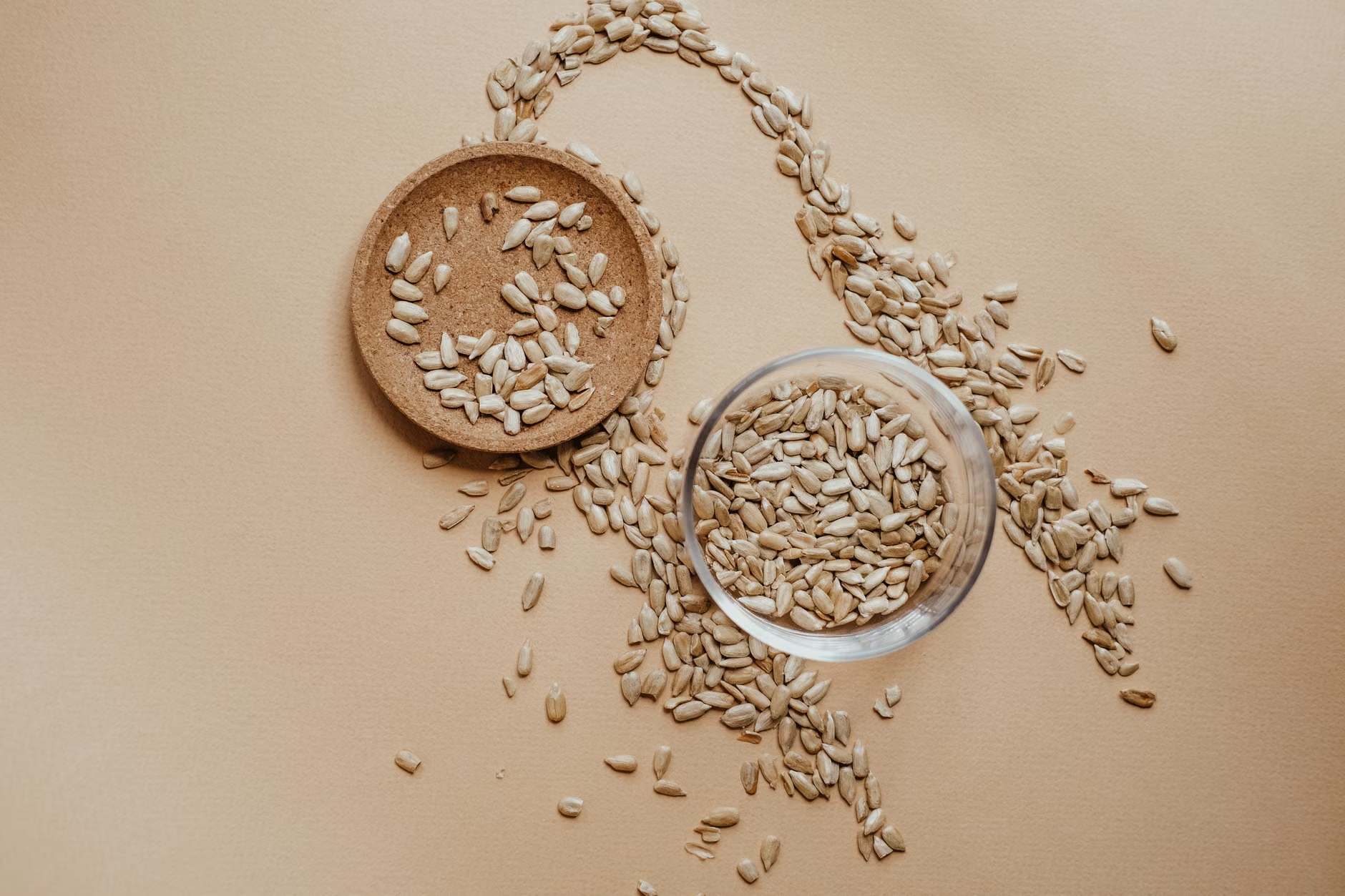
| Sunflower Seeds | Easy to sprinkle on yogurt or salads. | Use raw/unsalted to manage sodium intake. |
| Chicken/Turkey | High-quality protein for muscle maintenance. | Roasted or slow-cooked for tenderness. |
Understanding the Table: This comparison illustrates that B5 is found in varied food groups. If you have mobility issues that make standing at the stove difficult, focus on “no-cook” options like avocado and seeds. If you prefer cooked meals, prioritize mushrooms and lean poultry.
When to Consult a Professional
While nutrition is a pillar of preventive health, it is not a substitute for medical care. If you are experiencing symptoms such as chronic fatigue, unexplained weight loss, salt cravings, or recurring dizziness when standing up, these may be signs of underlying conditions that require a diagnostic evaluation by your primary care physician or an endocrinologist.
Preparation for your visit: Before seeing a doctor, keep a three-day food and symptom log. Note what you ate, how you felt (specifically energy levels), and any medications you are taking. This will allow your healthcare provider to give you targeted advice rather than generic recommendations.
Insights on Hidden Variables in Aging Nutrition
A frequently overlooked factor in senior nutrition is the impact of medication on nutrient absorption. Certain medications, particularly those for GERD (gastroesophageal reflux disease) or chronic indigestion, can alter the stomach’s acidity, potentially affecting how you absorb B-vitamins. If you are on long-term medication, ask your pharmacist or doctor specifically: “Does my current medication affect my body’s ability to absorb B-vitamins?”
Furthermore, the “processing gap” is real. Industrial processing, such as refining flour or canning vegetables with excessive salt and preservatives, often strips away the very vitamins you are trying to consume. Whenever possible, choose “whole” or “minimally processed” versions of these foods to maximize your B5 intake.
Conclusion: A Sustainable Approach to Vitality
Supporting your adrenal health does not require complex regimens or expensive supplements. It is about the cumulative effect of small, consistent choices: adding mushrooms to your soup, enjoying avocado with your toast, and staying mindful of how your body responds to your diet. By focusing on whole, nutrient-dense foods, you provide your body with the tools it needs to maintain energy and resilience as you age.
Frequently Asked Questions (FAQ)
Q: Can I get too much Vitamin B5 from food?
A: It is virtually impossible to consume toxic levels of Vitamin B5 through a standard diet. Because it is water-soluble, your body excretes any excess through urine, making it a very safe nutrient to prioritize in your meals.
Q: I have difficulty chewing; how can I incorporate these foods?
A: Many B5-rich foods are very adaptable. Avocados can be mashed; mushrooms can be finely chopped or pureed into soups; and lentils can be cooked until very soft or blended into a nutritious dhal or stew.
Q: Should I worry about B5 if I am taking other B-vitamin supplements?
A: If you are already taking a B-complex supplement, you are likely already meeting your daily requirement. Check the label for “Pantothenic Acid.” If you are meeting your needs through supplements, you do not need to add extra food sources for the sake of B5 alone—simply continue to eat these foods for their other health benefits, such as fiber and protein.
Official Guidance: For specific daily intake recommendations based on your country of residence, refer to your national health authority’s dietary guidelines, such as the US Dietary Guidelines for Americans or the NHS Eatwell Guide in the UK.