- Spinal decompression is not about “stretching” the spine to change its structure, but about reducing the pressure caused by gravity and sustained static postures.
- Lumbar support is not a luxury; it is a mechanical necessity for maintaining the natural inward curve of the lower back while seated.
- Consistency over intensity: Gentle, frequent micro-movements are significantly more effective for lumbar comfort than rare, aggressive stretching sessions.
Understanding the Mechanics of Lumbar Pressure
For many adults aged 60 to 80, the lower back (lumbar region) acts as the primary shock absorber for the body. When we sit for extended periods—whether reading, using a computer, or commuting—the weight of the torso is concentrated on the lower lumbar discs. Gravity, combined with a lack of muscular engagement, can lead to a sensation of “tightness” or compression. This is not necessarily a sign of a medical emergency, but rather a functional consequence of prolonged static loading on the spinal column.
Spinal decompression, in a seated context, refers to the practice of creating space between the vertebrae by shifting weight, utilizing external support, and engaging in controlled, gentle movement. The goal is to unload the facet joints and intervertebral discs, allowing for better fluid circulation and reduced nerve impingement. By understanding that the spine is a dynamic structure, we can move away from the idea that back discomfort is an inevitable part of aging and instead view it as a manageable state of mechanical stress.
The Gravity Factor: Why Sitting Feels Heavier with Age
As we age, the intervertebral discs—the gel-like cushions between our vertebrae—lose some of their hydration. This natural process, often called disc desiccation, reduces the disc’s height and its ability to absorb impact. When you sit in a chair that does not provide adequate support, your pelvis tends to tilt backward (posterior pelvic tilt). This flattens the natural inward curve of your lower back (the lumbar lordosis), shifting the pressure from the back of the vertebrae to the front of the discs. Over time, this constant forward-leaning pressure can lead to persistent discomfort.
The “decompression” approach involves reversing this mechanical load. By restoring the natural lumbar curve while seated, you redistribute the weight of your upper body back onto the stronger, bony structures of the spine, thereby taking the load off the soft tissues and discs.
Setting Up Your Environment for Spinal Success
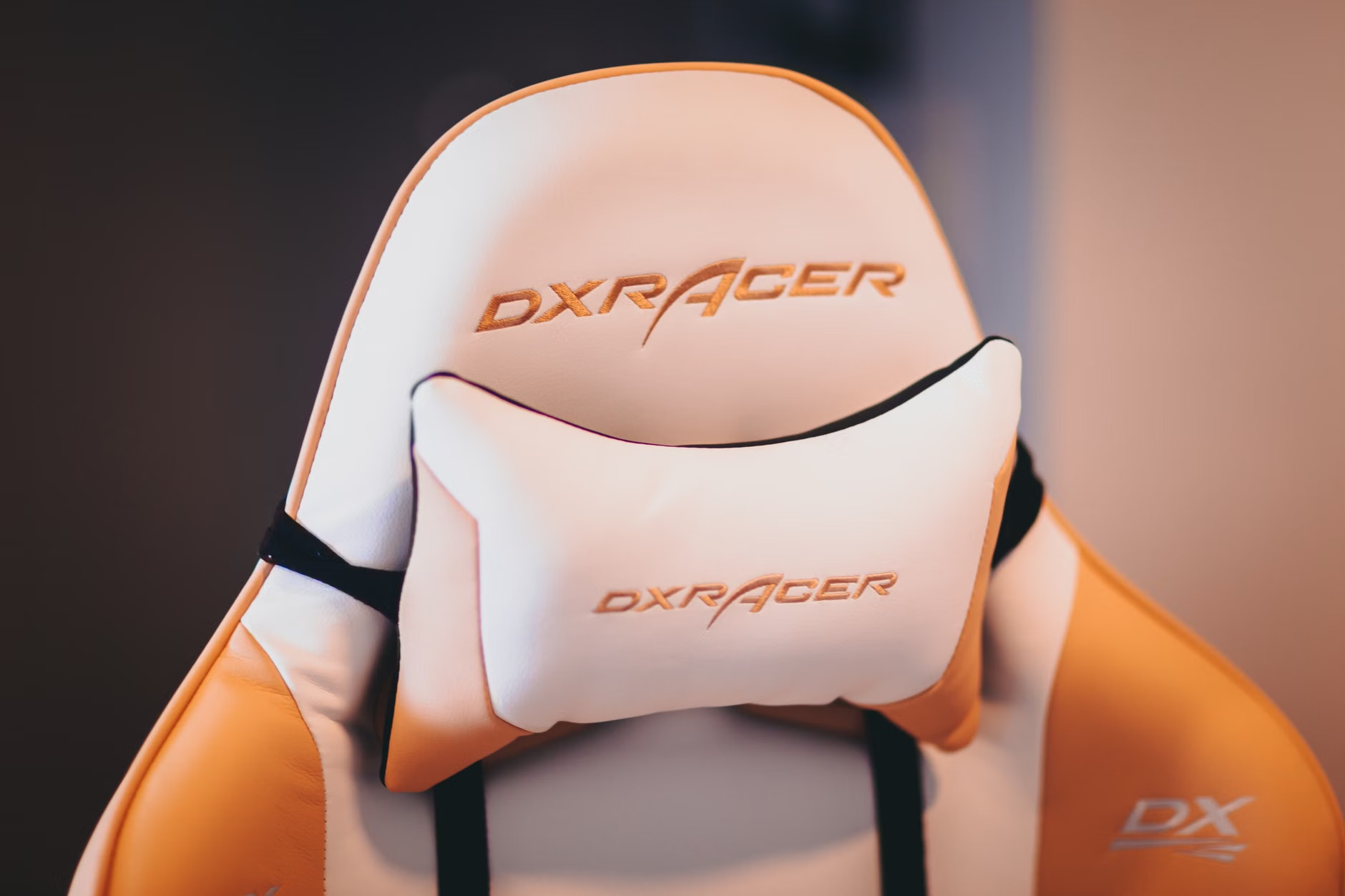
The most effective form of decompression begins before you even move your body: it begins with your chair. Many household chairs are designed for aesthetics rather than anatomy. A chair that is too deep, too soft, or lacks back support forces your spine into a “C-curve,” which is the primary enemy of lumbar comfort.
| Feature | What to Look For | Why It Matters |
|---|---|---|
| Seat Depth | Allows 2-3 fingers space between the edge of the seat and the back of your knees. | Prevents pressure on the nerves and blood vessels behind the knee. |
| Lumbar Support | A firm cushion or contour at the belt line (L3-L5 region). | Maintains the natural inward curve of the lower back. |
| Foot Placement | Feet flat on the floor with knees at a 90-degree angle. | Ensures the weight of the legs is supported, not pulling on the lower back. |
If your favorite chair lacks these features, you do not need to replace it. A simple, firm rolled-up towel or a dedicated lumbar pillow placed behind the small of your back can instantly change the mechanics of your spine. The goal is to feel a gentle push forward in your lower back, preventing your spine from rounding.
Daily Decompression Techniques: Practical Steps
Once your environment is optimized, you can perform “active” decompression throughout the day. These movements should be performed slowly and gently. If you feel sharp, shooting pain, stop immediately.
1. The Pelvic Tilt (The “Neutralizer”)
This is the most fundamental movement for resetting the spine. While seated, place your hands on your thighs. Gently roll your pelvis forward, creating a slight arch in your lower back. Hold for three seconds. Then, slowly roll your pelvis backward, rounding your back slightly. Repeat this ten times. This movement helps lubricate the spinal joints and reminds your body of its neutral, safe range of motion.
2. The Seated “Reach and Lengthen”
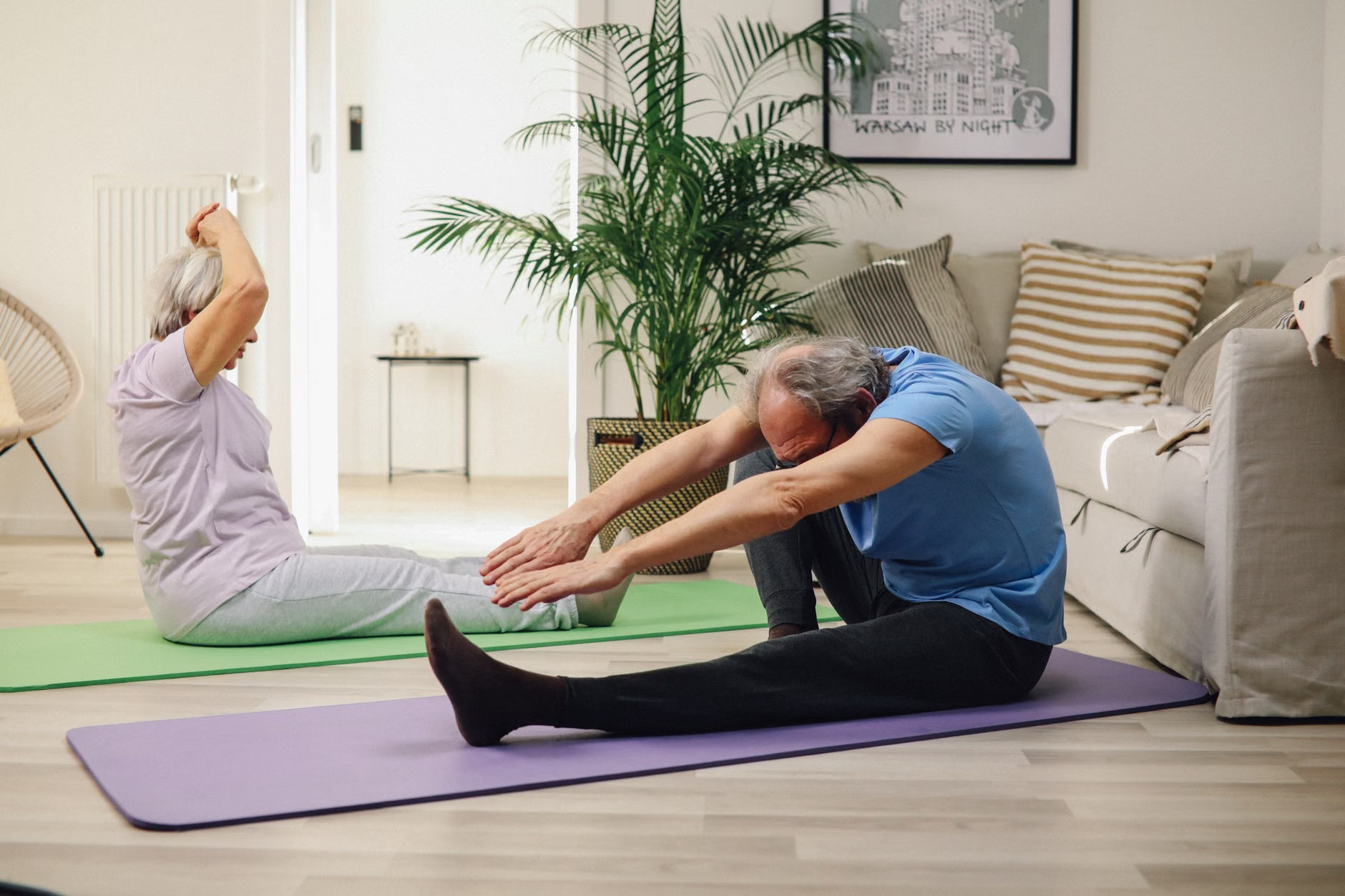
Sit tall with your feet firmly planted. Imagine a string pulling the crown of your head toward the ceiling. As you inhale, reach one arm upward toward the sky, feeling a gentle stretch along your side. Do not force the reach; focus on the sensation of “lengthening” the spine. Exhale and slowly lower your arm. Repeat with the other side. This creates a minor distraction force that can help alleviate the feeling of being “compressed” by gravity.
3. The Seated Twist (The “Rotation Reset”)
Twisting can help mobilize the stiff tissues around the lumbar spine. While sitting, place your right hand on the back of your chair and your left hand on your right knee. Slowly rotate your torso to the right, looking over your shoulder. Keep your spine long—do not hunch. Hold for five seconds, then return to center. Repeat on the other side. Warning: Only rotate as far as is comfortable. This is not about pushing your range of motion to the limit; it is about gentle activation.
When to Consult a Professional
While preventative habits are powerful, they cannot replace professional medical advice for specific conditions. It is essential to recognize when your back discomfort requires more than just ergonomic adjustments or gentle stretches.
- Neurological Symptoms: If you experience numbness, tingling, or a “pins and needles” sensation in your legs or feet, this may indicate nerve involvement that requires a clinical evaluation.
- Persistent Pain: If discomfort lasts for more than two weeks despite consistent adjustments to your posture and activity levels, it is time to consult a physical therapist or a primary care physician.
- Unexpected Weakness: A sudden loss of strength in your legs or difficulty with balance is a sign that you should seek medical attention immediately.
When preparing for an appointment, bring a list of your daily activities. Note when the discomfort is most severe (e.g., “after 20 minutes of sitting in the kitchen chair”) and what makes it better. This information is invaluable for a clinician trying to diagnose the root cause of your discomfort.
Addressing Misconceptions About Spinal Health
There is a common myth that the spine needs to be “cracked” or aggressively stretched to be healthy. In reality, the spine is a complex system of ligaments, tendons, and muscles that thrive on stability and controlled movement rather than high-velocity adjustments. For seniors, the priority is to maintain the integrity of the spinal structures while keeping the supporting musculature engaged.
Another common mistake is “over-correcting.” Some people try to sit perfectly upright for hours on end, which can be just as fatiguing as slouching. The best posture is the “next” posture. Your body was designed to move. Even the most ergonomic chair will become uncomfortable if you stay in it for four hours straight. Set a timer to stand up, walk to the kitchen, or simply shift your position every 30 to 45 minutes.
Integrating Movement into Daily Life
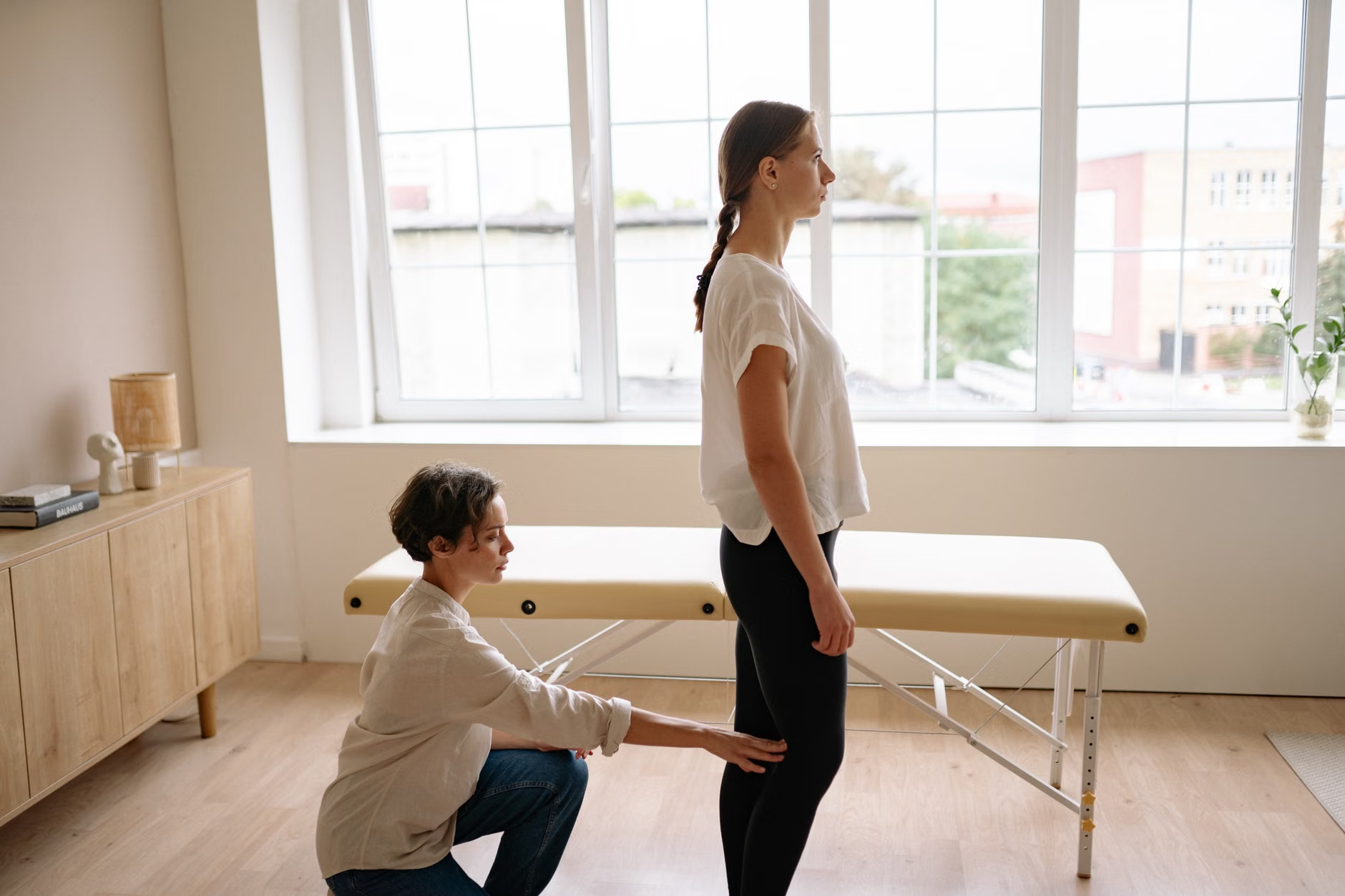
The most successful health outcomes come from integrating these practices into your existing routine. You do not need to set aside an hour for “spinal exercise.” Instead, make these movements part of your daily rhythm:
- During Television Breaks: Use the commercial breaks to perform three sets of pelvic tilts.
- During Morning Reading: Ensure your lumbar support is in place before you open your book or tablet.
- During Travel: If you are traveling by train or plane, bring a small inflatable lumbar pillow. These are inexpensive, lightweight, and can make a massive difference in how you feel upon arrival.
Consistency is the primary driver of success. By making these small adjustments, you are not just managing pain; you are proactively preserving your mobility. The goal is to ensure that your spine remains a flexible, supportive foundation for everything you want to do in your day, whether that is gardening, traveling, or playing with grandchildren.
The Importance of Hydration and Nutrition
While this guide focuses on seated decompression, it is worth noting that spinal health is also internally supported. The intervertebral discs are largely made of water. Staying adequately hydrated supports the health of these discs. Furthermore, maintaining a diet rich in anti-inflammatory foods—such as those high in omega-3 fatty acids—can help manage systemic inflammation, which is often a secondary driver of back discomfort.
While supplements are often marketed as “cures” for back pain, there is no scientific evidence that any single supplement can reverse disc degeneration. Focus on a balanced diet and regular, low-impact movement, which remain the gold standards for long-term musculoskeletal health.
Conclusion: Taking Control of Your Comfort
Your back discomfort is not a mandatory consequence of aging. It is a signal from your body that the mechanical load you are placing on your spine needs to be managed more effectively. By optimizing your seating environment, incorporating gentle, frequent micro-movements, and knowing when to seek professional help, you can maintain a high level of comfort and mobility.
Start today by evaluating the chair you use most often. Is it supporting your natural curve? If not, start with a simple towel roll. Observe the difference it makes in your comfort level after just one hour of sitting. Small, consistent changes are the most sustainable path to a healthier, more comfortable life.
Frequently Asked Questions
- Should I use a back brace to help with my lumbar discomfort?
Back braces should generally only be used under the direction of a doctor. Over-reliance on a brace can cause the core muscles that support your spine to weaken, which may lead to more discomfort in the long run. Use them only for specific, short-term tasks as advised by a professional. - Are inversion tables safe for seniors to decompress the spine?
Inversion tables involve hanging upside down, which can significantly increase blood pressure and put strain on the eyes and heart. For most seniors, the risks—including dizziness, falls, and cardiovascular strain—far outweigh the potential benefits. Stick to seated or floor-based gentle movements. - How long should I hold a stretch to get the best results?
For the gentle movements described in this article, holding a position for 5 to 10 seconds is sufficient. You are aiming for a gentle, comfortable stretch, not a deep or painful one. The focus should be on frequency (doing it several times a day) rather than duration or intensity.
Disclaimer: This article is for informational purposes only and does not constitute medical advice. Always consult with a healthcare professional before starting any new exercise routine, especially if you have a history of spinal conditions, osteoporosis, or other medical concerns.
For more information on senior health and ergonomics, you can visit the National Institute on Aging for general guidance on healthy aging and activity.