- Rebate availability is location-specific: Most smart-home energy incentives are managed at the national, state, or municipal level, meaning you must verify your specific jurisdiction’s 2026 guidelines.
- Focus on “Low-Hanging Fruit”: Smart thermostats and LED lighting upgrades often offer the fastest return on investment and are frequently prioritized in government subsidy programs.
- Documentation is mandatory: To claim any rebate, you must retain itemized receipts, proof of professional installation (if required), and energy star certification documents for every device purchased.
As we move into 2026, the focus on home energy efficiency has shifted from purely environmental concerns to a practical strategy for managing rising utility costs and enhancing residential comfort. For many homeowners, especially those aged 60 and above, the ability to automate temperature control, lighting, and security can significantly improve quality of life and safety. However, navigating the complex web of government rebates and utility-provided incentives can be daunting.
This guide provides a structured approach to understanding how 2026 smart-home energy rebates work, how to identify what you are eligible for, and how to execute an upgrade plan that prioritizes your specific needs.
Understanding the 2026 Energy Rebate Landscape
In 2026, energy policy is characterized by a transition toward “smart electrification.” Governments in regions such as the United States (via the Inflation Reduction Act extensions), the European Union (through the Renovation Wave initiative), and various provincial programs in Canada are prioritizing the integration of intelligent controls into residential heating, cooling, and lighting systems. Unlike the broad subsidies of the past, 2026 programs are increasingly targeted at high-efficiency, grid-interactive devices.
It is crucial to distinguish between tax credits and rebates. A tax credit reduces the amount of income tax you owe at the end of the year, while a rebate is a direct refund of a portion of the purchase price, often issued by your local utility provider or a government agency. Understanding this distinction is the first step in managing your budget for potential home improvements.
Why Smart Technology Matters for Your Daily Wellbeing
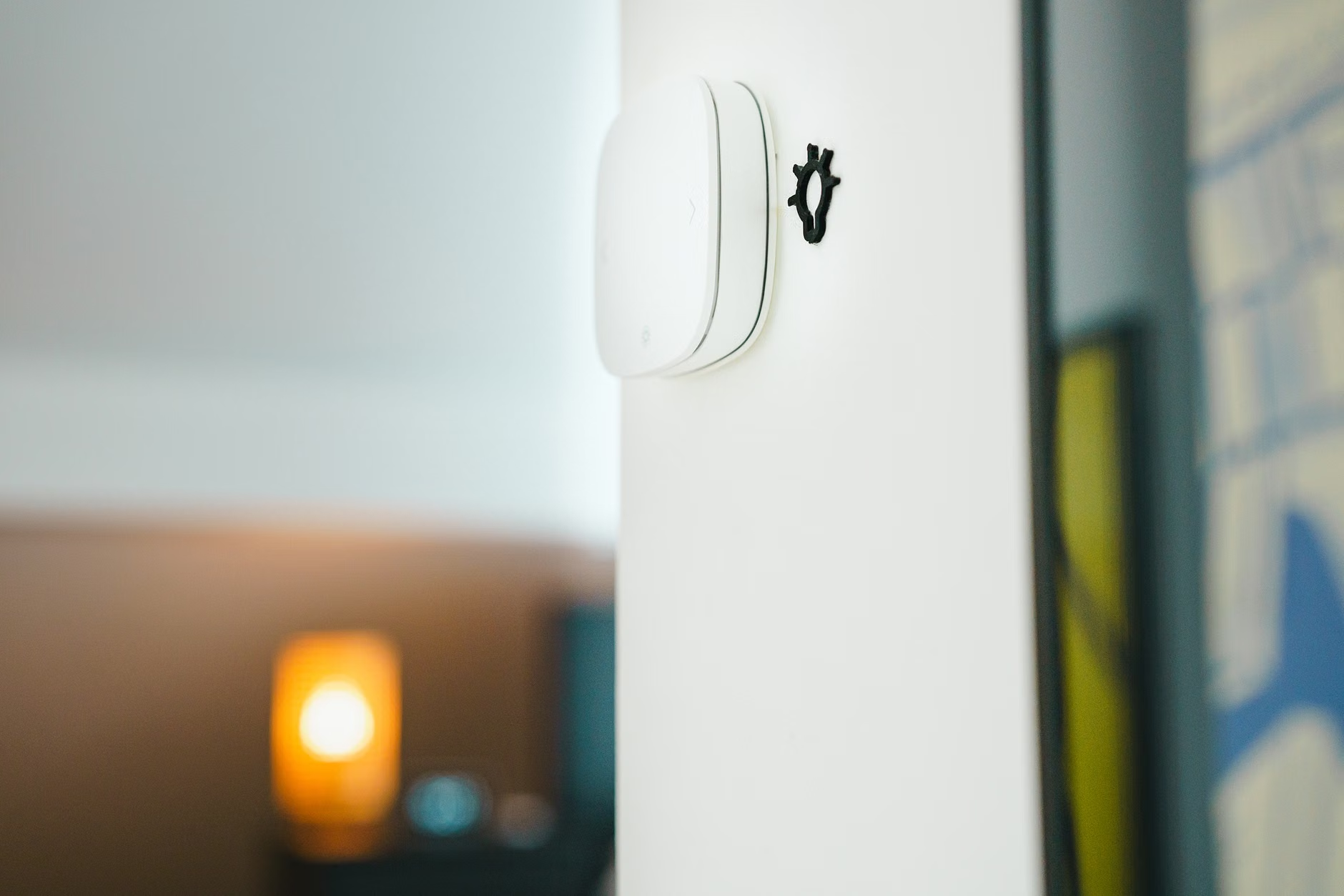
Beyond the financial savings, smart-home technology offers specific benefits for older adults. A smart thermostat, for instance, does more than save money; it allows for consistent, automated climate control that prevents your home from becoming too cold or too hot, reducing risks related to temperature-sensitive health conditions. Smart lighting systems can be programmed to gradually illuminate paths to the bathroom at night, reducing the risk of falls—a primary concern for maintaining independence at home.
Evaluating Eligibility and Regional Differences
Because energy grids and climate goals vary, there is no single global list of eligible devices. However, most jurisdictions follow a standard framework for qualifying equipment. Below is a comparative table of common smart-home upgrades and their typical eligibility status in developed markets as of 2026.
| Device Category | Primary Benefit | Typical Rebate Likelihood |
|---|---|---|
| Smart Thermostats | HVAC Efficiency | High (Utility-backed) |
| Smart LED Lighting | Reduced Consumption | Moderate (Retail-level) |
| Smart Power Strips | Phantom Load Reduction | Low (Usually self-funded) |
| Heat Pump Controls | Advanced Climate Mgmt | Very High (Government-backed) |
If you are in the United States, the Energy Star program remains the gold standard for eligibility. In the European Union, the Energy Performance of Buildings Directive dictates local incentives. Always check with your local electricity provider first, as they often have “instant rebate” portals that apply discounts directly at the point of sale, saving you from the lengthy process of filing for reimbursement.
Step-by-Step Action Plan for Your Home Upgrades
Executing a smart-home upgrade requires a methodical approach to ensure you qualify for all available funds and avoid common pitfalls. Follow these steps to ensure a smooth transition.
1. Conduct a “Pre-Installation” Audit
Before purchasing any hardware, verify your current energy usage. Contact your utility provider to see if they offer a free “home energy audit.” Many providers will send a professional to your home to identify which specific upgrades will yield the highest efficiency gains. This professional assessment is often a prerequisite for claiming larger government rebates.
2. Verify Compatibility with Existing Infrastructure
One of the most common mistakes is purchasing smart devices that are incompatible with older HVAC systems or electrical wiring. For example, some smart thermostats require a “C-wire” (common wire) to provide constant power. If your home was built before the 1990s, you might not have this wire. Always check the manufacturer’s compatibility tool before clicking “buy.” If you are unsure, do not attempt to force a connection; hire a licensed electrician to assess your system’s readiness.
3. Document Everything for Rebate Claims
The rebate process is strictly administrative. You will need:
- Original dated sales receipt: Must show the model number and store name.
- Proof of installation: If the rebate requires professional installation, you need an invoice showing the contractor’s license number and the date of service.
- Manufacturer’s certification: A document proving the device meets the energy efficiency standards required by the rebate program.
Hidden Variables and Overlooked Trade-offs
While the focus is often on cost-saving, there are technical nuances that can cause frustration. The first is Connectivity Stability. Smart devices rely on your home’s Wi-Fi. If your router is tucked away in a basement or a far corner, your smart devices may frequently lose connection, rendering them “dumb” until you reset them. Before investing in multiple devices, ensure your Wi-Fi coverage is robust throughout your living space. You may need to invest in a “mesh Wi-Fi” system to ensure reliability.
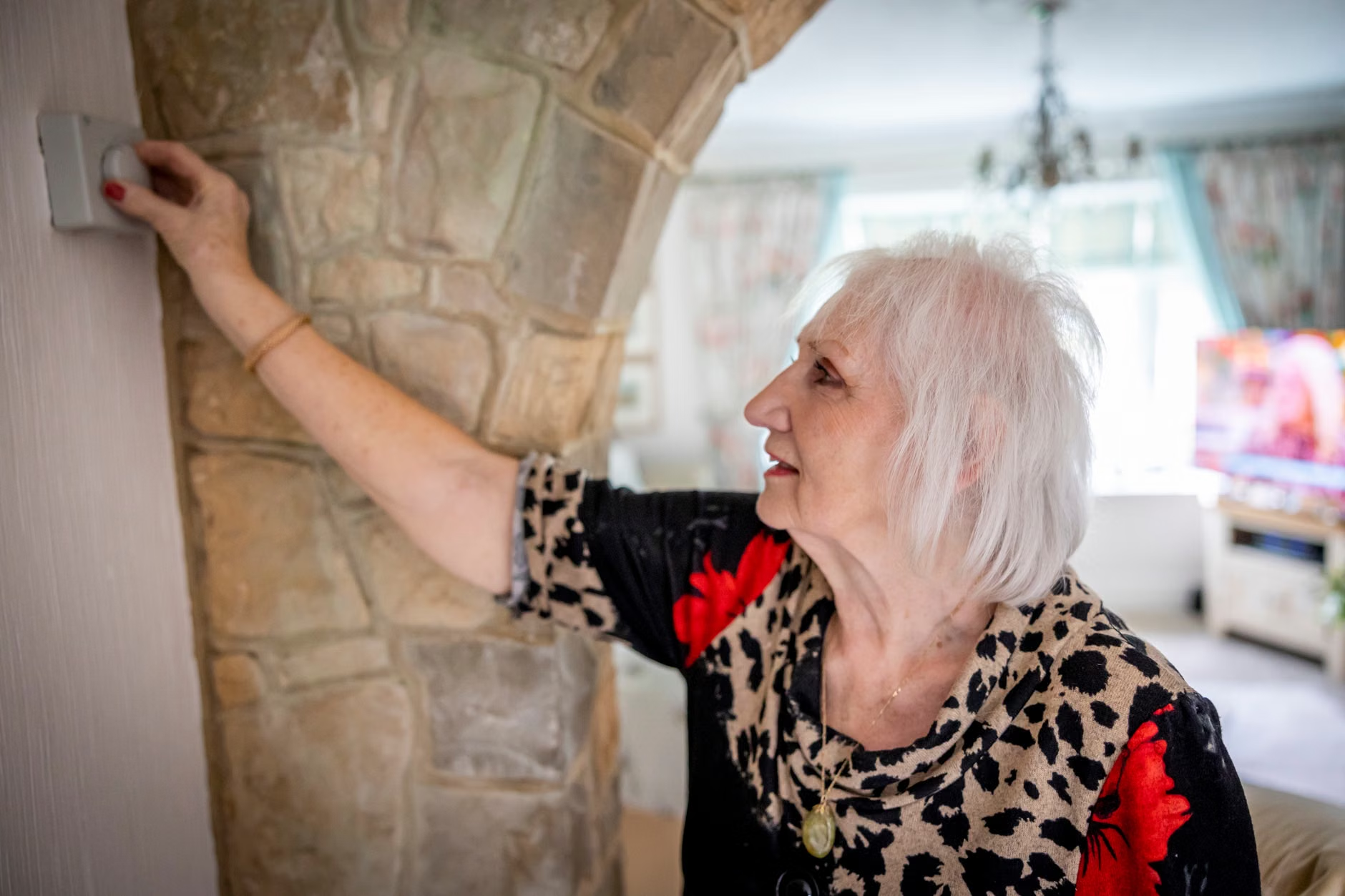
The second variable is The Learning Curve. While these devices are designed to be intuitive, they are not always simple. If you share your home with family or caregivers, ensure that everyone understands how to operate the system manually. A smart home should always have a “manual override” option. Never rely solely on a smartphone app; ensure that wall-mounted controls remain functional and accessible.
Maintaining Your Smart Home System
Once installed, smart systems require periodic maintenance. Software updates are the most common requirement. Most modern devices update automatically, but it is good practice to check the manufacturer’s app once a month to ensure everything is running the latest firmware. This is not just for features; it is vital for security. A device with outdated software is more vulnerable to unauthorized access.
If you experience a system failure, the first step is usually a “power cycle”—turning the device off at the circuit breaker for 30 seconds and turning it back on. If the issue persists, consult the manufacturer’s support portal rather than attempting to open the device yourself. Many smart devices are sealed units and should not be dismantled.

Strategic Decision-Making for 2026
When choosing which upgrades to prioritize, consider your personal mobility and daily routine. If you find stairs difficult, prioritize smart lighting and voice-controlled appliances that allow you to manage your environment without moving between rooms. If you are concerned about utility costs, prioritize the HVAC system first, as this typically accounts for the largest portion of a home’s energy consumption.
A note on security: When setting up your smart devices, use strong, unique passwords for every account. If your devices support “Two-Factor Authentication” (where you receive a code on your phone to log in), enable it. This simple step significantly increases your digital safety.
By following these guidelines and focusing on the systems that offer both efficiency and ease of use, you can successfully navigate the 2026 rebate landscape to create a home that is not only more affordable to run but also safer and more comfortable for years to come.
Frequently Asked Questions
Q1: Do I need to be tech-savvy to use these smart-home devices?
No. While initial setup may require some technical effort, once configured, most smart devices are designed to run autonomously. Many systems also allow for “voice control,” which can be easier for some users than navigating smartphone apps. If you are uncomfortable with the setup, many local utility programs partner with preferred installers who can handle the installation for a fee, which is often eligible for reimbursement.
Q2: If I rent my home, can I still take advantage of these rebates?
This depends on your local jurisdiction and your lease agreement. In some regions, landlords are eligible for rebates for installing energy-efficient equipment. You should speak with your landlord about potential upgrades, emphasizing the long-term value it adds to the property. Do not install permanent fixtures without explicit written permission from the property owner.
Q3: Are these rebates guaranteed if I buy the product?
No. Rebates are almost always subject to the availability of funds. Programs often have “caps” or expiration dates. It is highly recommended to check the status of the rebate program on your local utility’s website before making a purchase. If the program has reached its funding limit for the year, you may want to wait until the next budget cycle to ensure you receive the financial incentive.
For further information on energy efficiency standards, you can visit the official Energy Star resource center or check your national government’s energy department website for country-specific rebate portals.