- Biotin (Vitamin B7) is a water-soluble B-vitamin that supports the body’s metabolism and the maintenance of hair and nails; however, it is rarely deficient in healthy individuals eating a varied diet.
- For most adults over 60, the best way to maintain adequate biotin levels is through whole foods like eggs, organ meats, nuts, and legumes rather than high-dose supplements.
- High-dose biotin supplements can interfere with critical laboratory tests, including heart attack diagnostics (troponin levels) and thyroid function tests; always inform your doctor if you are taking biotin.
Understanding Biotin: What It Is and Why It Matters
Biotin, also known as Vitamin B7 or Vitamin H, is a crucial coenzyme that helps your body convert carbohydrates, fats, and proteins into energy. While it is widely marketed in the beauty industry as a “miracle” supplement for hair, skin, and nails, its biological role is far more fundamental. As we age, our bodies undergo various changes in nutrient absorption and metabolic efficiency. Understanding how biotin fits into your overall nutritional strategy is essential for maintaining systemic health, not just cosmetic appearance.
In the context of the 60-to-80 age bracket, biotin serves as a facilitator for metabolic processes. It plays a role in gene regulation and cell signaling. When we discuss “hair and nail health,” it is important to distinguish between structural integrity—which is largely determined by genetics, hydration, and overall systemic health—and the temporary aesthetic effects often promised by marketing campaigns. Biotin deficiency is medically rare, as the vitamin is found in many common foods and is produced by beneficial bacteria in the human gut.
The Reality of Biotin Deficiency in Older Adults
True biotin deficiency is uncommon in the general population, but certain factors can increase risk for older adults. These include chronic use of specific medications (such as some anticonvulsants), long-term use of antibiotics that may alter gut flora, or malabsorption syndromes. Symptoms of a genuine deficiency may include thinning hair, brittle nails, a scaly red rash (particularly around the eyes, nose, and mouth), and in more severe cases, neurological symptoms like lethargy or depression.
If you notice significant changes in your hair or nail quality, it is a mistake to assume that a biotin supplement is the immediate solution. Hair loss or brittle nails in individuals aged 60 to 80 can be indicators of underlying conditions such as thyroid disorders, anemia, protein deficiency, or hormonal shifts. Because these symptoms are non-specific, they act as a signal that you should look at your overall health status with your primary care provider rather than self-treating with over-the-counter supplements.
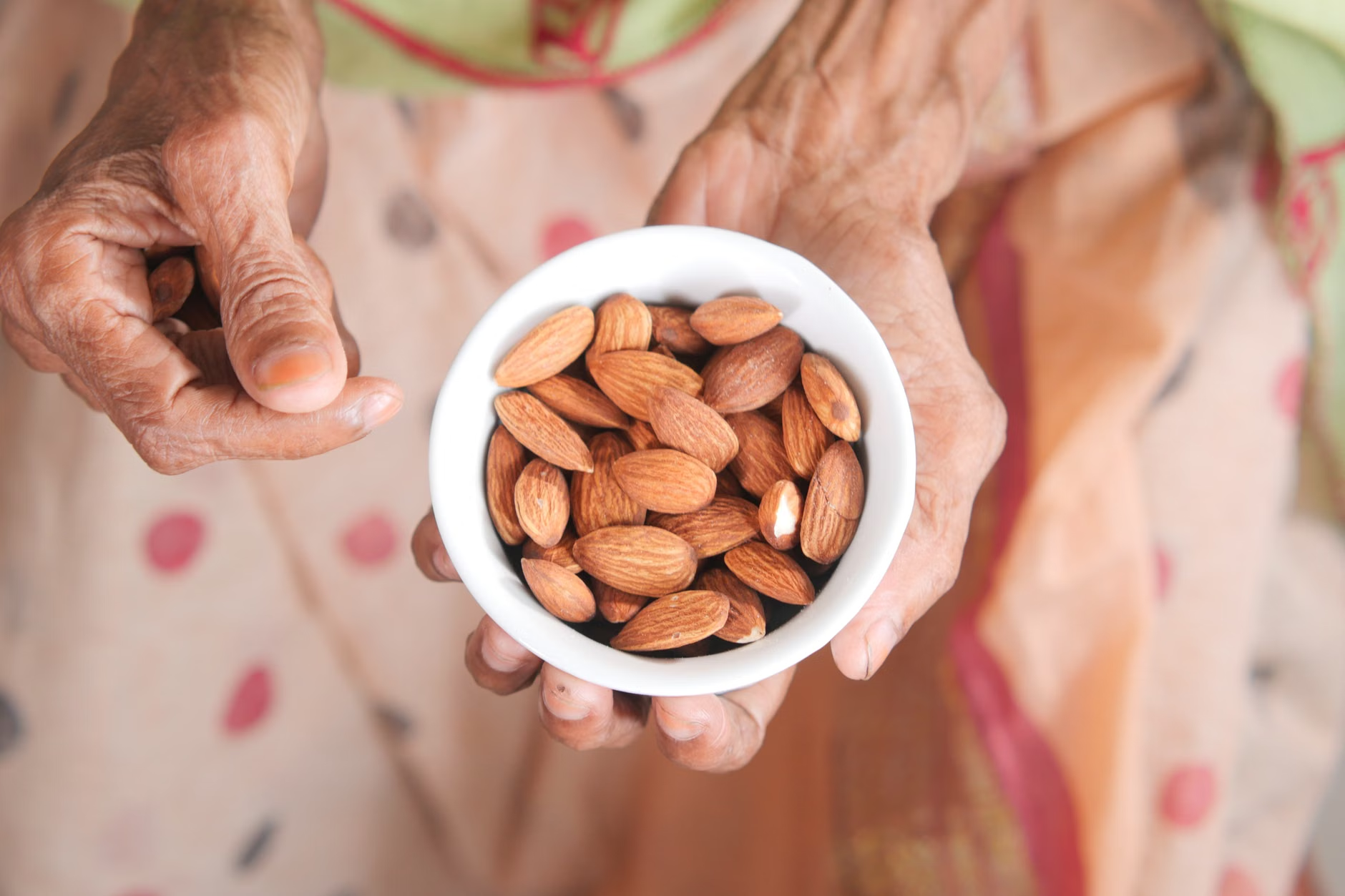
Dietary Sources: Nutrition Over Supplementation
The most effective and safest way to ensure your body has the biotin it needs is through a balanced, whole-food diet. Unlike synthetic supplements, food provides biotin in a matrix of other essential nutrients, fiber, and antioxidants that support overall longevity. Below is a guide to incorporating biotin-rich foods into your daily routine.
| Food Source | Estimated Biotin Content | Practical Serving Tip |
|---|---|---|
| Cooked Eggs (1 large) | 10 mcg | Ensure they are cooked, as raw egg whites contain avidin, which inhibits biotin absorption. |
| Almonds (1/4 cup) | 1.5 mcg | Use as a convenient snack or add to morning oatmeal. |
| Sweet Potato (1/2 cup cooked) | 2.4 mcg | A fiber-rich side dish that pairs well with lean proteins. |
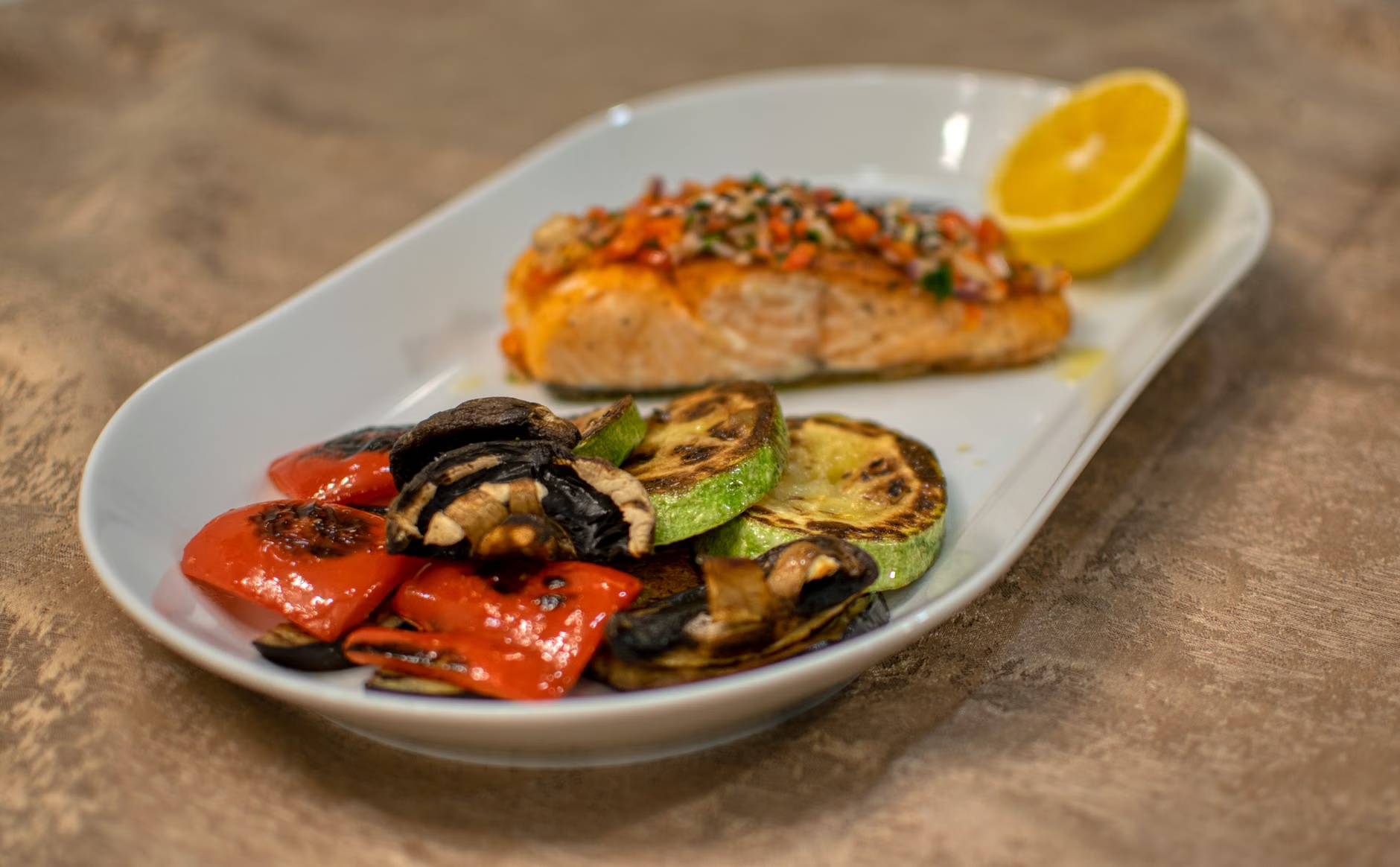
| Salmon (3 oz) | 5 mcg | Provides omega-3s, which are also vital for skin and hair health. |
| Legumes (1/2 cup) | 1-3 mcg | Lentils and beans are excellent for digestive health and blood sugar regulation. |
For the average older adult, these foods are not just sources of biotin; they are staples of a heart-healthy diet. For instance, replacing processed snacks with a handful of almonds provides not only biotin but also healthy fats that support brain health. Integrating these items into your weekly meal plan ensures you are meeting the Adequate Intake (AI) level, which is approximately 30 micrograms per day for adults, without the risks associated with high-dose supplementation.
The Hidden Risks of High-Dose Biotin Supplements
One of the most critical, yet frequently overlooked, aspects of biotin usage for seniors is its impact on laboratory diagnostics. Many over-the-counter hair, skin, and nail supplements contain doses of biotin that are 100 to 500 times the daily recommended requirement. These high levels do not provide extra benefit for hair or nails, but they do cause significant interference with common medical tests.
How Biotin Interferes with Medical Testing
Laboratory tests often use biotin-streptavidin technology to measure biomarkers in your blood. When you have high levels of circulating biotin in your system, it can “mask” or “mimic” results, leading to inaccurate readings. This is particularly dangerous for:
- Cardiac Troponin Tests: These are used to diagnose heart attacks. Biotin interference can lead to falsely low results, potentially causing a life-threatening delay in medical treatment.
- Thyroid Function Tests: High biotin can lead to results that mimic Grave’s disease or hyperthyroidism, leading to unnecessary and invasive diagnostic procedures or medication errors.
- Hormone Panels: Measurements of Vitamin D, ferritin, and other essential hormones can be skewed, complicating the clinical picture for your doctor.
Action Step: If you are currently taking a supplement containing biotin, stop taking it at least 72 hours before any scheduled blood work. Always disclose all supplements, including “natural” beauty products, to your healthcare provider during your medication review.

As we age, the hair follicles naturally produce thinner, less pigmented hair, and the rate of nail growth slows. Nails may become more prone to longitudinal ridging or splitting due to decreased hydration and changes in peripheral circulation. While these changes are often natural, they can be managed with practical, non-supplement strategies.
Practical Strategies for Hair and Nail Integrity
- Hydration and Moisture: Use gentle, sulfate-free shampoos and apply high-quality, non-greasy moisturizers to your nails and cuticles daily. Dryness is often the primary culprit behind brittle nails.
- Protecting Your Hands: Wear gloves when washing dishes or using harsh household cleaning chemicals. These substances strip the natural oils from your nails, leading to weakness.
- Protein Intake: Hair and nails are primarily made of keratin, a protein. Ensure your diet includes adequate high-quality protein (lean meats, fish, tofu, legumes) to provide the building blocks for these tissues.
- Circulation Support: Engage in regular physical activity. Improved blood flow ensures that nutrients reach the extremities, including the hair follicles and nail beds.
When to Consult a Professional
While minor changes in hair and nail texture are often part of the aging process, certain signs warrant a visit to your primary care provider or a dermatologist. Do not wait for a “supplement fix” if you notice:
- Sudden or Patchy Hair Loss: This may indicate an autoimmune condition or a systemic medical issue.
- Significant Changes in Nail Color: Dark streaks, persistent yellowing, or signs of infection (redness, swelling, or pain) should be evaluated.
- Systemic Symptoms: If brittle hair or nails are accompanied by unexplained fatigue, sudden weight changes, or persistent cold intolerance, blood tests are necessary to rule out thyroid or nutritional deficiencies.
When you prepare for your medical appointment, bring a list of all current medications and supplements. Use a symptom log to track when the changes started and if there are other health factors that changed around the same time. Being specific helps your doctor differentiate between age-related changes and conditions that require intervention.
Conclusion: A Proactive Approach to Wellbeing
The quest for healthy hair and nails in our 60s, 70s, and beyond is best served by a foundation of good nutrition, proper hydration, and protective daily habits rather than high-dose supplements. Biotin is a vital nutrient, but it is one that is easily obtained through a diverse diet. By focusing on whole foods—eggs, nuts, legumes, and lean proteins—you support not just your hair and nails, but your entire metabolic health.
Remember that your safety is paramount. The “beauty” industry often overlooks the clinical risks of high-dose supplementation. By staying informed about how supplements interact with medical diagnostics and by prioritizing a balanced diet, you can maintain your health and vitality with confidence. Always prioritize evidence-based care and keep your medical team informed about every product you include in your daily regimen.
Frequently Asked Questions (FAQ)
1. Do I need a biotin supplement if I am experiencing thinning hair?
Not necessarily. Thinning hair in older adults is often caused by hormonal changes, genetics, or underlying health conditions rather than a lack of biotin. Before starting a supplement, consult your doctor to rule out thyroid issues, iron deficiency, or other manageable health concerns. A blood test is the only way to determine if you have a true nutritional deficiency.
2. Can I take biotin safely while on other medications?
The primary concern is not a direct drug-to-biotin interaction, but rather the interference of high-dose biotin with laboratory test results. If you are taking medication for chronic conditions, it is essential to inform your doctor about all supplements. If you choose to take a supplement, be sure to stop it several days before any blood tests to prevent skewed results.
3. How long does it take to see improvements in hair and nail health?
Even if you have a genuine deficiency, it takes time for new hair and nail tissue to grow. Nails typically take several months to regenerate, and hair growth cycles are even longer. If you implement dietary changes, allow at least 3 to 6 months of consistent, healthy eating to observe any potential changes in the quality of new growth. If you see no improvement, it is a sign to investigate other factors with your healthcare provider.
Disclaimer: This article is for informational purposes only and does not constitute medical advice, diagnosis, or treatment. Always seek the advice of your physician or other qualified health provider with any questions you may have regarding a medical condition or before beginning any new supplement regimen.
Official guidance on biotin and laboratory testing can be found via the U.S. Food and Drug Administration (FDA) safety communication: FDA Safety Communication on Biotin Interference.