- Focus on ROI: Prioritize smart devices that directly impact heating, cooling, and insulation, as these yield the highest rebates and long-term utility savings.
- Verify Eligibility: Rebates are highly localized; always check your specific regional or national energy provider’s portal before purchasing equipment.
- Professional Installation: Many government-backed programs require proof of professional installation to validate the warranty and qualify for the full rebate amount.
As we move into 2026, governments and energy providers globally are aggressively rolling out incentives to encourage the adoption of smart-home technologies. For older adults, these initiatives offer more than just financial savings; they represent an opportunity to automate home maintenance, improve indoor climate control, and enhance overall safety. This guide explores how to navigate the complex landscape of 2026 smart-home energy rebates, ensuring you make informed decisions that align with your budget and lifestyle.
Understanding the Shift Toward Smart Energy Efficiency
The global push for “smart homes” is rooted in the need to reduce carbon footprints and manage grid demand. For the individual homeowner, this translates into a transition from manual utility management to automated systems that adjust based on real-time data. In 2026, the focus has shifted from simple “gadgets” to integrated ecosystems that manage heating, ventilation, and air conditioning (HVAC) systems, lighting, and even water usage.
Why does this matter for your daily life? Beyond the obvious reduction in monthly bills, these systems can significantly improve your home’s comfort. A smart thermostat, for example, can ensure your home is at the ideal temperature before you wake up or return from an errand, reducing the need for you to manually adjust dials or climb stairs to reach wall-mounted controls. It is about creating a living environment that adapts to your needs, rather than you adapting to the limitations of your home.
The Economic Rationale: Why Rebates Exist
Energy providers offer rebates because it is cheaper for them to help you reduce your energy consumption than it is to build new power plants. When your home is more energy-efficient, you are effectively acting as a “micro-generator” or a “load manager” for the grid. In 2026, most rebates fall into three categories: direct cash rebates, tax credits, and subsidized professional audits.
Identifying Which Rebates Apply to You
It is crucial to understand that there is no “universal” global rebate program. Policies are dictated by your specific jurisdiction. To find what is available, you must look at three levels of governance:
- National/Federal: Often large-scale tax credits for significant home improvements like heat pumps or solar panel installations.
- Regional/State: Usually cash rebates for specific appliances, such as smart thermostats or energy-efficient water heaters.
- Utility Provider: Often the most accessible, these programs provide instant discounts at the point of sale for smart plugs, LED lighting packages, and energy monitoring devices.
| Device Category | Potential Benefit | Typical Rebate Type |
|---|---|---|
| Smart Thermostats | HVAC efficiency | Instant Utility Rebate |
| Heat Pump Systems | Primary heating/cooling | Federal Tax Credit |
| Smart Lighting | Lower electricity usage | Store-level discount |
| Energy Monitors | Usage transparency | Manufacturer subsidy |
The table above illustrates that not all rebates are created equal. Instant utility rebates are generally the easiest to claim, as the deduction often happens at the checkout counter. Conversely, tax credits require careful documentation and filing during your annual tax return. Always keep digital and paper copies of receipts and installation certificates in a dedicated folder.
Step-by-Step: How to Claim Your Rebates in 2026
The process of claiming rebates can feel daunting, but it follows a logical path. Follow these steps to ensure you do not miss out on potential savings.
Step 1: Conduct a Home Energy Audit
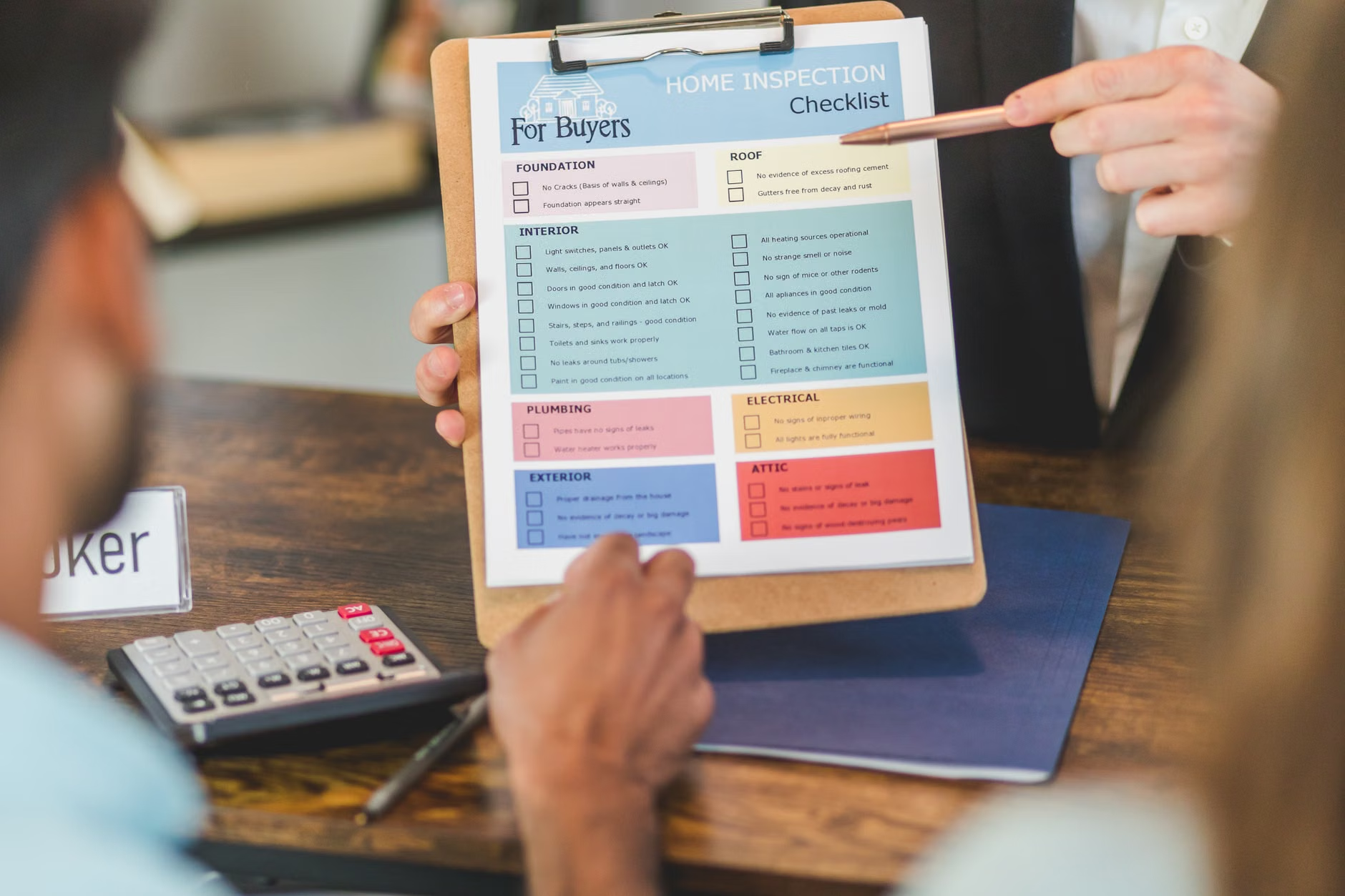
Before purchasing hardware, determine where your home is losing energy. Many utility companies offer free or subsidized professional audits. A professional will walk through your home and identify drafts, insulation gaps, and inefficient appliances. Do not skip this step; it provides a roadmap of which investments will offer the fastest return on investment.
Step 2: Verify Product Compatibility
Not every “smart” device is eligible for a rebate. Many utility programs have a “qualified products list.” Before buying a device from a big-box store or online retailer, check your utility company’s website to ensure the specific model number is on their approved list. A common mistake is buying a high-end smart device that is not recognized by the local program, leading to a rejected rebate application.
Step 3: Document Everything
Keep a “rebate file.” This should include:
- The original sales receipt showing the date, purchase price, and model number.
- The UPC code from the packaging (often required for mail-in rebates).
- The installer’s invoice (if the rebate requires professional installation).
- Confirmation emails from the utility portal.
Real-Life Scenarios: Making the Decision
Consider a hypothetical scenario: A couple in their early 70s living in a detached home with an aging furnace. Their monthly heating bill has been steadily increasing. They have two choices: continue with the current system or upgrade to a smart-enabled heat pump. While the heat pump has a higher upfront cost, it is currently supported by a 30% federal tax credit in their region. By calculating the total cost minus the credit and the estimated 15% reduction in monthly energy usage, they find the “break-even” point is only four years. This is a sound financial decision that also improves home comfort.
Conversely, if you live in a smaller apartment with limited control over your central heating, investing in expensive smart-home climate systems may not yield a return. In this case, focusing on smaller, portable smart devices—such as smart plugs for space heaters or LED smart bulbs—is a more sensible, low-risk approach.
Technical Confidence and User Experience
A common concern for older adults is the technical complexity of smart-home devices. It is important to emphasize that you do not need to be a technology expert. Many modern systems are designed to be “set and forget.” Once a professional installs a smart thermostat and connects it to your home Wi-Fi, it runs automatically. You only need to interact with it if you want to make a manual change, which can often be done via a simple, large-button interface on the wall or a voice command.
If you have caregivers or family members, involve them in the setup phase. They can help with the initial digital configuration, such as setting up schedules, while you retain control over the physical settings. This collaborative approach ensures that the technology serves you, rather than becoming a source of stress.
Unexpected Trade-offs and Overlooked Variables
When considering smart home upgrades, there are two often-overlooked factors: Connectivity Stability and Data Privacy. A smart home relies on your internet connection. If you live in an area with unreliable internet, some features may become unavailable. Check if your chosen devices can function in “offline mode” (i.e., they continue to operate as basic devices even if the internet drops).
Regarding privacy, look for devices that state they do not share your usage data with third-party advertisers. Many reputable manufacturers now provide clear “Privacy Labels” similar to food nutrition labels. Choosing privacy-focused brands may cost slightly more upfront but provides peace of mind.
Planning for Long-Term Maintenance
Smart-home technology is not a “buy once, forget forever” solution. Like any appliance, these devices require occasional updates. In 2026, most devices update their software automatically, but you should periodically check that your home router is also up to date. If you are planning a long trip, ensure your smart devices are set to “vacation mode” to save energy while keeping your pipes from freezing or your home secure.
Moreover, consider the “longevity” of the brand. Choose established manufacturers that have a track record of supporting their products with software updates for at least five to seven years. It is better to pay a premium for a reliable brand than to save money on a device from an unknown company that may stop providing support after twelve months.
Conclusion: Taking the Next Step
Improving your home’s energy efficiency in 2026 is an accessible and financially rewarding goal. By focusing on utility-approved devices, keeping thorough documentation, and opting for solutions that enhance your daily comfort, you can create a safer, more efficient living space. Start by visiting your local utility provider’s website today to check for current rebate availability in your specific area. Remember, the goal is not to fill your home with technology, but to use the right technology to make your home better for you.
Frequently Asked Questions
1. Do I need a professional to install all smart-home energy devices?
Most smaller devices, such as smart plugs or smart bulbs, can be installed by anyone. However, many utility rebates for thermostats, heat pumps, or smart water heaters do require proof of professional installation to qualify. Always read the “terms and conditions” section of the rebate form before starting.
2. What if I am renting my home?
If you are a renter, you may not be eligible for rebates on permanent fixtures like thermostats. However, you can often still claim rebates on “plug-and-play” items like smart plugs, power strips, and energy-efficient lighting. Check with your landlord before making any changes that require mounting or wiring.
3. How can I ensure my data stays private?
Look for products that emphasize “local control,” meaning they process data within your home rather than sending it to a cloud server. Additionally, ensure you use a strong, unique password for your home Wi-Fi network and the apps associated with your smart devices. Avoid using the same password across multiple platforms.
Disclaimer: This article is for informational purposes only and does not constitute financial or legal advice. Energy rebate programs vary significantly by country, state, and utility provider. Always verify eligibility through official government or utility channels before making purchase decisions.
Official Resource Links:
* ENERGY STAR (US) – Find Rebates
* European Commission Energy Efficiency Policy
* International Energy Agency (IEA) – Global Trends