Key Takeaways
- Enhanced Physical Access: By 2026, major international museum networks are adopting “Universal Design” mandates, ensuring wider aisles, mandatory rest stations every 50 meters, and glare-free lighting.
- Cognitive Support: New protocols introduce high-contrast, simplified digital interfaces and audio-guided tours designed specifically for those with varying levels of visual or auditory sensitivity.
- Proactive Planning: Use the “Museum Accessibility Portal” (MAP) or individual venue websites to check for “Quiet Hours” and mobility equipment availability before your visit.
As of 2026, the international landscape for cultural engagement is undergoing a significant shift. Recognizing that the fastest-growing demographic of museum-goers is the 60-to-80 age bracket, international museum associations have finalized a new set of “Age-Inclusive Protocols.” These standards move beyond basic wheelchair ramps to address the nuanced needs of older adults, including stamina management, sensory comfort, and digital accessibility.
Understanding the 2026 International Museum Protocols
The 2026 updates are not merely suggestions; they are a set of standardized guidelines adopted by participating institutions in the EU, North America, and parts of the Asia-Pacific region. These protocols focus on the concept of “Universal Design,” which assumes that spaces should be usable by all people to the greatest extent possible without the need for adaptation.
What “Age-Inclusive” Means in Practice
In the past, museums often addressed accessibility solely through the lens of mobility impairment. The 2026 protocols expand this to include:
- Stamina-Based Design: Recognizing that long periods of standing or slow walking can be fatiguing, the new standards mandate seating availability within every gallery hall.
- Sensory Regulation: Many older adults experience increased sensitivity to harsh lighting or overwhelming auditory environments. The new guidelines require “low-stimulus” zones and improved acoustic dampening.
- Information Clarity: Typography on placards must now meet specific size and contrast ratios, and digital kiosks are required to offer “simplified navigation” modes.
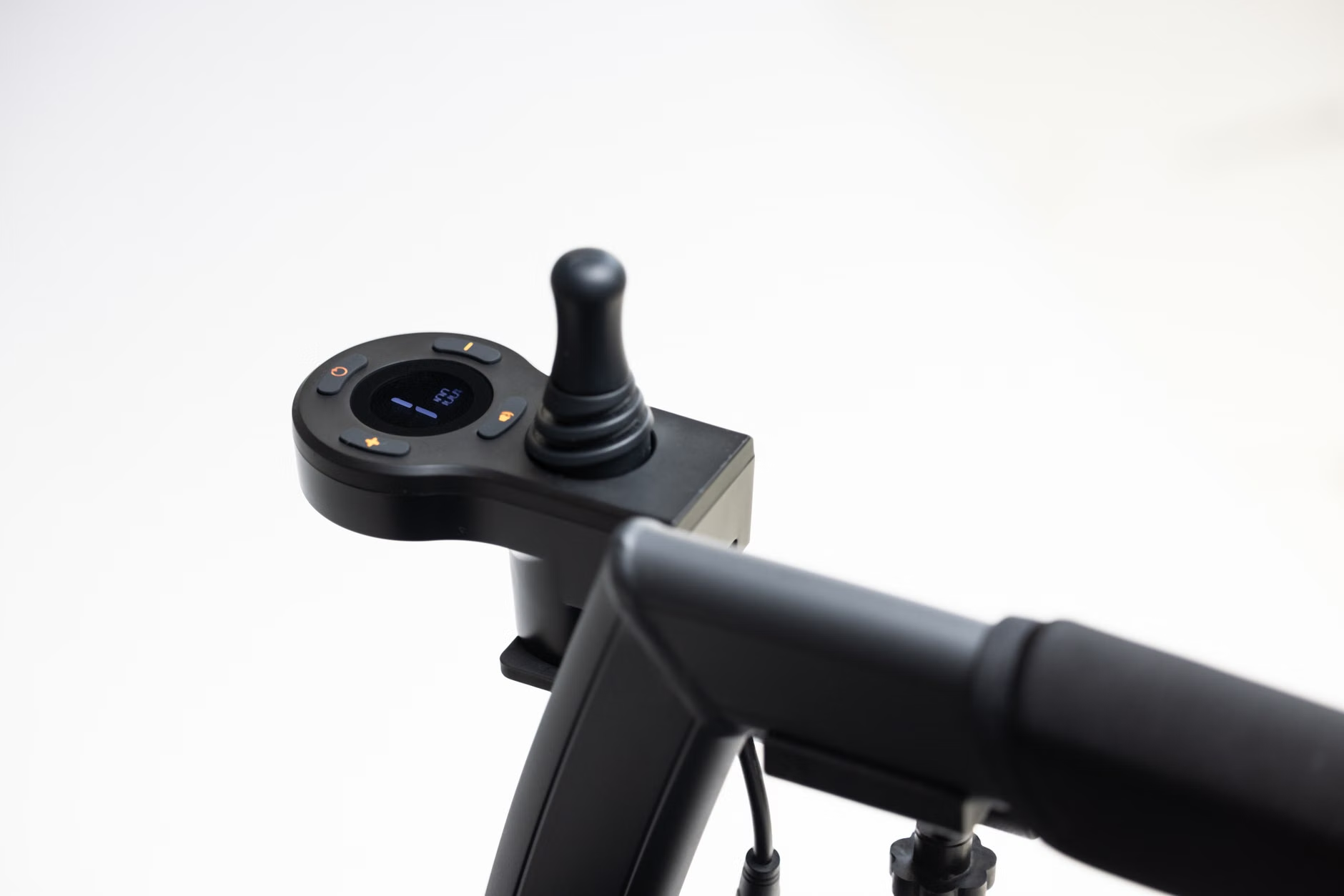
Before planning your next visit, it is helpful to understand what these changes look like in a real-world setting. When you evaluate a museum’s website or visit in person, look for these specific indicators of compliance with the 2026 standards.
| Feature | What to Look For | Why It Matters |
|---|---|---|
| Seating | Portable stools or benches every 50m. | Prevents over-exertion and allows for longer, more comfortable viewing. |
| Lighting | Indirect, matte-finished lighting. | Reduces glare, which is essential for those with cataracts or light sensitivity. |
| Wayfinding | High-contrast signs at eye level (1.5m). | Ensures navigation without neck strain or confusion in large halls. |
Practical Decision Rule: If a museum does not list “Seating Availability” on their accessibility page, call them directly and ask: “Do you provide portable gallery stools?” If the answer is no, consider bringing a lightweight, foldable cane-seat for your own comfort and stamina management.
Digital Accessibility and Independent Exploration
Technology is often a double-edged sword. While digital kiosks and mobile apps offer convenience, they can sometimes be frustrating if the interface is cluttered. The 2026 protocols require institutions to provide a “Senior Mode” on all digital devices.
What to expect from “Senior Mode” interfaces:
- Reduced Information Density: Screens will show fewer choices at once, focusing on core navigation (e.g., “Where is the restroom?” or “Show me the highlights”).
- Voice-Guided Options: Audio descriptions are now mandatory for all major exhibits, allowing you to listen to information while walking, rather than trying to read small text behind a glass case.
- Personalized Pacing: Apps now allow users to select “Short Tour” (30-45 minutes) versus “Extended Tour” (2+ hours), helping you manage your energy levels before you even enter the building.

Strategic Planning for Your Visit
To maximize your enjoyment, treat your museum visit as a planned activity rather than a spontaneous drop-in. This is especially important if you are visiting a large institution or a new city.
- Consult the Accessibility Portal: Most major museums now have a dedicated page. Look for terms like “Access,” “Inclusion,” or “Visitor Support.”
- Identify Quiet Hours: Many museums now offer “Quiet Mornings” on weekdays. This is the optimal time for those who find crowds or high noise levels stressful.
- Manage Your Transit: Check the museum’s website for the closest drop-off point. Many museums have updated their parking and drop-off zones to be closer to the main entrance to minimize walking distance.
Insight: An often overlooked variable is the “micro-climate” of the museum. Large, older buildings can be drafty or have uneven temperatures. Always dress in layers, even in summer, as the temperature inside a gallery can be significantly different from the outside air.
Addressing Common Concerns
It is natural to feel hesitant about navigating large public spaces. If you are worried about your mobility or stamina, remember that you are the customer. You have the right to request assistance. Most museums now have “Visitor Experience” staff trained to assist with equipment rentals and navigation.
If you have specific medical conditions, such as balance issues or a need for frequent rest, do not hesitate to use the equipment provided. Rental wheelchairs or walkers are not just for those who cannot walk; they are tools to help you preserve your energy so you can enjoy the entire exhibit rather than cutting your visit short due to fatigue.
The Future of Cultural Engagement
The 2026 protocols are a step toward a more inclusive future, but they are not yet universal in every small town or private gallery. As you travel, you will find that the implementation varies. In larger cities, you will likely find high compliance. In smaller, historical venues, there may be physical limitations due to the nature of the building itself.
The best approach is to be an informed advocate for your own needs. By checking websites, asking questions, and utilizing the new amenities provided under these protocols, you can ensure that your cultural outings remain a rewarding, stress-free part of your lifestyle. The goal is not just to see the art or history, but to do so in a way that respects your time, your comfort, and your physical wellbeing.
Frequently Asked Questions
- Q: Are these 2026 protocols legally binding for every museum worldwide?
A: No. These are industry standards adopted by major international museum associations. While they represent a global trend, individual countries and private institutions may have different timelines for implementation. Always check the specific museum’s website for their current accessibility policy. - Q: What should I do if a museum says they are “accessible” but I find it difficult to navigate?
A: Feedback is essential. Most museums have a “Visitor Services” email address. Document the specific area that caused difficulty—such as a lack of seating or poor lighting—and provide constructive feedback. This helps institutions refine their protocols based on real-world usage. - Q: Do I need to book my accessibility equipment in advance?
A: While many museums have a supply of wheelchairs or stools available on a first-come, first-served basis, high-traffic museums often allow you to reserve these items online at the same time you purchase your tickets. It is highly recommended to reserve ahead of time to avoid disappointment.
For further information on international standards, you can refer to the International Council of Museums (ICOM) guidelines, which provide the framework upon which many of these 2026 regional protocols are based.