Key Takeaways:
- Ergonomic Standards: 2026 global trends prioritize benches with firm, high-back support and solid armrests that assist in sitting down and standing up safely.
- Mobility Integration: New park designs now include “transfer zones” next to benches, specifically allowing space for wheelchairs and walkers, ensuring no obstruction to pathways.
- Strategic Placement: Modern urban planning is moving toward “chain seating” at 50-meter intervals to accommodate those with limited stamina, ensuring rest is always within reach.
Introduction: The Evolution of Public Spaces
As we move into 2026, the global approach to public infrastructure is undergoing a significant transformation. For adults aged 60 to 80, the availability and quality of park seating are no longer just matters of convenience—they are fundamental requirements for maintaining an active, independent lifestyle. The “Age-Friendly Cities” initiative, championed by the World Health Organization (WHO), has reached a new maturity level this year, with cities worldwide adopting technical standards that prioritize physical ergonomics and social inclusion.
This article explores what these 2026 trends mean for your daily routine. We will move beyond the aesthetic of park furniture to examine the structural changes designed to prevent falls, reduce joint strain, and encourage social participation. Whether you are a frequent walker, a caregiver, or an advocate for local urban improvements, understanding these standards will help you navigate public spaces more effectively and demand the infrastructure you deserve.
1. The Science of Supportive Seating: Beyond the Flat Bench
In the past, public park seating was often designed for durability and low maintenance rather than human biology. The 2026 trend shifts toward “active support.” A standard flat bench often forces a user to rely entirely on their core muscles and knee strength to transition from sitting to standing. This is a common point of failure for joint health.
The Anatomy of a 2026-Standard Bench
To identify if a park bench meets modern age-friendly criteria, look for the following three specific features:
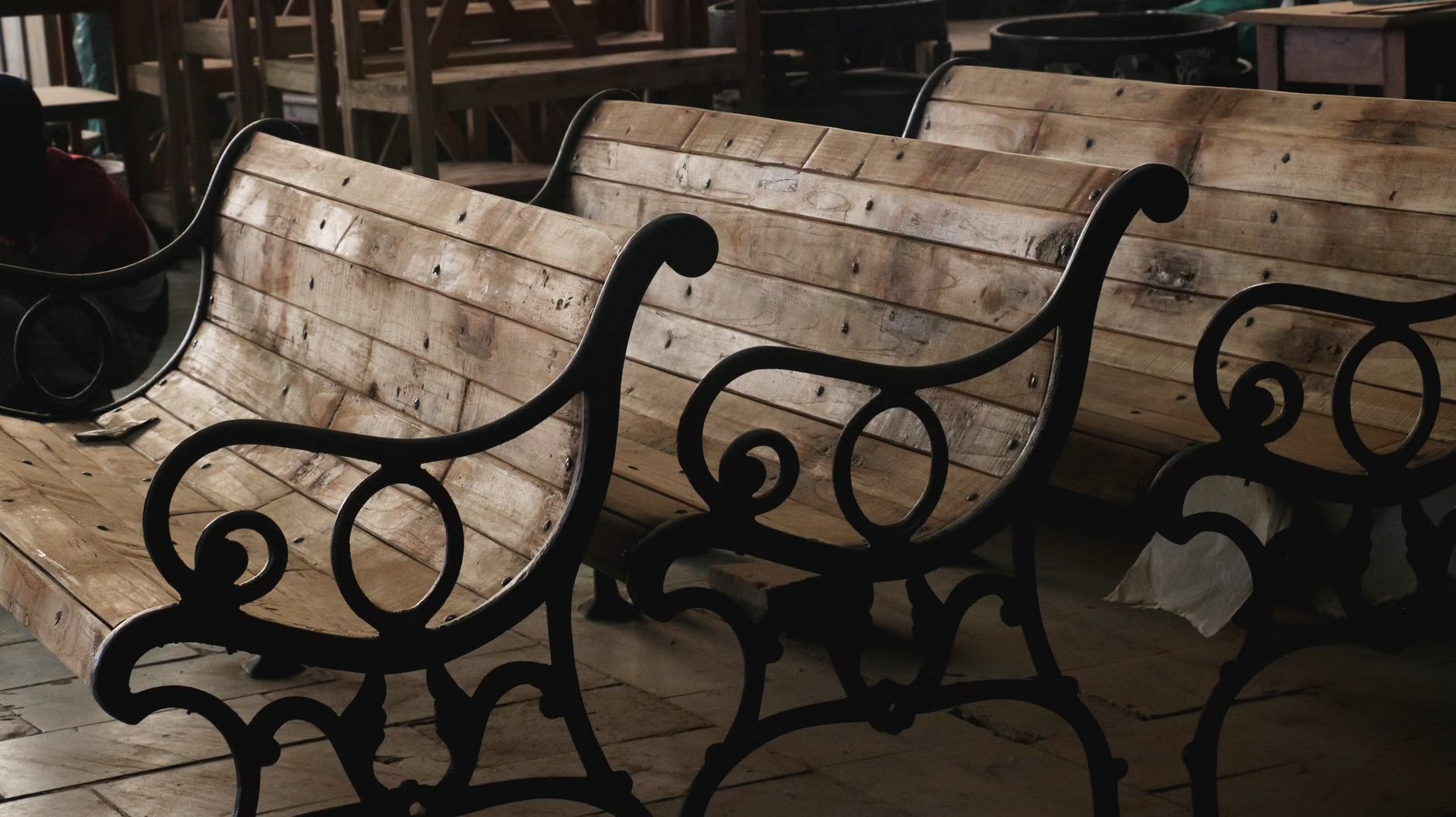
- Full-Length Armrests: These are not merely for comfort; they are essential mechanical supports. They must be firm and extend to the very front edge of the seat to provide leverage when rising.
- Seat Depth and Angle: The seat should have a slight “posterior tilt” (the back is lower than the front). This prevents the user from sliding forward and encourages a posture that reduces lumbar strain.
- Material Temperature Regulation: High-performance composite materials are replacing cold metal. These materials maintain a neutral temperature, preventing thermal shock or discomfort when sitting during cold or hot weather.
Why This Matters for Your Daily Routine
When you have reliable armrests, you reduce the “sit-to-stand” exertion by approximately 30%. For an individual managing arthritis or general muscle fatigue, this reduction is the difference between feeling confident to walk for an hour versus being limited to 15 minutes. It is a preventative measure against the fear of falling, which is a primary reason many older adults limit their outdoor activity.
2. Mobility-First Infrastructure: The “Transfer Zone” Concept
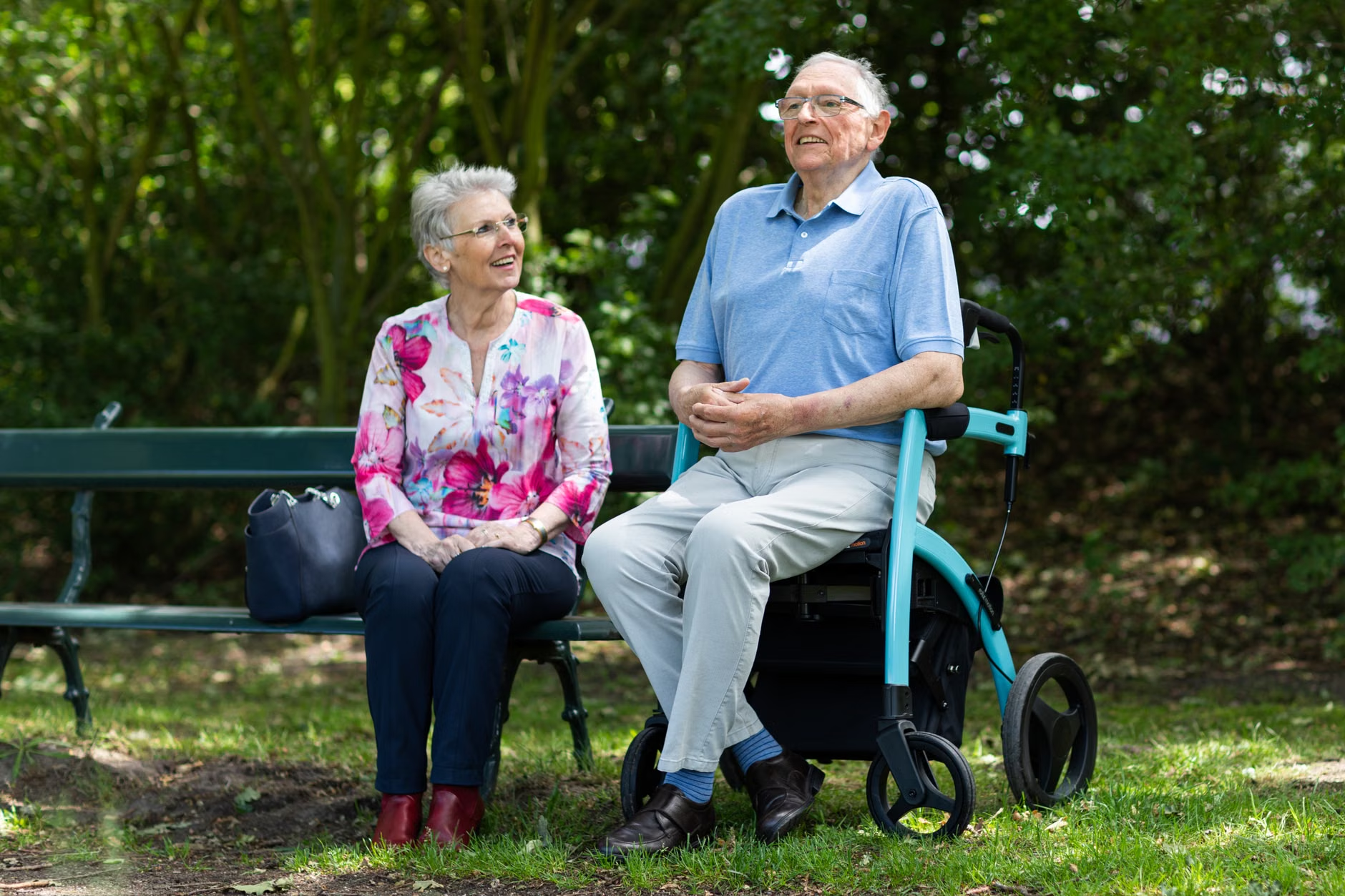
A major trend in 2026 is the integration of “Transfer Zones.” Older adults often use mobility aids such as walkers, canes, or motorized scooters. Historically, placing a bench near a path meant the user would have to park their mobility aid in the middle of the walking lane, creating a hazard for others and causing anxiety for the user.
What a Transfer Zone Looks Like
Modern design now requires a designated flat, paved surface immediately adjacent to the bench. This is distinct from the main walkway. It is wide enough (typically 90cm to 120cm) to allow a walker to be parked parallel to the bench without encroaching on pedestrian traffic. This allows you to transfer from your aid to the seat in a single, controlled movement.
Practical Decision Rule for Your Walks
When choosing a route, prioritize parks that utilize “offset seating.” If you see a bench placed directly on the main path, it is likely an older design. If you see a bench set back into a small, paved alcove, this is a 2026-standard design. Always opt for the alcove; it provides more privacy, less noise, and a safer environment for handling your mobility aids.
3. The “50-Meter Rule” and Stamina Management
Urban planners in 2026 are increasingly adopting the “50-meter interval” rule for high-traffic pedestrian areas in public parks. This rule suggests that an individual should never be more than 50 meters away from a resting point. While this sounds like a simple distance metric, it is a game-changer for stamina management.
Calculating Your Own Comfort Radius
If you are planning a longer trip to a new, unfamiliar park, do not hesitate to look at the park’s official digital map. Most modern municipal websites now offer “accessibility layers” on their interactive maps. Use these to verify the frequency of seating.
| Feature | Old Standard | 2026 Modern Trend |
|---|---|---|
| Seating Interval | Every 200–500 meters | Every 50 meters (high density) |
| Armrest Presence | Optional or absent | Mandatory (full-length) |
| Surface Material | Metal or wood | Temperature-neutral composite |
| Mobility Access | None (on path) | Dedicated transfer zone |
The comparison table above highlights that 2026 design is not just about “more” seating, but “better” seating. If you find yourself in an area with “Old Standard” seating, consider using a lightweight, foldable cane seat if your stamina is a concern. Do not wait until you are exhausted to look for a seat; use the 50-meter principle to take short, frequent rests.
4. Social Connectivity: The Shift to Circular Seating
Isolation is a significant risk factor for health in the 60-80 age demographic. 2026 trends are moving away from the “linear” bench—where everyone faces the same direction—toward “social clusters.” These are circular or semi-circular arrangements that facilitate face-to-face conversation.
Why Circular Seating is a Wellness Intervention
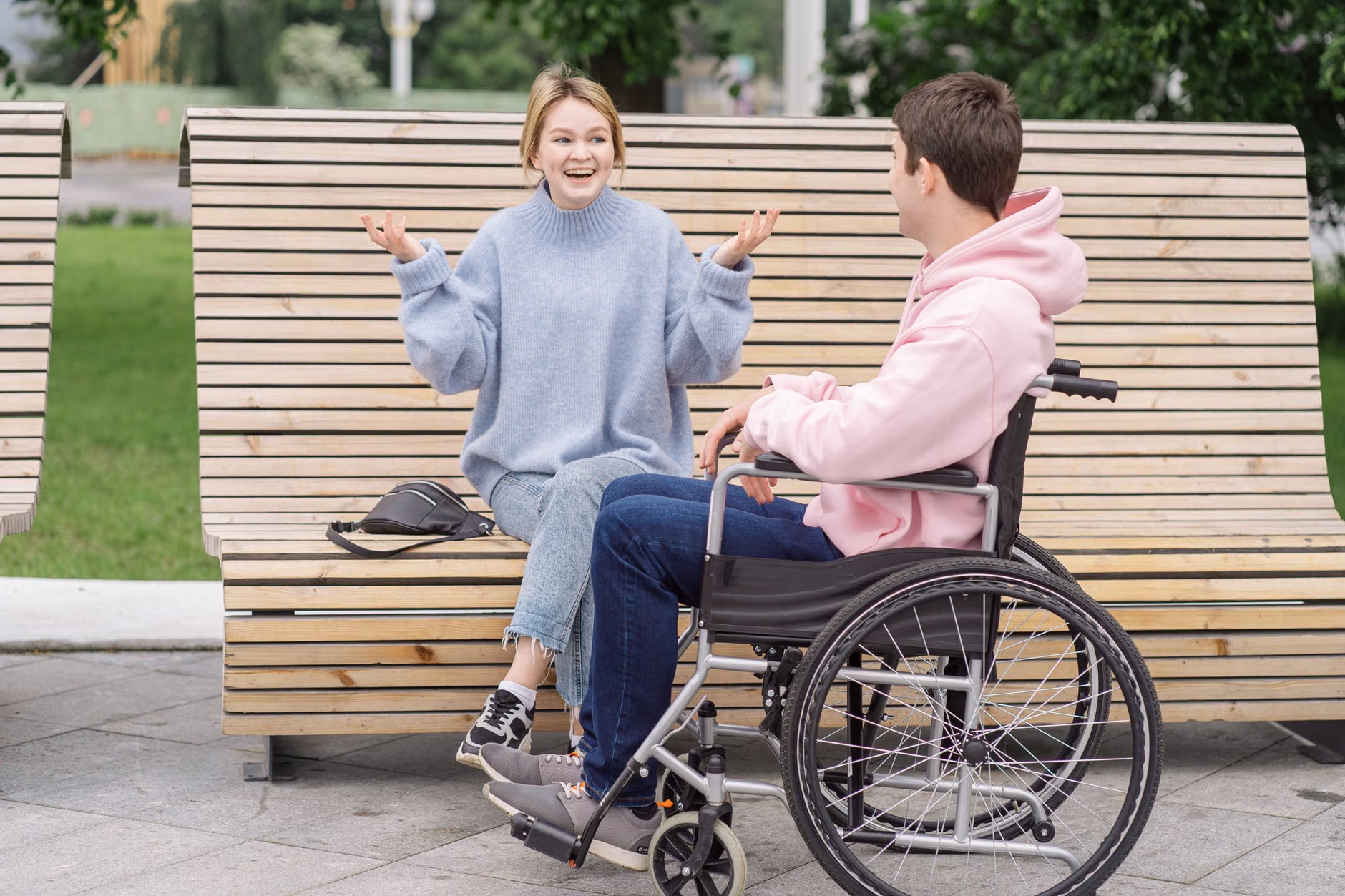
Face-to-face interaction is cognitively more stimulating than sitting side-by-side. It encourages eye contact, which is vital for non-verbal communication and emotional bonding. If you are looking to increase your social activity, seek out parks that have installed these “community hubs.” These are often located near playgrounds or central plazas, providing a multi-generational atmosphere that can be very uplifting.
If your local park does not meet these standards, it is important to know that these are not just “nice-to-haves”—they are often tied to municipal accessibility laws. In many jurisdictions, such as those governed by the Americans with Disabilities Act (ADA) in the United States or the Equality Act in the UK, public spaces are legally required to provide reasonable accommodations.
How to Take Action
- Document the Issue: If a bench is broken or poorly placed, take a photo. Note the location.
- Identify the Authority: Determine if the park is managed by the city, county, or a private board.
- Use Official Channels: Most modern cities have “311” or similar non-emergency reporting apps. Use these to file a formal request for “Age-Friendly Seating Upgrades.”
- Focus on Safety: When making a request, emphasize the safety aspect (e.g., “The lack of armrests makes this bench a fall risk for seniors”) rather than just comfort. Safety requests are prioritized by municipal departments.
6. Hidden Inconveniences: What to Watch Out For
Even in parks that claim to be “senior-friendly,” there are often overlooked variables that can affect your experience. One such variable is glare and lighting. In 2026, high-quality parks are installing anti-glare coatings on seating surfaces. If you are sensitive to sunlight, look for benches that are positioned under deciduous trees or have integrated shade structures.
Another overlooked issue is ground texture. A bench might be perfect, but if the path leading to it is uneven, loose gravel, or has a steep incline, it is inaccessible. Always check the “approach” to the seating area. If the ground is not level, the bench is effectively useless for those with balance concerns.
7. Preparing for Your Next Park Visit
To maximize your comfort and safety, treat your park visit as a planned activity. Here is a brief checklist for your next outing:
- Check the Map: Use your smartphone to check if the park has marked accessibility paths.
- Pack Appropriately: Even if you expect plenty of seating, carry a small, portable seat cushion if you have lower back sensitivity.
- Time Your Visit: Mid-morning (10:00 AM) or late afternoon (4:00 PM) are often the best times. Parks are less crowded, and the seating is easier to access without competing with younger crowds or school groups.
- Record Your Route: If you find a perfect, accessible bench, save the location on your phone’s map app. Build your own “accessible route” for future walks.
Conclusion: Taking Control of Your Environment
The 2026 global trends in age-friendly seating represent a shift from designing for the “average” user to designing for the “capable” user—someone who may need a bit more support but is fully committed to staying active. By understanding the importance of armrests, transfer zones, and strategic seating intervals, you can make informed decisions about where you spend your time.
Remember, you do not have to settle for infrastructure that is difficult to use. You are an active participant in your community. By knowing what to look for and how to advocate for these standards, you are not only improving your own quality of life but also helping to shape a more inclusive environment for everyone. Start by evaluating your local park this week—you might be surprised by how much difference a single, well-designed bench can make.
Frequently Asked Questions (FAQ)
1. Are these new seating standards legally binding globally?
No, there is no single global law. However, international guidelines like the WHO’s Age-Friendly Cities framework serve as the gold standard that many local and national governments are adopting into their building codes. Check your specific local council or municipal planning department for the regulations applicable to your region.
2. What should I do if a bench is in a good location but is physically uncomfortable?
If the bench is structurally sound but uncomfortable, consider using a portable, high-density foam seat cushion. These are inexpensive, lightweight, and can significantly improve the ergonomics of older, harder surfaces. If the bench is actually dangerous or broken, report it to your local municipal park authority.
3. How can I find out if a park in my city has “Age-Friendly” certification?
Many cities now have dedicated “Accessibility” or “Age-Friendly” pages on their official government websites. Look for a list of certified parks or an interactive map that filters by “accessible seating” or “paved, level paths.” If your city does not have this, you can inquire via your local representative’s office about their progress toward age-friendly urban planning.
For further information on global age-friendly standards, visit the WHO Age-Friendly World portal.