Choosing the right historic plaza tour requires balancing the desire for cultural immersion with the practical realities of mobility, stamina, and infrastructure. For travelers aged 60 to 80, the difference between a memorable experience and a physically exhausting one often lies in the pre-trip assessment of the site’s accessibility features.
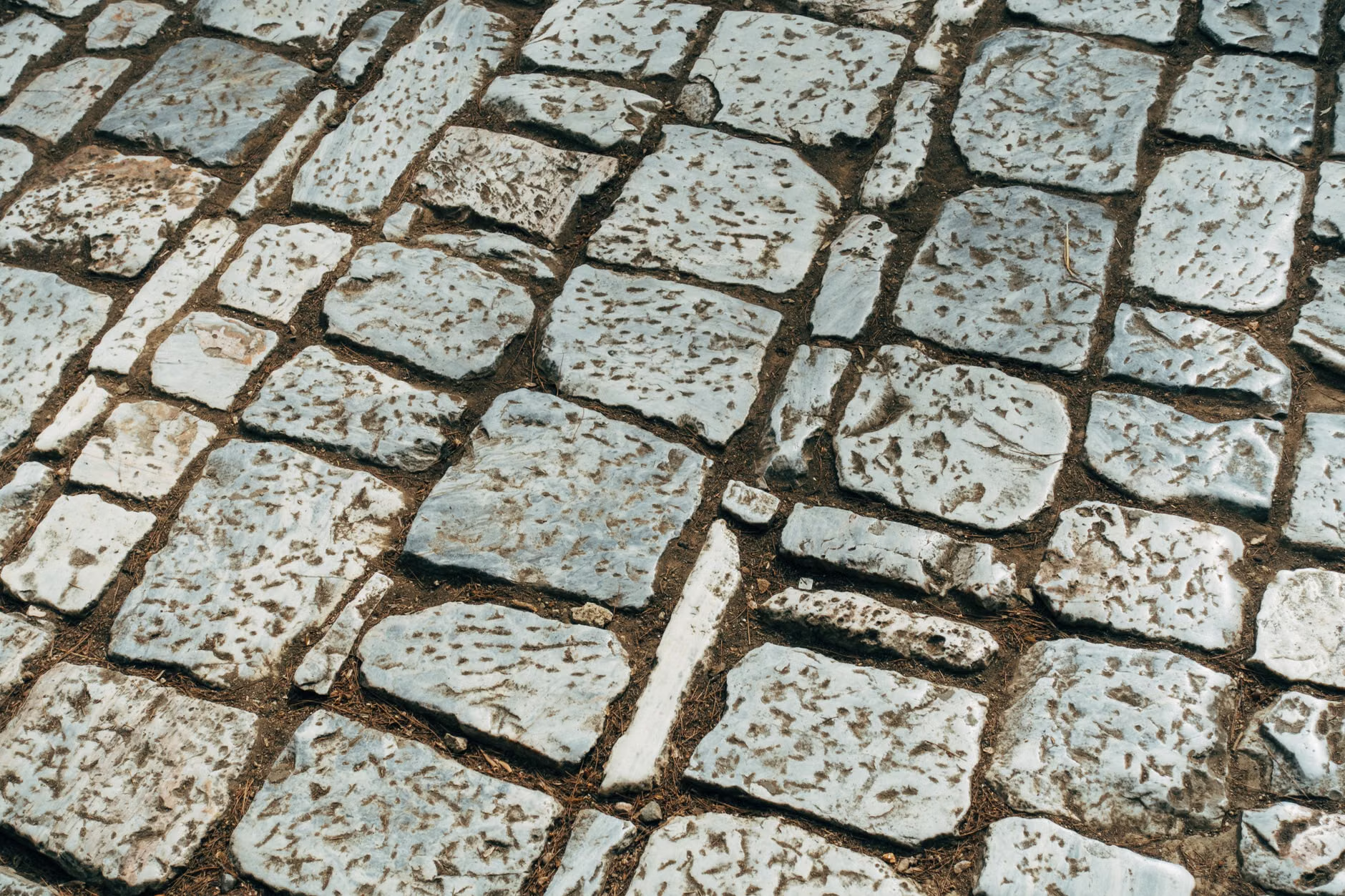
- Prioritize Surface Quality: Historic plazas are often paved with cobblestones, which pose significant trip hazards; prioritize tours that verify flat, paved, or ramp-accessible routes.
- Verify Rest Infrastructure: A tour is only as accessible as its resting points; always confirm the availability of seating and shaded areas along the planned walking path.
- Control Your Pacing: Opt for “slow-travel” itineraries that limit walking to 30-minute intervals followed by 15-minute rest periods to maintain stamina throughout the day.
Understanding the Physical Challenges of Historic Plazas
Historic plazas, by their very nature, were constructed long before modern accessibility standards were established. While many cities have retrofitted these spaces, significant variations remain. The primary challenges for older adults include uneven terrain, lack of handrails, and long distances between public amenities.
When selecting a tour, it is not enough to ask if a site is “historic.” You must investigate the specific modifications made to the site. Are there cobblestones that are loose or uneven? Is the slope of the plaza manageable for someone using a cane or walking aid? These factors determine whether your energy is spent enjoying the architecture or focusing entirely on your footing.
The “Surface-First” Assessment Strategy
Before booking, evaluate the ground surface. A “historic site” might be marketed as a pedestrian zone, but that does not guarantee it is suitable for those with limited balance. Look for:
- Paving Material: Smooth stone or concrete strips are ideal. Avoid sites predominantly featuring large, rounded “river stone” or uneven, deep-grooved cobblestones.
- Gradients and Inclines: Many historic squares were built on hills or slopes. Check if the tour route involves significant elevation changes. A 5% gradient is often the maximum comfortable limit for unassisted walking.
- Width of Paths: Ensure that the tour path is wide enough to accommodate not just you, but other pedestrians, preventing the need to step onto uneven ground to pass others.

Selecting the Right Tour Operator
Not all tour operators understand the needs of mature travelers. A generic “walking tour” may assume a pace and physical capacity that is not representative of all age groups. When interviewing or researching tour providers, ask specific, technical questions rather than general ones.
| Question to Ask | What to Look For in the Answer |
|---|---|
| “What is the average walking distance per hour?” | A clear answer under 1km per hour, including breaks. |
| “Are there specific, designated rest stops?” | The operator should identify benches, cafes, or landmarks where sitting is possible. |
| “What is the policy if I need to skip a portion of the walk?” | A flexible policy allowing you to meet the group at the next stop via taxi or public transport. |
The table above highlights that the best operators provide contingency planning. If a tour is “all or nothing,” it carries a higher risk of physical strain. Look for operators who offer “hop-on, hop-off” style walking tours or those that integrate local transport, such as low-floor trams or electric shuttles, to bridge the gaps between major plaza features.
The Importance of Independent Verification
Do not rely solely on promotional photos. Use satellite views on map applications to inspect the density of seating in the target plaza. If the area looks like a vast, open, and empty space, it likely lacks shade and seating. Modern accessibility audits for major European and North American cities are often available on official municipal tourism websites. Search for “accessibility guide” or “mobility map” for the specific city you are visiting.

Managing Stamina and Recovery
Even the most accessible tour will be tiring. The key is to manage your energy reserves as a finite resource. A common mistake is planning back-to-back tours. For every hour of guided walking, plan for at least 30 minutes of sedentary activity, such as a sit-down lunch or a visit to a museum with ample seating.
Consider the “1:1:1 Rule” for planning your daily itinerary:
- 1 Major Activity: One guided tour or significant site visit in the morning.
- 1 Long Break: A substantial lunch break of at least 90 minutes.
- 1 Optional Activity: An afternoon session that is low-impact, such as a boat tour or a scenic bus ride, rather than more walking.
Hydration and Climate Considerations
Historic plazas are often “heat islands.” The stone surfaces absorb and radiate heat, making the temperature in the center of the square significantly higher than in surrounding shaded streets. Always carry a collapsible water bottle and monitor your hydration levels. If you are traveling in summer, prioritize tours that start before 10:00 AM or after 4:00 PM to avoid peak solar intensity.
Logistical Preparedness for Mobility Aids
If you use a cane, walker, or travel wheelchair, your requirements are even more specific. Ensure that the tour operator confirms the availability of accessible toilets along the route. In many historic districts, public toilets are located in basement levels or require climbing stairs. A professional tour guide should be able to direct you to street-level, wheelchair-accessible facilities in nearby hotels or public buildings.
If you are traveling with a companion, discuss the route beforehand. If you use a wheelchair, confirm the width of any doorways or corridors included in the tour. Many historic buildings have narrow, centuries-old entryways that may not accommodate standard mobility equipment.
Legal and Consumer Protection
When booking, ensure you understand the cancellation policy, especially regarding health-related changes. In many jurisdictions, travel insurance is highly recommended. Ensure your policy explicitly covers “pre-existing conditions” if you have any, and that it includes provisions for medical repatriation if a mobility-related incident occurs.
For those traveling within the European Union, the EU Passenger Rights portal provides comprehensive information on assistance for travelers with reduced mobility. Similar resources are available through the Americans with Disabilities Act (ADA) documentation for travel within the United States.
Conclusion
Selecting an accessible historic plaza tour is about proactive preparation rather than hoping for the best. By vetting the surface quality, confirming rest infrastructure, and managing your daily pace, you can enjoy the historical richness of global cities without compromising your physical well-being. Focus on quality over quantity, and always ensure that your tour operator understands your specific mobility requirements before you finalize your booking.
Frequently Asked Questions
- How do I find out if a specific historic plaza is wheelchair accessible?
Check the official tourism website of the city. Most major destinations now provide “accessibility maps” that highlight step-free routes and the location of accessible public toilets. If this is not available, look for recent visitor reviews on travel forums that specifically mention mobility experiences.
- What should I do if I get tired during a walking tour?
Communicate with your guide immediately. A professional guide should be prepared to suggest a nearby seating area or arrange for a taxi to pick you up at the next scheduled stop. Always carry the contact information of the tour company with you.
- Are there specific times of day that are better for senior travelers?
Yes, early morning (before 10:00 AM) and late afternoon (after 4:00 PM) are generally better. These times are less crowded, cooler, and the light is often better for photography, reducing the stress of navigating through large, fast-moving crowds.