- Weight is a mobility factor: Every additional kilogram in your luggage increases physical strain, directly impacting your stamina and energy for sightseeing at high altitudes.
- Prioritize physiological support: Packing for altitude is not about fashion; it is about managing hydration, oxygen monitoring, and temperature regulation through smart layering.
- The “Minimalist” Rule: Adopt a capsule wardrobe approach and leverage local resources to minimize the physical burden of transit, keeping your total load under 10kg for maximum comfort.
For many travelers aged 60 to 80, the prospect of visiting high-altitude destinations—such as the Andes, the Himalayas, or even high-elevation mountain towns in Europe and North America—is an exciting adventure. However, the physical reality of thin air, reduced oxygen levels, and often unpredictable terrain requires a strategic approach to packing. Minimalist travel is not merely a trend; for the senior traveler, it is a vital strategy to conserve energy, maintain mobility, and reduce the physical tax of navigating transit hubs and accommodation.
The Physics of Packing: Why Less is More at Altitude
At higher altitudes, your body works harder simply to maintain baseline functions due to lower oxygen partial pressure. Carrying a heavy suitcase through an airport, up a flight of stairs in a hotel without an elevator, or along cobblestone streets in a mountain village can trigger premature fatigue. This fatigue often masks the early warning signs of altitude-related health issues, such as mild dehydration or early-stage Acute Mountain Sickness (AMS).
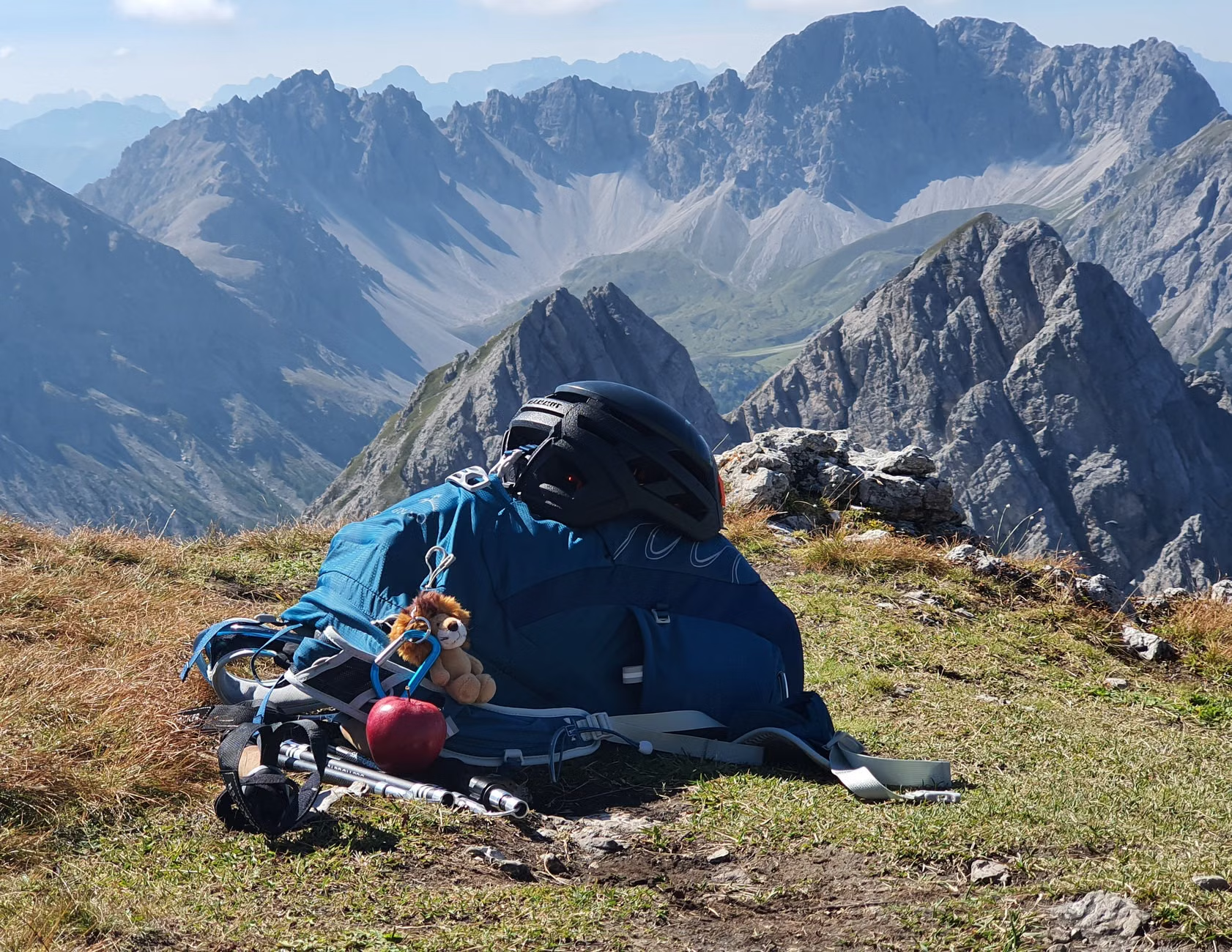
When you pack minimalist-style, you are not just saving space; you are protecting your stamina. A lighter load means you can move more fluidly, react faster to uneven surfaces, and spend more time enjoying the destination rather than recovering from the physical effort of moving your belongings. The goal is to keep your total luggage weight—including your daypack—well under 10 kilograms (22 lbs). This threshold is generally manageable for most travelers, allowing for independent movement without the need for constant assistance.
Essential Gear: What Actually Matters at High Elevation
Minimalism does not mean sacrificing health or safety. In fact, it requires a more deliberate selection of items. You must prioritize gear that serves multiple functions or directly addresses the physiological challenges of high altitude.
1. The Physiological Toolkit
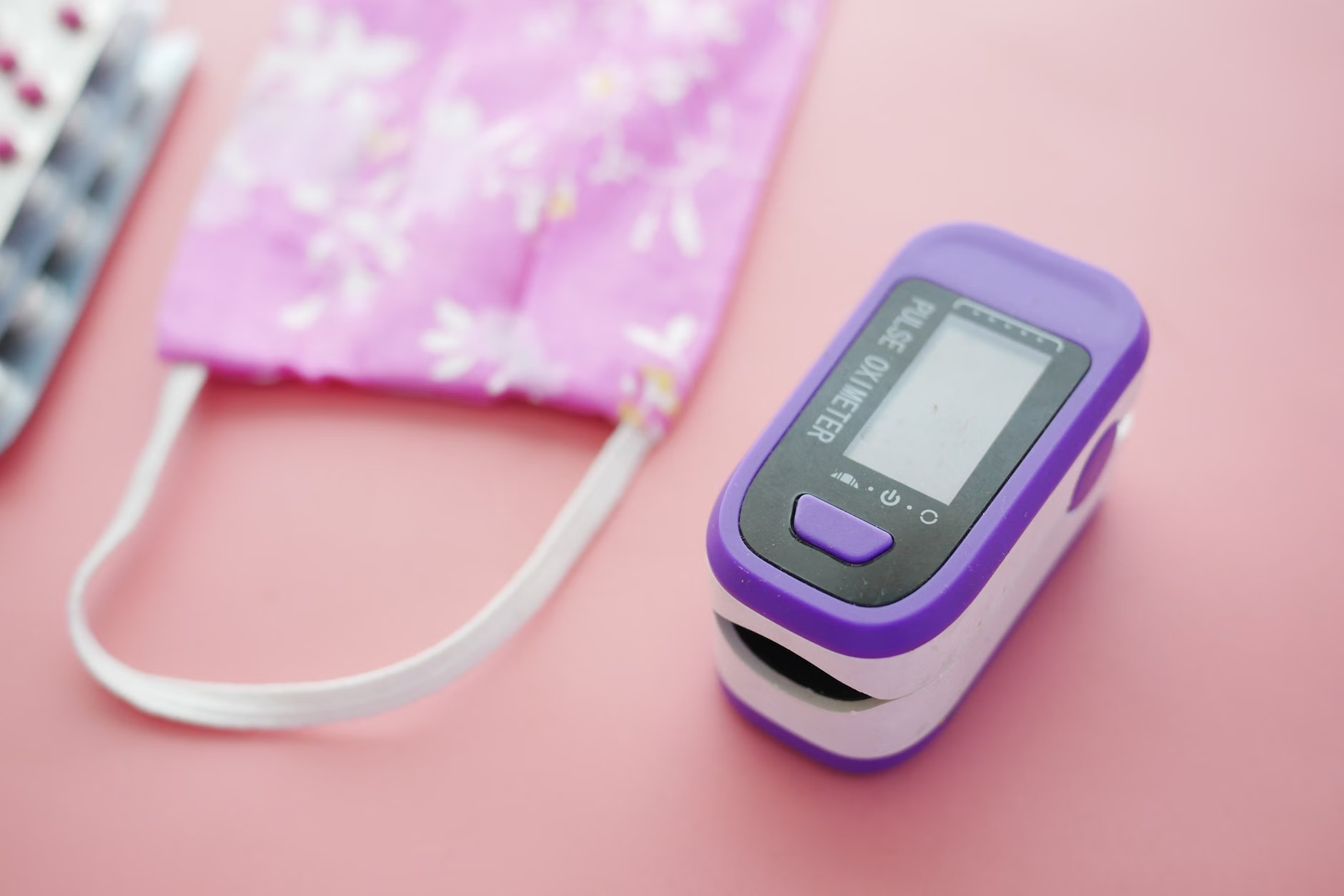
At altitude, you need to monitor your body’s response to the environment. A small, portable pulse oximeter is an essential tool. It provides an objective reading of your blood oxygen saturation (SpO2) and heart rate. While a minor drop is expected, knowing your baseline helps you identify when you need to rest or descend.
- Hydration Systems: Dehydration is a significant risk at high altitudes due to low humidity and increased respiratory water loss. Carry a lightweight, insulated water bottle that keeps fluids at a comfortable temperature.
- Sun Protection: UV radiation intensity increases with altitude. A wide-brimmed hat, polarized sunglasses, and high-SPF sunscreen are not “extras”; they are non-negotiable health gear.
2. Clothing: The Layering Framework
High-altitude climates are defined by volatility. You may experience intense sun at midday and freezing temperatures after sunset. The “three-layer” system remains the gold standard for minimalist packing:
| Layer Type | Function | Material Recommendation |
|---|---|---|
| Base Layer | Moisture management | Merino wool or synthetic blend (avoids cotton) |
| Mid Layer | Insulation | Lightweight fleece or down vest |
| Outer Layer | Wind/Water protection | Gore-Tex or similar breathable shell |
By choosing lightweight, packable layers, you can adjust to temperature changes throughout the day without carrying a heavy, singular winter coat. This modularity is key to managing physical comfort while keeping your luggage footprint small.
Strategic Packing: The “Ready-to-Move” Checklist
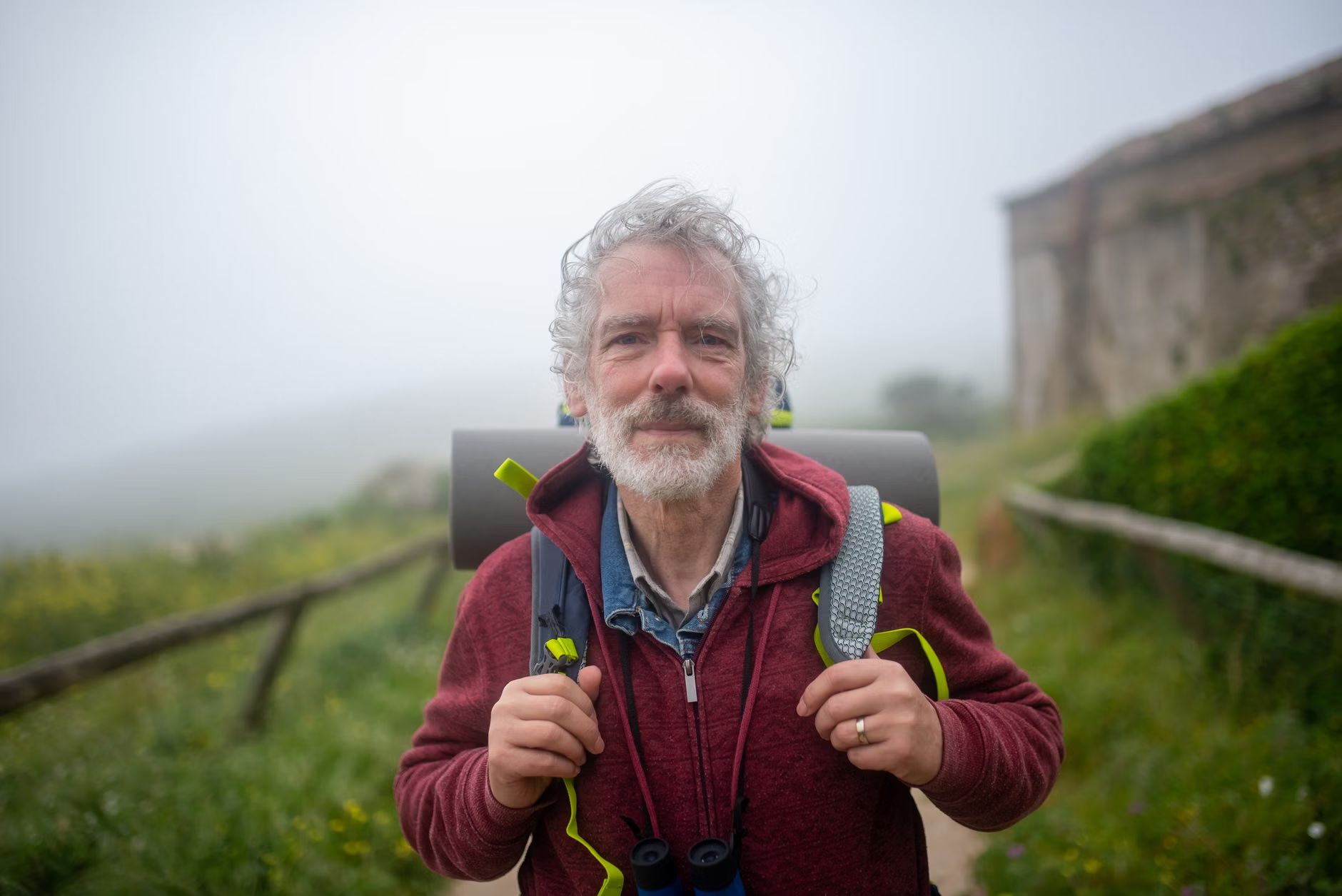
To achieve a minimalist setup, you must shift your mindset from “what if I need this?” to “what will I use every day?” Here is a practical approach to building your kit:
The 5-Day Rule
Regardless of the length of your trip, pack for only five days. If you are traveling for two weeks, plan to do laundry once or twice. Many hotels in mountain regions offer laundry services, or you can carry a small travel-sized packet of biodegradable detergent to wash undergarments in a hotel sink. This simple shift reduces your clothing volume by 60%.
Footwear and Mobility
Footwear is your heaviest item. Wear your heaviest, most supportive shoes (e.g., walking boots) on the plane or train to save space and weight in your luggage. Pack only one additional pair of lightweight, comfortable walking shoes for indoor use or light strolling. Ensure your footwear has been “broken in” at least two weeks before departure to avoid blisters, which can be particularly debilitating at high altitudes where recovery is slower.
Medication Management
If you take daily medications, pack them in a clear, labeled, and moisture-proof container. Always carry a copy of your current prescription list and a doctor’s letter in your carry-on luggage. Never pack your only supply of essential medication in checked luggage, as lost baggage could cause a critical health risk.
Minimalism also applies to your medical kit. You do not need an entire pharmacy, but you should carry a targeted, compact kit that addresses the most common altitude-related concerns. Always consult your primary healthcare provider before traveling to high altitudes, especially if you have existing cardiovascular or respiratory conditions.
Warning Signs of Altitude Issues: If you experience persistent, throbbing headaches, nausea, dizziness, or unusual shortness of breath at rest, these are potential indicators of Acute Mountain Sickness (AMS). In such cases, the most effective treatment is to descend to a lower altitude immediately. Do not attempt to “push through” or ignore these symptoms.
For further information on altitude health, the Centers for Disease Control and Prevention (CDC) provides comprehensive guidance on altitude illness prevention: CDC Altitude Illness Guide.
Advanced Tips for the Experienced Senior Traveler
Beyond the basics, consider these insights to refine your travel experience:
- Digital Minimalism: Replace heavy guidebooks with digital versions on a tablet or smartphone. Ensure you download offline maps, as cellular service can be inconsistent in mountainous regions.
- The “Daypack” Strategy: Your daypack should be a high-quality, ergonomic bag with a waist strap. A waist strap transfers the weight from your shoulders to your hips, which is essential for maintaining balance and reducing spinal strain.
- Electrolytes: At high altitudes, your body loses electrolytes faster. Pack a small supply of flavorless electrolyte powder packets to add to your water bottle. This is more effective for hydration than plain water alone and takes up almost zero space.
The success of a high-altitude trip is rarely defined by how much gear you have, but rather by how well you have prepared your body and your plans for local conditions. By focusing on weight reduction, layered protection, and physiological monitoring, you ensure that your trip remains an enjoyable exploration rather than a test of physical endurance.
Conclusion: The Minimalist Mindset
Minimalist packing is ultimately an act of self-care. By reducing the physical burden of your luggage, you increase your capacity for spontaneity and ensure that you remain the master of your own mobility. Start your packing process by laying everything out on a bed and removing 30% of what you think you need—you will likely find that you have everything necessary for a safe, comfortable, and memorable adventure in the mountains.
Frequently Asked Questions (FAQ)
1. How do I know if I am physically prepared for high-altitude travel?
Before booking your trip, schedule a consultation with your doctor. Discuss your current fitness level, medications, and any history of heart or lung issues. If you are generally active, you are likely prepared, but a health screening ensures there are no hidden contraindications for the lower oxygen levels you will encounter.
2. Is it better to bring a suitcase or a backpack?
For high-altitude destinations with potentially uneven terrain, cobblestones, or steep paths, a high-quality, lightweight, wheeled backpack is often the best compromise. It allows you to roll your bag on smooth surfaces but provides the option to carry it on your back when stairs or rough ground make wheels impractical.
3. What should I do if I feel dizzy or unwell upon arrival?
If you experience symptoms of altitude sickness, prioritize rest and hydration. Avoid strenuous activities for the first 24 to 48 hours to allow your body to acclimatize. If symptoms persist or worsen, do not hesitate to seek local medical assistance. It is always better to err on the side of caution and prioritize your health over your itinerary.
Disclaimer: This article is for informational purposes and does not constitute medical advice. Always consult with your healthcare provider before traveling to high altitudes, especially if you have pre-existing health conditions.