- Toe-spread exercises help maintain the intrinsic muscle strength required for a stable gait and effective balance.
- Consistency is more important than intensity; performing these seated movements for 5-10 minutes daily is sufficient for functional maintenance.
- If you experience numbness, persistent pain, or structural deformities, consult a podiatrist before starting any new exercise routine.
Maintaining balance is fundamentally tied to the health of our feet. As we age, the small, intrinsic muscles within the feet often weaken, leading to a loss of dexterity and stability. Seated toe-spreads are a simple, low-impact exercise that can be performed anywhere to help maintain the foot’s structural integrity and support better balance during daily activities.
Understanding the Role of Intrinsic Foot Muscles in Balance
The human foot is a complex structure consisting of 26 bones, 33 joints, and over 100 muscles, tendons, and ligaments. While we often think of our legs as the primary drivers of movement, the intrinsic muscles—those located entirely within the foot—are the unsung heroes of balance. They act as the “core” of your feet, providing the necessary tension to support your arches and adjust to uneven surfaces.
When these muscles weaken, the foot becomes less responsive. This can manifest as a feeling of instability, difficulty walking on uneven ground, or a reliance on clunky, overly supportive footwear that further weakens the foot. By practicing toe-spreads, you engage these muscles directly, helping to maintain the “tripod” of the foot: the heel, the base of the big toe, and the base of the little toe. Strengthening this foundation is a proactive step toward preventing slips and stumbles.
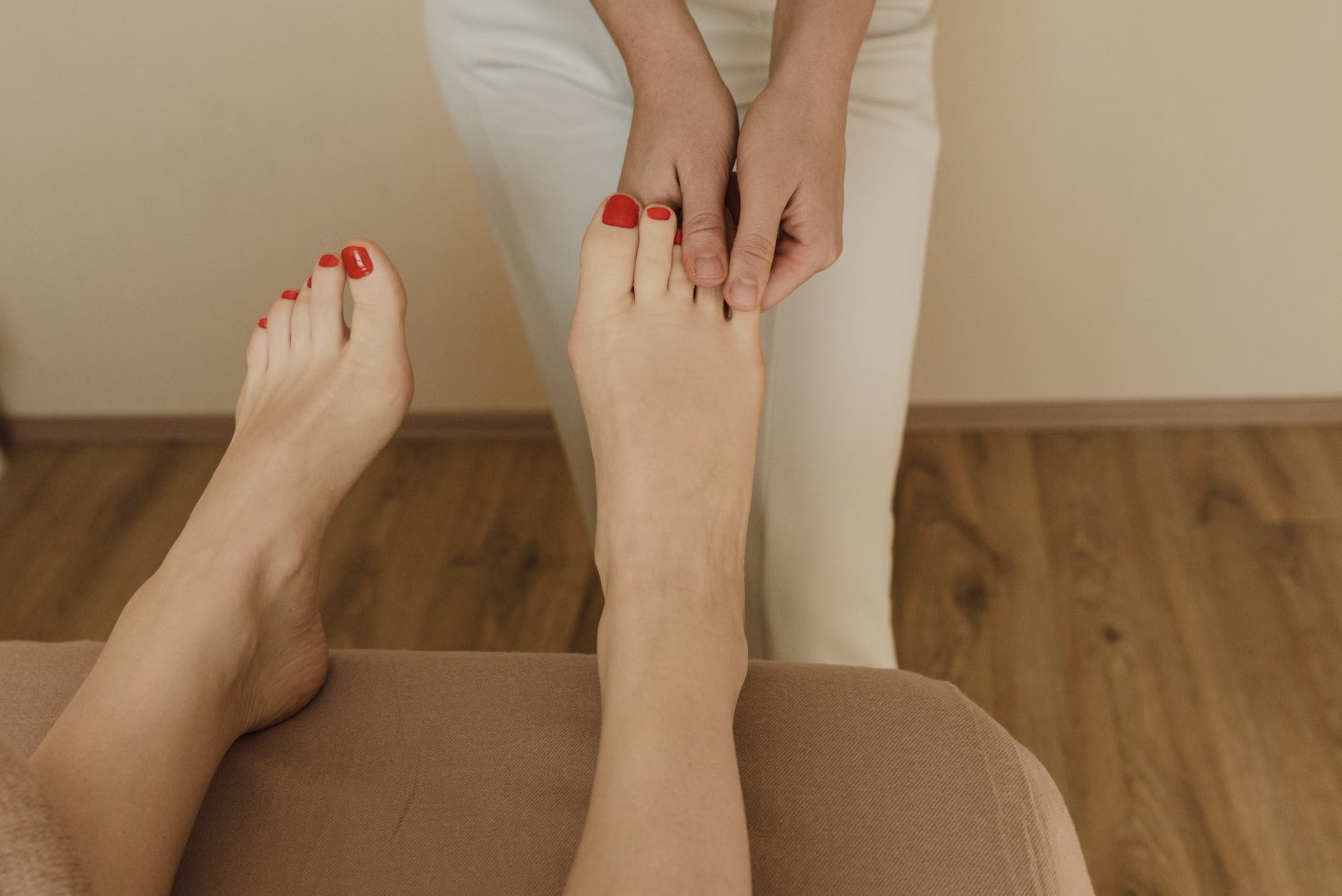
The Science of Toe Mobility and Fall Prevention
Research suggests that toe strength and mobility are significantly correlated with balance performance in older adults. A study published in journals focused on geriatric physical therapy indicates that individuals with greater toe-grip strength demonstrate better postural control. When you spread your toes, you increase the surface area of your base of support, which provides a more stable foundation for the body’s center of mass.
In real-world terms, imagine walking on a sidewalk with a slight incline or stepping over a small threshold. Your feet need to make micro-adjustments to keep you upright. If your toes are stiff or weak, your brain receives less sensory feedback from the ground, and your foot cannot adjust its shape to compensate for the terrain. Toe-spreads, while simple, are essentially a “strength training” session for these micro-adjustments.
Why Seated Exercises are Ideal for Seniors
Seated exercises remove the challenge of gravity and the risk of falling during the movement itself. This makes them highly accessible for individuals with varying levels of stamina or those who may have balance-related conditions. You can perform these while watching television, reading, or sitting at your desk, ensuring they easily integrate into your daily routine without requiring specialized equipment or a dedicated gym environment.
Step-by-Step Guide to Seated Toe-Spreads
To maximize the benefits of this exercise, technique and consistency are paramount. Follow these steps to ensure you are targeting the right muscle groups effectively.
| Step | Action | Key Focus |
|---|---|---|
| 1. Positioning | Sit in a sturdy chair with your feet flat on the floor. | Ensure your hips are level and your back is supported. |
| 2. Preparation | Remove your shoes and socks to allow for full range of motion. | The foot needs to be unconstrained to feel the floor. |
| 3. Execution | Try to lift and spread your toes as wide as possible. | Focus on the gap between the big toe and the second toe. |
| 4. Hold | Hold the spread for 3 to 5 seconds. | Do not hold your breath; keep breathing naturally. |
| 5. Release | Relax the toes completely for 3 seconds. | This recovery is vital for preventing muscle cramping. |
Common Mistake: Many people try to curl their toes instead of spreading them. If you find your toes curling, your muscles may be tight. Start by using your fingers to gently guide your toes into a spread position, helping your brain develop the mind-muscle connection required for the movement.
Integrating Foot Health into Your Daily Routine
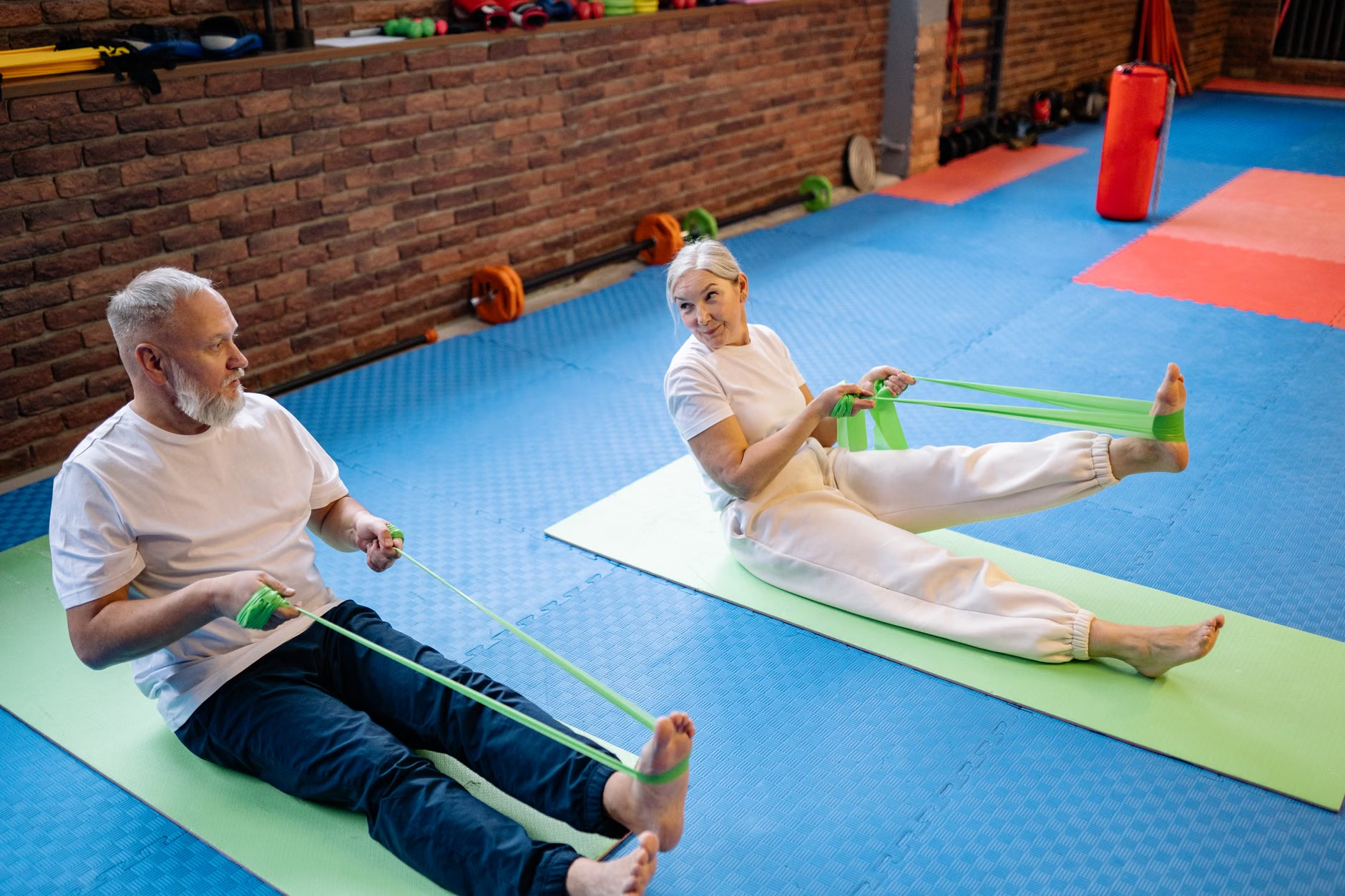
The most effective health habits are those that require minimal friction to perform. Do not treat this as a “workout” that requires gym clothes or a specific time of day. Instead, anchor it to a habit you already possess. For example, perform three sets of ten spreads every time you sit down to put on your shoes, or while you are waiting for your morning coffee to brew.
Consistency over a period of weeks is more beneficial than a sporadic, intense session. Over time, you may notice that your feet feel less stiff in the morning and that you have a slightly higher degree of confidence when walking on uneven surfaces. This is the goal of preventive health: minor, consistent actions that build long-term resilience.
When to Seek Professional Guidance
While toe-spreads are generally safe, they are not a substitute for medical treatment if you have pre-existing foot conditions. If you suffer from bunions, hammer toes, or chronic neuropathy, your range of motion may be physically limited. In these cases, forcing a stretch could lead to discomfort or injury.
Warning Signs to Watch For:
- Sharp, shooting pain: If you feel nerve-like pain during the exercise, stop immediately.
- Persistent swelling: If your feet become inflamed after simple movements, consult a podiatrist.
- Numbness: If you cannot feel your toes or the movement, there may be an underlying nerve issue that needs professional evaluation.
When visiting a podiatrist, bring a list of your daily activities and any specific situations where you feel unstable. This helps the professional understand whether your issues are related to muscular weakness, structural changes, or neurological factors. Preparing in this way ensures that the time spent with your healthcare provider is productive and focused on your specific mobility needs.
Advanced Considerations: Footwear and Surface Interaction
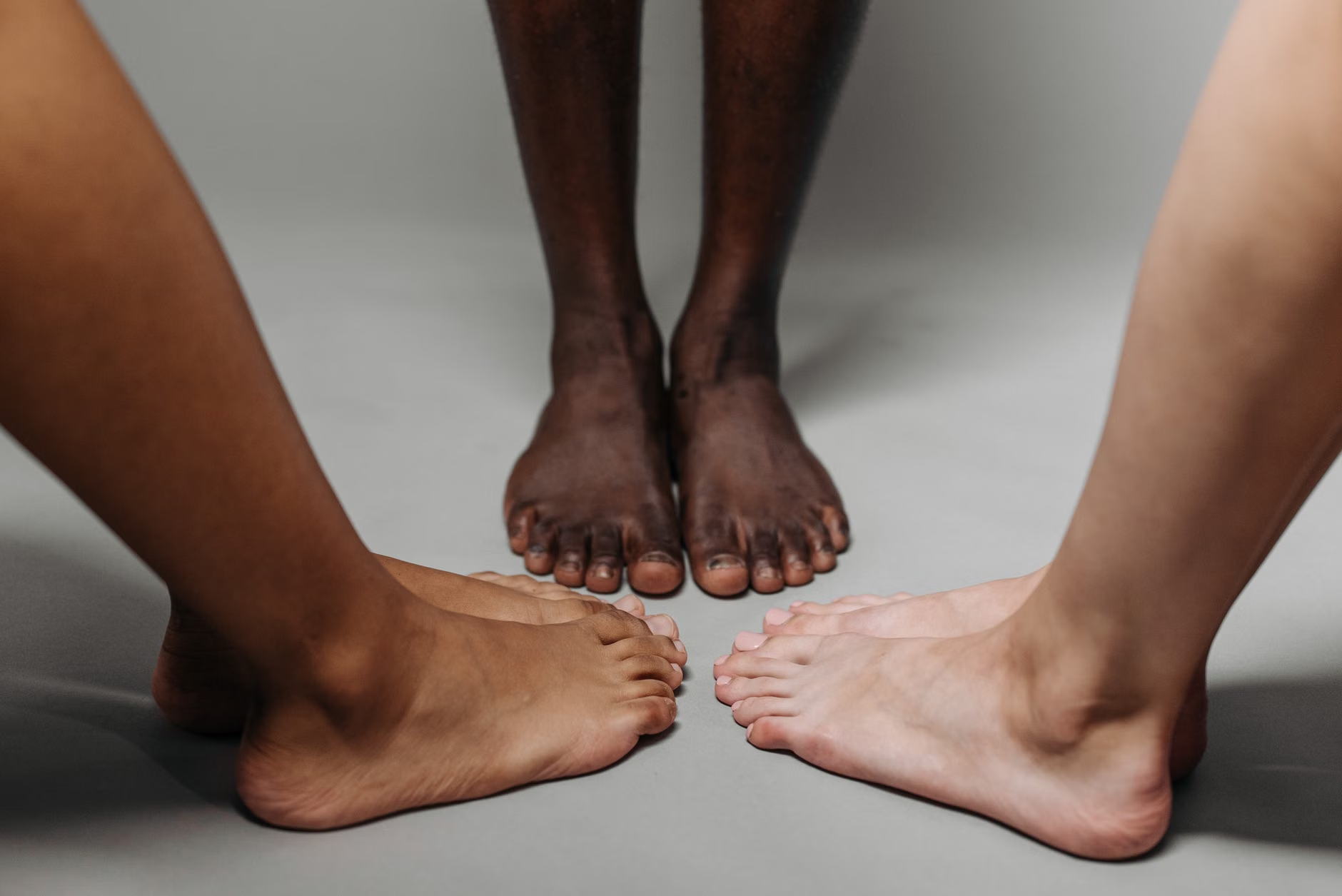
While toe-spreads strengthen the foot, the environment in which you walk also plays a massive role in stability. Many modern shoes are designed with a narrow toe box, which essentially forces the toes into a cramped position for hours at a time. This “casting” effect can make the muscles we are trying to strengthen atrophy over time.
When selecting footwear, consider the “toe box” width. A wider toe box allows your toes to splay naturally as you step, which is the movement we are practicing in our seated exercises. If your current shoes feel tight or restrictive, it may be time to look for brands that prioritize anatomical shapes. Furthermore, walking barefoot on safe, clean surfaces at home can provide sensory input to the soles of your feet, further stimulating the intrinsic muscles and improving proprioception—your body’s ability to sense its position in space.
The Trade-off: Support vs. Strength
There is often a debate between wearing highly supportive, orthotic-heavy shoes and opting for more flexible, minimalist options. For many older adults, the right choice is a middle ground. Total reliance on rigid orthotics can sometimes cause the foot’s own muscles to “go to sleep.” By combining seated toe-spreads with appropriate footwear, you are essentially training your feet to handle the work, rather than outsourcing that work entirely to a shoe insert.
If you have been diagnosed with a specific condition like severe flat feet (pes planus) or severe arthritis, your podiatrist may recommend specific orthotics. Do not abandon these based on general advice. Instead, ask your doctor if you can incorporate barefoot toe-spread exercises as a complementary practice to support the work your orthotics are doing.
Developing a Long-Term Strategy for Mobility
Preventive health is a marathon, not a sprint. The objective of performing seated toe-spreads is to preserve the autonomy of your movement. As you age, the ability to walk unassisted, navigate stairs, and enjoy travel depends on the cumulative health of your lower extremities. By dedicating a few minutes a day to these exercises, you are investing in your future independence.
Remember that physical activity is a holistic endeavor. While foot stability is crucial, it is part of a larger system that includes ankle flexibility, calf strength, and core stability. If you find that these toe exercises become easy and you are looking to expand your routine, consider adding ankle circles or calf raises to your daily regimen. These movements, when combined, create a robust foundation for your lower body.
Finally, stay mindful of your body’s signals. If you have had a long day of walking, your feet may be fatigued. On those days, a gentle massage or simply elevating your feet might be more beneficial than an active exercise session. Listen to your body, remain consistent, and prioritize the movements that feel helpful and sustainable for your specific lifestyle.
Frequently Asked Questions
1. How long does it take to see results from toe-spread exercises?
Most individuals begin to notice improved awareness and slight flexibility changes within 2 to 4 weeks of daily practice. However, building significant muscle endurance is a long-term process that continues as long as you maintain the habit.
2. Can I do these exercises if I have bunions or hammer toes?
Yes, but with caution. If your toes are rigid or painful, do not force the spread. Focus on gentle movement within a pain-free range. It is highly recommended to speak with a podiatrist to ensure the exercise is appropriate for your specific foot structure.
3. Are there any tools or devices that help with toe spreading?
There are toe separators (often made of silicone) available in pharmacies. These can be used to passively stretch the toes. While helpful for some, they do not replace the active muscle contraction of a toe-spread exercise. Use them as a supplement, not a replacement.
Sources:
For more information on foot health and geriatric mobility, you may refer to the American Podiatric Medical Association (APMA), which provides comprehensive guides on maintaining foot health as you age.