- Leaf pressing is a low-impact, meditative hobby that encourages outdoor activity and seasonal appreciation without requiring expensive equipment.
- Success depends on moisture control: choosing the right leaves and using absorbent materials like blotting paper or heavy books is essential for preventing decay.
- Preserved leaves can be used for various projects, including home decor, personalized stationery, and memory keeping, providing a lasting connection to the changing seasons.
The Gentle Art of Preserving Autumn
As the seasons shift and the landscape transforms into a tapestry of gold, crimson, and bronze, many of us feel a natural desire to capture this fleeting beauty. Leaf pressing is more than a craft; it is a mindful practice that invites us to slow down, observe the intricate details of nature, and engage in a tactile, rewarding activity that rewards patience.
For those in their 60s, 70s, and beyond, this hobby offers a perfect balance of physical activity—walking through parks or woodlands to gather specimens—and quiet, focused indoor work. It requires no specialized skills, only a willingness to experiment and an appreciation for the subtle shifts in color and texture that autumn provides.
Selecting the Perfect Specimens: Beyond Aesthetics
Not every leaf is a good candidate for pressing. While it is tempting to collect everything that catches your eye, understanding the biology of your specimens will save you disappointment later. The primary rule is to choose leaves that are still flexible and relatively free of damage.
What to Look For
- Color and Maturity: Look for leaves that have recently changed color but haven’t yet become brittle. If a leaf is already brown and crinkly on the tree, it has lost its moisture and will likely crumble during the pressing process.
- Moisture Content: Avoid leaves that are damp from rain or morning dew. Moisture is the enemy of a successful press. If you collect leaves on a damp day, pat them dry gently with a paper towel before attempting to press them.
- Structural Integrity: Seek out leaves that are flat. Thick, fleshy leaves (like those from some shrubs) do not press well because they contain too much water, which leads to rotting before they can dry.
Common Mistake: Many beginners make the error of picking up leaves from the ground. While these can be beautiful, they are often already decomposing or home to tiny insects. Instead, gather leaves that are just beginning to fall or pick them directly from low-hanging branches if permitted by local park regulations.
The Mechanics of Pressing: Traditional vs. Modern Methods
The goal of pressing is to remove moisture from the leaf cells while keeping the leaf flat. There are two primary ways to achieve this: using a dedicated wooden press or using the weight of books.
| Method | Equipment Needed | Best For | Accessibility/Stamina |
|---|---|---|---|
| Wooden Flower Press | Wooden plates, cardboard, blotting paper, wing nuts. | Large batches; uniform pressure. | Requires steady hands to tighten bolts. |
| Book Pressing | Heavy, non-glossy books (encyclopedias work well). | Casual, small-scale projects. | Very low impact; no setup required. |
Step-by-Step: The Book Method
- Prepare your workspace: Place a piece of plain, unprinted paper or blotting paper on the page of an old, heavy book.
- Arrange: Lay your leaves flat. Ensure no leaves overlap, as this creates uneven pressure and moisture pockets.
- Protect: Place another sheet of absorbent paper on top of the leaves, then close the book carefully to avoid shifting the leaves.
- Add weight: Place additional heavy books on top of the first one. This ensures even, constant pressure.
- Wait: Leave the books undisturbed for at least one to two weeks. Patience is the secret ingredient here.
Ensuring Longevity: Preventing Decay and Color Fading
The greatest challenge in leaf pressing is preventing the leaves from turning brown or developing mold. Mold occurs when moisture is trapped without a way to escape. To mitigate this, ensure that your pressing environment is dry and well-ventilated.
If you live in a particularly humid climate, you may need to change the blotting paper after the first 48 hours of pressing. Carefully open your book or press and replace the damp paper with fresh, dry sheets. This simple step can be the difference between a vibrant, preserved specimen and one that loses its color.
Pro-Tip: Some enthusiasts lightly iron their leaves between two pieces of wax paper on a low, non-steam setting to help set the colors, though this is optional. Always test this on a common leaf before attempting it on a rare or particularly beautiful specimen.
Mindfulness and the Mental Health Benefits
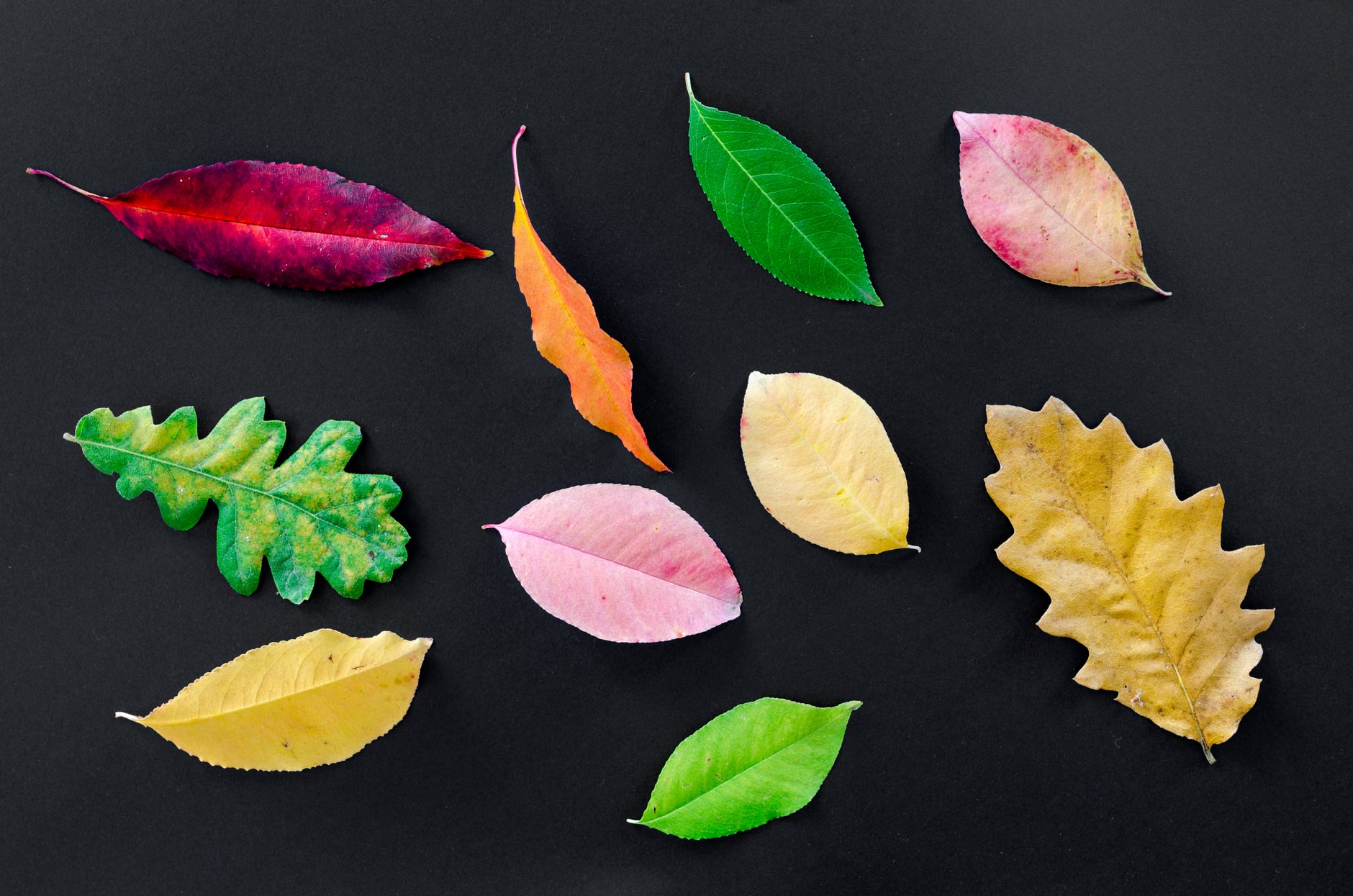
Engaging in a task that requires slow, deliberate movement acts as a form of “moving meditation.” As we age, our daily routines can sometimes become repetitive. The act of gathering, sorting, and arranging leaves forces us to focus on the present moment, observing the minute details of veins, serrated edges, and gradients of color.
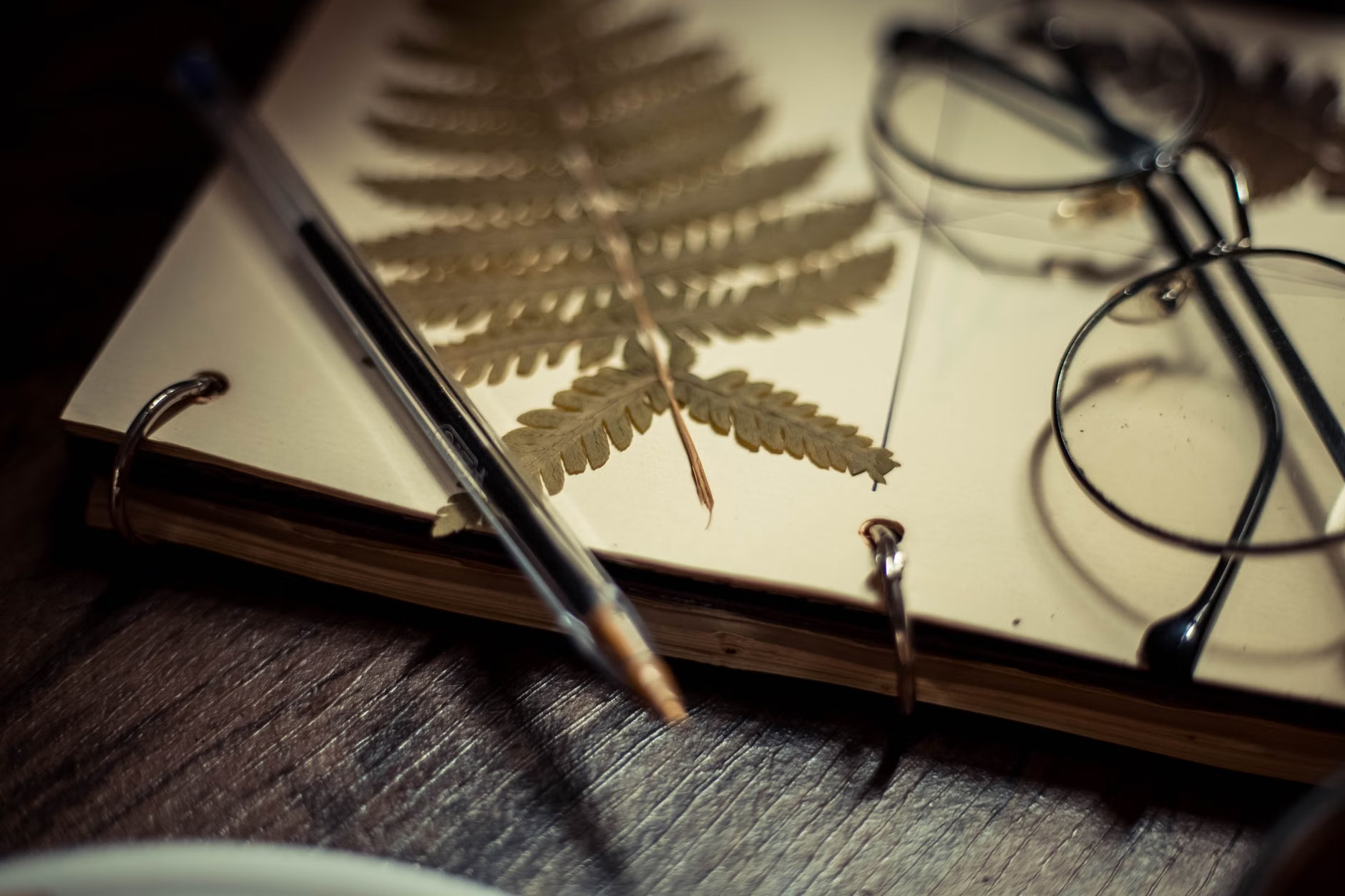
This process reduces cortisol levels by shifting our focus away from daily stressors and toward the natural world. It is also an excellent way to maintain fine motor skills, as the delicate handling of thin, dry leaves requires precision and focus.
Practical Applications for Your Pressed Leaves
Once your leaves are perfectly preserved, you may wonder what to do with them. Rather than hiding them away in a drawer, consider these ways to integrate them into your daily life:
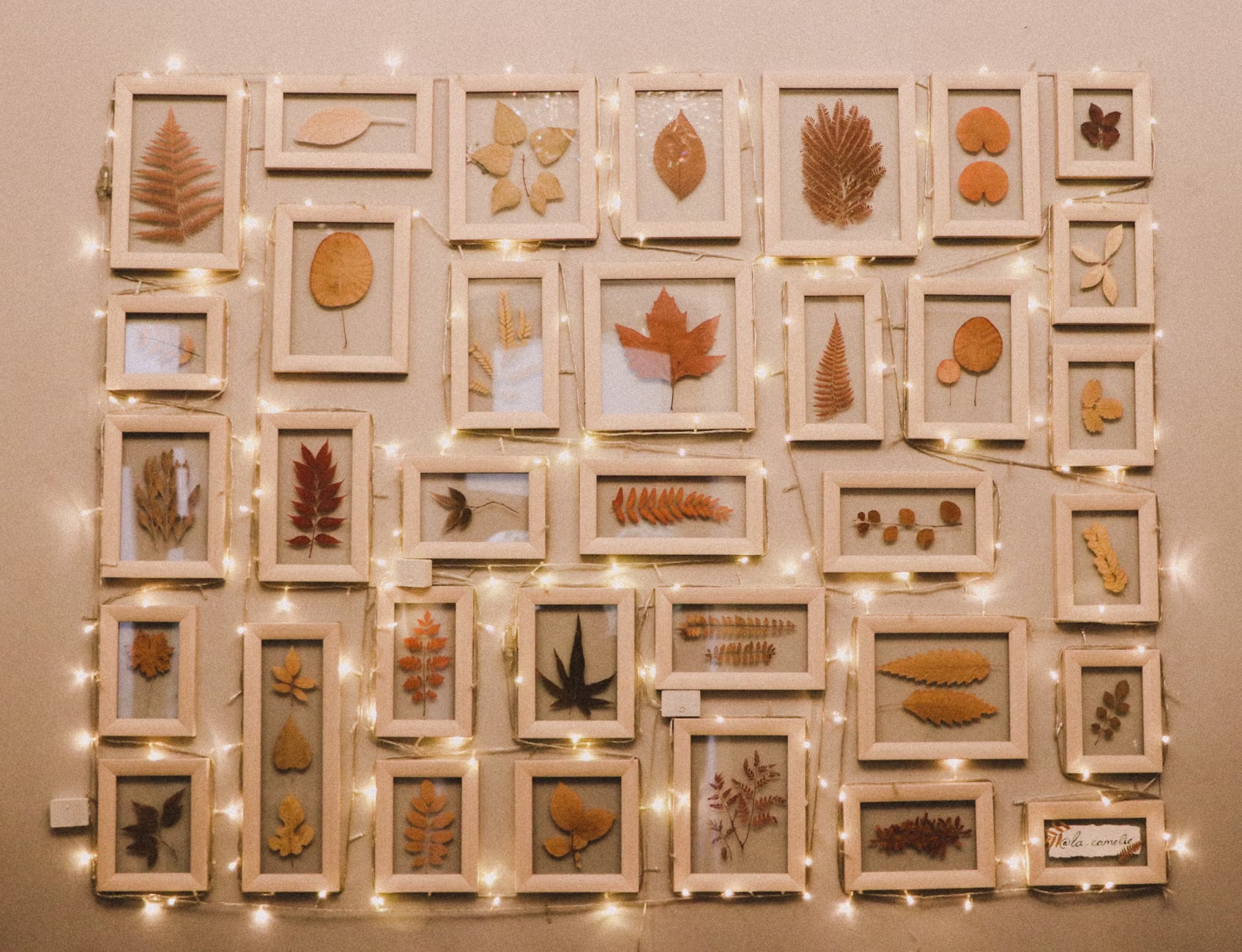
- Floating Frames: Place leaves between two panes of glass in a floating frame. This creates a minimalist, elegant piece of art that looks wonderful on a mantelpiece or bookshelf.
- Handmade Stationery: Use a tiny dab of archival-safe glue to attach a leaf to the corner of a note card. It adds a personal, sophisticated touch to your correspondence.
- Memory Books: If you are creating a family history or a journal, including pressed leaves from a specific autumn walk can serve as a powerful sensory anchor for your memories.
Safety and Accessibility Considerations
While leaf pressing is a safe and accessible hobby, it is important to consider your physical environment. If you are gathering leaves in local parks, ensure you are wearing appropriate footwear with good grip, especially as fallen leaves can make paths slippery.
If you have limited reach or mobility, you might find it easier to use a “grabber” tool for picking up leaves, or simply focus on gathering from lower branches where you can sit comfortably on a park bench. Always prioritize your comfort—there is no need to rush. The season lasts for several weeks, and you can collect only a few leaves at a time.
For those with arthritis or hand stiffness, a wooden press with large, easy-to-grip wing nuts is much more accessible than a small, fiddly press. You can even adapt a press by adding larger wooden knobs to the bolts to make them easier to turn.
Understanding the Science of Color
The reason leaves change color is a fascinating biological process that can make the hobby even more rewarding. In the summer, chlorophyll (which makes leaves green) dominates. As daylight hours decrease, trees stop producing chlorophyll, allowing other pigments—carotenoids (yellows and oranges) and anthocyanins (reds and purples)—to show through.
Understanding this helps you predict which trees to look for. Maples are famous for their brilliant reds, while birches and poplars offer stunning, consistent yellows. By identifying the trees in your neighborhood, you can plan your “harvesting” routes to maximize the variety in your collection.
Even with the best techniques, not every leaf will turn out perfectly. It is important to accept that this is part of the process. Some leaves will lose their color faster than others, and some may tear. This is not a failure; it is simply the nature of working with organic materials. If a leaf tears, you can still use the pieces for collage work or decoupage.
If you are concerned about bugs, you can lightly wipe your leaves with a very diluted solution of vinegar and water before pressing, though this is usually unnecessary if you are collecting clean leaves from the tree. Ensure they are completely dry before putting them in the press.
Building a Lasting Collection
Over time, your collection can become a beautiful record of the passing years. Consider labeling your leaves with the date and location where they were found. This adds a layer of historical significance to your hobby. You might even find that you start to recognize the same trees year after year, forming a unique, seasonal bond with your local environment.
Remember that this is a hobby to be enjoyed at your own pace. Whether you press five leaves or five hundred, the benefit lies in the act of slowing down and appreciating the beauty in the small, often overlooked details of nature.
Frequently Asked Questions
1. How long do pressed leaves typically last?
If kept out of direct sunlight and away from high humidity, pressed leaves can last for many years. Sunlight is the primary cause of color fading, so it is best to display your pressed leaf art in areas that do not receive harsh, direct UV rays.
2. Should I seal my leaves with anything after they are pressed?
It is generally not recommended to spray leaves with varnish or sealants, as these can alter the texture and may cause the leaf to become brittle or yellow over time. If you want to protect them, keeping them behind glass is the most effective and archival-friendly method.
3. Can I press leaves if I have mobility issues that prevent long walks?
Absolutely. You can gather beautiful leaves from your own garden, a nearby park bench, or even ask a family member or neighbor to bring you a few interesting specimens from their walks. The actual pressing process is sedentary and can be done comfortably at a table, making it a perfect indoor hobby for any mobility level.
For further reading on local flora and seasonal changes in your specific region, you can consult resources such as the Arbor Day Foundation or your local botanical garden’s website, which often provide guides on native tree species and their seasonal cycles.