- Prioritize Surface Quality: Always check official maps for “accessible” or “paved” routes, as historic gardens often feature uneven cobblestones or loose mulch that pose tripping hazards.
- Strategic Pacing: Plan for a 2:1 ratio of walking to resting, utilizing benches and shaded areas every 15–20 minutes to maintain stamina and manage joint fatigue.
- Verify Facilities: Confirm the location of accessible restrooms and shuttle services before arriving, as historic sites often have limited infrastructure in core garden areas.
Historic botanical gardens offer a unique intersection of natural beauty and human history, yet their age often presents challenges for modern accessibility. For the traveler aged 60 to 80, a successful visit is not about testing one’s limits, but about maximizing enjoyment through intelligent preparation. Whether you are navigating a Victorian-era conservatory or a centuries-old arboretum, understanding how to read a site’s landscape is the difference between a frustrating trek and a rejuvenating afternoon.
Understanding the “Historic” Paradox in Accessibility
The very features that make a botanical garden “historic”—narrow winding paths, original cobblestone walkways, and tiered landscaping—are often the primary barriers to accessibility. Understanding why these exist helps you plan your route more effectively. Many historic gardens were designed in the 18th or 19th centuries, a time when landscape architecture prioritized aesthetic drama over the universal design principles we expect today.
When you encounter these sites, you are often dealing with “heritage status” limitations. This means administrators cannot always install modern ramps or widen paths without compromising the site’s protected status. Consequently, your role as an informed traveler is to identify which parts of the garden have been retrofitted for accessibility and which remain in their original, more challenging state.
What to look for: Look for “Accessibility Maps” specifically, rather than general visitor maps. A standard map might show a path, but it will not tell you if that path is made of loose gravel (which is difficult for canes or walkers) or firm, level tarmac. If a website does not provide an accessibility-specific map, it is a strong indicator that you should contact their visitor services department via email or phone before booking your ticket.

Assessing Your Personal Mobility Threshold
Before stepping out, it is essential to conduct a realistic assessment of your personal stamina for the day. A common mistake is assuming that because you walk daily in your neighborhood, you can handle the same distance in a garden. Botanical gardens are often significantly larger than they appear on a map, and they frequently involve subtle, cumulative inclines that can fatigue muscles faster than flat city streets.
Consider the “Surface-Slope-Distance” rule when evaluating a garden’s suitability:
| Feature | Ideal Condition | Risk Factor |
|---|---|---|
| Surface | Paved, tarmac, or tightly packed resin. | Loose gravel, sand, or uneven historic paving. |
| Slope | Less than 5% grade for main paths. | Steep hills or stairs without handrails. |
| Resting | Bench or seating every 50–100 meters. | Long stretches without shade or seating. |
If you have concerns about your mobility, consider renting an electric mobility scooter if the garden provides them. Many major global botanical gardens now offer these as a standard service. This is not a sign of frailty; it is a tactical decision to conserve your energy for the areas of the garden that truly matter to you, such as the indoor tropical houses or the seasonal bloom displays.
Strategic Route Planning: The “Hub and Spoke” Method
Instead of trying to see the entire garden, adopt the “Hub and Spoke” method. Identify the most significant point of interest—the “Hub”—and treat everything else as an optional “Spoke.”
For example, if you are visiting a garden known for its world-class rose collection, make that your primary goal. Use the garden’s shuttle service (if available) to get as close to the rose garden as possible. Spend your energy there first. Once you have enjoyed your primary goal, any additional walking you do becomes a bonus rather than an obligation. This approach eliminates the “sunk cost” feeling where you force yourself to walk through areas you don’t enjoy just because you’ve already paid for the ticket.
Practical Tip: Check the garden’s website for “Virtual Tours” or “Garden Highlights.” By watching these before your visit, you can identify which areas are visually impressive and which are simply standard walking paths. This allows you to skip the mundane sections and focus on the highlights that provide the most reward for your effort.
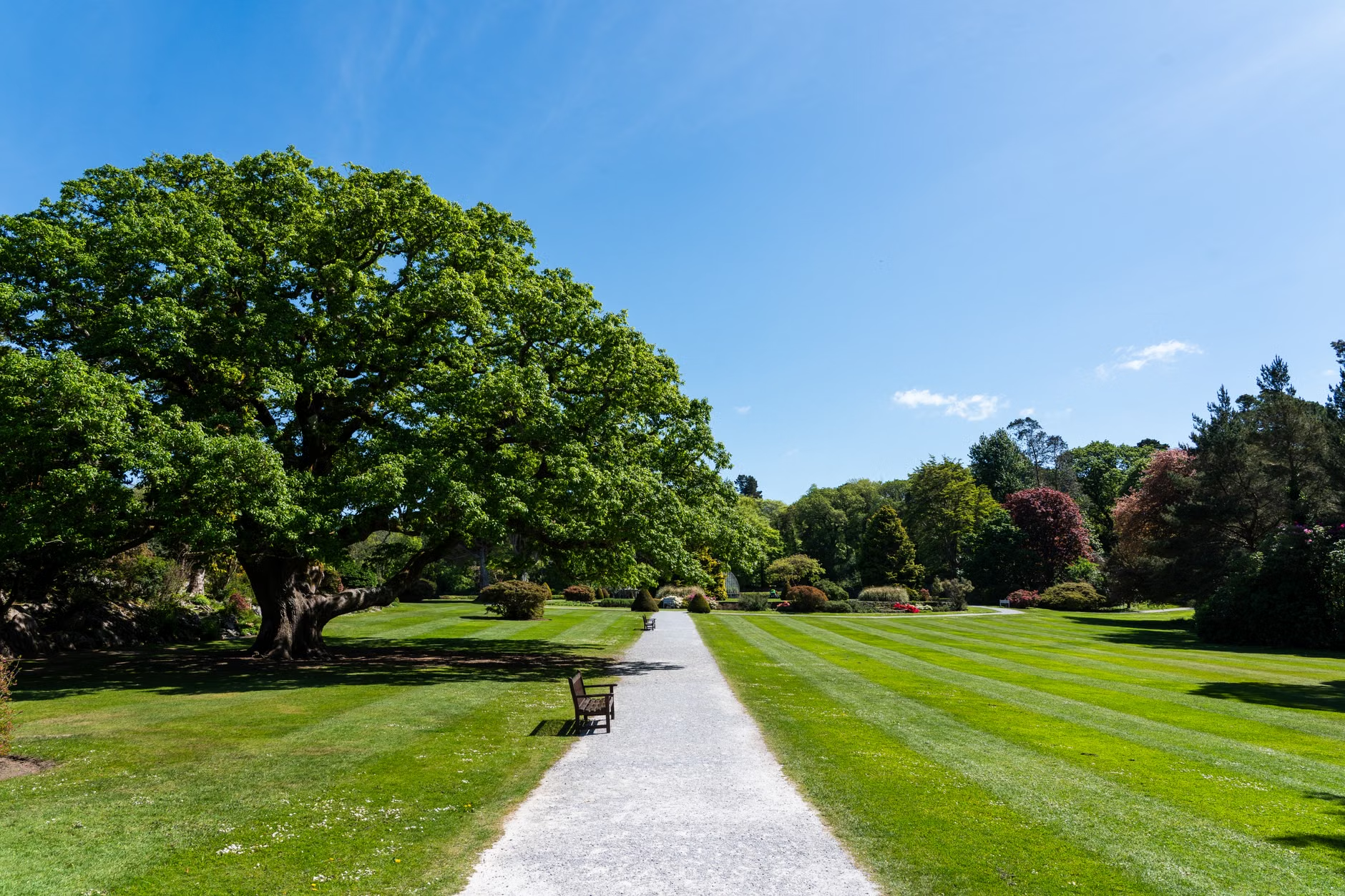
When you encounter a path that looks challenging, do not hesitate to ask staff for the “step-free route.” Most historic gardens have a back-of-house or service path system that is paved for maintenance vehicles. In many cases, staff are willing to let visitors use these paths if the main public path is deemed inaccessible for mobility aids.
What to do when you hit an obstacle:
- Pause and Evaluate: Stop in a safe area. Do not attempt to navigate an unknown incline or staircase if you are already feeling fatigued.
- Locate Assistance: Look for garden staff, who are often positioned at key intersections. Ask: “Is there a flatter route to the next attraction?”
- Use the “Rest-First” Rule: If you feel your breath becoming shallow or your legs trembling, find a bench immediately. Do not wait until you are exhausted. A 10-minute rest can prevent a 30-minute recovery period later.
Managing Environmental Variables
Botanical gardens are, by definition, exposed environments. Unlike a museum, you cannot easily control the temperature, humidity, or sun exposure. For the senior traveler, these environmental factors are just as important as the physical path quality.
Sun and Heat Management: Many historic gardens have large, open meadows that offer zero shade. If you are visiting during the summer, plan your trip for the “Golden Hours”—either early in the morning (opening) or late in the afternoon (before closing). This avoids the peak heat of midday, which is particularly taxing for cardiovascular health.
Hydration and Nutrition: Never rely on the garden’s café being open or accessible. Historic sites often have cafes located in older buildings with stairs. Always carry a lightweight, insulated water bottle and a small, high-protein snack. If you have dietary requirements, do not assume the garden cafe will cater to them; eating before you arrive or bringing your own supplies ensures you don’t have to navigate a crowded, potentially inaccessible dining area.
The Hidden Value of “Off-Season” Visits
One of the most overlooked variables in travel planning is the timing of your visit relative to the garden’s peak season. While everyone wants to see the spring tulips or the autumn leaves, these are also the times when the paths are the most crowded. Crowds are a significant hazard for older adults; they increase the risk of accidental collisions and make it difficult to find a place to sit.
Visiting during the “shoulder season” or even the quieter winter months can offer a completely different, often more peaceful experience. While the floral displays may be less dramatic, the focus shifts to the architecture, the tree structures, and the quiet beauty of the landscape. Furthermore, staff are often less rushed and more available to provide assistance during these quieter periods.

Essential Documentation and Preparation
Before you leave your accommodation, ensure you have a “Garden Kit” in your bag. This should include:
- Physical Copy of the Map: Even if you have a smartphone, a paper map is reliable and doesn’t run out of battery.
- Contact Information: Save the garden’s visitor services phone number in your phone. If you get separated or stuck, you can call them for assistance.
- Accessibility Documentation: If you use a mobility aid, have a digital copy of any relevant permits or documentation on your phone, though most public gardens do not require them.
- Medication and Records: Always carry your daily medication and a list of emergency contacts, as you would for any travel day.
Professional Care and Support Systems
If you are traveling with a caregiver or a family member, use this time to practice “clear communication.” Before entering the garden, agree on a signal for when you need to stop. Often, the person with mobility needs may feel they are “holding up” the group and might hesitate to ask for a break. By establishing a pre-agreed rule—such as “we stop every 20 minutes regardless of how we feel”—you remove the pressure to perform and allow for a more relaxed, sustainable pace.
If you are traveling alone, look into “Garden Volunteer” programs. Many major gardens have volunteer guides who are specifically trained to assist visitors with limited mobility. Checking the website for “Accessibility Tours” can sometimes connect you with a pre-arranged group that moves at a slower, more deliberate pace.
Understanding Site-Specific Regulations
While we talk about “global” travel, it is vital to remember that accessibility standards vary wildly by jurisdiction. In the United States, the Americans with Disabilities Act (ADA) sets strict standards for public institutions. In the European Union, the European Accessibility Act is driving similar changes. However, in many other parts of the world, these laws may not apply to historic sites in the same way.
Always check the official website of the specific garden. Look for a section titled “Accessibility,” “Visitor Info,” or “Plan Your Visit.” If the website is vague, look for photos of the paths. If you see images of cobblestones, stairs, or steep grass slopes without visible alternative paths, assume the site will be difficult and plan accordingly.
The Importance of Ongoing Maintenance
Even a well-designed path can become hazardous due to weather. Recent rain can turn a gravel path into a mud trap, and fallen leaves can hide uneven surfaces. When you arrive at the visitor center, take two minutes to ask the staff: “Are there any paths currently closed or in poor condition due to recent weather?” This simple question can save you from having to backtrack half a mile after discovering a blocked path.
Furthermore, consider the “maintenance cycle” of the garden. Large gardens often have rotating schedules where certain sections are closed for maintenance. Checking the “News” or “Alerts” section of the garden’s website a few days before your trip can prevent disappointment.
Conclusion: Redefining the Garden Experience
Accessible travel is not about checking off a list of famous sites; it is about finding the joy in the environment at a pace that respects your body’s needs. By prioritizing surface quality, planning your route based on your own stamina rather than a map’s layout, and staying informed about the site’s specific limitations, you can turn a potentially daunting trip into a highlight of your travel experience.
Remember that the beauty of a botanical garden is meant to be savored, not conquered. Whether you spend your time in a single, perfectly shaded greenhouse or wandering the main paths, the quality of your experience is defined by your comfort and your ability to engage with the environment. Use the tools of preparation, communication, and realistic expectation to ensure that your next visit is as relaxing and enriching as possible.
Frequently Asked Questions
1. How can I confirm if a specific path in a historic garden is suitable for my walker or cane?
Most official garden websites have an “Accessibility” page. If they don’t, search for the garden on Google Maps and look at the “Street View” or user-uploaded photos. You can also call their visitor services desk directly and ask, “Is the main loop paved or gravel?” A paved path is generally suitable for most mobility aids, while gravel can be tiring or unstable.
2. What should I do if I start feeling tired halfway through the garden?
First, prioritize finding the nearest bench or shaded area. If you are in a large garden, look for a visitor shuttle or a golf cart service, which many larger botanical gardens operate specifically for this reason. Do not try to “push through” to the exit if you are feeling fatigued; instead, stop and ask a staff member if there is a closer exit or a transport service available.
3. Are there specific times of day that are better for older adults visiting botanical gardens?
Yes, early morning or late afternoon is best. These times avoid the midday sun and peak crowd hours. Early mornings are often cooler and quieter, allowing for a more serene experience, while late afternoons provide softer light for photography and generally fewer visitors as the day draws to a close.
For further information on universal design and accessible tourism, you may consult the United Nations World Tourism Organization (UNWTO) guidelines on accessible tourism.