- Seated knee-extensions are a low-impact, high-efficacy method to maintain quadriceps strength, which is vital for independent walking, stair climbing, and standing from a seated position.
- Proper form, specifically controlling the movement and keeping the torso stable, is more important than the number of repetitions or the amount of weight added.
- Progression should be gradual, moving from bodyweight to resistance bands or light ankle weights only when you can perform 15 repetitions with perfect form and no joint discomfort.
The Foundation of Mobility: Why Your Quadriceps Matter
For adults aged 60 to 80, the strength of the quadriceps—the large muscle group on the front of the thigh—is arguably the most important factor in maintaining functional independence. These muscles are responsible for extending the knee, which is the primary action required for standing up from a chair, walking on uneven ground, and navigating stairs safely.
As we age, a process called sarcopenia, or the natural loss of muscle mass and strength, can begin to affect our mobility. If the quadriceps weaken, the burden of movement shifts to the joints, particularly the knees and hips, often leading to discomfort, stiffness, and a decrease in physical activity levels. By incorporating targeted, seated exercises into your daily routine, you are not just “working out”; you are investing in your ability to remain active, mobile, and safe in your own home and community.

What is the Seated Knee-Extension?
The seated knee-extension is a foundational resistance exercise that isolates the quadriceps while minimizing stress on the lower back and ankles. Unlike a standing squat, which requires significant balance and core stability, the seated version allows you to focus entirely on the muscle contraction of the thigh.
Why it matters: This movement mimics the final phase of a stride or the push required to rise from a chair. Strengthening this specific range of motion helps protect the knee joint by providing a stable muscular “cushion” around it.
Step-by-Step Execution
To perform this exercise effectively, follow these steps:
- Select the right chair: Use a sturdy, non-swivel chair with a flat seat that allows your feet to rest comfortably on the floor while your knees are at a 90-degree angle. Avoid soft sofas or cushioned chairs that cause you to sink in.
- Establish your posture: Sit toward the edge of the seat, keep your back straight, and engage your core slightly. Hold onto the sides of the chair for added stability.
- The movement: Slowly extend one leg forward until it is parallel to the floor. Focus on squeezing your thigh muscle (quadriceps) at the top of the movement for one second.
- The return: Lower your foot back to the starting position with control. Do not let your leg drop or “swing” back; the downward phase should take as long as the upward phase.
Common Mistake: Many people use momentum to swing their leg upward. This defeats the purpose of the exercise. If you cannot lift your leg without swinging, reduce the range of motion until you can control the movement entirely with your muscles.
Progressing Your Routine: Moving Beyond Bodyweight
Once you can comfortably perform 15 repetitions per leg with perfect form, your muscles will require more resistance to continue getting stronger. It is important to increase intensity systematically to avoid injury.
| Progression Level | Resistance Method | Best For |
|---|---|---|
| Beginner | Bodyweight only | Building initial neural connection and form. |
| Intermediate | Resistance bands (light) | Controlled, variable tension throughout the movement. |
| Advanced | Ankle weights (0.5kg – 1kg) | Consistent, measurable load increase. |
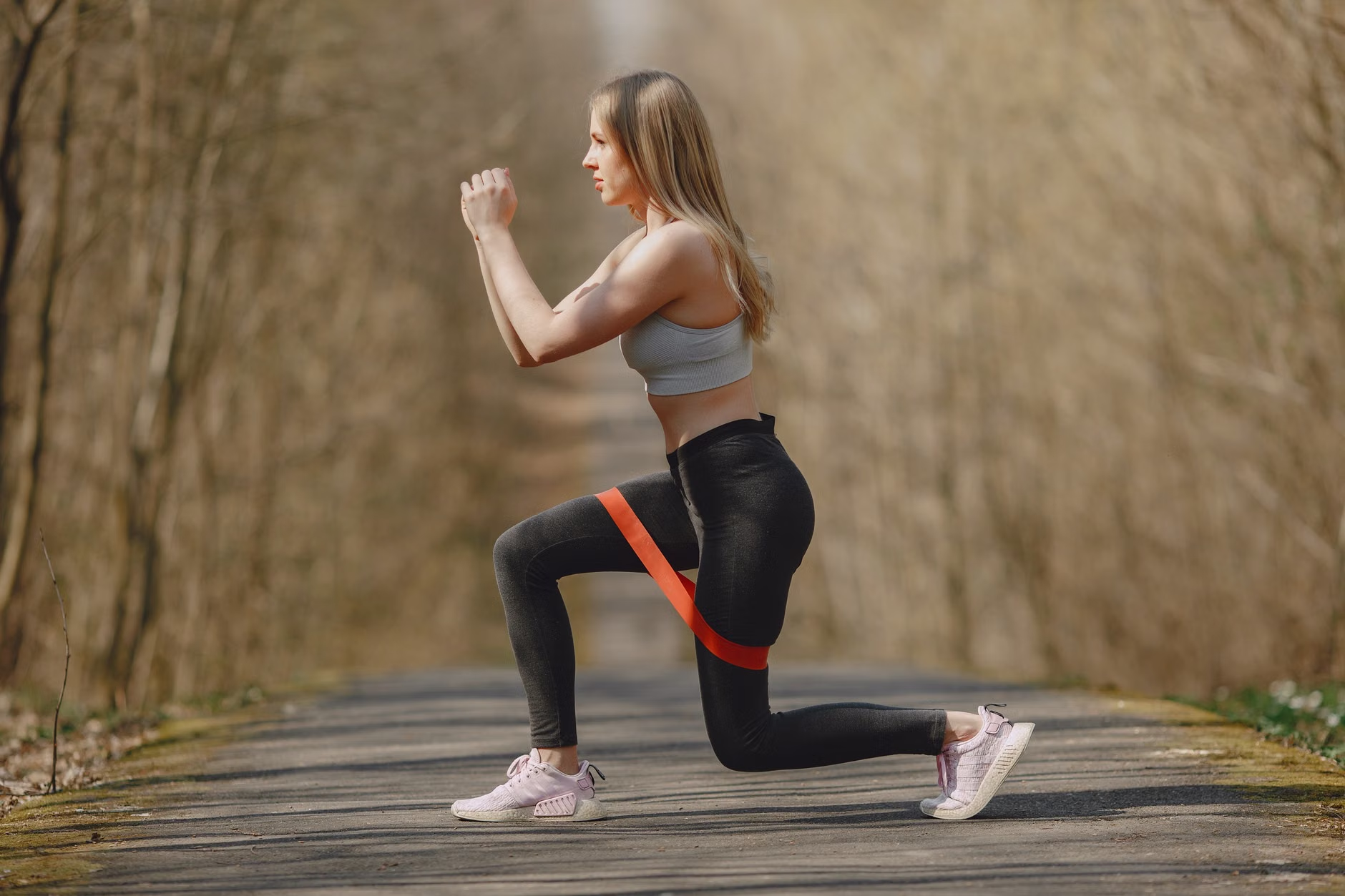
When using resistance bands, ensure they are secured safely around your ankle or the leg of the chair. Always test the resistance before beginning your full set to ensure you can maintain your form throughout the entire range of motion.
Safety and Clinical Considerations
While seated knee-extensions are low-risk, they should be approached with awareness of your body’s signals. If you have a history of knee surgery, arthritis, or chronic pain, consult with a physical therapist before starting a new routine. They can provide a personalized assessment to ensure your knee alignment is correct during the movement.
Warning Signs:
- Sharp pain: If you feel sharp, stabbing pain in the knee joint, stop immediately. Discomfort in the muscle itself (a “burning” sensation) is normal, but joint pain is not.
- Clicking or locking: If your knee clicks or feels “stuck” during the extension, reduce the range of motion.
- Swelling: If you experience increased swelling in the knee after exercising, you may be overdoing the intensity or frequency.
Integrating Into Daily Life
The beauty of this exercise is its accessibility. You do not need a gym or fancy equipment. You can perform these while watching your favorite show, listening to the radio, or even while waiting for your kettle to boil.
Consistency over intensity: Three sets of 10 repetitions performed five days a week will yield better long-term results than one long, exhausting session once a week. Aim to make this a “habit anchor”—perhaps every time you sit down to put on your shoes in the morning, do one set of 10 for each leg.
Advanced Insights for Long-Term Success
Often, people focus only on the “up” phase of the exercise. However, the “eccentric” phase—where the muscle lengthens under control—is where much of the functional strength is built. If you find yourself rushing the return to the floor, you are missing out on 50% of the benefit of the exercise. Imagine you are moving your foot through water; keep the speed constant throughout the entire motion.
Furthermore, consider your footwear. Performing these exercises in socks on a slippery floor can be dangerous. Wear supportive shoes with good grip or perform the exercise on a non-slip mat to ensure your base remains stable throughout the movement.
Conclusion: Your Path Forward
Maintaining quad strength is a proactive step toward preserving your autonomy. By mastering the seated knee-extension, you are building the physical foundation necessary to continue enjoying travel, hobbies, and daily tasks with confidence. Start today by focusing on your form, and remember that slow, controlled movements are the key to building resilient muscles.
Frequently Asked Questions
1. How many times a week should I perform these extensions?
For most adults 60-80, 3 to 5 times per week is ideal. Your muscles need time to recover, so avoid doing high-intensity sessions every single day. Listen to your body and take rest days if you feel significant muscle soreness.
2. Can I do this if I have osteoarthritis in my knees?
Generally, yes, and it is often recommended by physical therapists to help support the joint. However, you must avoid “locking” your knee at the top of the movement. Keep a very slight, soft bend in the knee even at full extension to protect the joint structure. Always consult your doctor for specific advice regarding your condition.
3. How long does it take to see results?
With consistent effort, you may notice improvements in your ability to stand from a chair or climb stairs within 4 to 6 weeks. Remember, the goal is long-term maintenance of function, so think of this as a permanent addition to your lifestyle rather than a short-term fix.
Official guidance on physical activity for older adults can be found at the World Health Organization (WHO) website. Always consult with your primary care provider before beginning any new exercise program.
Deep Dive: The Biomechanics of the Seated Extension
When you extend your leg from a seated position, you are engaging the rectus femoris, vastus lateralis, vastus medialis, and vastus intermedius. These four muscles make up the quadriceps. In daily life, these muscles rarely work in isolation; however, the seated knee-extension is a unique tool because it removes the complexity of balance. By stabilizing the torso, you force the quadriceps to work in a “closed-chain” fashion if your foot were on the ground, or “open-chain” as in this seated version. The open-chain nature of this exercise is particularly beneficial for isolating the vastus medialis, the muscle just above the inner knee, which is crucial for tracking the kneecap correctly.
Many older adults experience “quad inhibition,” where the brain effectively “turns down the volume” on the muscle signal due to pain or perceived joint vulnerability. By performing these controlled extensions, you are retraining your nervous system to trust the muscle again. This is why the “mind-muscle connection”—the act of consciously focusing on the contraction of the thigh—is not just gym jargon; it is a critical component of neurological rehabilitation for older adults.
Environmental Factors and Setup
Your environment dictates the quality of your exercise. A chair that is too high will cause your feet to dangle, which places unnecessary strain on the knee joint and prevents a full range of motion. A chair that is too low makes the initial lift difficult, potentially straining the lower back as you try to generate force. The ideal chair height allows your hips and knees to be at approximately the same level, or with the hips slightly higher than the knees. If your chair is too low, place a firm cushion or a folded towel under your seat to raise your hips. This simple adjustment changes the leverage of the movement, making it safer and more effective for your specific body proportions.
The Role of Nutrition and Recovery
Exercise is only one half of the equation for maintaining muscle mass. As we age, our bodies become slightly less efficient at processing protein to build muscle. To support the work you are doing with your seated knee-extensions, ensure your diet includes adequate high-quality protein. This doesn’t necessarily mean large portions of meat; it can include eggs, dairy, legumes, nuts, and seeds distributed throughout the day. Muscle repair happens while you rest, not while you are exercising. If you find yourself feeling lethargic or experiencing prolonged muscle soreness that lasts more than 48 hours, reconsider your protein intake and ensure you are getting adequate sleep.
Addressing Common Hurdles
One of the biggest hurdles to consistency is boredom. If you find the exercise repetitive, combine it with a mental activity. Listen to a podcast, an audiobook, or perform the exercises while watching a documentary. Alternatively, vary the tempo. Try a “3-1-3” tempo: 3 seconds to extend, 1 second hold at the top, and 3 seconds to return to the floor. This variation forces your muscles to work harder without needing to increase the external weight, providing a new stimulus for growth and endurance.
Another hurdle is the “it’s too easy” trap. If you find that 15 repetitions are no longer challenging, do not simply add more weight immediately. First, increase the time under tension. If you can perform 20 repetitions with a 3-second extension and a 3-second descent, only then should you consider adding a light resistance band. This slow, steady approach is the hallmark of sustainable health management for the 60-80 age demographic.
If you have limited range of motion in your knees due to past injury or chronic stiffness, do not force the leg to fully straighten. Work within your “pain-free zone.” Even if you only extend the leg halfway, you are still engaging the quadriceps. Over time, as the muscle strengthens and the joint becomes more lubricated through movement, you will likely find that your range of motion naturally increases. Patience is a critical component of preventive health. Never view a limitation as a failure; view it as a starting point for your personal progression.