- Minimalist packing for coastal trips reduces physical strain, lowers the risk of falls, and simplifies navigation through public transport.
- Prioritizing multi-functional, lightweight gear—such as moisture-wicking layers and collapsible mobility aids—is essential for maintaining stamina.
- Safety in coastal environments requires specific preparation, including UV protection, hydration management, and footwear suited for uneven sand or wet boardwalks.
Traveling to the coast should be a restorative experience, not a logistical burden. For travelers aged 60 to 80, the secret to a successful coastal getaway lies in mastering the art of minimalist packing. By reducing the weight you carry, you preserve your energy for the scenery, minimize the risk of muscle strain, and make navigating terminals, trains, and boardwalks significantly safer.
The Philosophy of Minimalist Coastal Travel
Minimalism for the senior traveler is not about depriving yourself of comfort; it is about intentionality. When you travel light, you eliminate the “hidden tax” of heavy luggage: the constant need to lift, drag, and store bulky items. On a coastal trip, where surfaces can vary from smooth wooden boardwalks to soft, unstable sand, your center of gravity and ease of movement are your greatest assets.
A minimalist approach allows you to focus on mobility. If you can carry your own bag comfortably, you retain your independence. This independence is vital when navigating transit systems where elevators may be out of service or where walking distances between platforms are greater than anticipated. By keeping your luggage under 10 kilograms (approximately 22 pounds), you ensure that you can maneuver safely without relying on others.
The “Weight-to-Stamina” Ratio
Every kilogram you pack must be justified by its utility or its ability to enhance your well-being. A useful decision rule is the “Three-Day Rule”: pack enough for three days of clothing and plan to utilize laundry facilities or hand-wash items. This simple shift in mindset reduces your luggage volume by 60% while maintaining hygiene and comfort.
| Item Category | Traditional Approach | Minimalist Approach |
|---|---|---|
| Footwear | 3-4 pairs (heavy) | 1 pair worn, 1 light backup |
| Clothing | Full outfit per day | Lightweight layers (mix/match) |
| Toiletries | Full-sized bottles | Solid bars or travel-sized kits |
The table above illustrates the shift from volume-based packing to utility-based packing. For instance, reducing footwear is the most effective way to lower luggage weight. A single pair of high-quality, supportive walking shoes, paired with a lightweight, breathable sandal for the beach, is almost always sufficient for a week-long coastal trip.
Essential Gear for Coastal Terrain and Climate
Coastal environments present unique challenges: high humidity, intense UV exposure, and uneven, shifting terrain. Your packing list must reflect these realities rather than generic travel advice.
Footwear Selection for Safety
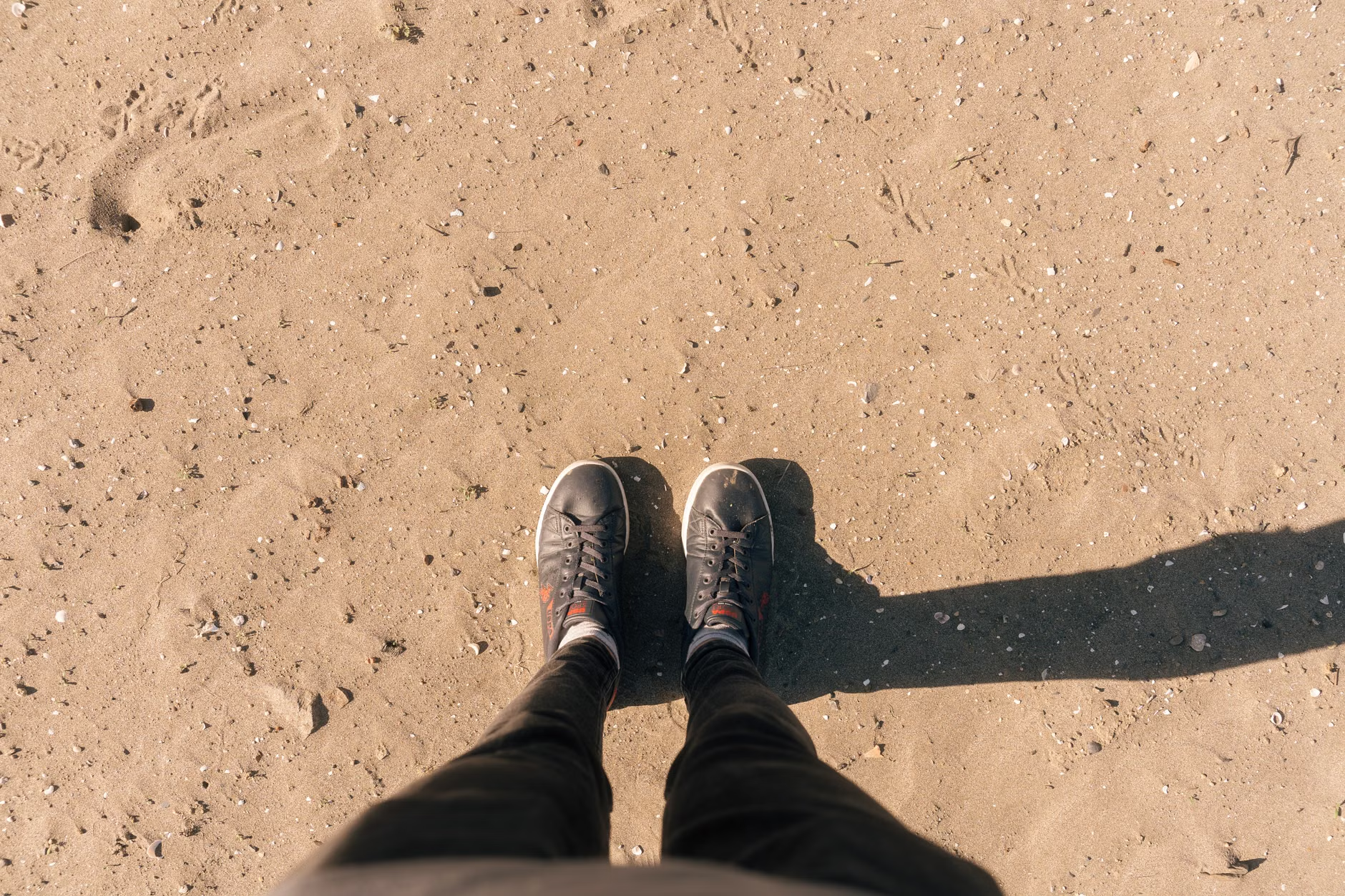
Common mistakes often involve packing “fashionable” shoes that lack traction. Coastal boardwalks can be slippery when damp, and sandy paths require shoes that provide lateral stability. Look for footwear with a non-slip rubber outsole and adequate arch support. If you have specific orthopedic needs, ensure your insoles are transferred to your walking shoes before you leave.
Layering for Micro-Climates
Coastal weather is notoriously unpredictable. A sunny afternoon can quickly turn into a chilly, windy evening as the sea breeze picks up. Instead of one heavy jacket, pack three thin, breathable layers:
- Base Layer: Moisture-wicking material (like merino wool or synthetic blends) to keep skin dry.
- Mid Layer: A lightweight fleece or cardigan for insulation.
- Outer Shell: A wind-resistant, water-repellent jacket that can fold into a small pouch.

Health and Mobility Maintenance on the Go
Maintaining your health while traveling requires proactive preparation. This does not mean carrying a pharmacy; it means carrying exactly what you need to manage your daily routine efficiently.
Managing Medication and Documentation
Always keep your medication in its original packaging to avoid confusion and customs issues. A “Travel Health Folder” is an indispensable tool. Include a printed list of your medications, dosages, and the contact information for your primary healthcare provider. If you have specific medical conditions, ensure this folder is easily accessible in your carry-on bag, not buried in your checked luggage.
When traveling internationally, verify if your home country’s health insurance offers coverage abroad. Many seniors assume they are covered, only to find out upon arrival that they need specific travel health insurance. Organizations like the World Health Organization (WHO) provide general travel health guidance, but always consult your local public health authority for specific vaccination or health advisory requirements for your destination.
The Role of Assistive Devices
If you use a cane or a walking aid, consider a collapsible model. Modern, high-strength carbon fiber canes are incredibly lightweight and can fit into a standard tote bag. They provide stability on uneven coastal paths without being a burden during transit. If you feel hesitant about using an aid, remember that it is a tool for preventive safety, not a sign of frailty. Using a cane on soft sand or uneven boardwalks can prevent a fall that could ruin your entire trip.
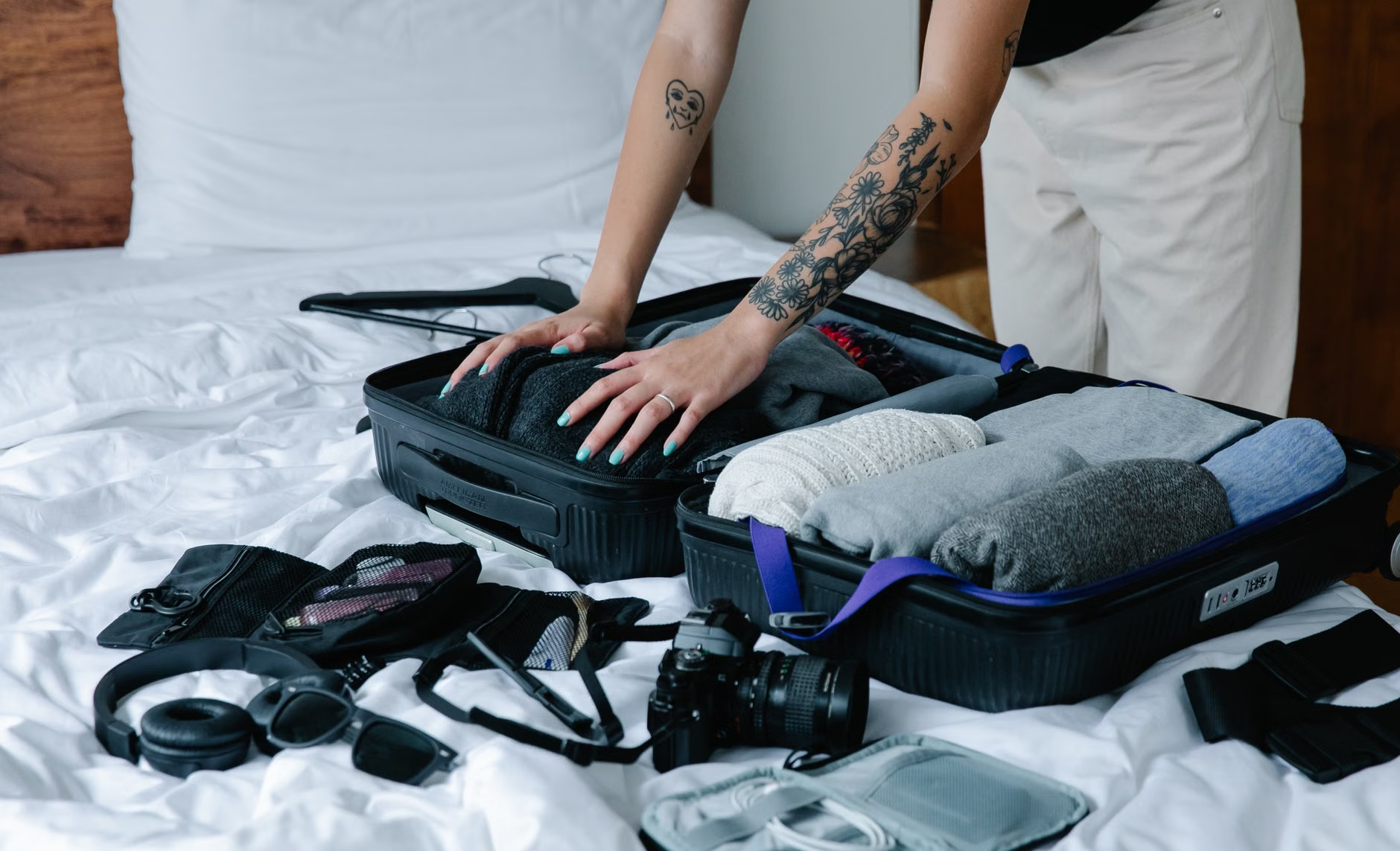
The way you pack your bag is just as important as what you pack. Using compression cubes or simple fabric pouches allows you to compartmentalize your items. This means you never have to dump your entire bag on a hotel floor to find your charger or your medication. For seniors, this organization is a matter of physical comfort—bending over to search through a deep, unorganized suitcase is a common cause of back strain.
The “Top-Layer” Priority
Place items you might need during transit—such as a light sweater, a bottle of water, your medication, and your travel documents—at the very top of your bag. This ensures you can access them without having to move heavy items or reorganize your bag in a crowded train station or airport terminal.
Choosing the Right Luggage
Avoid heavy hard-shell suitcases. A lightweight, four-wheeled (spinner) suitcase is generally preferred over two-wheeled models because it requires less effort to push and places less strain on your wrists and shoulders. Ensure the handle height is adjustable to your specific standing posture to prevent stooping.
Addressing Coastal-Specific Risks
Coastal trips often involve more walking than city trips. The soft, shifting nature of sand can be exhausting. If you have limited stamina, prioritize destinations that offer paved coastal paths or those that provide beach wheelchairs. Many countries, including Australia, the United States, and various European nations, offer beach accessibility programs where specialized chairs can be rented for free or at a nominal cost.
Always check the tide schedules. Walking on hard, wet sand is significantly easier on the joints than walking on dry, loose sand. Plan your beach walks for low tide, and always stay on marked trails to protect both your own safety and the local ecosystem.
Conclusion
Minimalist packing is your most effective tool for a safe, enjoyable coastal trip. By choosing lightweight, multi-functional items and focusing on mobility-first gear, you reduce the physical burden of travel and increase your ability to enjoy the destination. Remember, the goal of your trip is to experience the coastal environment, not to manage heavy luggage. Keep your gear light, your health documentation organized, and your pace steady. By prioritizing these elements, you can focus on what truly matters: the fresh sea air, the sound of the waves, and the joy of discovery.
Frequently Asked Questions
1. How can I determine if a coastal destination is truly accessible for my mobility needs?
Before booking, look for official tourism websites of the region. Search for terms like “accessible boardwalk,” “beach wheelchair availability,” or “ADA/disability access maps.” If this information is not readily available, email the local tourism board directly and ask: “Are there paved paths along the coastline, and what is the distance from the nearest parking to the water?”
2. Should I bring my own medical supplies or rely on local pharmacies?
Always bring a sufficient supply of your essential prescription medications for the entire duration of your trip, plus a three-day buffer for unexpected delays. While pharmacies are widely available, specific brands or dosages may vary by country. For over-the-counter items like pain relief or bandages, you can safely rely on local pharmacies, provided you know the generic names of the ingredients you require.
3. What is the most important thing to remember when packing for a multi-day coastal trip?
The most important rule is to prioritize comfort over variety. Choose clothing that can be layered and footwear that is already broken in. Avoid bringing new shoes that have not been tested for long walks. Remember, your physical comfort is the foundation of your travel experience; if you are comfortable, you are more likely to be active, engaged, and able to enjoy the trip to its fullest.
Disclaimer: This article is for informational purposes only and does not constitute medical advice. Always consult with your healthcare provider before making significant changes to your travel plans or physical activity routines, especially if you have existing health conditions.