- Intergenerational housing in 2026 is shifting from experimental pilot programs to formalized, scalable models integrated into city planning.
- Financial viability in these models often relies on “sweat equity” or service-exchange agreements where younger residents provide assistance in exchange for reduced rent.
- Before committing to a co-housing arrangement, prioritize legal clarity regarding tenancy rights, conflict resolution protocols, and long-term care contingencies.
As we head into 2026, the housing landscape for older adults is undergoing a significant transformation. The traditional binary choice—staying in a long-term family home or moving into a strictly age-segregated facility—is being challenged by a rise in intergenerational housing co-ops. These models are not merely social experiments; they are becoming essential components of urban policy in regions facing aging populations and housing shortages.
Understanding the 2026 Shift in Intergenerational Co-Housing
The core concept of intergenerational living is simple: housing units where older adults and younger people (often students or young professionals) live in close proximity, sharing common spaces and, in many cases, providing mutual support. By 2026, we are seeing a move away from informal arrangements toward highly regulated, institutionalized models.
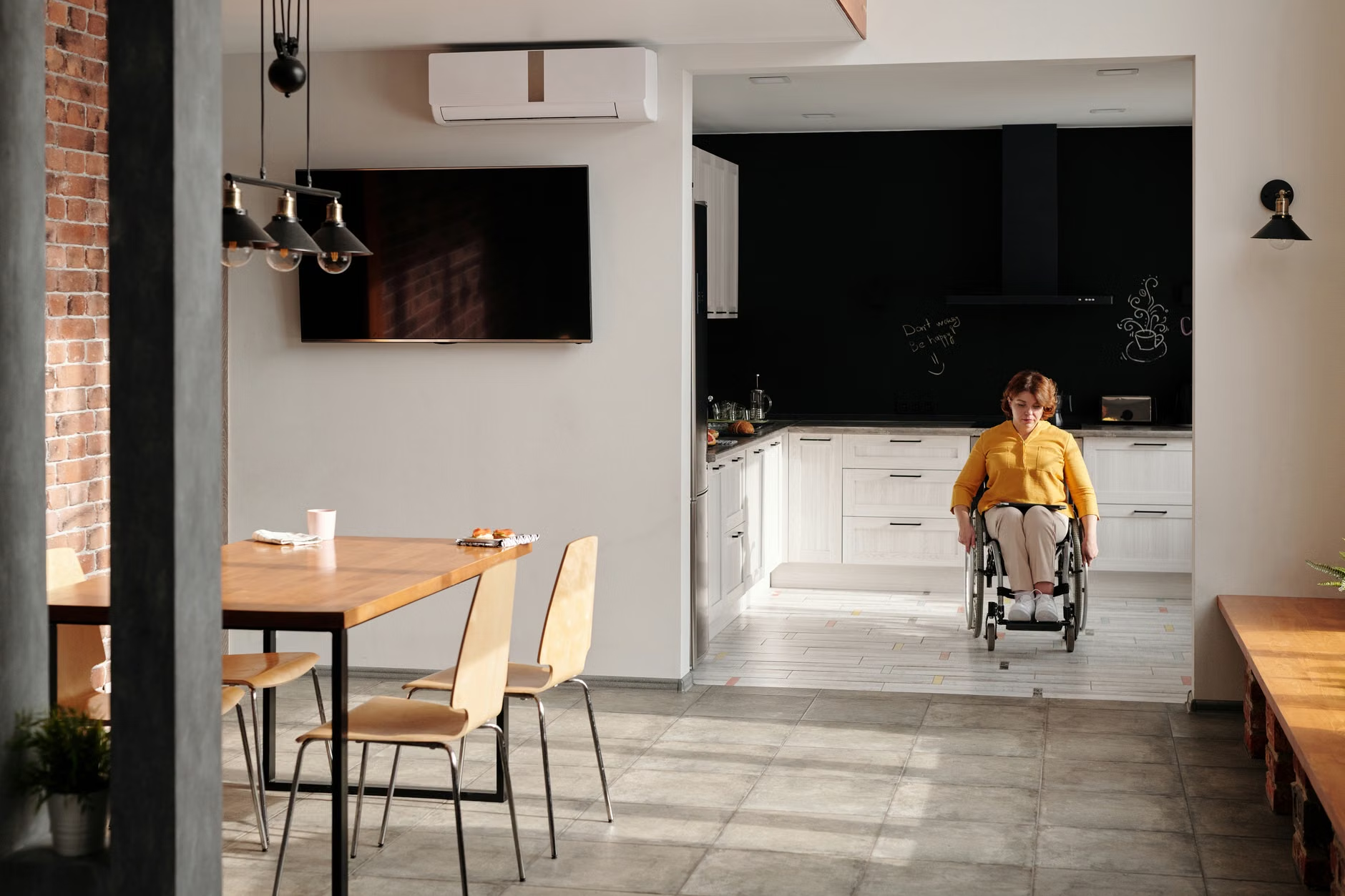
Why does this matter? For the older adult, this shift provides a buffer against the social isolation that often accompanies aging in place. For the younger resident, it offers affordable housing in an increasingly expensive market. The 2026 model, however, is more sophisticated than previous iterations. It now frequently includes professional management, clear legal frameworks for “service-for-rent” exchanges, and architectural designs that prioritize universal accessibility.
The Mechanics of Service-Exchange Agreements
One of the most critical aspects of modern intergenerational housing is the “Service-Exchange Agreement.” In these contracts, younger residents—often students or social workers—agree to spend a specific number of hours each month assisting their older neighbors. This is not meant to replace professional home healthcare, but rather to facilitate daily wellbeing.
Common tasks in these agreements include:
- Assisting with grocery shopping or meal preparation.
- Providing basic technical support for digital public services.
- Accompanying residents on walks or to local appointments.
- Engaging in regular social interaction to combat loneliness.
It is important to understand that these agreements are legally binding. In 2026, most municipalities require these contracts to be mediated by a third-party organization, such as a housing trust or a local government agency, to ensure that the expectations on both sides are realistic and that the safety of the older adult is protected.
Evaluating Financial and Legal Viability
When considering a move into an intergenerational co-op, you must look beyond the social benefits and examine the financial and legal structures. These models vary significantly by jurisdiction. In countries like the Netherlands or Germany, these are often government-subsidized, while in the United States or Canada, they may be private-public partnerships.
| Model Type | Financial Structure | Primary Benefit |
|---|---|---|
| Subsidized Co-Housing | Rent controlled by local govt | Predictable costs |
| Equity Co-op | Residents own shares in the property | Asset appreciation |
| Service-for-Rent | Reduced rent based on hours of aid | Lower living expenses |
Decision Criterion: If you are looking for long-term stability, an Equity Co-op may be superior, as it provides ownership rights. However, if you are looking to maximize your monthly pension or savings, the Service-for-Rent model offers immediate liquidity.

Identifying Red Flags in Housing Agreements
When reviewing contracts, be wary of vague language regarding “required support.” If a contract states that a younger resident must provide “general assistance” without defining the scope, this is a potential risk. You need to know exactly what the younger resident is—and is not—permitted to do. For instance, they should never be responsible for administering medication or providing medical physical therapy unless they are licensed professionals.
Designing for Accessibility: What to Look For
A “senior-friendly” label is not enough. By 2026, international standards for accessible housing have become more rigorous. When visiting a potential site, look for features that go beyond the basic elevator access.
Practical Checklist for Site Visits:
- Thresholds and Flooring: Are there any “tripping hazards” at room transitions?
- Lighting: Is the common area lighting adjustable or motion-activated to prevent falls at night?
- Bathroom Accessibility: Do the bathrooms feature walk-in showers with grab bars, even if you do not currently require them?
- Emergency Response: Is there a 24/7 onsite system for emergencies, or is it purely a social arrangement?
Remember that your needs may change over time. An ideal housing model is one that allows for “aging in place,” meaning the building can accommodate increasing levels of support without requiring you to move again.

The Role of Technology in 2026 Intergenerational Models
Technology has become the silent partner in the success of 2026 housing models. Smart home systems that monitor activity patterns (without compromising privacy) are increasingly common. These systems can alert caregivers or family members if there is an unusual change in routine, such as a resident not opening the refrigerator for an extended period or failing to leave their bedroom at the usual time.
However, technology is only as good as the user’s comfort level. Before moving into a tech-integrated facility, ask about the training provided. A reputable facility will offer regular workshops to ensure all residents feel confident using the interface. If the facility expects you to manage your daily life via a complex app, and you prefer traditional methods, this may not be the right fit for your personal comfort level.
The greatest challenge in any shared living arrangement is not the physical space, but the human element. Living in an intergenerational co-op requires a degree of flexibility and a willingness to engage in community governance. Most successful co-ops in 2026 operate on a consensus-based model.
If you are considering this path, ask these three questions to current residents:
- How are disputes between residents resolved? (Look for a written grievance procedure).
- What is the process for changing the “house rules” regarding noise or guests?
- How often do residents meet formally to discuss community concerns?
If the answer to these questions is vague, or if the management claims that “everyone just gets along,” be cautious. Transparent governance is the hallmark of a sustainable community.
Conclusion: Is Intergenerational Living Right for You?
Intergenerational housing is not a universal solution for aging. It requires a specific personality type: one that enjoys social interaction, values community contribution, and is comfortable with the nuances of shared governance. If you prefer high levels of privacy and rigid control over your environment, this model may feel intrusive.
However, for those who thrive on connection and wish to maintain their independence while having a reliable support network nearby, the 2026 model offers a compelling alternative to traditional retirement living. Start by researching local housing trusts or municipal departments of aging in your region. These entities often have lists of accredited co-housing projects that meet safety and legal standards. Take the time to visit, speak with residents, and read the fine print of the residency agreement before making a commitment.
Official Resource Note: For those in the United States, the National Cooperative Business Association (NCBA) provides resources on co-housing structures. In Europe, the European Network for Housing Research (ENHR) offers data on regional developments. Always cross-reference these with your local government’s housing authority for jurisdiction-specific regulations.
Frequently Asked Questions
1. Does intergenerational housing replace the need for professional home care?
No. Intergenerational housing is designed for social support and daily assistance. It is not a substitute for professional medical care. If you have complex health needs, you should ensure that your housing choice allows for the integration of visiting nursing or home health aide services.
2. How are the younger residents vetted in these programs?
In most formal 2026 programs, younger residents must undergo a background check, a screening interview, and often a probationary period. These processes are designed to ensure compatibility and safety for all residents. Always ask the management company for their specific screening protocols.
3. What happens if I no longer want to participate in the service-exchange?
Most agreements have a “transition clause.” If your needs change, the agreement should allow for an adjustment or termination of the service component. Ensure that your contract clearly outlines the process for ending the service portion of your arrangement without jeopardizing your right to remain in the housing unit.